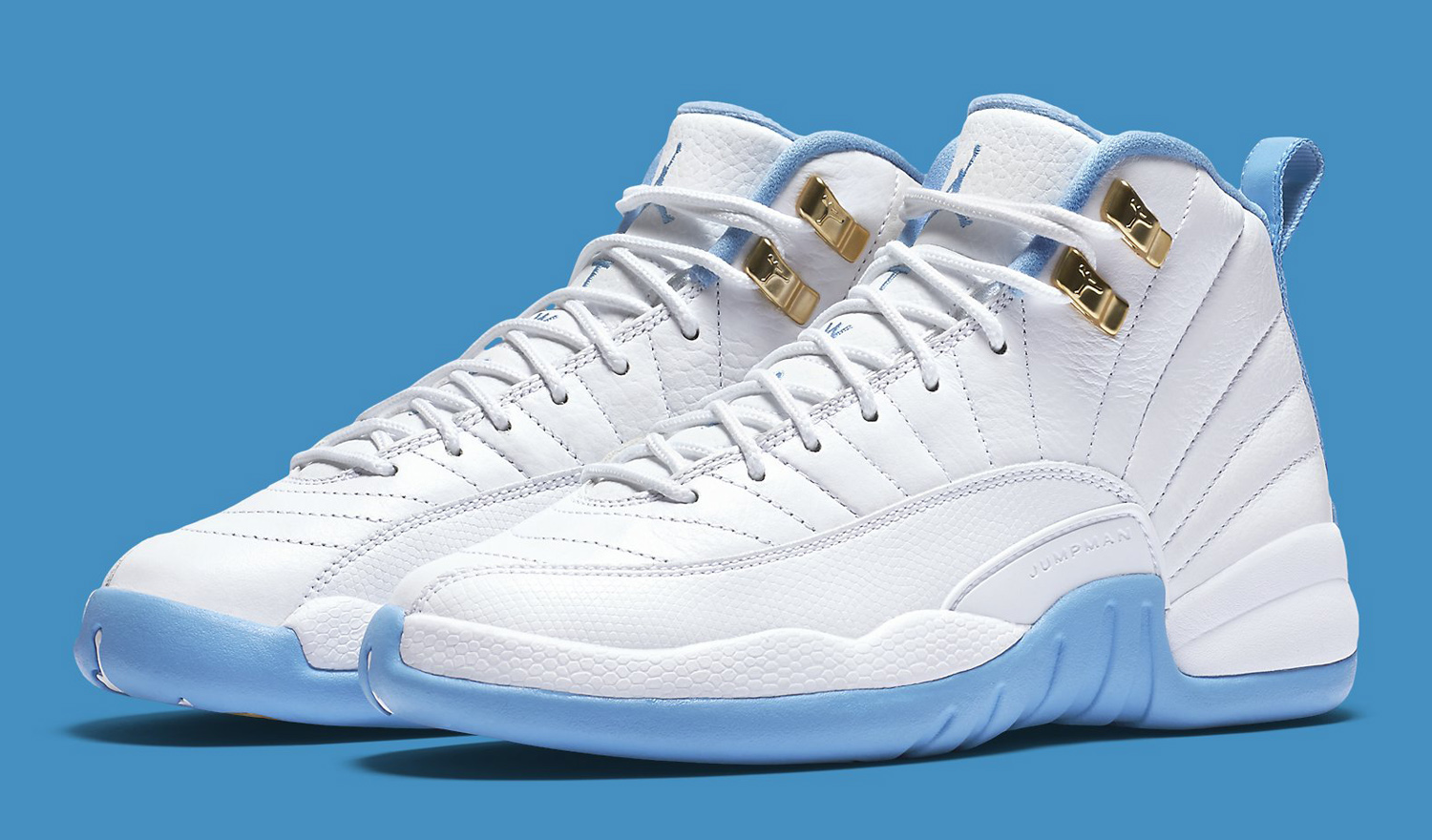
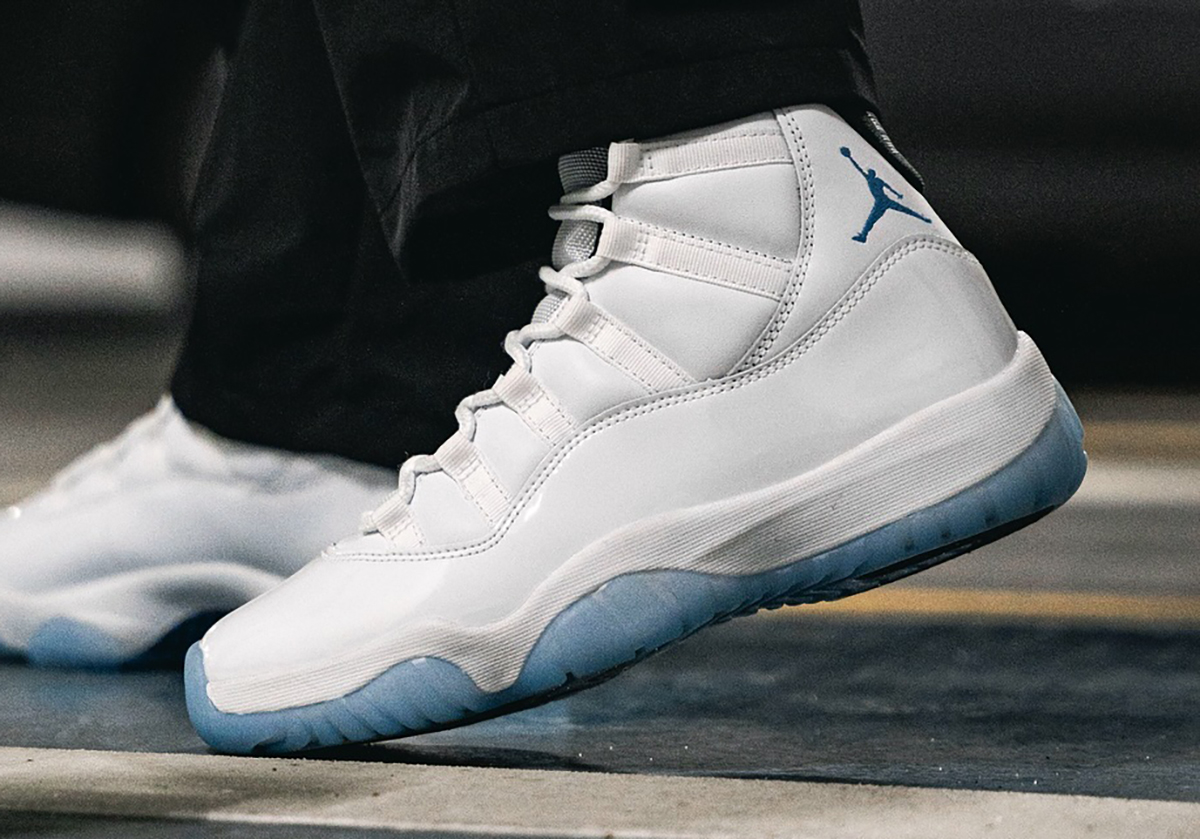
Blue, grey, and white Air Jordans are generally considered excellent purchases due to their exceptional color-blocking versatility, high historical relevance, and strong resale stability. These "heritage" colorways, such as the Georgetown and True Blue variants, bridge the gap between loud athletic sneakers and sophisticated lifestyle footwear, making them a staple in any 2026 wardrobe.
The Aesthetic and Cultural Appeal of the Blue, Grey, and White Palette
The combination of blue, grey, and white occupies a unique space in sneaker culture. While the classic "Bred" (Black and Red) or "Chicago" colorways are synonymous with Michael Jordan’s professional career with the Bulls, the blue and grey palette often nods to his collegiate roots and his later years in the league. This specific trio of colors—often manifesting as "University Blue," "College Navy," or "True Blue" alongside "Cement Grey" or "Tech Grey"—offers a more muted, wearable alternative to the high-contrast reds and yellows.
In 2026, the trend in footwear has shifted significantly toward "versatile heritage." Collectors and casual wearers alike are moving away from neon and hyper-saturated collaborations toward colorways that can be paired with diverse outfits. Blue and grey are naturally complementary colors; the coolness of the blue is grounded by the neutrality of the grey, while white provides the necessary "pop" to keep the silhouette looking clean. This makes these sneakers particularly effective for everything from streetwear-focused outfits to more "smart-casual" looks involving chinos or tailored trousers.
Key Models in the Blue, Grey, and White Spectrum
When evaluating whether these sneakers are worth buying, it is essential to distinguish between the specific models that utilize this color scheme. Not all Jordans are created equal in terms of comfort, materials, or investment potential.
Air Jordan 1 High OG "Georgetown" (1985 Cut)
Released as part of the "Heritage" series, this model uses "College Navy" and "Tech Grey" on a white base. It pays homage to the 1982 NCAA Championship game where Michael Jordan hit the winning shot against Georgetown. The '85 cut features a higher collar and a more authentic shape compared to the standard OG Retro. For a collector, this is a "must-buy" because of its historical weight and the premium leather used in its construction.
Air Jordan 3 "Wizards" / "True Blue"
The Air Jordan 3 is famous for introducing elephant print, usually in a grey-on-grey pattern. The "Wizards" PE (Player Exclusive) colorway, which became a general release, features a white tumbled leather upper, blue accents on the midsole and eyelets, and signature grey elephant print. This model is often cited as one of the most comfortable retro Jordans due to the visible Air unit and the plush ankle collar.
Air Jordan 4 "Military Blue" (Industrial Blue)
The "Military Blue" 4 is a foundational colorway. Its 2024 re-release (and subsequent 2026 market presence) returned to the original "Nike Air" branding on the heel. The use of grey suede on the toe wrap provides a structural contrast to the white leather and blue TPU wings. In terms of silhouette popularity, the Jordan 4 currently rivals the Jordan 1 for the top spot in market demand.
Comparative Value of Popular Blue, Grey, and White Models
| Model Name | Primary Material | Silhouette Profile | 2026 Market Standing | Best For |
|---|---|---|---|---|
| AJ1 High '85 Georgetown | Smooth Leather | High-Top / Narrow | High (Collector Grade) | Historical authenticity and longevity. |
| AJ3 True Blue / Wizards | Tumbled Leather | Mid-Top / Wide | Moderate (Staple) | Daily comfort and "clean" aesthetic. |
| AJ4 Military Blue | Leather & Suede | Mid-Top / Chunky | Very High (Trend-Lead) | Statement pieces and streetwear. |
| AJ1 High "True Blue" | Tumbled Leather | High-Top / Standard | Stable (Budget-Friendly) | High-quality leather for entry-level collectors. |
Material Quality and Longevity
One of the primary factors determining if a shoe is "worth it" is how well it holds up over time. Blue, grey, and white colorways have a distinct advantage in the aging process compared to lighter, all-white sneakers.
- Hiding Wear: Grey is arguably the best color for masking light scuffs and dust. On models like the Jordan 3 or Jordan 4, grey accents are often placed on the outsole or the "mudguard" areas (the toe box wrap), which are the most prone to getting dirty.
- Leather Resistance: Most blue and white Jordans utilize semi-aniline or pigmented leathers. These are durable and relatively easy to clean with basic sneaker solutions. However, some "UNC" or "University Blue" variations use nubuck or suede. While beautiful, these materials require more maintenance and are susceptible to water damage and "crocking" (color transfer from denim).
- Midsole Yellowing: White midsoles are a hallmark of this color palette. Over 5 to 10 years, these can undergo oxidation and turn yellow. However, when paired with blue and grey, the yellowing often takes on a "vintage" look that many enthusiasts find desirable, unlike the clashing effect seen on red or green models.
The Investment Perspective: Resale and Demand
As of 2026, the sneaker market has stabilized following the volatile peaks of the early 2020s. Blue and grey colorways are generally considered "safe" investments. They do not typically see the 500% price surges associated with limited Travis Scott collaborations, but they also rarely drop below their original retail price.
The "Georgetown" and "True Blue" motifs are evergreen. Because they are tied to Michael Jordan’s actual history—his college career at North Carolina (Blue/White) and his professional rivalries or his tenure with the Wizards (Blue/Grey/White)—these shoes possess a "legacy floor." This means there will always be a baseline of demand from older collectors who remember the original games and younger enthusiasts who appreciate the classic look.
If you are buying with the intent to resell, focus on "OG" colorways. These are versions that were originally released during Michael Jordan's playing days. "Non-OG" colorways (newly invented color schemes) may look similar but often lack the long-term price appreciation of the originals.
Styling Guide: How to Wear Blue, Grey, and White Jordans
The versatility of this colorway is its strongest selling point. Unlike a bright red sneaker that demands to be the center of an outfit, a blue and grey Jordan can act as a supporting element or a subtle highlight.
- Denim Synergy: Blue Jordans naturally pair with denim. Dark indigo jeans contrast beautifully with light grey accents, while light-wash denim complements "University Blue" or "UNC" shades.
- Neutral Balancing: These sneakers work exceptionally well with "earth tones" or monochromatic outfits. A grey hoodie and black cargo pants allow the blue accents on the shoes to stand out without looking over-the-top.
- Seasonal Adaptability: The coolness of the palette makes them ideal for winter and spring. The white and light grey reflect the brightness of spring, while the deep blues ground the outfit during the darker winter months.
Potential Drawbacks: Why You Might Hesitate
While highly recommended, there are a few reasons why these specific Jordans might not be the right choice for every buyer:
- Suede Maintenance: As mentioned, if the specific "blue" in the shoe is suede (like the Jordan 1 "University Blue"), it is not a "rainy day" shoe. You will need to invest in water-repellant sprays and a suede brush to keep the nap looking fresh.
- The "Hype" Premium: Because blue and grey are so popular, they are often targeted by botters and resellers during the initial release. This can drive the price up on the secondary market (StockX, GOAT, etc.), meaning you may have to pay a 20-40% premium over the retail price if you miss the SNKRS app drop.
- Model-Specific Comfort: The Jordan 1, while iconic, is a 1980s basketball shoe with very little modern cushioning. If you plan to be on your feet for 8+ hours, the Jordan 3 or Jordan 4 (which feature more advanced Air technology) are much better "value" in terms of physical comfort.
Cleaning and Maintenance for Longevity
To maintain the "worth" of your purchase, preservation is key. White leather can be cleaned using a soft-bristle brush and a mild detergent. For the grey suede or nubuck elements, avoid water whenever possible; instead, use a specialized suede eraser to lift stains.
For the blue accents, particularly on the midsole, be wary of harsh chemicals that might strip the paint. Nike uses a painted finish on many Jordan midsoles, and over-vigorous scrubbing can lead to cracking or peeling over several years of use.
Frequently Asked Questions
Are blue and grey Jordans more popular than red ones?
While red-and-black (Bred) Jordans are the most iconic, blue and grey models have seen a massive rise in popularity for lifestyle wear. In 2026, the trend favors the "cool" palette because it is easier to style with modern neutral-toned fashion than the aggressive red-based palettes.
Do blue, grey, and white Jordans hold their value?
Yes, especially the "OG" colorways like the Military Blue 4 or the True Blue 3. These models historically maintain their retail value and typically appreciate by 10% to 25% annually once they are no longer available in retail stores.
Is the "UNC" blue the same as the "Georgetown" blue?
No. "UNC" (University of North Carolina) blue is a light, powder blue (Carolina Blue). "Georgetown" blue is typically a much darker "College Navy." Both are often paired with white and grey, but they offer very different visual weights to an outfit.
Which model is best for a first-time buyer?
The Air Jordan 3 in a blue/grey/white colorway (like the Wizards PE) is often the best entry point. It offers a balance of comfort, high-quality tumbled leather, and a silhouette that isn't as restrictive as the High-Top Jordan 1.
Can I wear blue and grey Jordans to the office?
In a modern business-casual or creative office environment, yes. The grey and white tones keep the shoe looking "clean" and professional, while the blue adds a touch of personality. They pair well with navy slacks or grey trousers.
Final Recommendation: Should You Buy?
If you are looking for a sneaker that combines historical significance with daily practicality, blue, grey, and white Jordans are absolutely worth buying. They avoid the "flash-in-the-pan" nature of neon-colored releases and offer a sophisticated aesthetic that ages well both physically and stylistically.
For those concerned with investment value, prioritize the Air Jordan 1 High '85 cuts or OG Jordan 4 retros. If your priority is daily wear and comfort, the Air Jordan 3 remains the gold standard in this color category. Regardless of the specific silhouette, this color palette remains one of the safest and most rewarding choices in the sneaker market of 2026.