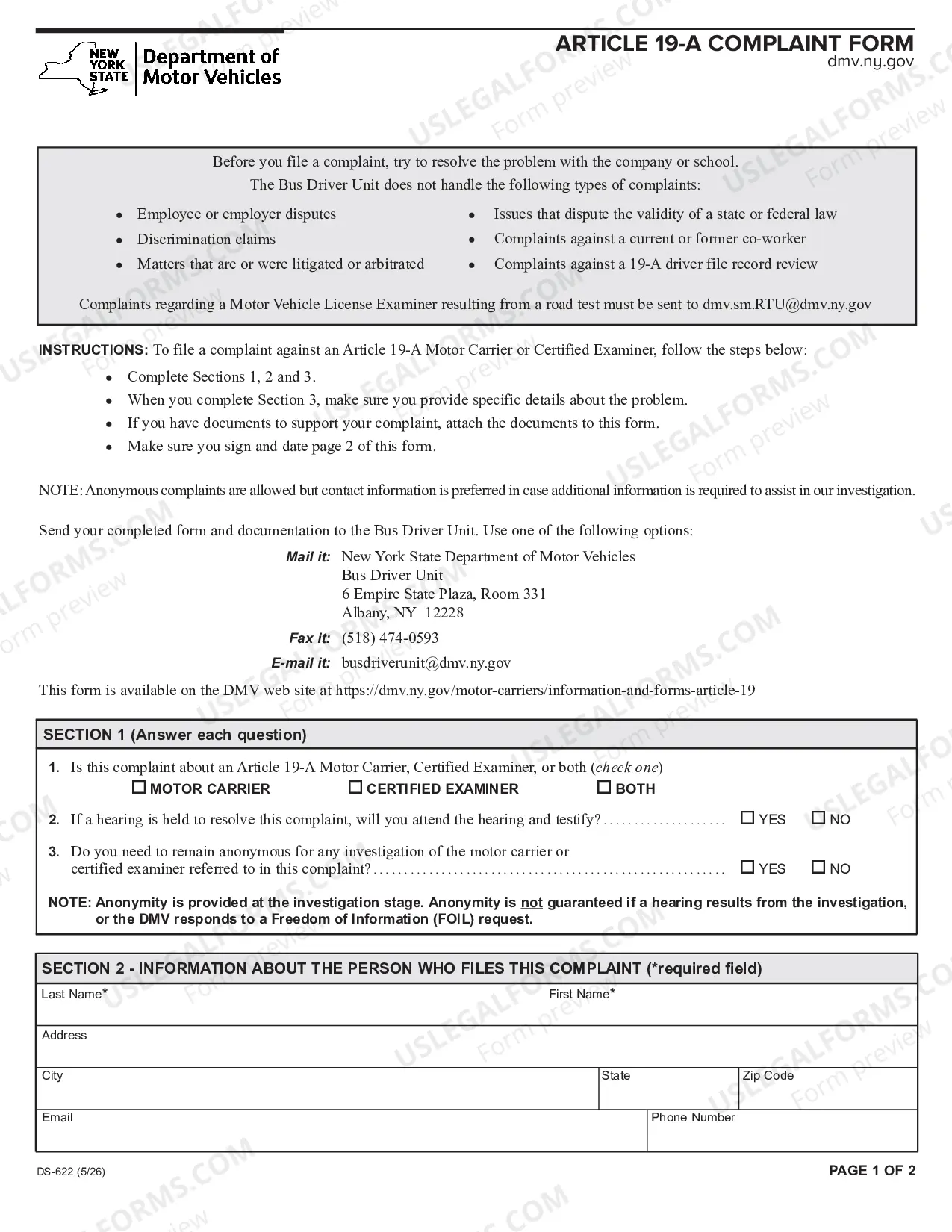
If you have been harmed by a business, service provider, or organization operating within the state, filing an attorney general New York consumer complaint is the formal process used to notify the Office of the Attorney General (OAG) of deceptive, fraudulent, or illegal business practices. This administrative procedure allows the OAG to review your grievance, mediate disputes between consumers and businesses, and identify systemic patterns of misconduct that may warrant state-level investigation or legal action.
Understanding the Role of the New York Attorney General
The Office of the New York Attorney General serves as the state’s chief legal officer, tasked with protecting the public interest. One of the office's most vital functions is the Bureau of Consumer Frauds and Protection. When you file a complaint, you are not necessarily hiring a private attorney to represent you in a civil lawsuit; instead, you are alerting a regulatory body to a potential violation of New York’s consumer protection laws.
The Bureau handles a vast array of issues, ranging from predatory lending and false advertising to data privacy breaches and professional misconduct. By filing a complaint, you contribute to a larger database that helps the state identify businesses that repeatedly exploit residents. While the OAG cannot provide legal advice or represent individual plaintiffs in private litigation, it can often facilitate a resolution by contacting the business on your behalf.
Prerequisites for Filing a Complaint
Before submitting a complaint, ensure that you have exhausted other avenues of resolution. The OAG generally expects consumers to have attempted to resolve the dispute directly with the business.
- Direct Communication: Attempt to reach out to the company’s customer service department, manager, or corporate office. Document these attempts, including dates, names of representatives, and summaries of conversations.
- Gather Evidence: Collect all relevant documentation. This includes contracts, receipts, invoices, advertisements, emails, letters, and proof of payment. Digital records, such as screenshots of websites or confirmation numbers, are equally important.
- Identify Jurisdiction: Ensure the business is either based in New York or has conducted business with you within New York state. If the dispute involves a federal entity or an out-of-state business with no connection to New York, the OAG may refer you to the Federal Trade Commission (FTC) or another appropriate state authority.
- Confirm Eligibility: The OAG covers a wide scope of consumer activity, but it does not resolve disputes where the primary issue is a matter for a court to decide (such as a complex breach of contract that has already been litigated) or where the business is a small entity that is currently in bankruptcy proceedings.
Step-by-Step Procedure for Filing Online
The most efficient way to initiate your complaint is through the official New York Attorney General website. This digital portal ensures your documentation is uploaded directly into the OAG’s intake system.
- Step 1: Access the Online Form: Navigate to the official Bureau of Consumer Frauds and Protection page. Look for the "File a Consumer Complaint" link.
- Step 2: Select the Category: Choose the category that best describes your issue. Categories often include automotive, retail sales, landlord-tenant, debt collection, telecommunications, or healthcare.
- Step 3: Provide Contact Information: You must provide accurate personal details, including your full name, mailing address, and email address. The OAG requires this to contact you regarding the status of your complaint.
- Step 4: Detail the Complaint: Write a clear, chronological summary of the incident. Focus on facts rather than emotion. Specify what the business did wrong, what you expected, and what the current status is.
- Step 5: Attach Supporting Documents: Use the upload feature to attach PDFs or images of your supporting evidence. Ensure files are clearly labeled so that a case worker can easily understand the timeline of events.
- Step 6: Submit and Record: Once submitted, you will receive a confirmation number. Retain this number for all future inquiries regarding your file.
Filing via Mail
If you are unable to use the online portal, the OAG provides a printable form. You should print the complaint form, fill it out in black ink, and mail it to the address provided on the form. When filing by mail, always send copies—never original documents—as the OAG may not be able to return them to you.
What Happens After You Submit
Once your complaint is received, it undergoes an initial review by the Bureau of Consumer Frauds and Protection. The process generally follows these stages:
- Intake and Review: An intake specialist reviews the complaint to ensure it falls within the OAG’s jurisdiction. If it does not, they may provide a referral to an agency that can help.
- Referral to Business: If the complaint is valid, the OAG will typically forward a copy of your complaint to the business. The business is then invited to respond to the allegations.
- Mediation: In many cases, the business will reach out to you or the OAG to propose a settlement or resolution. The OAG acts as a neutral intermediary during this process.
- Closure or Escalation: If the business resolves the issue to your satisfaction, the case is closed. If the business fails to respond or if the pattern of complaints against them suggests broader illegal activity, the OAG may escalate the file for a deeper investigation by legal staff.
Comparison of Resolution Pathways
Choosing the right path depends on whether you seek individual compensation or institutional change.
| Resolution Method | Primary Goal | Involvement Level |
|---|---|---|
| Attorney General Complaint | Mediation and Regulatory Action | Low (Submission-based) |
| Small Claims Court | Monetary Damages | High (Requires personal attendance) |
| Better Business Bureau | Public Reputation Pressure | Low (Business may ignore) |
| Private Attorney | Legal Enforcement / Litigation | High (Requires retainers/fees) |
Note: Small Claims Court in New York has a jurisdictional limit (typically up to $5,000 or $10,000 depending on the court), which is often the best route for simple monetary disputes that require a judicial ruling.
Common Mistakes to Avoid
- Vague Narratives: Avoid writing a multi-page rant. Stick to a concise, bulleted list of events including the "Who, What, Where, When, and Why."
- Missing Dates: Failing to include exact dates of transactions or communication attempts can delay the verification process.
- Sending Originals: Always keep original contracts and receipts. If the OAG requests them, send certified copies.
- Expecting Immediate Results: Filing a complaint is an administrative process, not a fast-track to litigation. It can take weeks or months to see a resolution.
Frequently Asked Questions
Does the Attorney General represent me personally in court? No. The Attorney General represents the people of the State of New York. While the OAG may help resolve your specific dispute, they are not your personal lawyer and cannot file a private lawsuit on your behalf. If you require a court order or personal damages, you may need to consult a private attorney.
Is there a fee to file a complaint? No, the service is free for all New York residents. If you encounter any website claiming to charge a fee to file an attorney general complaint, it is likely a scam. Always ensure you are using the official government domain (.ny.gov).
What if the business is located in another state? The New York Attorney General can still intervene if the business conducts transactions with New York consumers. However, if the business has no physical presence or commercial activity in New York, the OAG may be unable to compel a response. In such cases, you should also contact the Attorney General’s office in the state where the business is headquartered.
Can I remain anonymous? It is generally not possible to remain anonymous while filing a complaint. To resolve the issue, the business must know who is making the complaint. The OAG typically shares the complaint details with the business to allow them an opportunity to respond.
What if I am unsatisfied with the outcome? If the OAG mediation process concludes without a resolution that satisfies you, you still retain your right to pursue other remedies, such as filing a case in Small Claims Court or hiring a private attorney to initiate a civil lawsuit.
Next Steps for Consumers
If you have a legitimate grievance, do not wait. The sooner you document your issue and file your complaint, the more likely the paper trail will be complete and actionable. Visit the official New York State Office of the Attorney General website to begin your submission. Keep your confirmation number handy and remain patient, as these processes are designed to be thorough rather than instantaneous.