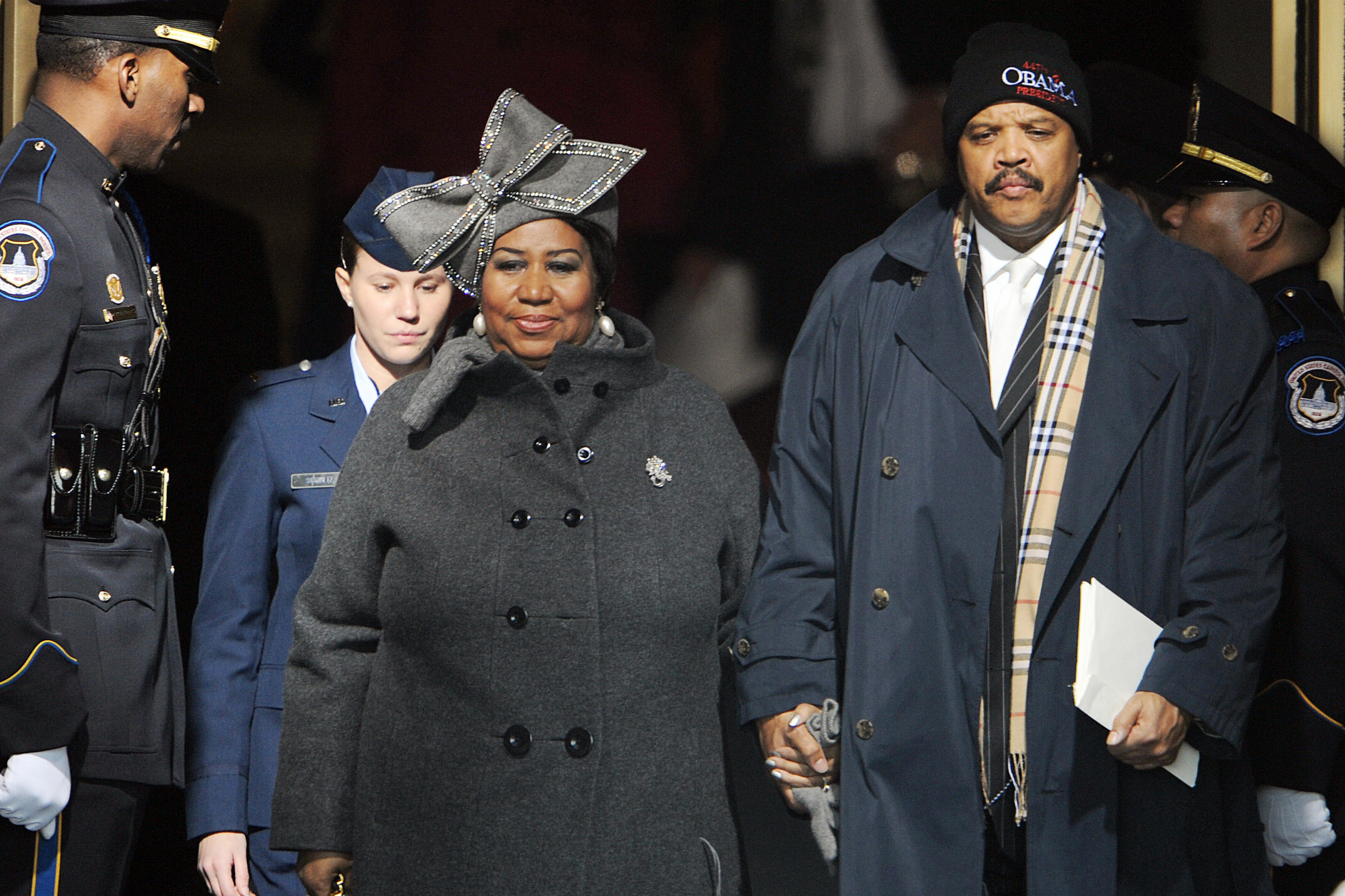
Aretha Franklin’s performance of "My Country, 'Tis of Thee" at the 2009 inauguration of President Barack Obama remains one of the most iconic moments in modern American cultural history. As the first African American president took the oath of office, the "Queen of Soul" provided a resonant, poignant vocal bridge between the nation’s past and its future, cementing her status as a cultural icon and a symbol of civil rights progress.
The Significance of the 2009 Inaugural Performance
On January 20, 2009, Aretha Franklin stood before a historic crowd of millions gathered on the National Mall in Washington, D.C. Her participation in the swearing-in ceremony of Barack Obama was not merely a musical booking; it was widely viewed as a symbolic endorsement of the progress of the American dream. Franklin had been a long-time supporter of the Civil Rights Movement, having toured with Dr. Martin Luther King Jr. and performed at his funeral in 1968. Consequently, her presence at the inauguration of the first Black president carried deep personal and political weight.
Franklin’s selection of the song "My Country, 'Tis of Thee" (also known as "America") was deliberate. The hymn, which dates back to the early 19th century, carries patriotic gravitas, but in the hands of Franklin, it took on an added layer of soul and spiritual endurance. Her performance was characterized by her signature vocal depth, control, and emotional nuance, which commanded the attention of a freezing, capacity crowd that had braved harsh January weather to witness history.
The Iconic Bow and Millinery Influence
While the vocal performance remains the primary focus of historical record, the 2009 inauguration is also synonymous with Franklin's choice of attire. The artist famously wore a custom-made, grey felt hat adorned with a large Swarovski crystal-encrusted bow, designed by milliner Luke Song of Mr. Song Millinery in Detroit.
The hat became an overnight sensation, sparking a massive surge in public interest regarding high-fashion millinery. In the weeks following the inauguration, the "Aretha hat" became a pop-culture phenomenon, with media outlets, fashion magazines, and social media users debating its boldness. This moment highlights how Franklin’s public appearances were curated to project strength, individuality, and dignity, effectively turning a formal political event into a showcase of American artistry and design.
Technical Challenges of Inaugural Performances
Performing at a presidential inauguration presents unique technical and environmental challenges that distinguish it from standard concert venues. The 2009 event was marked by sub-freezing temperatures, which pose significant risks to a vocalist’s ability to maintain pitch and vocal cord integrity. Cold, dry air can cause the vocal cords to tighten, making it difficult for even the most seasoned performers to navigate the registers required for a powerful performance.
Furthermore, the scale of the National Mall requires sophisticated audio engineering. The sound system must be calibrated to ensure that the performer is heard clearly by those standing at the steps of the Capitol while also managing the feedback loops and sound-delay issues inherent in an open-air environment. For the 2009 ceremony, the audio production team utilized a complex array of delay towers and specialized microphone setups to ensure that Franklin’s voice carried across the massive expanse of the event site without losing its characteristic texture.
Comparative Context of Inaugural Musicians
Throughout American history, musical performances at inaugurations have served as a barometer for the cultural zeitgeist. To understand the uniqueness of Franklin’s 2009 performance, it is helpful to compare the logistical and artistic scope of such appearances.
| Performer | Year | Occasion | Musical Focus |
|---|---|---|---|
| Aretha Franklin | 2009 | Obama | Patriotic / Spiritual |
| Beyoncé | 2013 | Obama | National Anthem |
| Yo-Yo Ma & Itzhak Perlman | 2009 | Obama | Classical |
| Lady Gaga | 2021 | Biden | National Anthem |
| Kelly Clarkson | 2013 | Obama | Patriotic |
As indicated in the table, the 2009 inauguration was notable for its fusion of genres. By inviting Franklin—a titan of Gospel, R&B, and Soul—alongside world-renowned classical musicians, the inaugural committee aimed to reflect the diversity and breadth of the American experience. Franklin’s specific role was to provide the "spiritual" heartbeat of the ceremony, a task for which her background in church music and protest anthems made her uniquely qualified.
Public Perception and Media Legacy
The reception of Franklin's performance was overwhelmingly positive, though it was not without its moments of intense scrutiny. The media focused heavily on the aesthetic aspects of the day—the hat, the coat, and the cold—but the primary takeaway was the gravity of her voice. Journalists and cultural critics noted that Franklin, then 66 years old, exhibited the same vocal power that defined her 1960s and 70s career.
For many viewers, the image of Franklin singing was inextricably linked to the visual of the Obama family looking on. This created a powerful synergy between the performer and the subject of the inauguration. The performance was recorded, archived by major news networks, and eventually solidified as a "must-watch" clip in the digital age. By 2026, the performance has been re-examined in countless documentaries and retrospectives, often cited as the definitive musical moment of the early 21st-century American political cycle.
Challenges and Limitations for Performers
One significant aspect of inaugural performances that is often overlooked is the degree of preparation required. Performers are often asked to work with the United States Marine Band or other military ensembles, which necessitates rigorous rehearsal schedules and strict adherence to protocol. For Franklin, who was known for her improvisational ability and "ad-libbing" style, the constraints of a formal state event required a balance between her personal flair and the precision demanded by a government broadcast.
Additionally, the pressure of a global live audience—with billions of viewers worldwide—means that there is zero margin for error. Unlike an album recording or a concert tour, an inauguration cannot be "re-done." If a performer misses a note or struggles with the cold, it becomes a permanent part of the historical record. Franklin’s ability to remain composed under these conditions remains a testament to her decades of experience in the entertainment industry.
Frequently Asked Questions
1. Was Aretha Franklin’s 2009 inauguration performance live or pre-recorded? The performance was live. While some musical segments at major state events are pre-recorded due to weather or technical concerns, Franklin insisted on singing live. The cold weather presented a major hurdle, but she successfully navigated the performance in real-time.
2. Why was the hat worn by Aretha Franklin so significant? The hat, designed by Luke Song, became a cultural touchstone due to its size and the intricate Swarovski crystal detailing on the bow. It drew widespread media attention, representing a blend of high fashion and American craftsmanship, and remains one of the most famous fashion moments in inaugural history.
3. What song did Aretha Franklin perform at the 2009 inauguration? She performed "My Country, 'Tis of Thee." The selection was viewed as a nod to the patriotic nature of the event and served as a powerful anthem that resonated with the themes of hope and change associated with the 2009 administration.
4. Did Aretha Franklin perform at other inaugural ceremonies? While her 2009 performance is the most famous, Franklin also performed at the 1993 inauguration of President Bill Clinton. Her involvement in presidential ceremonies spanned several decades, reflecting her status as a cultural ambassador for the United States.
5. How does the 2009 performance compare to other inaugural music? The 2009 ceremony is noted for its high-profile musical roster. While inaugurations often feature musical acts, the inclusion of Franklin signaled a deliberate effort to honor African American musical traditions and the history of civil rights, setting a high standard for subsequent inaugural performances.
Next Steps and Further Research
If you are interested in exploring the history of presidential inauguration music, the best next step is to visit the official records of the Library of Congress or the digital archives of the Barack Obama Presidential Library. These repositories provide access to the official programs and, in some cases, the production notes regarding the musical arrangements used during the 2009 ceremony. For those studying the impact of the performance on fashion, looking into the archives of major fashion publications from early 2009 will provide context on how the "Aretha hat" influenced trends in the subsequent years. Understanding the intersection of music and politics requires looking past the performance itself to the cultural context that made the moment possible.