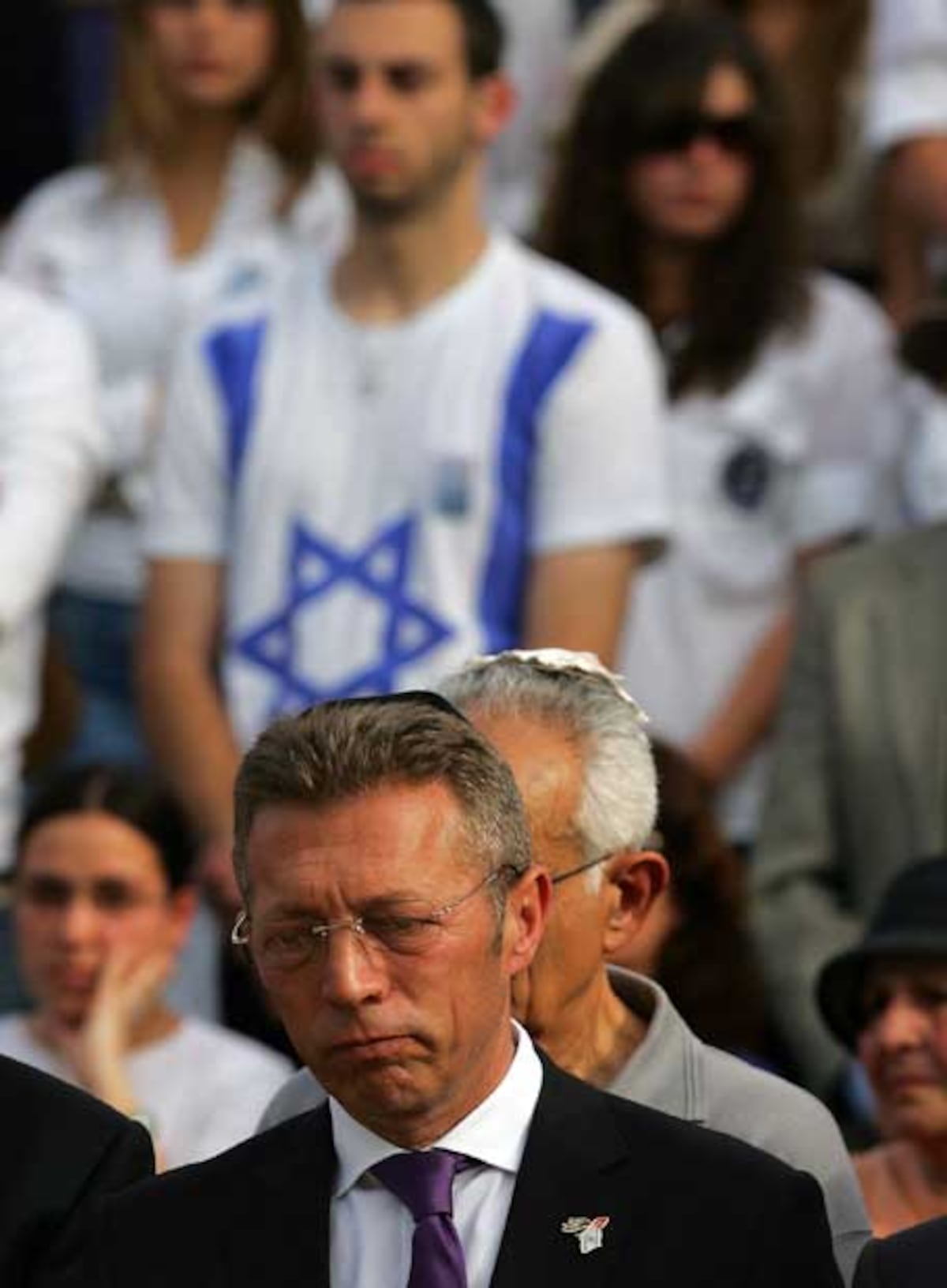
As of 2026, Arcadi Gaydamak’s net worth is estimated to be significantly lower than his mid-2000s peak, with most analysts placing his remaining accessible wealth below $50 million. While he was once a billionaire with a diverse portfolio spanning arms, real estate, and sports, years of legal battles, asset seizures, and failed political ventures have depleted his public fortune.
Arcadi Gaydamak remains one of the most enigmatic figures in the intersection of international business, high-stakes politics, and legal controversy. Born in the Soviet Union and later holding French, Israeli, Angolan, and Canadian citizenships, Gaydamak’s career followed the classic trajectory of the post-Cold War "oligarch," though his path was uniquely defined by his involvement in the African defense sector and a tumultuous relationship with the French and Israeli governments. To understand his net worth in detail, one must look past the simple numbers and examine the rise of his shadow empire, the impact of the "Angolagate" scandal, and the subsequent liquidation of his most visible assets.
The Rise of Arcadi Gaydamak: Building a Shadow Empire
The foundation of Gaydamak’s wealth was laid in the early 1990s, following the collapse of the Soviet Union. While many of his contemporaries focused on domestic resource privatization in Russia, Gaydamak looked toward international brokerage and trade. His most significant financial breakthrough occurred through his involvement in the Angolan Civil War, where he acted as a middleman for arms-to-oil deals.
During the 1990s, the Angolan government under José Eduardo dos Santos was desperate for military equipment to combat UNITA rebels. Gaydamak, along with partner Pierre Falcone, facilitated a series of transactions worth approximately $790 million. These deals involved the delivery of Russian-made tanks, helicopters, and ammunition in exchange for Angolan oil credits. The commissions from these arrangements were substantial, propelling Gaydamak into the ranks of the global elite.
By the early 2000s, Gaydamak had diversified his holdings. He acquired interests in various industries, including:
- Media: Ownership of the Russian newspaper Moskovskiye Novosti.
- Real Estate: High-value properties in France, Israel, and Russia.
- Agribusiness: A significant stake in Nidan, a major Russian juice producer.
- Finance: Various interests in smaller banking and investment firms across Europe.
Peak Net Worth and Diversified Global Assets
At his financial zenith between 2005 and 2008, Gaydamak’s net worth was estimated by various financial publications to be between $1.5 billion and $3 billion. This era was marked by high-profile acquisitions designed to project power and philanthropic influence, particularly in Israel.
Sports Ownership as a Wealth Signifier
One of the most visible displays of Gaydamak’s wealth was his acquisition of the Israeli football club Beitar Jerusalem in 2005. He reportedly purchased the club for roughly $6.5 million but proceeded to inject more than $100 million into the organization over the following years. This spending spree included record-breaking player salaries and infrastructure upgrades, briefly turning Beitar into a dominant force in the Israeli Premier League.
Simultaneously, his son, Alexandre Gaydamak, purchased the English Premier League club Portsmouth FC. Although Alexandre was the face of the Portsmouth acquisition, it was widely speculated that the financial backing originated from Arcadi’s empire. The ownership of Portsmouth allowed the Gaydamak name to resonate in the most watched football league in the world, though the club eventually faced severe financial distress after the Gaydamaks exited.
The Russian Food Industry: Nidan
Gaydamak’s stake in Nidan represented one of his most successful "legitimate" business ventures. In 2010, the global beverage giant Coca-Cola acquired Nidan for an estimated $276 million. While Gaydamak’s exact percentage of the payout was subject to complex partnership agreements and debt repayments, the sale provided a significant liquidity event during a period when his other assets were under legal scrutiny.
The Financial Impact of the Angolagate Scandal
The turning point for Gaydamak’s fortune was the long-running French investigation into the Angolan arms deals, commonly known as Angolagate. This legal saga, which spanned nearly two decades, had a devastating impact on his ability to move capital and maintain his net worth.
In 2009, a French court convicted Gaydamak in absentia for illegal arms trafficking, tax evasion, and money laundering. He was initially sentenced to six years in prison. Although his sentence was later reduced to three years on appeal in 2011—and the arms trafficking charge was largely overturned due to the legality of the contracts from an Angolan perspective—the reputational and financial damage was irreversible.
The French government moved to seize assets linked to Gaydamak, including luxury real estate in the south of France. Furthermore, the conviction made it increasingly difficult for him to utilize the international banking system. Banks, wary of "Know Your Customer" (KYC) regulations and anti-money laundering (AML) laws, began freezing his accounts or terminating their relationships with him entirely.
Political Ambitions and the Cost of Power
Gaydamak attempted to leverage his wealth into political power in Israel, founding the Social Justice party. His strategy relied on aggressive philanthropy. He famously funded a "tent city" on the beach in Nitzanim for residents fleeing Hezbollah rocket fire during the 2006 Lebanon War and provided retreats for citizens of Sderot during periods of conflict.
However, his political ambitions culminated in a disastrous run for the Mayor of Jerusalem in 2008. Despite spending millions of dollars on campaigning and community outreach, he received less than 4% of the vote. This failure was not only a blow to his ego but also represented a massive financial loss with zero return on investment. The "Social Justice" party eventually faded, leaving Gaydamak without the political immunity or influence he had sought.
Asset Liquidation and Legal Settlements
As his legal troubles mounted, Gaydamak was forced into a series of settlements and liquidations. In Israel, he faced numerous lawsuits from former business partners and creditors. One of the most significant was a dispute with the Israeli bank Bank Hapoalim, which involved the freezing of tens of millions of dollars.
Furthermore, Gaydamak spent time in a French prison starting in 2015 after surrendering to authorities to serve his reduced sentence. This period of incarceration effectively paused his business activities and allowed creditors to move against his remaining holdings. By the time he was released, much of the infrastructure of his empire had been dismantled.
| Asset Category | Estimated Peak Value (2005-2008) | Estimated Current Status (2026) |
|---|---|---|
| Cash & Liquid Investments | $800 Million - $1 Billion | Largely depleted or frozen by authorities |
| Sports Teams (Beitar Jerusalem) | $100 Million+ (Investment) | Sold/Divested; no remaining value |
| Real Estate (Global Portfolio) | $400 Million | Most significant holdings seized or sold under duress |
| Industrial/Media Stakes | $600 Million | Divested (e.g., Nidan sale, Moskovskiye Novosti) |
| Total Estimated Net Worth | $1.5 Billion - $3 Billion | Under $50 Million |
Challenges in Calculating Arcadi Gaydamak’s Private Wealth
Calculating the exact net worth of a figure like Gaydamak in 2026 remains difficult due to several factors:
- Opacity of Offshore Accounts: Much of the wealth generated during the 1990s was moved through a complex web of offshore companies in jurisdictions like Panama, the British Virgin Islands, and Gibraltar. While many of these have been investigated, it is possible that "hidden" reserves still exist.
- Nominee Ownership: Throughout his career, Gaydamak often held assets through nominees or family members (most notably his son, Alexandre). This makes it difficult for forensic accountants to distinguish between his personal net worth and assets that are technically owned by others but controlled by him.
- Legal Encumbrances: A significant portion of his wealth is not "lost" in the traditional sense but is "encumbered." This means the assets exist (such as specific bank accounts or properties), but Gaydamak cannot access them due to ongoing liens, freezes, or court orders.
The Role of Alexandre Gaydamak
It is important to differentiate Arcadi’s wealth from that of his son, Alexandre Gaydamak. While Alexandre benefited from his father’s initial capital, he established his own business footprint, particularly in the United Kingdom and France. During the years when Arcadi was a fugitive from French justice, Alexandre managed several family interests. However, even Alexandre’s wealth took a hit following the financial collapse of Portsmouth FC and the subsequent scrutiny of the family’s finances. In 2026, the family’s collective wealth is a shadow of its former self, with the "billionaire" status firmly in the past.
Frequently Asked Questions
Did Arcadi Gaydamak lose all his money?
No, he did not lose every cent, but he lost the vast majority of his "billionaire" fortune. Between the high costs of international legal defense, the seizure of assets by the French state, and several failed business and political ventures, his liquid net worth has plummeted. Most of what remains is likely tied up in legal disputes or held in opaque structures that are difficult to access.
Is Arcadi Gaydamak still involved in Beitar Jerusalem?
No. Gaydamak left Beitar Jerusalem years ago. After his initial massive investment, his interest in the club waned as his legal and financial troubles grew. The club went through several ownership changes afterward, including a period under Eli Tabib and later Moshe Hogeg. Gaydamak's era is remembered for its unprecedented spending but also for the instability it eventually caused.
Where is Arcadi Gaydamak now in 2026?
Gaydamak has maintained a much lower profile in recent years. After serving his prison sentence in France and resolving some of his most pressing legal issues in Israel, he has moved between various jurisdictions. He no longer commands the media attention he once did and is generally considered a "retired" figure in the world of high finance, focusing on private legal matters rather than new business acquisitions.
Was the "Angolagate" money ever recovered?
Large portions of the funds involved in the Angolagate scandal were subject to fines and seizures. The French government recovered significant sums through the judicial process. However, because the deals involved sovereign entities (the government of Angola) and complex international brokerage, a full "recovery" of all commissions paid is virtually impossible.
How did the 2008 financial crisis affect him?
The 2008 crisis was a major blow. At that time, Gaydamak was already overextended with the Beitar Jerusalem investment and his political campaign. When global markets crashed, his ability to liquidate Russian and European assets to cover his mounting debts and legal fees was severely hampered, accelerating his financial decline.
Practical Recommendation for Researchers
For those tracking the wealth of high-net-worth individuals involved in legal controversies, Arcadi Gaydamak serves as a primary case study in asset fragility. His story demonstrates that even a multi-billion dollar fortune can be rapidly dismantled when it lacks a stable legal foundation and is subjected to the scrutiny of multiple international jurisdictions.
When assessing similar figures, it is crucial to look at "encumbered wealth" versus "accessible wealth." In 2026, while Gaydamak may still have claims to various properties or accounts, his accessible net worth—the money he can actually spend—is only a tiny fraction of his historical peak. Researchers should monitor the French Treasury's asset forfeiture reports and Israeli court registries for any future movements regarding his remaining contested assets.