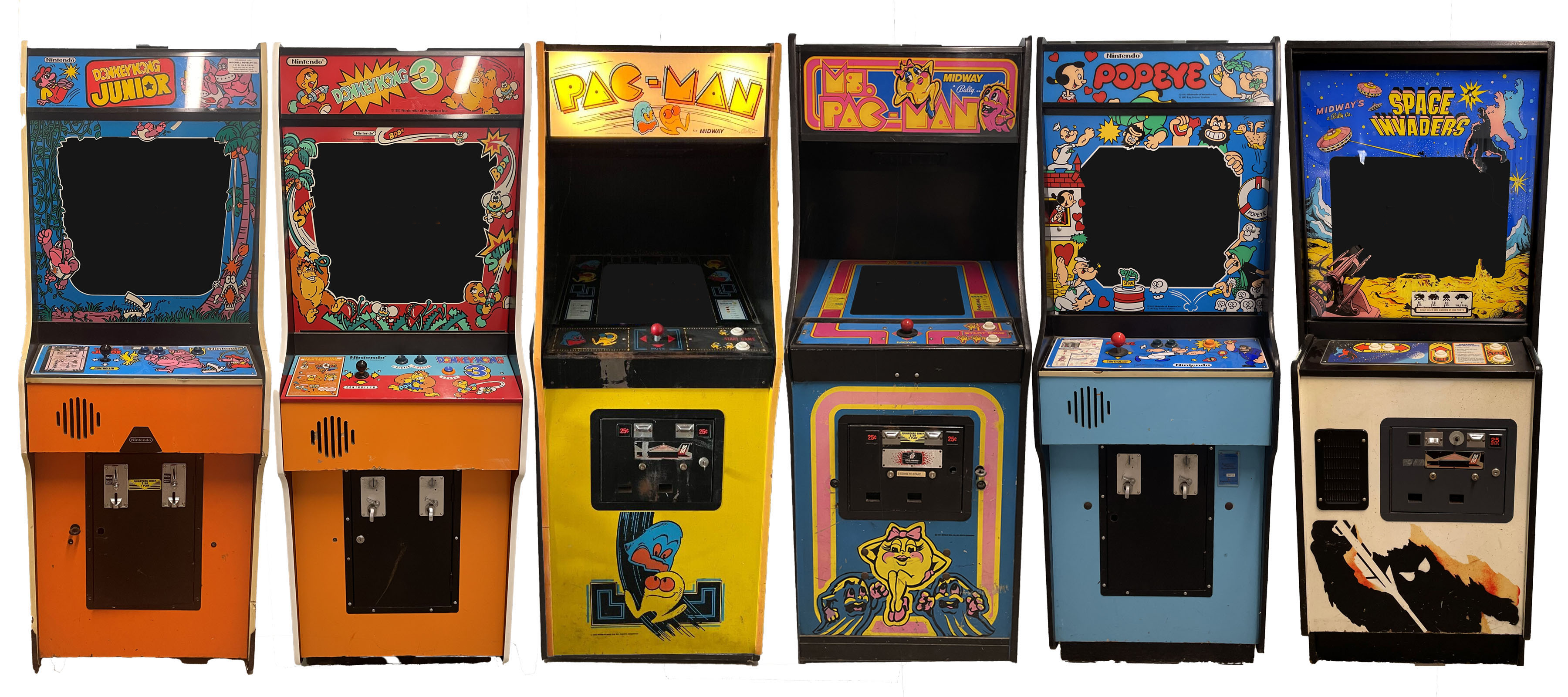
In 2026, arcade machine prices vary significantly based on rarity, condition, and hardware authenticity. Entry-level home reproductions typically cost between $400 and $900, while original dedicated classics from the 1980s generally range from $2,500 to $6,500. High-end pinball machines and rare "Grail" cabinets often exceed $12,000 in the current collector's market.
The market for arcade machines has evolved into a sophisticated landscape of nostalgia-driven collectors and modern home entertainment enthusiasts. Whether you are seeking a pristine Pac-Man cabinet for a dedicated game room or a modern multicade for a family basement, understanding the nuances of valuation is essential. As of 2026, the scarcity of original components—particularly functional Cathode Ray Tube (CRT) monitors—has become a primary driver of price appreciation for vintage units. This guide breaks down the financial expectations and technical considerations for every tier of the arcade market.
The Factors That Determine Arcade Machine Value
Several critical variables influence the price of an arcade cabinet. Unlike modern consumer electronics, arcade machines are judged on a blend of historical significance, physical preservation, and electronic reliability.
Authenticity and Cabinet Type
The highest premiums are reserved for Dedicated Cabinets. These are machines built by the original manufacturer (such as Atari, Nintendo, or Namco) specifically for one game. They feature original side art, unique control panels, and often specialized hardware like rotary joysticks or trackballs.
In contrast, Conversion Cabinets—original cabinets that were later "converted" to run a different game using a kit—are generally worth 30% to 50% less than their dedicated counterparts. Finally, Reproductions and Multicades (modern cabinets running emulators) occupy the lower end of the price spectrum, though high-end boutique builds can still command several thousand dollars.
The CRT vs. LCD Premium
By 2026, the supply of functional, burn-free CRT monitors has dwindled significantly. Enthusiasts who demand "pixel-perfect" authenticity will pay a substantial premium for a machine with a well-maintained original monitor. A machine that has been "LCD swapped"—where the original tube monitor was replaced with a modern flat screen—frequently sees a reduction in value among hardcore collectors, even though it may be more reliable for casual users.
Physical Condition and Restoration
The condition of the wood (typically particle board or plywood) is paramount. Cabinets that have suffered from "swelling" due to moisture or have significant "cigarette burns" on the control panel are valued as Project Cabinets. Professionally restored units, featuring new capacitors on the circuit boards, rebuilt power supplies, and high-quality vinyl graphics, represent the top of the market.
Price Ranges by Machine Category (2026 Data)
To help navigate the market, we have categorized arcade machines into four distinct tiers based on their historical era and build quality.
1. The Golden Age Classics (1978–1984)
These are the most iconic machines, such as Galaga, Donkey Kong, Asteroids, and Ms. Pac-Man. Because these machines are now over 40 years old, the cost is heavily dictated by the state of the electronics. A non-working "project" unit might sell for $800, while a showroom-quality restoration can easily fetch over $5,000.
2. The Fighting Game and 90s Era (1991–1999)
This era is dominated by the JAMMA (Japan Amusement Machine Association) standard, which made it easier to swap game boards. Street Fighter II, Mortal Kombat, and NBA Jam remain high-demand titles. These machines are often larger and heavier (25-inch monitors), which can increase shipping costs. Prices for these have stabilized in 2026 as Gen X and Millennial buyers seek to recreate their childhood arcades.
3. Japanese "Candy Cabs"
Sit-down plastic cabinets like the Sega Astro City or Taito Egret are known as Candy Cabs. These are highly prized for their ergonomic design and superior monitors. Because most must be imported from Japan, logistics play a huge role in their 2026 pricing. A clean, imported Candy Cab usually starts at $2,500 and goes up based on the included game board (PCB).
4. Modern Home Reproductions
Companies like Arcade1Up and AtGames have commercialized the "3/4 scale" market. These are lightweight, use LCD screens, and are designed for home assembly. While they do not hold value like original wood-and-wire machines, they offer the most accessible entry point for casual fans.
2026 Arcade Machine Price Comparison Table
The following table outlines the expected price ranges for various types of machines in the 2026 market.
| Machine Category | Condition | Estimated Price (2026) | Key Example Titles |
|---|---|---|---|
| Golden Age Dedicated | Restored/Mint | $4,500 – $7,500+ | Pac-Man, Tron, Centipede |
| Golden Age Dedicated | Player Grade | $2,200 – $3,800 | Galaga, Dig Dug, Q*bert |
| 90s Fighting/Sports | Restored/Mint | $3,500 – $5,500 | Street Fighter II, Mortal Kombat II |
| 90s Fighting/Sports | Player Grade | $1,800 – $2,800 | Tekken 3, Killer Instinct |
| Japanese Candy Cab | Refurbished | $2,800 – $4,500 | Sega Astro City, Blast City |
| Modern Reproduction | New/Boxed | $499 – $899 | Arcade1Up Deluxe Series |
| Boutique Multicade | Custom Build | $2,500 – $6,000 | Custom 4-Player MAME Cabinets |
| Pinball (Solid State) | Working | $5,000 – $15,000+ | Medieval Madness, Addams Family |
Identifying "Project" Machines vs. "Turnkey" Units
When browsing listings on platforms like Pinside or specialized arcade forums, you will encounter significant price discrepancies for the same title. This is usually due to the operational status of the machine.
Project Cabinets (The "Project Price")
A project machine is one that does not work or has significant cosmetic damage. In 2026, the "Project Price" for a standard cabinet is usually between $500 and $1,200. Buyers should be wary: while the initial price is low, the cost of a new PCB, monitor repair (cap kits), and shipping can quickly exceed the cost of a working unit. Only those with soldering skills and multimeters should pursue these.
Turnkey/Player Grade
A "Player Grade" machine is fully functional but may have minor cosmetic wear, such as scratches on the side art or a slightly dim monitor. These are the most common units found in home collections. They are reliable enough for daily play but haven't undergone a $2,000 professional restoration.
Museum/Collector Quality
These are machines that look as if they just rolled off the assembly line. They often feature new-old-stock (NOS) parts and pristine original art. These units are often sold through high-end auctions or specialized dealers rather than local classifieds.
Hidden Costs of Arcade Ownership
The sticker price of an arcade machine is rarely the final cost. In 2026, several secondary expenses must be factored into your budget:
- Shipping and Logistics: Arcade machines are heavy (250–450 lbs). Professional "white glove" shipping across the country can cost between $400 and $800. If the machine is on a pallet, you may need a lift-gate truck delivery.
- Power Protection: Vintage logic boards are sensitive to power surges. Investing in a high-quality surge protector or a dedicated power conditioner is recommended to protect the aging components.
- Maintenance Kits: If you own an original machine, you will eventually need a "cap kit" for the monitor (approx. $30 plus labor) and occasional joystick/button replacements.
- Specialized Tools: To open most machines, you will need security Torx bits and a multimeter for troubleshooting voltage levels on the power supply.
Where to Find Accurate Pricing Data
Because the arcade market is decentralized, prices can fluctuate by region. For the most accurate, real-time data in 2026, consult these resources:
- The Killer List of Videogames (KLOV): Operated by the International Arcade Museum, this remains the definitive database for production numbers and historical context.
- Auction Results: Check realized prices on eBay (filtered by "Sold") and dedicated auction houses like Heritage Auctions for high-end collectibles.
- Arcade Valuation Groups: Social media communities dedicated to arcade "Price Checks" provide current market sentiment and regional price adjustments.
Frequently Asked Questions
Is it cheaper to build a MAME cabinet or buy an original?
Building a MAME (Multiple Arcade Machine Emulator) cabinet is generally cheaper if you already have a PC and woodworking tools. A DIY build can cost between $600 and $1,200. However, an original cabinet holds its value or appreciates over time, whereas a DIY project often has a poor resale value.
Why are pinball machines so much more expensive than arcade cabinets?
Pinball machines are mechanical marvels with thousands of moving parts, complex wiring, and solenoids. Unlike an arcade machine, which is mostly a wooden box with a computer and a monitor, pinball machines require significantly more labor to manufacture and maintain, driving the entry-level price for a modern Stern Pinball machine to over $7,000 in 2026.
Does "matching serial numbers" matter for arcade prices?
For high-end collectors, matching serial numbers on the cabinet, the PCB (Printed Circuit Board), and the monitor can add a 10-20% premium. It proves the machine is "all original" and has not been cobbled together from various donor units.
How much does it cost to fix a "dead" arcade machine?
The cost depends on the failure. A blown power supply might cost $60 to replace. A dead CRT monitor might cost $200-$400 for professional repair. However, if the main game logic board (PCB) is "suicided" (a common issue with Capcom boards) or has severe battery acid leakage, repair may be impossible or cost as much as a new machine.
Are arcade machines a good investment in 2026?
While "Blue Chip" titles like Pac-Man and Donkey Kong have historically appreciated, arcade machines should be viewed primarily as a hobby. The market is influenced by the demographic of buyers; as younger generations enter the hobby, demand may shift from 80s classics to 90s and 2000s era machines.
Practical Recommendation for Buyers
If you are a first-time buyer in 2026, the most balanced approach is to look for a Player Grade 90s JAMMA cabinet. These machines offer the best reliability-to-price ratio. Because they use the JAMMA wiring standard, you can easily swap game boards or even install a "60-in-1" multigame PCB if you get bored with the original title. Always ask for a video of the machine running for at least 30 minutes to ensure the monitor does not "collapse" or lose color sync once it reaches operating temperature.