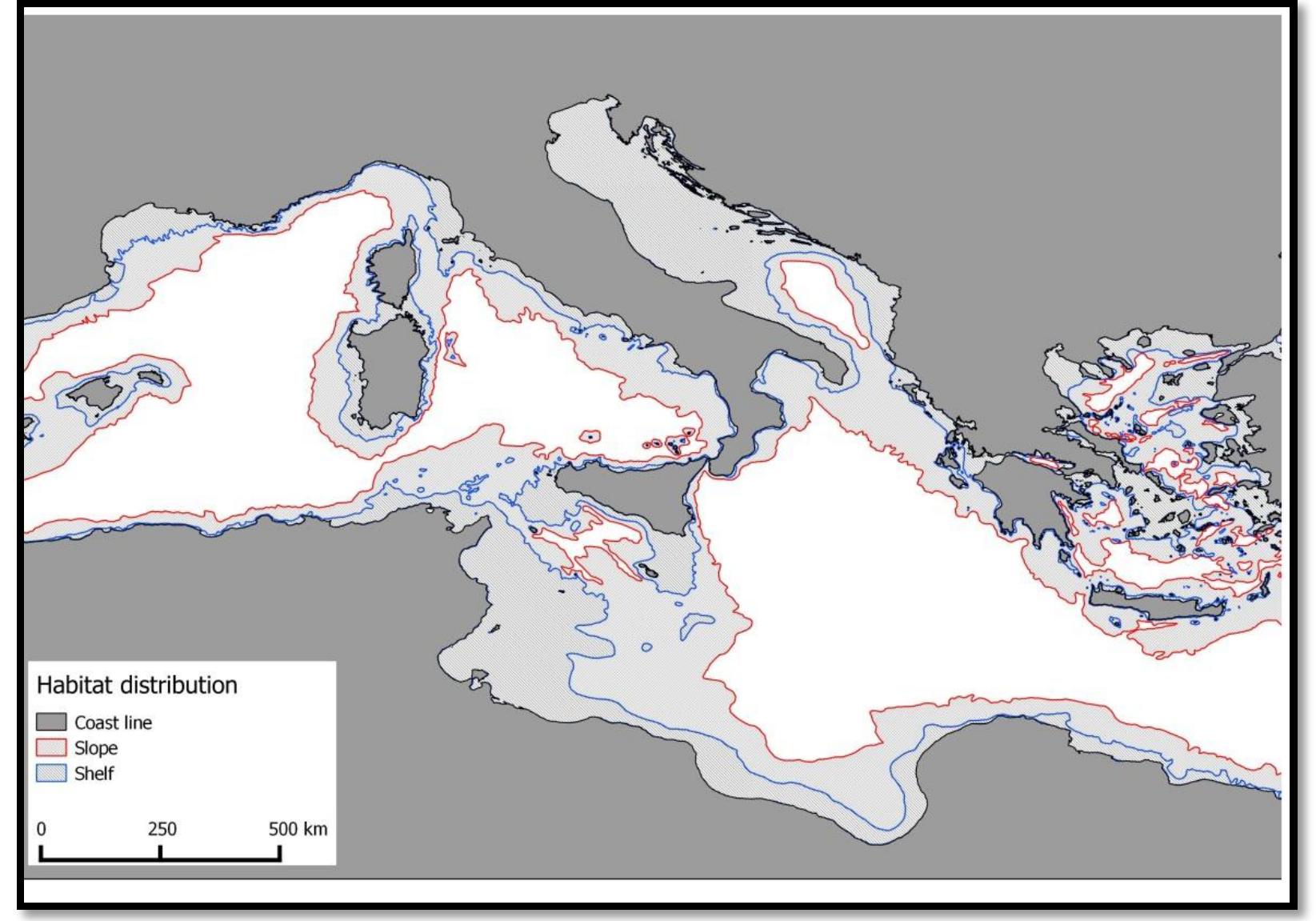
The aquatic habitat beyond the continental shelf, primarily encompassing the pelagic zone of the open ocean and the underlying abyssal plains, represents the Earth’s largest ecosystem. This vast region—the high seas and the deep ocean—functions independently of coastal terrestrial influence, relying on vertical nutrient cycling, complex currents, and specialized adaptations to sustain life in extreme pressure, cold, and darkness.
Defining the Pelagic and Benthic Domains
To understand the ocean beyond the continental shelf, one must differentiate between the water column and the seafloor. The continental shelf is the submerged edge of a continent, typically extending to a depth of about 150 to 200 meters. Beyond this point, the seafloor drops sharply along the continental slope, leading into the deep-ocean basins.
The Pelagic Realm
The pelagic zone refers to the entirety of the water column. Beyond the continental shelf, it is divided into distinct layers based on light penetration:
- Epipelagic Zone (0–200m): The sunlit layer where photosynthesis occurs. This is the only zone where primary production is sufficient to support a complex food web.
- Mesopelagic Zone (200–1,000m): Known as the "twilight zone," this region receives enough light for vision but not for photosynthesis.
- Bathypelagic, Abyssopelagic, and Hadalpelagic Zones: These layers extend from 1,000 meters to the bottom of the deepest trenches. They are characterized by total darkness, constant near-freezing temperatures, and extreme hydrostatic pressure.
The Benthic Realm
The benthic environment encompasses the ocean floor beyond the shelf. This includes the continental rise, the abyssal plains (the vast, flat, deep-sea floors), and deep-sea trenches. In these regions, life is not supported by sunlight but by "marine snow"—the constant rain of organic detritus, fecal matter, and carcasses falling from the surface layers—or via chemosynthesis at hydrothermal vents and cold seeps.
Physical and Chemical Characteristics
The aquatic habitat beyond the shelf is defined by parameters that would be lethal to most shallow-water or terrestrial organisms. Survival here requires specialized physiological and behavioral adaptations.
Hydrostatic Pressure
For every 10 meters of depth, pressure increases by approximately one atmosphere. At the bottom of the Mariana Trench, the pressure exceeds 1,000 atmospheres. To survive this, organisms often lack gas-filled bladders, which would collapse under pressure. Instead, they possess gelatinous bodies, incompressible fluids, and high concentrations of piezolytes (small molecules that prevent protein distortion under pressure).
Temperature and Light
Except for the epipelagic zone, the ocean beyond the shelf is perpetually cold, typically ranging between 0°C and 4°C. This constant temperature facilitates high oxygen solubility but slows metabolic rates. Light is non-existent below the mesopelagic zone, forcing many species to rely on bioluminescence for communication, camouflage (counter-illumination), and attracting prey.
Nutrient Limitation
Primary productivity is concentrated near the surface. In the deep ocean, nutrients are scavenged. Species have evolved highly efficient energy-conservation strategies, such as sedentary lifestyles or "sit-and-wait" predation, to survive the scarcity of food.
Biological Diversity and Trophic Structures
The biodiversity beyond the shelf is structured by the vertical migration of organisms and the reliance on deep-sea nutrient sources.
| Zone | Primary Energy Source | Key Biological Feature |
|---|---|---|
| Epipelagic | Solar Radiation | High biomass, photosynthetic plankton |
| Mesopelagic | Marine Snow / Migration | Diel vertical migration of mid-water fish |
| Bathypelagic | Marine Snow | Reduced metabolism, bioluminescent lures |
| Abyssal/Hadal | Marine Snow / Chemosynthesis | Specialized scavengers, high-pressure adaptation |
Diel Vertical Migration
One of the most significant biological phenomena in the ocean is the daily migration of zooplankton and small fish from the deep mesopelagic zone to the epipelagic zone at night. They feed in the nutrient-rich surface waters under the cover of darkness and descend at dawn to avoid predators. This migration is the largest synchronized movement of biomass on the planet and plays a crucial role in the global carbon cycle by transporting surface-derived carbon to the deep sea.
Human Impact and Operational Challenges
Human interaction with habitats beyond the continental shelf is restricted by extreme logistics, yet it is growing due to industrial interests.
Resource Extraction
The seabed beyond the shelf contains polymetallic nodules, cobalt crusts, and massive sulfides. The extraction of these resources remains a subject of intense scientific and regulatory scrutiny. The International Seabed Authority (ISA) is tasked with organizing and controlling mineral-related activities in the international seabed area, which constitutes the "Common Heritage of Mankind."
Scientific Research Requirements
Conducting research in these habitats requires advanced remotely operated vehicles (ROVs), autonomous underwater vehicles (AUVs), and deep-submergence crewed submersibles. Costs are prohibitive, and data collection is often limited to small geographic snapshots. Because these ecosystems function on time scales different from human life (many deep-sea species grow and reproduce very slowly), assessing the impact of human disturbance is exceptionally difficult.
Common Research and Conservation Questions
Navigating the complexity of deep-ocean ecosystems often leads to recurring questions about their stability and global importance.
How does the deep ocean affect climate change?
The ocean acts as a massive carbon sink. Through the "biological pump," organic matter is sequestered in the deep ocean for centuries or millennia. Disrupting the seafloor or changing the composition of the mid-water communities could potentially release stored carbon back into the system.
What are hydrothermal vents?
These are geologically active fissures on the seafloor that release superheated, mineral-rich water. Unlike the rest of the deep ocean, these sites support high-density communities that rely on chemosynthetic bacteria—organisms that derive energy from chemicals like hydrogen sulfide rather than sunlight.
Are these habitats protected?
Protection is fragmented. While nations manage their Exclusive Economic Zones (EEZs), the high seas (the water column beyond 200 nautical miles of any coast) fall under international law, primarily the United Nations Convention on the Law of the Sea (UNCLOS). In 2026, international efforts continue to focus on the High Seas Treaty, which aims to create marine protected areas in international waters.
How do deep-sea animals find mates in the dark?
Many deep-sea creatures use bioluminescence to signal potential mates. Others, like certain species of anglerfish, utilize extreme sexual parasitism, where the male physically fuses with the larger female, effectively becoming a permanent provider of sperm.
What is the biggest threat to these habitats?
While climate change and ocean acidification are systemic threats, localized risks include deep-sea mining, bottom trawling in vulnerable areas of the continental slope, and the potential accumulation of microplastics and industrial pollutants that settle into the deep-sea trenches.
Future Outlook and Best Practices for Stewardship
The ocean beyond the continental shelf is not a static void but a dynamic, interconnected engine of global life. Protecting it requires a move toward the "precautionary principle." Given that our understanding of these deep-water communities remains incomplete, any industrial activity must be preceded by long-term environmental impact assessments and rigorous baseline biological surveys.
For those interested in the preservation of these regions, tracking the progress of global oceanic treaties and supporting organizations dedicated to deep-sea mapping are essential steps. The next decade of oceanography is focused on "The Deep Ocean Observing Strategy," which aims to coordinate the collection of physical, chemical, and biological data globally to inform policy.