Anna Nicole Smith remains one of the most polarizing and fascinating cultural figures of the late 20th and early 21st centuries. Her recorded statements, interviews, reality television appearances, and public trials offer a raw, complex window into fame, media scrutiny, and the American dream.
Anna Nicole Smith’s quotes capture a complex public persona that oscillated between calculated Hollywood glamour, vulnerability, and sharp self-awareness. Her remarks on fame, wealth, beauty, and survival reflect both the manufactured innocence of tabloid culture and a genuine instinct for self-preservation amid intense public pressure.
The Cultural Context of Anna Nicole Smith’s Public Persona
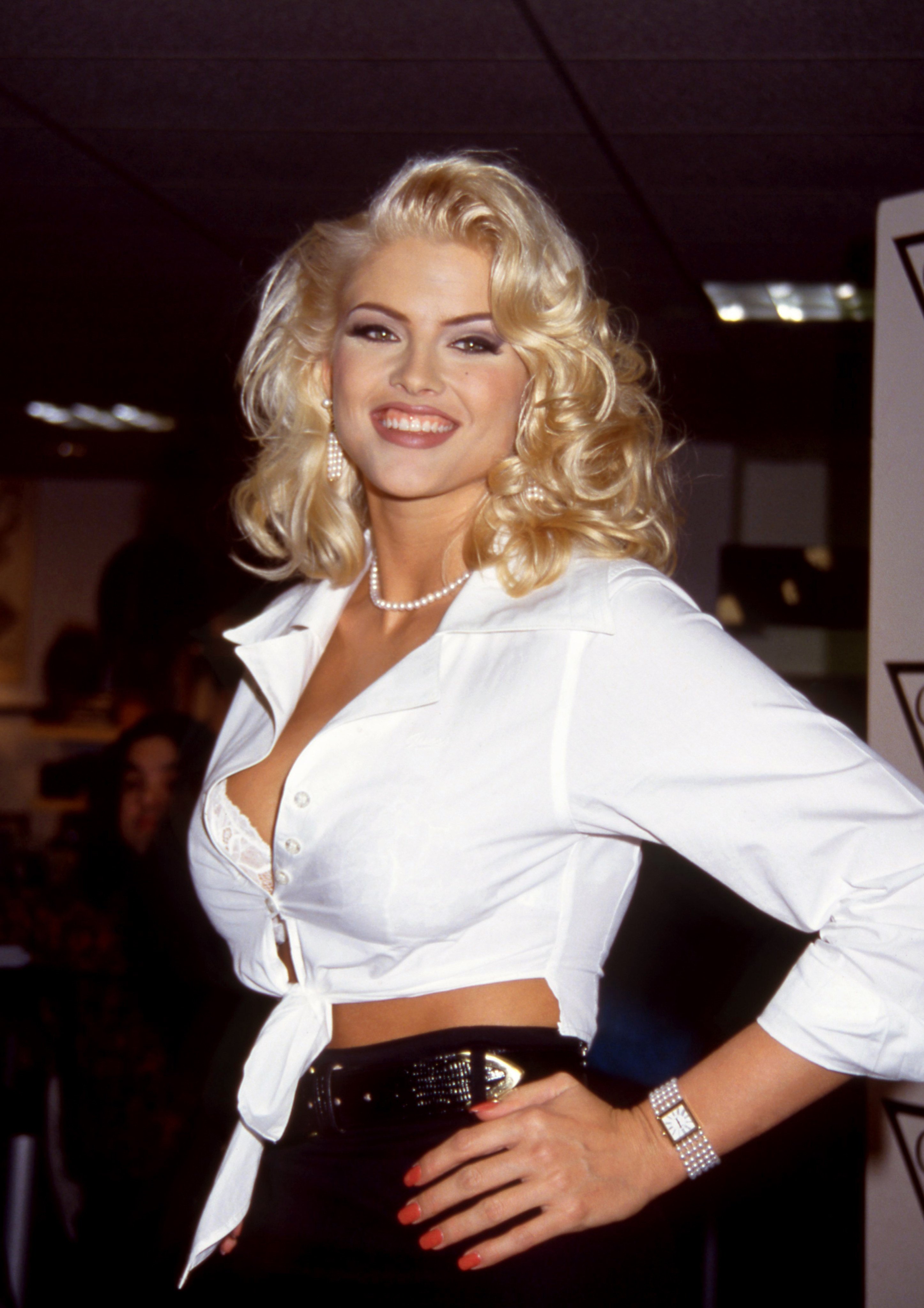
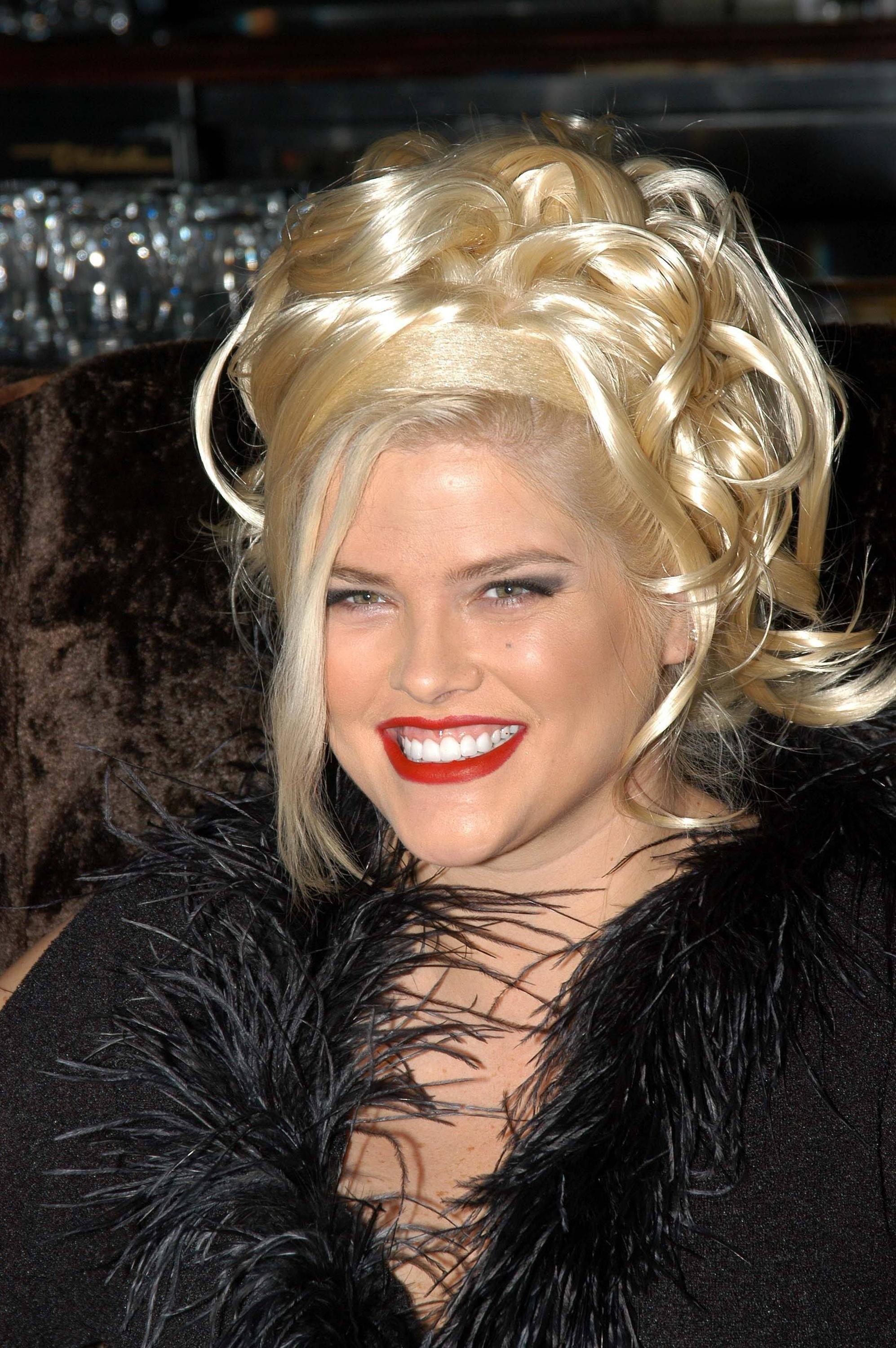
To understand the weight and enduring interest surrounding Anna Nicole Smith's quotes, one must examine the media landscape of the 1990s and 2000s. Born Vickie Lynn Hogan in Mexia, Texas, she transformed herself into a global icon, modeling for Guess, appearing on the cover of Playboy, and starring in her own E! reality television show, The Anna Nicole Show.
During this era, celebrity journalism thrived on a specific archetype: the blonde bombshell whose personal life was treated as public property. Media outlets frequently framed Smith through a reductive lens, emphasizing a perceived naivety. However, a closer examination of her spoken words reveals a sharp awareness of how the media operated. She often played into the expectations of interviewers while maintaining a distinct sense of humor about her own notoriety.
Her statements are typically categorized across several major themes:
- Reflections on beauty, glamour, and physical presentation
- Commentary on wealth, marriage, and class mobility
- Responses to relentless tabloid scrutiny and public judgment
- Candid, unscripted moments from her reality television series
Quotes on Beauty, Glamour, and the Iconography of Stardom
Anna Nicole Smith consciously modeled her look after classic Hollywood icons like Marilyn Monroe and Jayne Mansfield. Her understanding of glamour was not accidental; it was a constructed armor designed to navigate a predatory industry.
When discussing her appearance and the effort required to maintain a public image, Smith frequently pointed out the immense labor behind the illusion. Her quotes on beauty often highlighted the disparity between the fantasy sold to the public and the reality of living under a microscope.
- On Marilyn Monroe comparisons: Smith frequently rejected simple imitation while acknowledging the spiritual kinship she felt with Monroe. She noted in various interviews that while people drew parallels between their lives, she was carving out her own distinct path through modern media.
- On physical presentation: Recognizing the transactional nature of the modeling and entertainment industries, she understood that her visual identity was her primary asset. Her commentary on photo shoots and public appearances demonstrated a business-like approach to her own brand, long before modern social media influencer culture codified the practice.
Wealth, Marriage, and the Public Narrative
Perhaps the most scrutinized aspect of Smith's life was her marriage to billionaire oil tycoon J. Howard Marshall II when she was 26 and he was 89, followed by the ensuing, decades-long legal battles over his estate that eventually reached the Supreme Court of the United States (Marshall v. Marshall).
Public discourse surrounding these events often attempted to reduce Smith to a caricature of a gold digger. Yet, her statements during interviews and depositions reveal a woman who was acutely aware of the transactional nature of her relationships and the intense class prejudice directed at her from the establishment.
She navigated aggressive interviewers—such as Larry King and Barbara Walters—with a mix of deflection and surprising candor. When questioned about her motives, Smith consistently maintained her ground, asserting her agency in a world that sought to strip it away. Her legal battles forced her into the public legal arena, where her spoken and written words became permanent records scrutinized by judges and juries alike.
| Context / Arena | Primary Subject of Statements | Public / Media Reception | Underlying Reality |
|---|---|---|---|
| Modeling & Fashion | Guess campaigns, Playboy features, physical presentation | Celebrated for physical aesthetic; often dismissed intellectually | Highly strategic self-branding and awareness of industry machinery |
| High-Profile Marriage | Relationship with J. Howard Marshall II | Condemned by tabloid media and moral commentators | Complex legal, financial, and personal entanglement |
| Estate Litigation | Inheritance claims, Supreme Court hearings | Portrayed as a relentless fortune hunter | Pursuit of financial security amid intense legal opposition |
| Reality Television | Domestic life, eccentric behavior, daily routines | Watched as campy entertainment and spectacle | A mix of performance art and authentic vulnerability |
The Impact of Tabloid Culture and Reality Television
Long before the advent of smartphone culture and Instagram, The Anna Nicole Show (which aired from 2002 to 2004) offered an early blueprint for the modern structured reality television genre. The show documented her eccentric lifestyle, her legal struggles, and her relationship with her attorney Howard K. Stern.
In this environment, Smith’s quotes often blurred the line between satire and sincerity. She possessed a deadpan comedic timing that frequently went over the heads of viewers who preferred to laugh at her rather than with her.
Key Elements of Her Unscripted Commentary
- Self-Deprecation: Smith was often the first to poke fun at her own sprawling lifestyle and media missteps, disarming critics by acknowledging her flaws before they could exploit them.
- Resilience Under Duress: Despite facing unimaginable personal tragedies—including the sudden death of her son, Daniel Smith, in 2006, just days after the birth of her daughter, Dannielynn—her public statements reflected a desperate desire to persevere for the sake of her surviving child.
- Defiance Against Judgment: When addressing her critics, Smith routinely emphasized that outsiders knew nothing about her internal life, her private struggles, or her maternal dedication.
Frequently Asked Questions About Anna Nicole Smith
What are Anna Nicole Smith’s most famous quotes?
While she did not produce traditional literary aphorisms, her television interviews yielded countless memorable lines. Her playful exchanges with late-night hosts and journalists—characterized by a breathless, high-pitched vocal delivery and sudden bursts of laughter—remain culturally iconic representations of early 2000s celebrity culture.
How did Anna Nicole Smith view her public image?
Smith understood that the media had created a two-dimensional character bearing her name. While she sometimes leveraged this persona for commercial gain, her deeper interviews reveal frustration with the lack of empathy and the refusal of the public to recognize her intelligence and emotional depth.
What was the legal significance of her quotes and depositions?
Because much of Smith's life was tied to high-stakes litigation over the Marshall estate, her statements in legal depositions and courtrooms were heavily analyzed by attorneys. These legal records provide a stark contrast to her bubbly television persona, revealing a focused, protective individual navigating complex federal and state legal frameworks.
Are there official collections of her interviews and statements?
There is no single authorized volume dedicated solely to her quotes, but her life and words are extensively documented in biographical works, television documentaries (such as Netflix's Anna Nicole Smith: You Don't Know Me), and archival court transcripts from her estate battles.
Conclusion and Legacy
Anna Nicole Smith’s legacy extends far beyond the sensational headlines that dominated her life. Her quotes and public statements serve as primary source material for examining how society treats vulnerable women in the public eye. By looking past the tabloid caricature, modern audiences can appreciate a resilient figure who navigated extreme wealth, poverty, fame, and tragedy on her own terms. Her voice—whether laughing on a reality show or defending her rights in a courtroom—remains an indelible artifact of modern pop culture history.