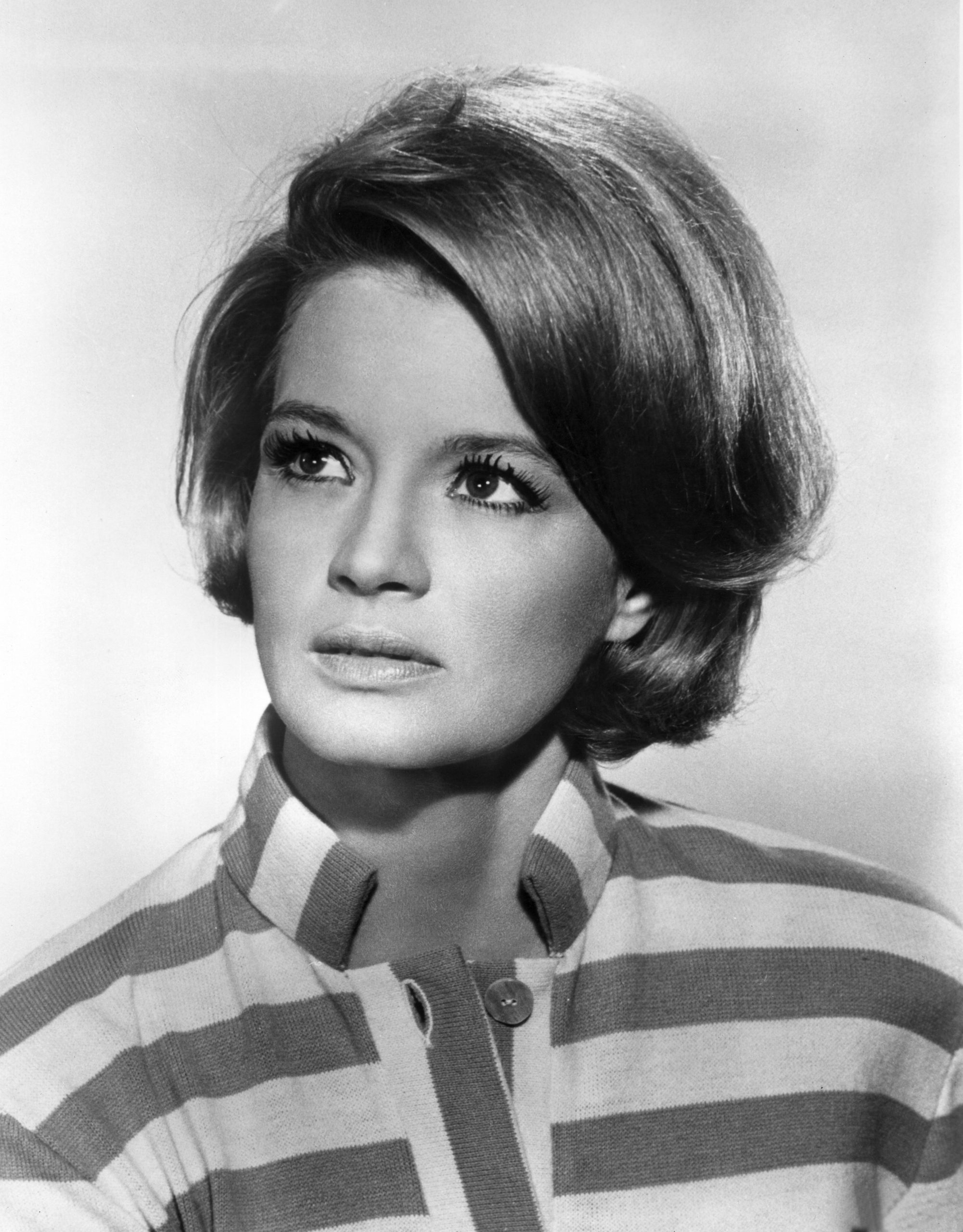
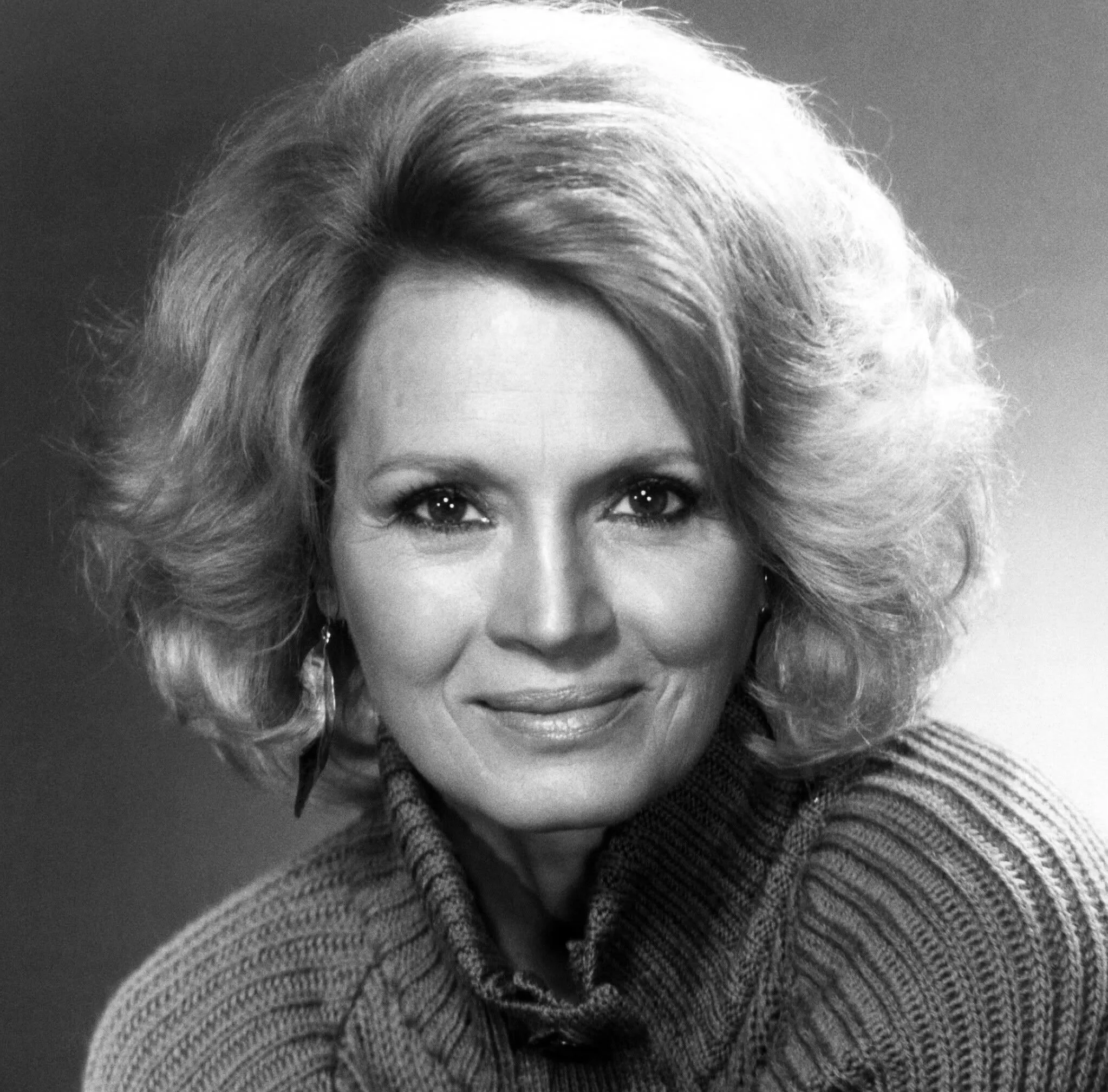
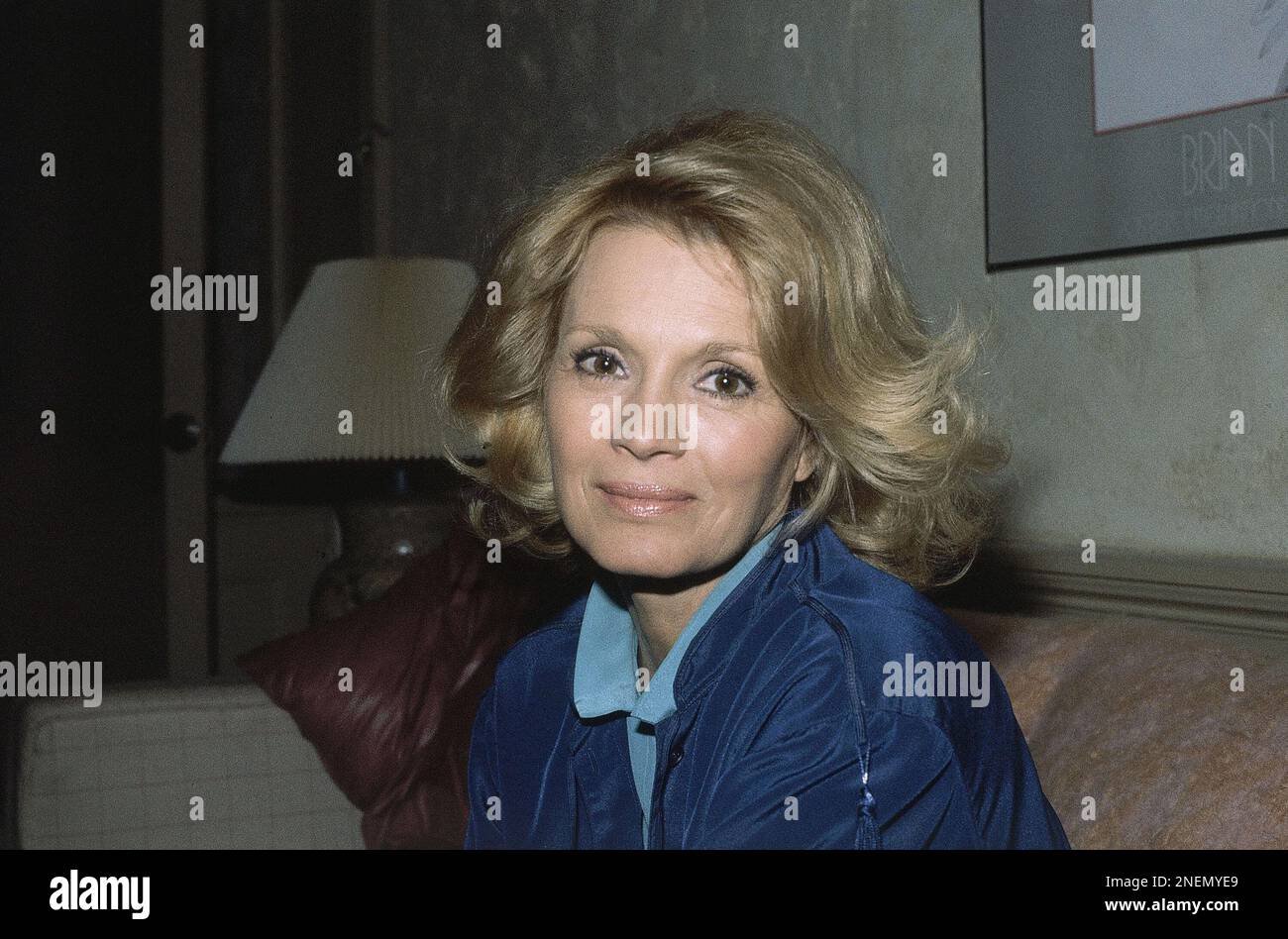
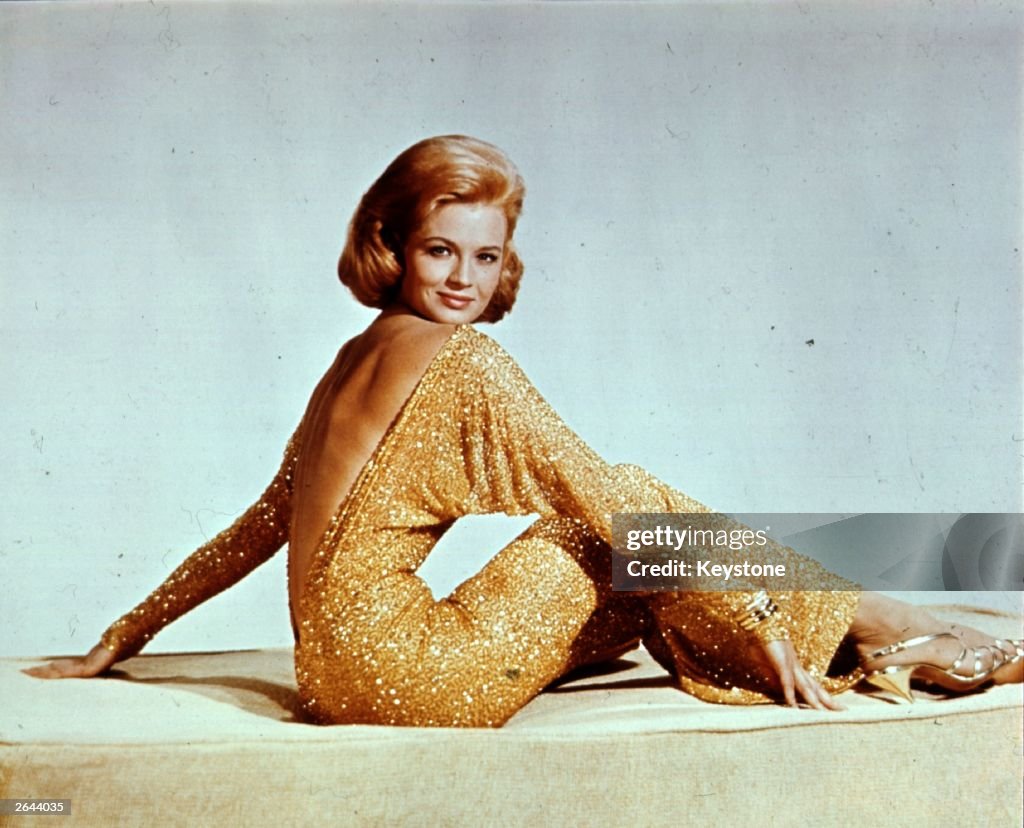
Angie Dickinson is a definitive American actress whose career spans the transition from the Golden Age of Hollywood to the gritty realism of New Hollywood and the rise of prestige television. Known for her breakthrough role in Rio Bravo and her trailblazing turn in Police Woman, she remains an enduring icon of professional glamour, wit, and resilience.
The Early Years: From North Dakota to the Burbank Studios
Born Angeline Brown on September 30, 1931, in Kulm, North Dakota, the future icon moved to Burbank, California, at age 10. Her early life was far removed from the glitz of the silver screen. The daughter of a small-town newspaper publisher, she grew up with a pragmatic worldview that would later define her professional work ethic.
Before her name was synonymous with Hollywood stardom, Dickinson worked as a secretary at a Burbank airplane factory. Her entry into the entertainment industry was not the result of a lifelong childhood dream but rather a series of practical opportunities. After entering a beauty pageant in 1953 and placing second, she caught the attention of television producers. This led to her early appearances on variety shows and guest spots in westerns and police procedurals.
During the mid-1950s, she refined her craft in the "testing ground" of television, appearing in series like Death Valley Days and The Lineup. These early roles were often decorative, yet even then, critics noted a specific screen presence—a combination of intelligence and approachability that set her apart from the standard "starlet" archetype of the era. By the time she signed a contract with Warner Bros., she had already developed the poise of a seasoned professional, ready for her major cinematic debut.
The 1959 Breakthrough: 'Rio Bravo' and the Birth of 'Feathers'
The turning point in Angie Dickinson’s career came when director Howard Hawks cast her as "Feathers" in the 1959 classic Rio Bravo. Starring opposite John Wayne and Dean Martin, Dickinson was tasked with a difficult challenge: playing a female lead who could hold her own in a male-dominated Western without losing her feminine allure.
The character of Feathers became the ultimate "Hawksian Woman." She was fast-talking, independent, and capable of matching John Wayne’s rugged persona with verbal sparring and emotional depth. The chemistry between the 27-year-old Dickinson and the 51-year-old Wayne was palpable and helped ground the film’s romantic subplot.
Rio Bravo did more than just establish her as a leading lady; it created the blueprint for the "Angie Dickinson persona." She was not a damsel in distress, nor was she a stereotypical femme fatale. Instead, she represented a modern, self-assured woman who navigated dangerous environments with a cool head and a sharp tongue. This role earned her the Golden Globe for "Most Promising Newcomer," a prediction that proved remarkably accurate as she moved into the 1960s.
The Rat Pack Era and the 1960s Cultural Landscape
Following the success of Rio Bravo, Dickinson became one of the most visible actresses in Hollywood. Her social and professional circles often overlapped with the "Rat Pack," the group of entertainers led by Frank Sinatra, Dean Martin, and Sammy Davis Jr. She famously starred as Beatrice Ocean in the original Ocean's 11 (1960), playing the wife of Sinatra's Danny Ocean.
While often associated with the glamour of the Rat Pack, Dickinson’s work in the 1960s showed significant range. She avoided being pigeonholed into purely romantic roles by choosing projects with grit and substance.
- The Killers (1964): In this neo-noir directed by Don Siegel, she played Sheila Farr, a role that showcased her ability to play complex, morally ambiguous characters. The film is also notable for being Ronald Reagan's final acting role before entering politics.
- The Chase (1966): Starring alongside Marlon Brando, Jane Fonda, and Robert Redford, Dickinson held her own in a high-stakes ensemble drama that explored themes of social injustice and violence in a small Southern town.
- Point Blank (1967): This John Boorman masterpiece is often cited by film historians as one of the most important movies of the decade. As Chris, Dickinson played a vital role in a stylized, avant-garde crime thriller starring Lee Marvin. Her performance was understated yet powerful, proving she was a perfect fit for the burgeoning "New Hollywood" movement.
Throughout this decade, Dickinson became a fashion icon. Her look—often characterized by chic suits, sophisticated evening wear, and her signature blonde hair—defined the "cool" aesthetic of the 1960s. However, she famously maintained that her career was built on work rather than just image, a sentiment she carried into her most influential project in the 1970s.
'Police Woman': Shattering the Glass Ceiling of Television
In 1974, Angie Dickinson took a role that would fundamentally change the landscape of American television. As Sergeant "Pepper" Anderson in Police Woman, she became the first woman to headline a successful, hour-long dramatic police series.
Before Police Woman, female characters in crime dramas were almost exclusively victims, secretaries, or romantic interests. Sgt. Pepper Anderson was a revolution. She was an undercover officer who was skilled with a firearm, capable in hand-to-hand combat, and intellectually superior to many of her criminal adversaries.
The impact of the show extended far beyond Nielsen ratings:
- Recruitment: Following the show's debut, police departments across the United States reported a massive surge in female applicants. Dickinson’s portrayal of a professional, capable officer made the career path visible and aspirational for a generation of women.
- Narrative Shift: The series proved that audiences would tune in for a female-led action drama. This paved the way for future shows like Cagney & Lacey, The X-Files, and the various Law & Order spinoffs.
- Critical Recognition: Dickinson received three consecutive Emmy nominations for Best Lead Actress in a Drama Series and won a Golden Globe for the role in 1975.
Police Woman ran for four seasons (1974–1978). It solidified Dickinson's status as a household name and a symbol of female empowerment. Even decades later, she is frequently cited by female law enforcement officers as a primary inspiration for their careers.
Navigating the 1980s: 'Dressed to Kill' and Creative Resilience
As Dickinson entered the 1980s, she faced the challenge that many actresses of her generation encountered: finding meaningful roles as a mature woman in an industry obsessed with youth. Rather than fading into the background, she delivered one of the most talked-about performances of her career in Brian De Palma’s 1980 psychological thriller Dressed to Kill.
Playing Kate Miller, a sexually frustrated housewife who meets a tragic end, Dickinson displayed a vulnerability and daring that surprised many critics. The film’s opening sequence—a lengthy, wordless scene in a museum—is still studied in film schools for its masterful use of gaze and tension. While the film was controversial for its violence and explicit themes, Dickinson’s performance was hailed as a courageous departure from her previous work.
During the 80s and 90s, she remained a frequent presence on television and in film, often taking roles that played on her iconic status. Whether appearing in the miniseries Hollywood Wives or making a cameo in the 2001 remake of Ocean's Eleven, she maintained a level of dignity and class that few of her contemporaries could match.
The Icon: "The Best Legs in America" and the Public Image
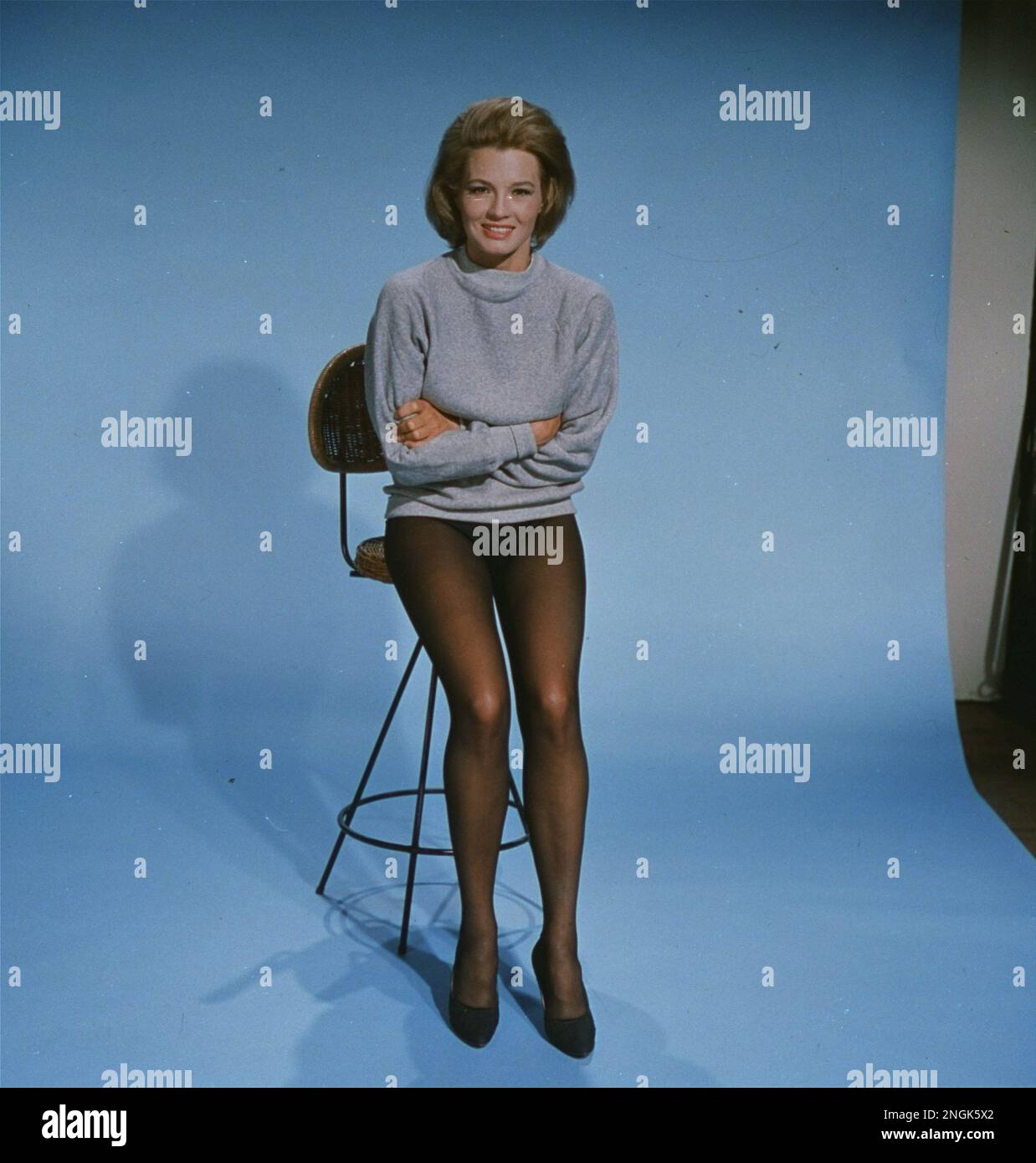
No discussion of Angie Dickinson is complete without addressing her status as a quintessential American beauty icon. In the 1960s and 70s, she was famously dubbed as having "the best legs in America," a title reinforced by a legendary $1 million insurance policy taken out on her legs by Lloyds of London.
However, Dickinson’s "icon" status was built on more than physical attributes. She possessed a specific type of Hollywood intelligence. She was famously witty in interviews, often poking fun at her own image while remaining fiercely protective of her professional standards. She was a woman who could be a sex symbol without being a "sex object"—a nuance that allowed her career to outlast many of the more transient stars of her era.
Her personal life also contributed to her mystique. Her marriage to legendary composer Burt Bacharach (1965–1981) made them one of the most glamorous "power couples" of the time. Together, they navigated the highs of fame and the personal tragedy of their daughter Lea’s health struggles, a chapter of her life Dickinson handled with characteristic privacy and strength.
Legacy and Impact as of 2026
Standing in 2026, the legacy of Angie Dickinson is clearer than ever. She is viewed not just as a survivor of the Hollywood system, but as a pioneer who actively shaped it. In an era where female-led action films and police procedurals are the norm, Dickinson is recognized as the "ancestor" of the modern female protagonist.
Her influence is felt in several key areas:
- The Procedural Formula: Modern shows featuring female leads in law enforcement owe a direct debt to the groundwork laid by Police Woman.
- Longevity: She remains a model for how to navigate a multi-decade career with grace, transitioning from a "blonde bombshell" to a respected dramatic lead and eventually a venerable elder stateswoman of the industry.
- Cultural Style: Her blend of 1950s poise and 1970s independence continues to influence fashion designers and actors who seek to project a "timeless" Hollywood aura.
Career Highlights and Notable Works
The following table summarizes the key milestones in Angie Dickinson's career, highlighting the diversity of her roles and her impact on different mediums.
| Year | Title | Role | Format | Significance |
|---|---|---|---|---|
| 1959 | Rio Bravo | Feathers | Film | Breakthrough role; Golden Globe winner for New Star. |
| 1960 | Ocean's 11 | Beatrice Ocean | Film | Established her association with the Rat Pack. |
| 1964 | The Killers | Sheila Farr | Film | Demonstrated her range in the neo-noir genre. |
| 1967 | Point Blank | Chris | Film | Pivotal role in a New Hollywood classic. |
| 1974–78 | Police Woman | Sgt. Pepper Anderson | TV | First successful female-led hour-long police drama. |
| 1980 | Dressed to Kill | Kate Miller | Film | Critically acclaimed turn in psychological horror. |
| 1993 | Even Cowgirls Get the Blues | Miss Adrienne | Film | Collaborated with acclaimed director Gus Van Sant. |
| 2001 | Ocean's Eleven | Boxing Spectator | Film | A symbolic cameo in the remake of her 1960 hit. |
Frequently Asked Questions
What was Angie Dickinson's most famous role?
While film buffs point to Rio Bravo as her most iconic cinematic turn, her role as Sergeant "Pepper" Anderson in the TV series Police Woman (1974–1978) is arguably her most famous and culturally significant work. It made her a global superstar and changed how women were portrayed on television.
Did Angie Dickinson really have her legs insured for $1 million?
Yes. During the height of her fame in the 1960s, a $1 million insurance policy was taken out on her legs through Lloyds of London. This was a common publicity and protection tactic for major stars of the era, but in Dickinson’s case, it helped solidify her status as one of Hollywood's premier beauty icons.
Was Angie Dickinson part of the Rat Pack?
While she wasn't an "official" member like Frank Sinatra or Dean Martin, she was a very close friend and frequent collaborator. She was often referred to as an honorary member or the "mascot" of the group. She was one of the few women who could hold her own in their social and professional circles without being overshadowed.
How did Police Woman influence real-world law enforcement?
The show is credited with significantly increasing the number of women applying for positions in the police force during the mid-to-late 1970s. By showing a woman performing dangerous, high-stakes police work with competence and professionalism, it broke down social barriers regarding what "women's work" could be.
Is Angie Dickinson still active in the industry in 2026?
By 2026, Angie Dickinson has largely retired from active performing, enjoying her status as a living legend. However, she remains a frequent subject of retrospectives, documentaries, and film festival tributes, where she is celebrated for her immense contribution to both film and television history.
Summary and Next Steps
To truly appreciate the scope of Angie Dickinson's career, one must look past the "icon" label and examine the work itself. Her performances in the late 1950s and 60s provided a bridge from old-school glamour to modern realism, and her television work in the 70s broke cultural barriers that still resonate today.
For those looking to explore her filmography, a modern viewing should begin with Rio Bravo to see her classic Hollywood screen presence, followed by Point Blank for a taste of her dramatic range, and a few episodes of Police Woman to understand the cultural shift she spearheaded. Angie Dickinson was never just an actress or just an icon; she was a professional who transformed the possibilities for every woman who followed her onto the screen.