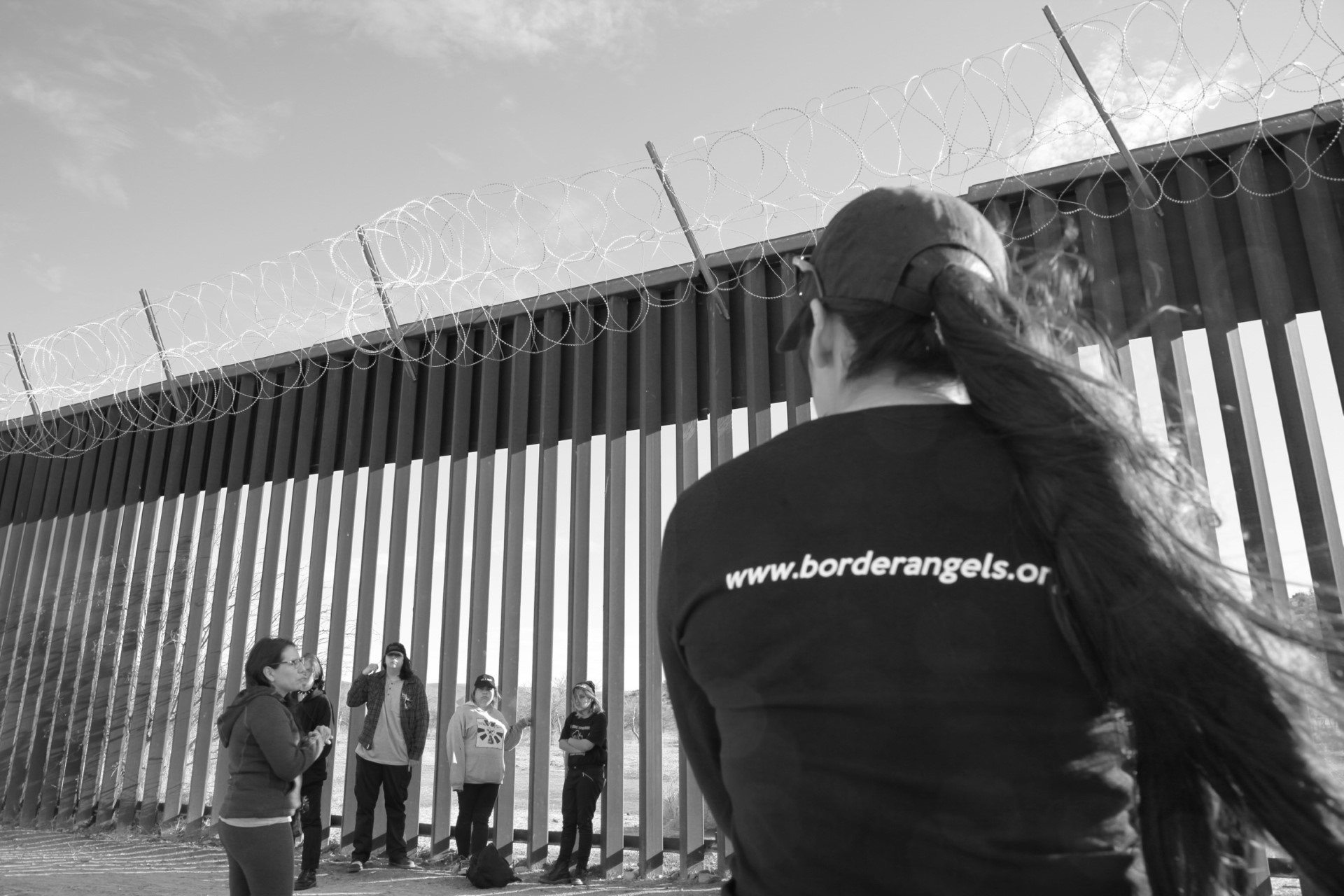
Angels on the Border refers primarily to humanitarian organizations and volunteers, most notably the non-profit Border Angels (Ángeles de la Frontera), dedicated to preventing migrant deaths through direct action. Their work involves placing water in high-risk desert corridors, providing legal advocacy, supporting migrant shelters, and educating the public on the realities of the United States-Mexico border.
The humanitarian crisis at the border is a complex intersection of international policy, environmental hazards, and human rights. For decades, thousands of individuals have lost their lives attempting to cross the harsh terrain of the Imperial Valley and the Sonoran Desert. The "Angels" operating in these regions act as a last line of defense against dehydration and exposure, operating under a philosophy that human life must be preserved regardless of legal status. As we look at the landscape in 2026, these organizations continue to evolve, adapting to new migration patterns and shifting legislative environments.
The Historical Context of Humanitarian Aid at the Border
To understand the necessity of "Angels on the border," one must examine the shift in U.S. border enforcement strategy during the 1990s. The implementation of "Prevention Through Deterrence" significantly altered the migration landscape. By fortifying traditional crossing points in urban areas like San Diego and El Paso, authorities effectively funneled migration flows into the most dangerous and remote geographic regions, such as the mountains and deserts.
The expectation was that the natural environment would serve as a deterrent. However, migration did not stop; instead, it became exponentially more lethal. Organizations like Border Angels, founded by Enrique Morones in 1986, saw the immediate impact of these policies. The death toll rose as migrants faced extreme temperatures, often exceeding 110 degrees Fahrenheit (43°C) in the summer and dropping below freezing in the winter.
The Evolution of Advocacy
In the early years, the work was primarily focused on providing immediate relief—water and food. However, as the 2000s and 2010s progressed, the scope of these "Angels" expanded. They began to address the systemic issues causing the crisis. This included advocating for comprehensive immigration reform, providing "Know Your Rights" training to day laborers, and establishing a presence in migrant shelters along the Mexican side of the border. By 2026, the movement has become a sophisticated network of legal experts, environmentalists, and community organizers.
Core Initiatives and Survival Programs
The work of border humanitarians is multifaceted, ranging from physical labor in the desert to complex litigation in federal courts. Each program is designed to address a specific point of vulnerability in the migrant journey.
Water Drops: A Lifeline in the High Desert
The most iconic and physically demanding work involves water drops. Volunteers hike miles into rugged terrain—often through the Ocotillo desert or the Jacumba Mountains—to leave gallon jugs of water in areas known for high migrant traffic.
- Route Mapping: Teams use GPS data and historical records of migrant sightings or remains to identify high-need areas.
- Deployment: Volunteers carry heavy loads of water, usually four to six gallons per person, to designated stations.
- Monitoring: These stations are checked regularly. Empty jugs are replaced, and data is recorded to track usage patterns. This data helps humanitarians understand where the greatest risks are concentrated.
- Tamper Prevention: A significant challenge is the destruction of water supplies. Volunteers often date and mark the jugs to ensure they are fresh and to document instances where supplies have been intentionally sabotaged.
Legal Support and the Bond Program
Navigating the U.S. immigration system is a Herculean task for those in detention. "Angels" provide critical legal aid by connecting detainees with pro bono attorneys and helping families navigate the bond process. The Immigration Bond Fund is a vital component of this, as many migrants are held in detention solely because they cannot afford the high costs of bonds, which can range from $1,500 to over $20,000. By 2026, these funds have become essential tools in reducing the time individuals spend in overcrowded detention centers.
Shelter Support in Border Cities
The humanitarian mission extends across the border into cities like Tijuana, Mexicali, and Juárez. The "Angels" provide financial and logistical support to a network of shelters. These shelters offer more than just a bed; they provide medical care, psychological support for trauma, and safe spaces for families and LGBTQ+ migrants who are often targeted for violence during their journey.
Legal Framework and Challenges for Volunteers
Providing aid at the border is fraught with legal and ethical complexities. Volunteers often operate in a gray area of the law, where the act of saving a life can be interpreted by authorities as "harboring" or "abandoning property" on federal land.
Interaction with Federal Authorities
The relationship between humanitarian groups and U.S. Customs and Border Protection (CBP) is often strained. While some agents respect the humanitarian mission, others view the placement of water as an interference with enforcement. Over the years, high-profile legal cases, such as those involving volunteers from the group "No More Deaths," have set important precedents. Courts have increasingly had to weigh the Religious Freedom Restoration Act (RFRA) and humanitarian necessity against federal land-use regulations.
Navigating Protected Lands
Much of the border runs through protected federal lands, including the Cabeza Prieta National Wildlife Refuge and the Organ Pipe Cactus National Monument. Operating in these areas requires specific permits. Humanitarians must balance the urgency of their mission with the environmental regulations designed to protect fragile desert ecosystems. This involves strict "Leave No Trace" protocols, ensuring that the act of providing water does not lead to long-term environmental degradation.
Operational Realities and Safety Protocols
The desert is as dangerous for volunteers as it is for migrants. Organizations must maintain rigorous safety standards to ensure that those providing aid do not become casualties themselves.
| Category | Safety and Operational Requirement |
|---|---|
| Physical Fitness | Volunteers must be able to hike 5-10 miles in extreme heat while carrying 40+ lbs of supplies. |
| Communication | Satellite phones or GPS messengers are mandatory, as cell service is non-existent in most drop zones. |
| Legal Training | All volunteers must undergo training on how to interact with Law Enforcement and understand their 4th Amendment rights. |
| Hydration/Gear | Standardized kits include electrolytes, high-visibility clothing, sun protection, and emergency medical supplies. |
| Group Integrity | No volunteer is permitted to hike alone; a "buddy system" and a designated base coordinator are required for all missions. |
The Human Impact: Statistics and Realities
While it is difficult to quantify exactly how many lives are saved by "Angels on the border," the correlation between aid presence and survival is clear. In regions where water drops are frequent and consistent, the ratio of migrant sightings to recovered remains tends to be lower compared to unmonitored "death corridors."
However, the death toll remains high. According to data from the International Organization for Migration (IOM) Missing Migrants Project, the U.S.-Mexico border remains one of the deadliest land crossings in the world. In 2026, factors such as climate change have intensified desert heat, making the window for survival even narrower. Organizations emphasize that their work is a temporary solution to a systemic problem; until policy shifts from deterrence to safe migration pathways, the need for "Angels" will persist.
Advocacy and Community Education
A major part of being an "Angel on the border" is speaking for those who cannot. This involves:
- University Outreach: Engaging with students to provide a factual, human-centered perspective on immigration.
- Media Engagement: Ensuring that the stories of migrants—their motivations, their struggles, and their humanity—are told accurately in the press.
- Legislative Lobbying: Working with policymakers to advocate for humane border management and the protection of humanitarian workers.
The goal is to shift the public discourse from one of "security and exclusion" to one of "humanity and responsibility." By educating the public on why people are fleeing their home countries—often due to violence, political instability, or environmental collapse—these groups hope to build a more empathetic and effective immigration system.
Common Misconceptions and Troubleshooting Aid Efforts
There are several myths surrounding the work of border humanitarians that can hinder their efforts or confuse those looking to help.
Misconception 1: "Providing aid is illegal." While the legal environment is complex, providing basic life-saving necessities like water and food is generally protected under humanitarian principles, provided it does not involve transporting or hiding individuals.
Misconception 2: "Aid encourages more migration." Studies have shown that people migrate due to "push factors" in their home countries (e.g., extreme poverty, war). The presence of water in the desert is not a deciding factor in the journey, but it is a deciding factor in whether the person survives it.
Misconception 3: "Humanitarians work against Border Patrol." Most humanitarian groups maintain a policy of non-interference. Their goal is not to stop agents from doing their jobs but to ensure that the "death by environment" outcome is minimized.
Frequently Asked Questions
Is it safe to volunteer for "Angels on the border" programs?
Volunteering involves significant physical risk due to the environment. However, established organizations like Border Angels have strict safety protocols, including mandatory training, medical screenings for hikers, and GPS tracking. It is safe for those who are physically prepared and follow the guidelines of experienced lead hikers.
Can I donate supplies instead of money?
Yes, many groups accept physical donations such as new water jugs, non-perishable food (specifically high-protein items like tuna or beans), socks, and first-aid supplies. However, financial donations are often more effective as they allow the organizations to buy in bulk and fund the expensive logistics of vehicle maintenance and legal fees.
How are the water drop locations determined?
Locations are determined through a combination of historical death maps (provided by organizations like the Pima County Medical Examiner’s Office), reports from local ranchers, and data from previous drops. The goal is to place water in "funnel points" where migrants are likely to pass through.
What should I do if I find a migrant in distress?
Humanitarian groups advise following a "Medical First" protocol. Assess the individual's health, provide water and shade, and if the situation is a life-threatening emergency, contact emergency services. It is critical to stay with the person and document the coordinates if you must leave to find help.
Do these organizations help only those crossing the border?
No. Groups like Border Angels also support day laborers, provide help to families of the "disappeared," and work with settled immigrant communities to provide education and resources. Their mission is broadly focused on the rights and dignity of all migrants.
How has the situation changed in 2026?
By 2026, the use of technology has become more prevalent. Humanitarians use drones for search and rescue operations and more advanced data modeling to predict migration patterns. However, the core mission of providing basic human needs in a hostile environment remains unchanged.
Taking the Next Step
If you are interested in supporting the work of the "Angels on the border," the most effective first step is education. Research the history of the border region and the specific policies that have led to the current humanitarian crisis.
For those looking to take action:
- Donate to Verified Organizations: Ensure your funds go to 501(c)(3) non-profits with a track record of transparency, such as Border Angels or No More Deaths.
- Volunteer Locally: If you live in a border state, consider joining a water drop or a shelter support team.
- Advocate: Contact your representatives to support legislation that protects the right to provide humanitarian aid and promotes humane immigration policies.
The "Angels on the border" represent a commitment to the belief that no human being deserves to die of thirst or exposure. Through a combination of direct action, legal defense, and public education, they continue to serve as a vital check against the human cost of border enforcement.