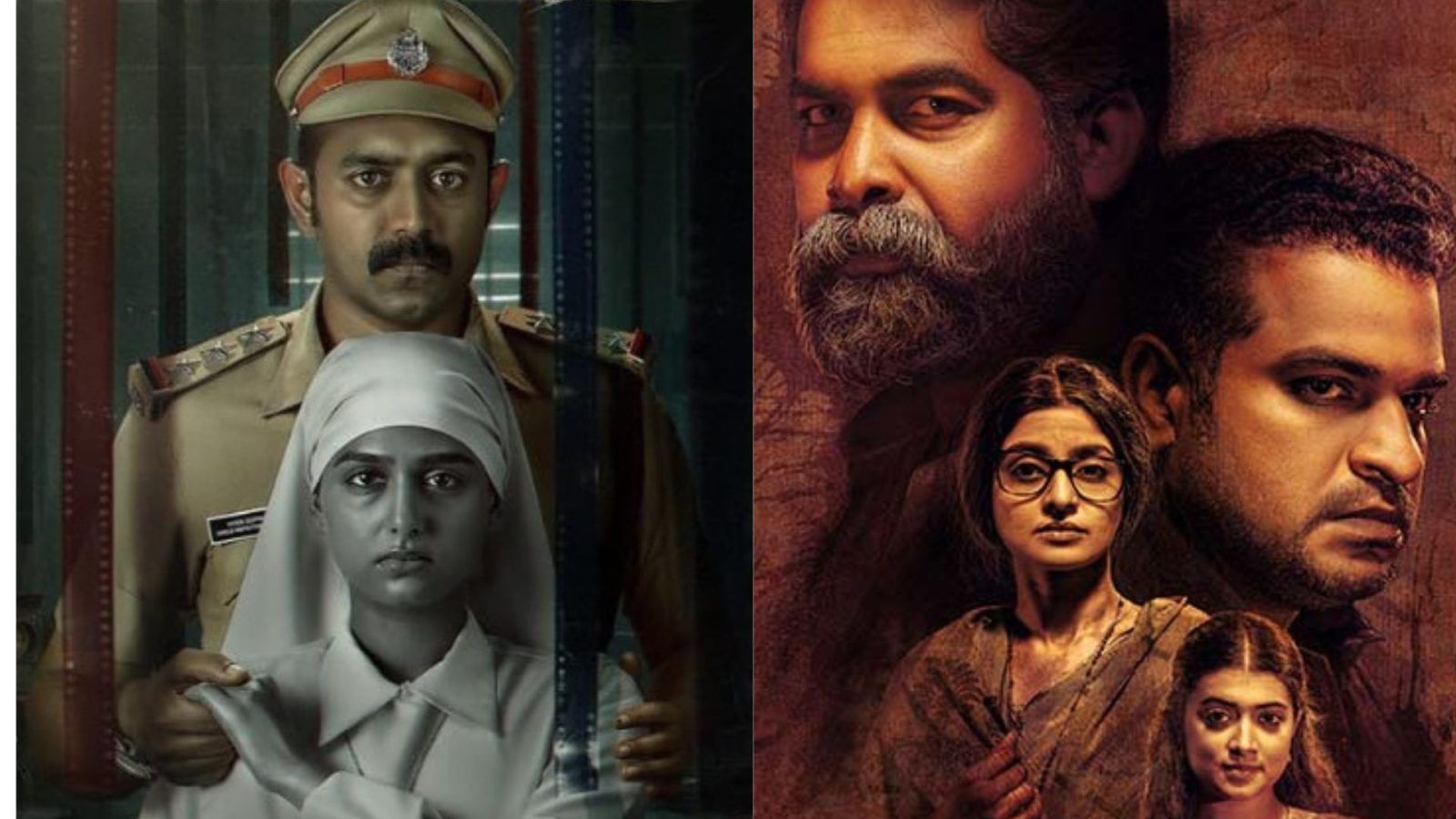
Released in late 2014, Angels is a Malayalam social thriller directed by Jean Markose that explores the intersection of high-stakes investigative journalism, police procedural elements, and the ethics of television reality shows. Starring Indrajith Sukumaran as a disgraced police officer and Asha Sarath as a powerful media personality, the film utilizes a non-linear narrative to unravel a cold case through the lens of a controversial TV program titled "Angels."
The Core Premise and Narrative Structure of Angels
At its heart, Angels (2014) is a film about redemption and the search for truth within a mediated reality. The story follows Hameed Hyder (Indrajith Sukumaran), a brilliant but emotionally volatile police officer who has been suspended following a botched investigation into a series of murders. Hyder is a man haunted by his failures, specifically his inability to catch a serial killer who terrorized the city years prior. His life takes a turn when he is invited to participate in a television show called "Angels."
The television show, produced and hosted by Haritha Menon (Asha Sarath), is a sensationalist yet effective program that re-opens unsolved criminal cases. Haritha is a cutthroat professional who understands that the "truth" is often secondary to television ratings, yet she possesses the resources that Hyder lacks to finally close the case that destroyed his career. The film expertly balances the procedural elements of the investigation with a scathing look at how the media consumes tragedy for entertainment.
The screenplay, co-written by Jean Markose and Toni Tomy, doesn't rely solely on action sequences. Instead, it focuses on the psychological toll of the investigation. As the show "Angels" begins its "Third Eye" segment—a live broadcast aimed at identifying the killer—the boundaries between the scripted television environment and the gritty reality of police work begin to blur. This meta-narrative approach was relatively fresh for Malayalam cinema in 2014, positioning the film as a "social thriller" rather than a standard "whodunnit."
Character Deep Dive: Hameed Hyder and Haritha Menon
The success of a thriller often hinges on its lead performances, and Angels benefits significantly from the casting of Indrajith Sukumaran. By 2014, Indrajith had established himself as one of the most versatile actors in the industry, capable of portraying both hyper-masculine roles and deeply vulnerable characters. As Hameed Hyder, he delivers a restrained performance. He portrays a man who has lost his social standing and professional dignity, seeking one last chance at vindication. His chemistry with the rest of the cast, particularly in the interrogation scenes, provides the film's emotional anchor.
Asha Sarath’s portrayal of Haritha Menon is equally compelling. Following her breakout success in Drishyam (2013), she was the perfect choice for a character who commands authority. Haritha is not a traditional protagonist; she is driven by ambition and the survival of her media empire. Her character represents the "Fourth Estate" in its most aggressive form—manipulative, observant, and occasionally empathetic when it serves the narrative of her show. The power struggle between Hyder’s search for justice and Haritha’s search for viewership creates a constant underlying tension throughout the film.
Supporting characters, including those played by Joy Mathew (as Father Varghese Punyalan), Prem Prakash, and Baabu Antony, add layers to the mystery. Father Varghese, in particular, serves as a moral compass and a bridge between the spiritual and the secular world, a common trope in Malayalam thrillers that Jean Markose uses to add philosophical weight to the proceedings.
Technical Execution: Direction, Music, and Cinematography
Jean Markose, making his directorial debut with Angels, brought a modern aesthetic to the film that was influenced by his background in the media industry (specifically his work in radio). The film’s pacing is deliberate, allowing the mystery to breathe while maintaining a sense of mounting dread. Markose avoids the trap of many first-time directors who over-rely on "twist" endings; instead, he focuses on the journey of the characters and the atmospheric tension of the TV studio.
The technical departments of Angels are notable for their contribution to the film's "New Gen" feel:
- Music and Score: Jakes Bejoy, who would later go on to become a major force in South Indian film music (Ranam, Ayyappanum Koshiyum), provided the score for Angels. The background music is minimalist but effective, using electronic undertones to heighten the suspense during the live broadcast sequences. The absence of traditional "song and dance" routines allows the film to maintain its serious tone.
- Cinematography: Sujith Sarang’s camera work is sharp and clinical, particularly within the confines of the television studio. He uses a cool color palette that emphasizes the sterile, artificial nature of the media world, contrasting it with the darker, more organic tones used during the flashbacks of the crime scenes.
- Editing: Sreejith Sarang ensures that the transition between the TV show's "live" footage and the narrative's "real-world" events is seamless. The non-linear storytelling requires precise editing to ensure the audience can follow the investigation across different timelines without becoming confused.
Detailed Film Specifications and Credits
To understand the production scale and historical context of Angels within the 2014 Malayalam film landscape, consider the following technical and production details:
| Feature | Details |
|---|---|
| Director | Jean Markose |
| Screenplay | Jean Markose, Toni Tomy |
| Lead Actors | Indrajith Sukumaran, Asha Sarath, Joy Mathew |
| Release Date | November 28, 2014 |
| Genre | Social Thriller / Mystery |
| Music Director | Jakes Bejoy |
| Cinematographer | Sujith Sarang |
| Editor | Sreejith Sarang |
| Runtime | Approx. 125 Minutes |
| Production House | Cloud 4 Movie Productions |
| Language | Malayalam |
The "Social Thriller" Label and Media Ethics
The film is frequently categorized as a "social thriller." This distinction is important because it highlights that the conflict is not just between a detective and a criminal, but between individuals and a societal institution—in this case, the media. Angels asks difficult questions about the ethics of "trial by media."
During the 2010s, Kerala witnessed a surge in reality television shows that dealt with domestic disputes and criminal investigations. These shows often acted as parallel courts, where public opinion was swayed before a legal verdict was reached. Angels critiques this phenomenon by showing how a television producer can manipulate evidence and witness testimony to create a "climax" for a season finale. The film suggests that while the media can be a tool for justice (as it helps Hyder), its primary motivation is often profit, which can lead to dangerous consequences for those involved.
Evolution of the Malayalam Thriller: Where Angels Fits
In the broader context of Malayalam cinema, 2014 was a pivotal year. The industry was in the midst of the "Malayalam New Wave," characterized by realistic scripts, technical excellence, and a move away from superstar-driven formulas. Angels arrived shortly after massive hits like Memories (2013) and Drishyam (2013), which had set a very high bar for the thriller genre.
While Angels did not reach the same heights of commercial success or cultural ubiquity as Drishyam, it is remembered by cinephiles for its polished execution and its refusal to pander to the gallery. It shares DNA with other media-centric thrillers but carves out its own niche by focusing on the mechanics of a reality show. In 2026, looking back at the film’s legacy, it is clear that Angels served as an early indicator of the career trajectories of talents like Jakes Bejoy and Sujith Sarang, who are now staples of high-budget South Indian cinema.
Comparative Analysis: Angels vs. Contemporary Thrillers
When comparing Angels to other thrillers of its time, several unique selling points (USPs) emerge:
- Setting: Most thrillers of that era were set in police stations or rural villages. Angels primarily takes place within the high-tech, artificial environment of a TV studio, which adds a layer of claustrophobia and artifice.
- Antagonist Dynamics: The "villain" in the film is not immediately obvious. The mystery is layered through the "show within a show," making the audience question the motives of the investigators as much as the suspects.
- Gender Roles: Unlike many 2014 thrillers where female characters were relegated to being victims or wives, Asha Sarath’s Haritha Menon is a power player. She is the architect of the narrative, often overshadowing the male lead in terms of influence and decision-making.
Frequently Asked Questions
Is the movie "Angels" based on a true story?
No, Angels is a work of fiction. However, the concept of the television show within the movie is heavily inspired by real-world Malayalam reality shows that gained popularity in the early 2010s. These shows often featured real-life disputes and sought to provide "justice" on screen, which the film critiques through its fictional "Angels" program.
Where can I watch Angels (2014) today?
As of 2026, Angels is available on several Indian streaming platforms and digital rental services. It has historically been hosted on platforms like Disney+ Hotstar or ManoramaMAX, though availability can change based on licensing agreements. DVD copies and official YouTube uploads by rights holders are also common ways to access the film.
What is the age rating for the film?
The film was originally certified 'U/A' by the Central Board of Film Certification (CBFC) in India. This means that while it is a thriller with themes of crime and murder, it avoids excessive graphic gore and is considered suitable for a broad audience with parental guidance for younger viewers.
Does the film have a "twist" ending?
Like most investigative thrillers, Angels does feature revelations in its final act. However, the film is structured more as a procedural discovery of facts rather than a single "shock" twist. The resolution ties back to the psychological motivations of the characters introduced earlier in the story.
Why is it called a "Social Thriller"?
The term "social thriller" is used because the movie addresses societal issues—specifically the influence and ethics of the media. While it has the suspense and pacing of a thriller, its core message concerns how society consumes news and how media organizations can manipulate public perception.
Critical Assessment and Final Recommendations
Angels (2014) remains a solid entry in the Malayalam thriller genre. For viewers who enjoy police procedurals that offer more than just a hunt for a killer, this film provides a thoughtful analysis of the media's role in modern justice. The performances of Indrajith Sukumaran and Asha Sarath are the primary highlights, elevating a script that occasionally leans on familiar tropes.
For students of film or aspiring screenwriters, Angels is an excellent case study in how to use a "meta-narrative" (a show within a movie) to drive plot progression. It demonstrates that a thriller can be intellectually engaging without sacrificing the tension required for the genre. If you are exploring the evolution of Malayalam cinema from the 2010s, Angels is a necessary watch that reflects the technical and thematic shifts of that era.
To fully appreciate the film, it is recommended to watch it alongside other Malayalam media-centric films like New Delhi (1987) for a historical perspective, or Naradan (2022) for a more modern take on the same theme. This allows the viewer to see how the portrayal of journalism and the "truth" has evolved in Kerala's cinematic landscape over several decades.