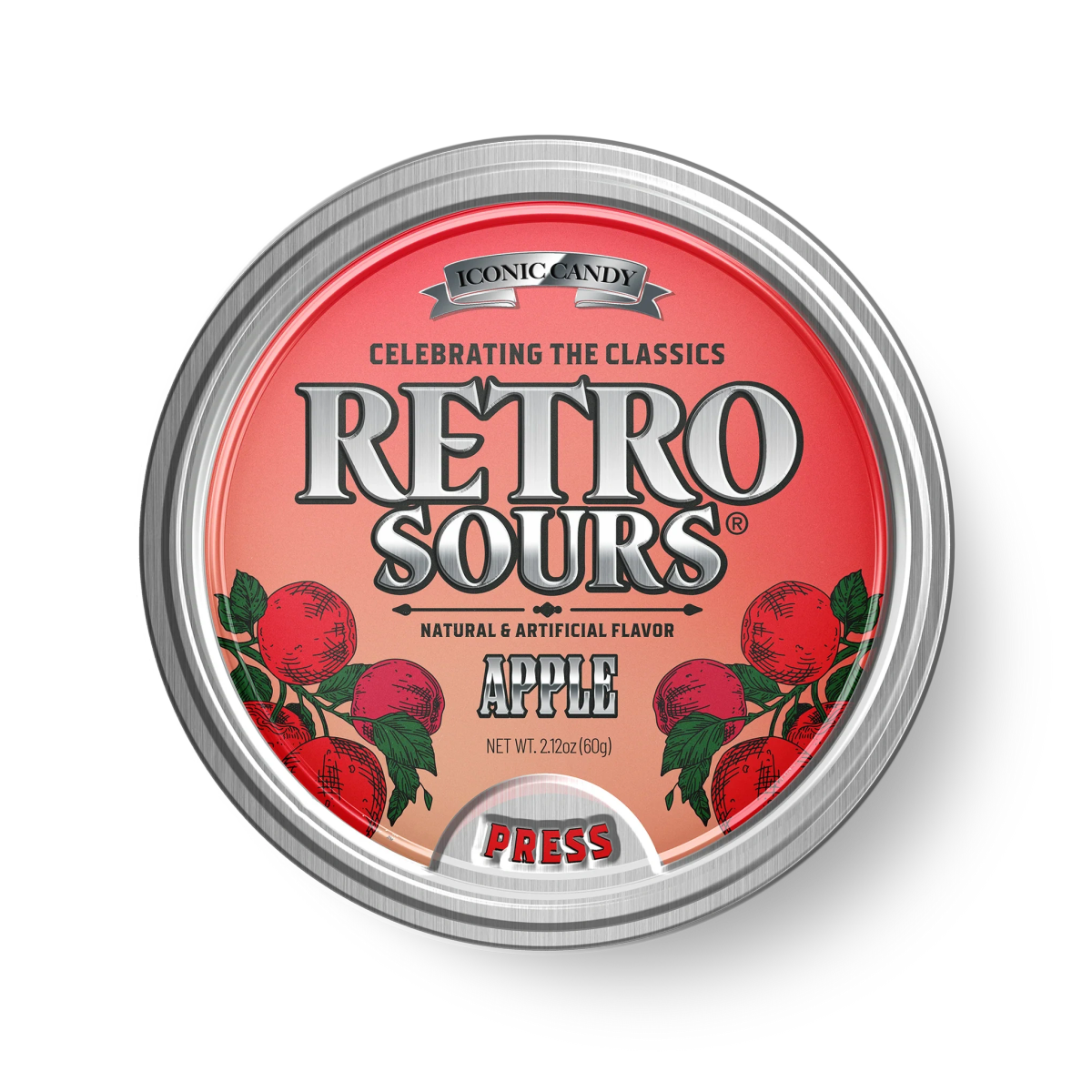
Altoids Fruity Sours, discontinued in 2010, remain one of the most requested "retro" candies in 2026. Their absence has created a thriving secondary market for collectors and a niche industry for artisan confectioners who recreate the specific tartness and texture of the original Tangerine, Citrus, and Raspberry flavors.
The Rise and Fall of a Confectionery Icon
To understand the cultural weight of Altoids Sours in 2026, one must look back at their introduction in 2004. Produced by Callard & Bowser-Suchard (under the Mars/Wrigley umbrella), these candies were a radical departure from the "Curiously Strong" peppermint lozenges that had defined the Altoids brand since the late 18th century. While the original mints were marketed for their medicinal heritage and breath-freshening potency, the Fruity Sours targeted a younger, flavor-seeking demographic.
The product line launched with a distinct aesthetic: round, colorful tins with a crystalline "sugar-dusted" appearance on the candies themselves. Unlike many contemporary sour candies that used a topical powder that dissolved quickly, Altoids Sours integrated the acidity throughout the hard candy body, providing a consistent, mouth-watering experience from start to finish.
Despite their massive popularity and a "cult" following that has only grown over the last two decades, Mars officially discontinued the line in 2010. The company cited low national sales figures as the primary driver, a claim that fans continue to dispute in 2026 via social media petitions and archived forum threads. The discontinuation left a void in the "premium sour" market that mainstream manufacturers have struggled to fill.
Technical Specifications: What Made Them Different?
The "Fruity Retro" appeal of these candies isn't just based on nostalgia; it is rooted in the specific chemical and physical composition of the lozenge. Confectionery experts in 2026 point to three specific factors that separated Altoids Sours from competitors like Jolly Ranchers or Warheads.
1. The Acid Profile
Most sour candies rely heavily on citric acid for an immediate "zing." Altoids Sours utilized a sophisticated blend of citric acid and malic acid. Malic acid, naturally found in apples, has a more prolonged sourness that bridges the gap between the initial sharp hit and the lingering fruit flavor. This combination created the "pucker power" that fans remember.
2. The Starch-Mogul Casting
The candies were manufactured using a starch-casting process. This involves pressing the desired shape into a tray of cornstarch and pouring the liquid candy mixture into the resulting molds. This method allowed for the specific "round-top" shape and the slightly porous surface that held the exterior dusting of sugar and acid crystals so effectively.
3. The Tin Packaging
The packaging was as much a part of the product as the candy. The small, circular tin with a friction-fit lid was durable, portable, and "clinked" in a specific way when carried in a pocket. In the 2020s, these tins have become a staple of the "EDC" (Every Day Carry) community and DIY electronics hobbyists, who use them to house everything from sewing kits to miniature guitar amplifiers.
Detailed Flavor Analysis: The Original Lineup
While several variations were released during the product's six-year run, four primary flavors dominated the market. In 2026, the Tangerine variant remains the most sought-after by collectors.
| Flavor | Primary Acid Note | Color/Visual | 2026 Collector Status |
|---|---|---|---|
| Tangerine | High Malic | Bright Orange | Most Rare / Highest Value |
| Citrus | Balanced Citric | Pale Yellow | High Demand (Original 2004) |
| Raspberry | High Citric | Deep Red | Moderate Availability (Tins) |
| Apple | Malic/Tart | Bright Green | Limited Run / Rare |
| Mango | Tropical/Sweet | Golden Yellow | Shortest Production Cycle |
The Tangerine Phenomenon
The Tangerine Sours are widely considered the "gold standard" of the lineup. The flavor profile managed to capture the essential oils of citrus zest rather than just a generic "orange" sweetness. In 2026, unopened "vintage" tins of Tangerine Sours have been known to appear on auction sites for hundreds of dollars, though the candy inside is long past its recommended shelf life.
The Citrus and Raspberry Staples
The Citrus flavor was the sharpest, often described as a "lemon-lime" hybrid that leaned heavily into the tartness. Raspberry, conversely, provided a deeper, more floral berry note that balanced the acidity with a stronger sugar backbone. These were the most common varieties found in convenience stores and checkout aisles during the mid-2000s.
The 2026 Market: Where to Find "Retro" Sours Today
If you are looking for the Altoids Sours experience in 2026, you generally have three paths: the vintage market, artisan recreations, and modern brand alternatives.
1. The Vintage and Collector Market
Buying original Altoids Sours is now a matter of "buyer beware." Since the product has been out of production for over 15 years, any remaining stock is technically "expired." Hard candies are shelf-stable for a long time, but the oils can go rancid and the sugar can undergo "graininess" or recrystallization.
- Search Terms: Look for "New Old Stock" (NOS) or "Sealed Altoids Sours."
- Pricing: Expect to pay between $50 and $250 depending on the tin's condition and the flavor.
2. Artisan Recreations (The "Greg" Drops)
The most successful solution for fans has come from the artisan confectionery community. Specifically, candy makers like Greg Cohen of Lofty Pursuits (Public Displays of Confection) have used historical candy-making equipment to recreate the Altoids Sours formula.
- The Process: These makers use vintage drop rollers to achieve the correct shape and weight.
- Accuracy: Users in 2026 report that these "tributes" are nearly 95% identical to the original in terms of flavor and pucker factor, though they are often sold in jars or bags rather than the iconic tins.
3. Modern Brand Alternatives
While no major corporation has perfectly replicated the texture, a few brands in 2026 offer high-acid hard candies that satisfy the craving:
- Sour Strips (Hard Candy Line): A more recent entry that focuses on extreme tartness.
- Ice Breakers Sours: These are the most widely available "tin-based" fruity sours, though they are significantly softer and more "powdery" than the original Altoids versions.
- Chewins: A boutique brand that focuses on the "retro" flavor profiles of the early 2000s.
Why Mars/Wrigley Hasn't Relaunched (As of 2026)
One of the most frequent questions asked of the Mars corporation is why they refuse to bring back a product with such high demand. While the company rarely gives specific internal data, industry analysts point to three likely factors:
- Manufacturing Complexity: The specific machinery required for the starch-molded sours may have been decommissioned or repurposed for higher-volume products like Skittles or Starburst. Re-tooling a factory for a "niche" product is a high-cost endeavor.
- Ingredient Regulation: Changes in food dye regulations and acidity standards in various international markets might require a significant reformulation that could alter the taste fans remember.
- The "Hype" Paradox: Sometimes, a discontinued product is more valuable to a brand's "legend" than it is as a functional SKU (Stock Keeping Unit). The constant requests for Altoids Sours keep the "Altoids" brand name in the cultural conversation without the company needing to spend a dollar on marketing.
Cultural Impact: The "Retro" Aesthetic in 2026
In 2026, the "Y2K" and "Mid-2000s" aesthetic is at its peak. This has fueled the obsession with "fruity retro sours." The neon colors, the metal tins, and the aggressive "curiously strong" branding fit perfectly into the current trend of "New-Stalgia"—where younger generations discover products from the 2000s and treat them as vintage artifacts.
This cultural movement has led to a rise in "Altoids Tin Art," where people paint or modify the old Sours tins to use as miniature dioramas, watercolor palettes, or survival kits. The tin has outlived the candy in many ways, becoming a symbol of a specific era of product design where durability and utility were prioritized alongside the snack itself.
FAQs
Are Altoids Sours still being made in 2026?
No, the official Altoids Sours line remains discontinued by the Mars corporation. Any "new" listings you see on major retail sites are either third-party artisan recreations or fraudulent listings. You can only find original tins through collector auctions or secondary marketplaces.
Why were they called "Retro" Sours?
The term "retro" is often applied by collectors and modern fans to distinguish the 2004–2010 fruit-flavored line from the standard peppermint Altoids. In 2026, the "fruity retro" moniker specifically refers to the Tangerine, Citrus, and Raspberry varieties that defined the mid-2000s candy culture.
Can I eat Altoids Sours found in an old tin?
It is generally not recommended. While hard candy has a very long shelf life due to low moisture content, the flavor oils can oxidize over 15+ years, resulting in an unpleasant soapy or metallic taste. Additionally, the interior of the metal tin may have corroded or reacted with the candy over time.
What is the closest tasting candy to Altoids Sours currently available?
The closest experience in 2026 is the "Sour Fruit Drops" produced by Lofty Pursuits. They have reverse-engineered the acid profile and use traditional candy-making methods to match the texture and flavor intensity of the original Tangerine and Raspberry versions.
Did they ever make a sour peppermint version?
No. While there were several experimental flavors, including Ginger and Licorice, the "Sour" branding was reserved exclusively for the fruit-based line. The mint line has always focused on "curiously strong" heat rather than tartness.
Is there a petition to bring them back?
Yes, there are several active petitions in 2026 with hundreds of thousands of signatures. While Mars has acknowledged the fan base in the past, they have not yet announced any official plans for a relaunch or a limited-edition "retro" release.
Practical Recommendation for Fans
If you are craving the specific "pucker" of Altoids Fruity Retro Sours in 2026, do not waste money on expired vintage tins for consumption. Instead, support artisan candy makers who use traditional "drop-roller" technology. These confectioners provide a fresh, safe, and flavor-accurate alternative that honors the original recipe. For those who miss the aesthetic, original empty tins can still be purchased cheaply for use as storage, allowing you to pair the nostalgia of the packaging with the quality of modern, high-grade sour confectionery.