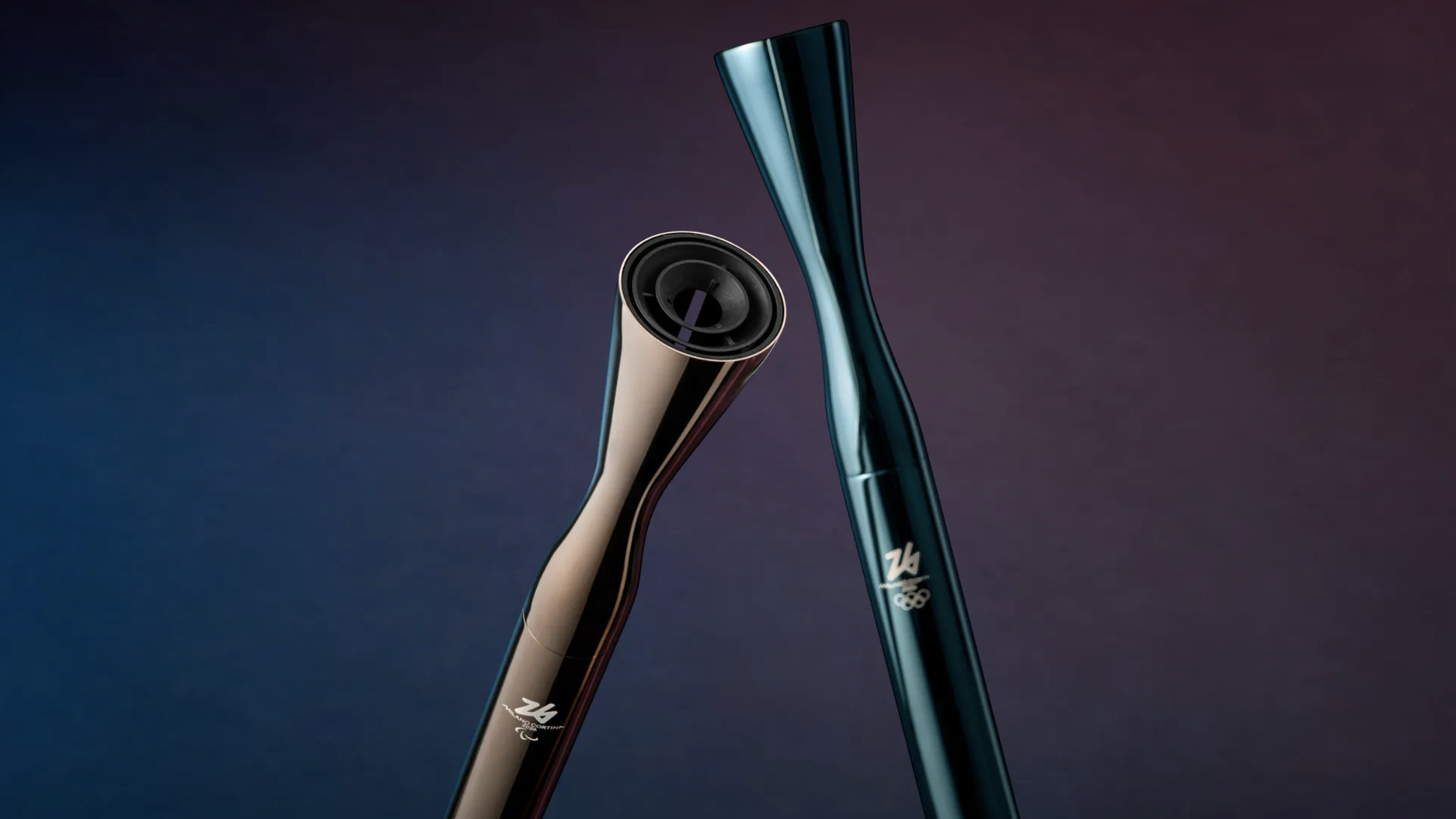
The Olympic torch is the primary vessel used to transport the Olympic flame from its lighting site in Olympia, Greece, to the host city of the Games. Since the first modern relay in 1936, each torch has been custom-engineered to represent the host nation’s culture, featuring unique materials, aerodynamic designs, and advanced combustion technologies to withstand extreme weather.
The Olympic torch relay is one of the most visible symbols of the Olympic movement, bridging the gap between the ancient roots of the Games and the modern era. While the Olympic flame itself is considered sacred and remains constant throughout the relay, the torches that carry it are marvels of industrial design and engineering. As of 2026, with the world turning its attention to the Milano Cortina Winter Games, the evolution of the torch reflects broader shifts in technology, sustainability, and artistic expression.
The Origins and Philosophical Foundation of the Torch
To understand the diversity of all Olympic torches, one must distinguish between the flame and the vessel. The flame is lit using a parabolic mirror at the Temple of Hera in Olympia, a tradition that ensures the fire is "pure," having been ignited by the sun's rays. This flame is then used to light the first torch.
The concept of the torch relay was not part of the ancient Games, nor was it present in the first few editions of the modern Olympics. It was introduced during the 1936 Berlin Games by Carl Diem. The goal was to create a tangible link between the modern event and its Hellenic heritage. The first torch, manufactured by the Krupp company, set the standard for what these objects would become: a functional tool that also served as a political and cultural statement.
From 1936 to the mid-20th century, torches were relatively simple, often resembling classical Greek columns or torches seen in ancient pottery. However, as the relay expanded to include underwater segments, skydiving, and travel through extreme arctic temperatures, the technical requirements of the torch became increasingly complex.
Engineering the Burner: How Olympic Torches Stay Alit
A primary requirement for any Olympic torch is reliability. It must remain lit in heavy rain, gale-force winds, and at high altitudes. The "soul" of the torch is its internal burner system.
Early Fuel Systems
The earliest torches used solid fuels, such as magnesium and gunpowder compounds. These produced a bright, dramatic flame but were often dangerous, occasionally dropping sparks on the runners. By the 1948 London Games, engineers shifted toward aluminum-bodied torches using fuel pellets. However, these still lacked the consistency required for long-distance relays.
The Shift to Liquid Gas
Modern torches typically utilize a blend of propane and butane. This allows for a pressurized system that can be adjusted to produce a specific flame color—usually a bright orange that is visible even in direct sunlight. In recent years, designers have experimented with hydrogen to reduce the carbon footprint of the relay. For example, the Tokyo 2020 (held in 2021) relay utilized hydrogen for segments of its journey to emphasize a commitment to clean energy.
Weatherproofing and Durability
To pass the "weather test," modern torches undergo rigorous wind tunnel testing. The internal housing is designed to shield the pilot light while allowing enough oxygen for the main flame to flourish. In the 2014 Sochi Winter Games, the torch was even tested in the vacuum of space (though not lit) and taken to the North Pole, requiring a specialized internal structure to handle the extreme pressure and temperature differentials.
Iconic Summer Olympic Torches: A Chronological Journey
Every Summer Games brings a new aesthetic. Here is a look at the most significant shifts in design for Summer Olympic torches.
The Pioneers (1936–1956)
The 1936 Berlin torch was made of polished steel and featured an engraving of the relay route. In 1948, London’s torch was crafted from aluminum, a material that would become the industry standard due to its lightweight properties. The 1956 Melbourne torch was notable for being the first to be used in a "double" relay, as the equestrian events were held in Stockholm, necessitating a separate torch design for the Swedish leg.
The Modernist Era (1960–1988)
By the 1960s, torches began to reflect the minimalist and industrial design trends of the era. The 1964 Tokyo torch was a simple stainless steel cylinder, reflecting Japan’s post-war industrial prowess. The 1972 Munich torch, designed by Friedrich Wilhems, was a sleek, stainless steel wand that remains a favorite among collectors for its understated elegance. The 1984 Los Angeles torch returned to a more traditional look, featuring brass and leather, symbolizing the "Old West" history of the host region.
The High-Tech Era (1992–Present)
The 1992 Barcelona torch, designed by André Ricard, marked a departure toward more sculptural, asymmetric shapes. This was followed by the Sydney 2000 torch, which was famously used to carry the flame underwater at the Great Barrier Reef. The torch used a specialized chemical compound that produced a flare-like flame capable of burning without external oxygen.
The Paris 2024 torch, designed by Mathieu Lehanneur, introduced a perfectly symmetrical design to represent equality—a key pillar of those Games. It was made of recycled steel and featured a unique "water" ripple effect on its lower half, paying homage to the Seine River.
Winter Olympic Torches: Defying the Elements
Winter torches face the added challenge of sub-zero temperatures and snow. The design language often leans toward "cool" colors—silvers, whites, and blues—and materials that do not become brittle in the cold.
Evolution of Winter Designs
The first Winter relay occurred in 1952 for the Oslo Games. Since then, the designs have become increasingly daring. The 1994 Lillehammer torch was exceptionally long and elegant, designed to be held by a ski jumper in mid-air. The 2006 Turin torch, designed by Pininfarina, looked more like a piece of high-performance automotive machinery than a traditional torch, featuring a tapered silhouette that managed heat distribution efficiently.
Milano Cortina 2026: The "Vibrazione"
As we look at the current state of Olympic torches in 2026, the Milano Cortina torch, named "Vibrazione," represents the pinnacle of sustainable design. Crafted by the renowned design firm Pininfarina, it utilizes a modular internal system that allows for easy recycling of parts. The aesthetic is inspired by the movement of a ski edge on ice, with a fluid, aerodynamic shape that minimizes wind resistance for the runners traversing the Italian Alps.
Comparative Specifications of Key Olympic Torches
The following table compares the technical specifications of some of the most famous torches in Olympic history.
| Games | Host City | Primary Material | Designer | Weight (g) | Fuel Type |
|---|---|---|---|---|---|
| 1936 | Berlin | Krupp Steel | Walter Lemcke | 460 | Magnesium Flare |
| 1948 | London | Aluminum | Ralph Lavers | 960 | Fuel Pellets |
| 1972 | Munich | Stainless Steel | Friedrich Wilhems | 1070 | Propane/Butane |
| 2000 | Sydney | Aluminum/Steel | Blue Sky Design | 1000 | Propane/Butane |
| 2008 | Beijing | Aluminum Alloy | Lenovo Design | 985 | Propane |
| 2012 | London | Aluminum Alloy | Barber & Osgerby | 800 | Propane/Butane |
| 2024 | Paris | Recycled Steel | Mathieu Lehanneur | 1500 | Propane/Butane |
| 2026 | Milano Cortina | Sustainable Aluminum | Pininfarina | 1100 | Hydrogen/Propane |
Symbolism and Cultural Identity in Design
Beyond the engineering, every Olympic torch is a canvas for national storytelling. The design process typically begins years before the Games, with the organizing committee inviting top architects and industrial designers to submit concepts.
- Materials: Torches often use materials native to or significant to the host country. The Tokyo 2020 torches were partially made from recycled aluminum from temporary housing used after the 2011 earthquake. The Lillehammer torch used wood, reflecting Norway's traditional architecture.
- Shape and Texture: The 2008 Beijing torch featured a "lucky cloud" pattern, a traditional Chinese motif. Its shape was inspired by a traditional scroll. The 2016 Rio torch featured segments that expanded when the flame was passed, revealing colors that represented the Brazilian soil, sea, mountains, and sky.
- The "Kiss": The moment when one torch runner passes the flame to another is known as the "kiss." Modern torches are designed specifically to make this transition seamless, with burner heads that interlock or align to ensure the flame transfers even in high winds.
Collector Value and Preservation
Olympic torches are highly sought after by sports memorabilia collectors. After a relay is completed, the torches are often made available for purchase by the runners who carried them. Because thousands are produced for each relay—ranging from 8,000 to 15,000 depending on the route's length—they are more accessible than Olympic medals, yet they remain rare enough to command high prices at auction.
The Olympic Museum in Lausanne, Switzerland, maintains the most comprehensive collection of all Olympic torches. For historians and fans, the museum provides a physical timeline of how human design has evolved alongside the Games. Preservation of these items is critical, as early torches using volatile chemical fuels can corrode if not properly cleaned and deactivated.
Frequently Asked Questions
What happens if the Olympic torch goes out during the relay?
The Olympic flame is never truly "extinguished." Along with the torches, the relay convoy carries several "safety lamps" that contain the original flame lit in Olympia. If a torch goes out due to a technical malfunction or extreme weather, it is relit using one of these backup lamps, ensuring the continuity of the sacred fire.
Who is allowed to keep the Olympic torches?
In most Games, the torchbearers are given the first right of refusal to purchase the torch they carried. The price is usually set to cover the manufacturing costs. Torches that are not purchased by runners are often kept by the International Olympic Committee (IOC), donated to museums, or given to sponsors.
How many torches are made for each Olympic Games?
The number of torches produced depends on the number of torchbearers. For the Summer Games, which have longer relays, typically 10,000 to 15,000 torches are manufactured. For Winter Games, the number is usually lower, between 2,000 and 8,000, reflecting the shorter duration and route of the winter relay.
Can anyone design an Olympic torch?
The design process is usually an invitation-only competition. The Organizing Committee for the Olympic Games (OCOG) invites established design firms and artists from the host country to submit proposals. The winning design must be approved by the IOC to ensure it meets both technical standards and the "Olympic Brand" guidelines.
Is the flame in the torch different from the one in the cauldron?
No, the flame is the same. The purpose of the entire relay is to transport the specific flame lit in Greece to the host stadium. The final torchbearer uses their torch to ignite the large cauldron during the Opening Ceremony, which then burns for the duration of the Games.
Practical Recommendations for Enthusiasts
If you are interested in the history and design of Olympic torches, the best course of action is to visit a certified Olympic exhibition. The official Olympic Museum in Lausanne offers a permanent display titled "The Torch Relay," which features every torch used since 1936.
For those looking to collect, ensure you verify the provenance of the torch. Authentic torches will have specific markings from the manufacturer (such as Krupp, GAIL, or ArcelorMittal) and often come with a certificate of participation from the relay. With the 2026 Milano Cortina Games currently underway, now is an excellent time to study how the latest advancements in hydrogen fuel and recycled materials are setting new benchmarks for the next generation of Olympic symbols.