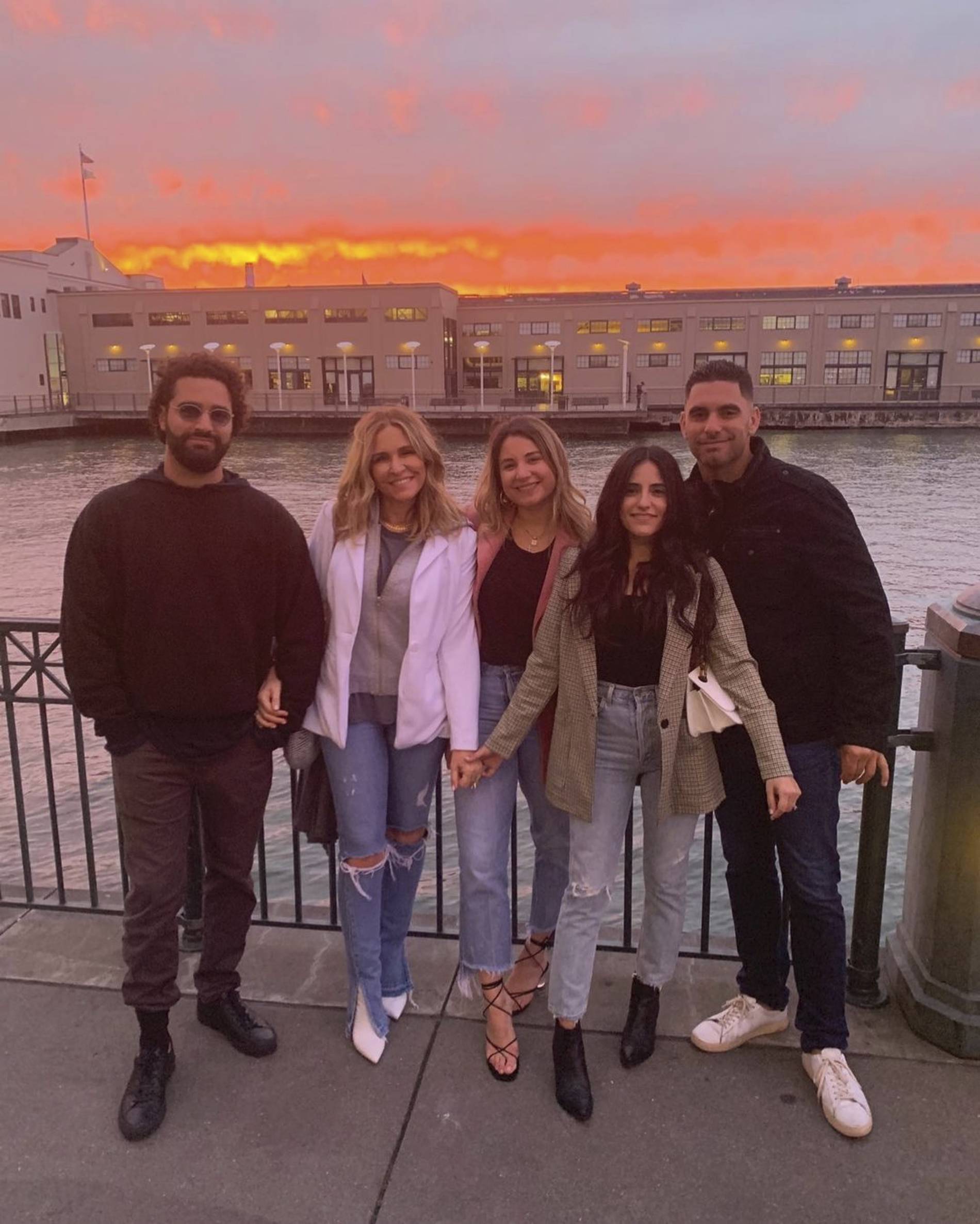
As of 2025, Alina Villasante’s estimated net worth is approximately $25 million to $35 million. This valuation reflects her sustained success as the founder and creative director of Peace Love World, her long-standing and lucrative partnership with QVC, and her expansion into high-growth sectors such as home décor and international licensing.
Alina Villasante is more than just a fashion designer; she is a pioneer of "affirmation-based" branding. Her journey from the aviation industry to the pinnacle of lifestyle fashion serves as a blueprint for modern entrepreneurship. By 2025, her wealth has become a reflection of not only product sales but also the intangible brand equity built through decades of consistency, celebrity endorsements, and a deep understanding of the "feel-good" economy.
The Foundations of Wealth: From Aviation to Fashion
To understand Alina Villasante's net worth in 2025, one must look back at her unconventional entry into the business world. Before Peace Love World became a household name, Villasante was deeply involved in the aviation industry. She spent over 20 years working in her family's aviation parts business, High Standard Aviation. This period was critical for her financial trajectory for two reasons: it provided the initial capital required to bootstrap her fashion venture and, perhaps more importantly, it gave her a masterclass in global logistics and supply chain management.
In 2009, Villasante pivoted from the high-stakes world of aircraft parts to the world of fashion. What began as "Love Parties" in her home—where she sold shirts printed with positive messages to friends—quickly evolved into a commercial powerhouse. The transition from a stable, industrial career to a creative startup was a calculated risk that paid off as the brand found an immediate resonance with consumers seeking emotional connection through their clothing.
Peace Love World: The Engine of Growth
The primary contributor to Villasante's net worth is Peace Love World, a brand that transformed simple loungewear into a global lifestyle movement. By 2025, the company has diversified its revenue streams significantly, moving beyond the signature graphic hoodies and t-shirts that first brought it fame.
Revenue Stream Diversification
Villasante’s business strategy shifted in the early 2020s to focus on "the home as a sanctuary." This shift proved prescient. By 2025, her home collection—comprising luxury bedding, inspirational wall art, and kitchen accessories—accounts for a substantial percentage of the brand’s annual turnover.
The brand operates through three primary channels:
- Direct-to-Consumer (DTC): The flagship e-commerce platform remains a high-margin revenue source, allowing the brand to retain customer data and maintain brand integrity.
- Wholesale and Retail: Peace Love World maintains a presence in high-end department stores like Nordstrom and Bloomingdale’s, as well as specialized boutiques.
- QVC Partnerships: This is arguably the most significant driver of her current liquid wealth.
The QVC Effect and Live Commerce
In the world of celebrity designers, a partnership with QVC is often the difference between a niche brand and a multi-million dollar empire. Alina Villasante’s relationship with QVC, which began in earnest around 2016, reached a new level of maturity by 2025.
QVC provides a platform that most retail models cannot match: the ability to sell thousands of units in a single hour of airtime. Villasante’s charismatic personality and authentic storytelling make her a natural fit for live shopping. In 2025, her "Today’s Special Value" (TSV) spots are highly anticipated events that generate millions in revenue in a 24-hour window.
The financial benefit of the QVC model for Villasante includes:
- Reduced Marketing Spend: The platform provides the audience, reducing the need for traditional advertising.
- Inventory Efficiency: High-volume sales allow for better manufacturing scales, increasing profit margins.
- Personal Branding: By appearing on-air, Villasante reinforces her status as the "face" of the brand, which increases the valuation of her intellectual property.
Celebrity Endorsements and Brand Equity
One cannot discuss Alina Villasante’s wealth without acknowledging the "Oprah Effect." Being featured on Oprah’s Favorite Things list early in the brand's history provided a level of credibility that usually takes decades to achieve. This was followed by endorsements from other high-profile figures, including Ellen DeGeneres, Jennifer Lopez, and the Kardashians.
By 2025, while the brand is less dependent on singular celebrity shout-outs, the legacy of these endorsements is baked into the brand’s valuation. When a brand is perceived as "celebrity-approved," it can command a premium price point. This brand equity is a non-liquid asset that contributes to Villasante's overall net worth, making her company a potential target for acquisition by larger fashion conglomerates.
Real Estate and Personal Assets
Villasante is a long-time resident of Miami, Florida, a city known for its luxury real estate market. Her personal wealth is anchored by significant real estate holdings in the Miami area. Over the years, she has been known for her impeccably designed homes that often serve as backdrops for her brand’s lifestyle photography.
As Miami real estate prices saw historic surges leading into the mid-2020s, the value of her property portfolio has likely doubled, contributing several million dollars to her total net worth. Furthermore, as an established entrepreneur, she likely holds a diversified portfolio of private investments, though she keeps her non-Peace Love World financial activities relatively private.
Financial Comparison and Market Standing
To put Alina Villasante's $25M–$35M net worth in perspective, it is helpful to compare her to other entrepreneurs in the lifestyle and QVC space. While she may not yet reach the billionaire status of a Sara Blakely (Spanx), she sits comfortably among the top tier of designer-founders who have successfully transitioned from niche retail to mass-market dominance.
| Factor | Alina Villasante / Peace Love World | Industry Average (Lifestyle Brands) |
|---|---|---|
| Primary Revenue | Multi-channel (QVC, DTC, Wholesale) | Often single-channel (Retail or DTC) |
| Brand Longevity | 15+ Years | 5–7 Years (Fashion cycle) |
| Product Margins | High (due to brand loyalty) | Moderate (highly competitive) |
| Celebrity Influence | High (Oprah, Ellen, QVC) | Low to Moderate |
| Geographic Reach | Global (Shipping to 50+ countries) | Regional or National |
Challenges and Economic Resilience
Maintaining a multi-million dollar net worth in the fashion industry requires more than just creativity; it requires resilience. Between 2020 and 2025, the fashion industry faced significant headwinds, including supply chain disruptions and shifts in consumer spending due to inflation.
Villasante’s ability to maintain her wealth during these periods is attributed to her "lean" business philosophy. By focusing on core message-driven products that don't go out of style (unlike trend-heavy fast fashion), she avoids the "clearance cycle" that drains the profits of many competitors. Her brand thrives on "perennial" items, which ensures a steady flow of income regardless of the seasonal fashion trends.
Philanthropy and the Value of Purpose
While philanthropy is often seen as a deduction from net worth, in the case of Peace Love World, it is a core component of the brand's value. Villasante has been a vocal supporter of organizations like Autism Speaks and Breast Cancer Research. By 2025, her commitment to "giving back" has solidified consumer loyalty.
In a modern market where shoppers prioritize "conscious consumerism," her charitable work acts as a powerful brand differentiator. This loyalty translates into a higher "Lifetime Value" (LTV) per customer, which is a key metric investors use to value a company. Therefore, her philanthropic efforts indirectly support the long-term stability of her net worth.
Future Outlook: Heading Toward 2027
As we look toward the remainder of 2026 and into 2027, Villasante’s financial trajectory remains upward. There are rumors in the industry regarding potential licensing deals in the Asian and Middle Eastern markets, where "Western lifestyle" brands with positive messaging are seeing rapid growth. If she chooses to sell a minority stake in her company or pursue an IPO, her net worth could see a significant jump into the $50 million+ range.
Frequently Asked Questions
How did Alina Villasante make her money?
Villasante initially built her wealth through a successful 20-year career in the aviation parts industry. She used that capital to launch Peace Love World in 2009. The brand's massive success in loungewear, its partnership with QVC, and its expansion into home goods are the primary sources of her current wealth.
Is Peace Love World still popular in 2025?
Yes, the brand has successfully transitioned from a trendy apparel line to a stable lifestyle brand. Its popularity is sustained by its consistent messaging of positivity and its high visibility on television shopping networks, which cater to a loyal, high-spending demographic.
Does Alina Villasante own her company entirely?
While specific ownership percentages are not public record, Villasante remains the founder, creative director, and primary owner. She has maintained significant control over the brand since its inception, which is a major factor in her high personal net worth.
What is the most profitable part of her business?
The partnership with QVC is widely considered the most profitable segment. The high-volume, low-customer-acquisition-cost model of live shopping allows for significant profit margins compared to traditional brick-and-mortar retail or highly competitive digital advertising.
What celebrities helped Alina Villasante's brand?
The most notable endorsement came from Oprah Winfrey, who featured the brand on her "Favorite Things" list. Other influential supporters have included Ellen DeGeneres, the Kardashian family, and Jennifer Lopez, all of whom helped propel the brand into the mainstream.
Practical Guidance for Aspiring Entrepreneurs
Alina Villasante’s financial success offers several lessons for those looking to build their own wealth in the lifestyle space:
- Solve an Emotional Need: Peace Love World didn't just sell clothes; it sold "energy" and "positivity." Products that make people feel something often have higher margins than products that just serve a function.
- Master the Logistics: Her background in aviation gave her the tools to handle global shipping and manufacturing. Before you scale your creative idea, ensure you understand the "boring" parts of the business like supply chains.
- Leverage New Platforms: Villasante didn't just stick to boutiques; she embraced the power of television and live commerce early on. Be willing to go where the customers are, even if it’s a platform you haven’t used before.
- Protect Your Brand Integrity: Even as she expanded into QVC and big-box retail, Villasante never diluted the core message of "Peace, Love, and Happiness." Consistency builds long-term wealth.
If you are interested in tracking the growth of lifestyle entrepreneurs or understanding the valuation of fashion brands, following the trajectory of Peace Love World provides a masterclass in building a purpose-driven empire.