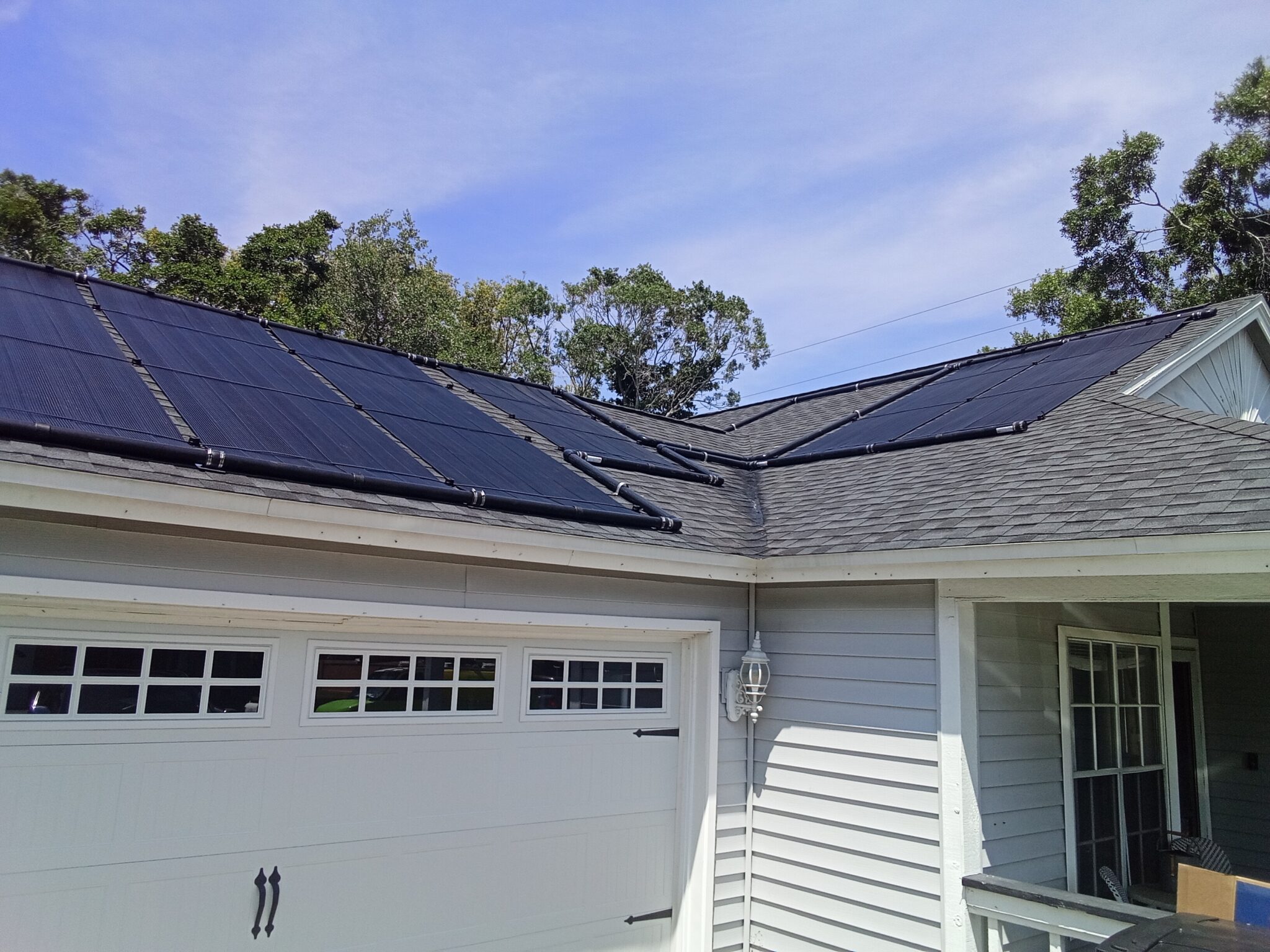
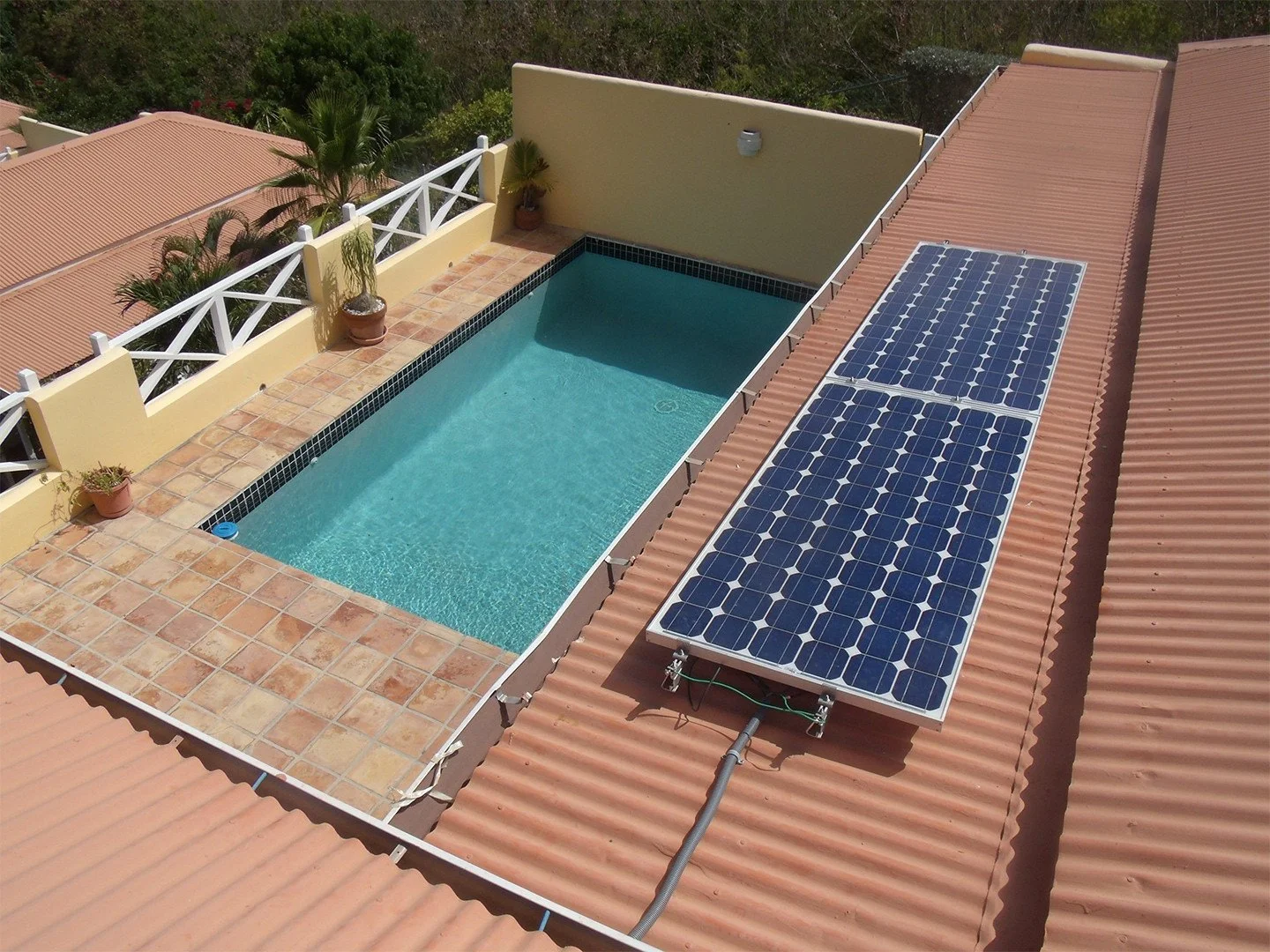
Installing an Alcon pool solar heating system involves integrating UV-stabilized collector strips or rigid panels onto a suitable roof surface and connecting them to the pool's existing filtration circuit via a specialized solar pump and digital controller. This setup captures solar radiation to raise water temperatures by 5°C to 10°C, significantly extending the swimming season while maintaining near-zero operational costs.
Understanding the Alcon Solar Heating System
Alcon has long been a prominent name in the pool heating industry, particularly known for its durable strip heating solutions and rigid panel collectors. Unlike gas heaters or electric heat pumps, Alcon solar systems rely entirely on thermal energy harvested from the sun. In 2026, as energy costs fluctuate and sustainability mandates become more stringent, these systems represent a primary choice for homeowners looking for decentralized, renewable heating solutions.
The core technology behind Alcon systems usually involves PVC-Nitrile or EPDM (Ethylene Propylene Diene Monomer) materials. These materials are chosen for their high thermal conductivity and resistance to the harsh ultraviolet (UV) radiation found on rooftops. The installation can be categorized into two main types: strip heating, which is flexible and can be customized to fit any roof shape, and rigid panels, which offer higher durability against bird damage and extreme weather.
Strip Heating vs. Rigid Panels
When planning an Alcon installation, the first decision is the collector format. Strip heating consists of multiple small tubes laid side-by-side. This is highly efficient in terms of surface area contact but requires precise manifold alignment. Rigid panels, often referred to as "modular" collectors, are pre-molded units. While less flexible for odd-shaped roofs, they are often easier to secure in high-wind zones. In 2026, Alcon's PVC-Nitrile strip systems remain the standard for residential applications due to their balance of cost and thermal performance.
Site Assessment and Pre-Installation Requirements
Before a single pipe is laid, a technical assessment of the property is essential to ensure the system operates at peak efficiency. Solar heating is inherently dependent on geography, roof pitch, and orientation.
Roof Orientation and Tilt
For those in the Southern Hemisphere, a north-facing roof is ideal, while a south-facing roof is preferred in the Northern Hemisphere. However, west-facing roofs are often acceptable as they capture the intense afternoon sun. Ideally, the roof should have a tilt between 15 and 30 degrees. If the roof is flat, Alcon systems can be installed on tilted frames, though this increases the wind load and structural requirements of the installation.
Measuring Collector Area
The general rule for Alcon solar installations is that the collector surface area should be at least 80% to 100% of the pool's surface area. If the pool is 32 square meters, the rooftop installation should ideally cover 26 to 32 square meters. Factors such as high wind areas, the use of pool blankets, and desired temperature increases will dictate whether you should lean toward the higher end of that ratio.
Hydraulic Capacity and Pump Selection
A critical and often overlooked step is verifying that the pool’s hydraulic system can handle the "head" (vertical lift) required to push water to the roof. Most standard pool filtration pumps are not designed to lift water two stories while maintaining the flow rate required for effective heat exchange. Therefore, an Alcon installation typically includes a dedicated solar booster pump. This pump is activated by a solar controller only when the roof sensors detect that heat is available.
Components of an Alcon Solar Installation
A complete Alcon kit in 2026 consists of several specialized components designed to work in a high-heat, chemically treated water environment.
- Solar Collectors (Strips or Panels): The "engine" of the system where heat exchange occurs.
- Manifolds: These act as the headers at the top and bottom of the collector array, distributing water evenly through the tubes.
- Solar Controller: A digital unit with two sensors—one for the roof temperature and one for the pool water temperature.
- Check Valves (Non-Return Valves): Essential to prevent water from flowing backward into the filter or draining the roof system into the pool when the pump is off.
- Vacuum Relief Valve: Located at the highest point of the system, this allows air into the pipes when the pump shuts off, preventing a vacuum that could collapse the collectors or pipes.
- PVC Pipework: Typically 40mm or 50mm Class 12 or 15 pressure pipe, UV-stabilized for outdoor use.
Step-by-Step Installation Process
The following sequence outlines the professional installation of an Alcon strip heating system on a standard tiled or metal roof.
Step 1: Layout and Manifold Attachment
Begin by marking out the area on the roof. The top manifold (the "feed") and the bottom manifold (the "return") must be positioned correctly to ensure "balanced flow." In a balanced flow system, the water travels the same distance through every tube in the array, ensuring even heating. Manifolds are typically secured using UV-rated clips or specialized adhesive systems that do not compromise the roof’s waterproofing.
Step 2: Laying the Alcon Strips
The Alcon strips are rolled out between the manifolds. It is vital to ensure the strips are laid straight and are not under excessive tension, as thermal expansion and contraction occur daily. In 2026, most Alcon systems utilize a high-grade silicone or specialized polymer adhesive to "spot-weld" the strips to the roof every meter. This prevents wind lift without the need for unsightly straps.
Step 3: Connecting the Manifolds
The strips are inserted into the manifolds and secured. Modern Alcon manifolds often use a "push-fit" or barbed system that creates a watertight seal without the need for individual hose clamps, which were prone to rusting in older systems.
Step 4: Plumbing the Up-Feed and Down-Return
Two PVC lines are run from the pool equipment area to the roof.
- The Up-Feed: Carries cold water from the filter/pump to the bottom manifold.
- The Down-Return: Carries heated water from the top manifold back to the pool return line. It is standard practice to use 45-degree bends rather than 90-degree elbows where possible to reduce friction loss and maximize flow efficiency.
Step 5: Installing the Solar Controller and Sensors
The solar controller is the brain of the installation. One sensor is drilled into the PVC pipe before the heater (to measure pool temp), and the other is mounted on the roof near the collectors (to measure available solar energy). The controller is programmed with a "differential" (usually 7°C), meaning the pump only turns on when the roof is significantly hotter than the pool.
| Component | Technical Specification | Purpose |
|---|---|---|
| Collector Material | PVC-Nitrile (UV Stabilized) | Heat absorption and durability |
| Max Pressure | 200 kPa | Safety threshold for pipework |
| Operating Temp | -10°C to +95°C | Environmental resilience |
| Standard Pipe Size | 40mm / 50mm | Hydraulic efficiency |
| Flow Rate | 10–15 Liters/min per m² | Optimal heat transfer |
| Warranty (2026) | 10–15 Years (Full) | Manufacturer assurance |
Maintenance and Operational Guidelines
While Alcon systems are low-maintenance, they are not "no-maintenance." Ensuring longevity requires seasonal attention.
Winterization and Stagnation
In regions prone to freezing, the system must be drained in winter to prevent the expansion of ice from cracking the manifolds or strips. Even in warmer climates, if the system is left stagnant for months, the water inside can become superheated and chemically aggressive. Running the system for a few minutes once a week during the off-season helps maintain the integrity of the internal seals.
Cleaning the Collectors
Dust, bird droppings, and leaves can create "shading" on the collectors, reducing efficiency by up to 20%. A gentle wash with a garden hose once a season is usually sufficient. Avoid using high-pressure washers, as these can strip the UV coating or dislodge the adhesive bonds.
Leak Detection
Over years of thermal cycling, PVC joints may develop minor leaks. Checking the roof while the solar pump is active will reveal any damp spots or "weeping" at the manifold connections. Most Alcon systems are modular, meaning a single damaged strip can be isolated or replaced without removing the entire array.
Common Challenges and Troubleshooting
Installations can face hurdles, particularly regarding aesthetics and hydraulics.
- Air Bubbles in the Pool: If you see constant bubbles at the pool return jets when the solar is running, it usually indicates a leak on the "suction" side of the solar pump or a faulty vacuum relief valve on the roof.
- Roof Staining: Some older EPDM materials were known to "carbon black," leaving dark streaks on the roof. Modern 2026 Alcon PVC-Nitrile strips are formulated to prevent this leaching.
- Noisy Pipes: This is often caused by air trapped in the system or pipes that are not securely clipped, leading to "water hammer" when the pump starts or stops. Ensure all vertical runs are supported every 1.5 meters.
Financial and Environmental Impact in 2026
The initial investment for an Alcon solar pool installation typically ranges from $3,500 to $7,500, depending on pool size and roof complexity. However, because the energy source is free, the "payback period" is significantly shorter than gas or electric alternatives.
From an environmental standpoint, an Alcon system can prevent several tons of CO2 emissions annually compared to a gas heater. In 2026, many local jurisdictions offer rebates or "green home" credits for installing solar thermal systems, further offsetting the upfront costs. Furthermore, pool solar collectors can actually help shade the roof, slightly reducing the cooling load on the house during peak summer months.
Frequently Asked Questions
Can I install Alcon solar strips on a metal roof?
Yes, Alcon systems are compatible with metal (Colorbond) roofs. Special care is taken to use adhesives that are compatible with the roof coating to prevent corrosion. The heat conductivity of metal roofs can actually slightly enhance the heating effect compared to concrete tiles.
How long does an Alcon solar system last?
With proper maintenance and winterization, an Alcon PVC-Nitrile system installed in 2026 is expected to have a functional lifespan of 15 to 20 years. The digital controllers and pumps may require replacement or service every 7 to 10 years.
Will the solar system work on cloudy days?
Solar thermal collectors require radiant heat. While they can still pick up some ambient heat on overcast days, their efficiency drops significantly. They are designed to "bank" heat during sunny periods to maintain a stable pool temperature through cooler spells.
Does the system require a separate pump?
In most cases, yes. To move water to a roof and through narrow collector tubes, a dedicated solar booster pump is required to overcome the head pressure. Relying solely on the filtration pump often leads to poor filtration and inadequate heating.
Can Alcon solar panels be used to cool the pool?
Yes, this is known as "nocturnal cooling." By running the system at night, the collectors radiate heat into the cool night air, which can lower pool temperatures during extreme summer heatwaves. Most modern Alcon controllers have a "cooling mode" built-in.
Final Recommendations for Homeowners
When proceeding with an Alcon pool solar panel installation, the most critical factor for success is the hydraulic design. Ensure that the pipe sizing is adequate for the distance of the run and that the solar controller is calibrated correctly. For DIY enthusiasts, it is vital to check local building codes regarding roof penetrations and plumbing connections to the main pool line. For those seeking professional installation, ensure the contractor provides a pressure test certificate upon completion to guarantee a leak-free system. By investing in a high-quality Alcon system in 2026, you are securing a decade or more of sustainable, low-cost luxury for your home.