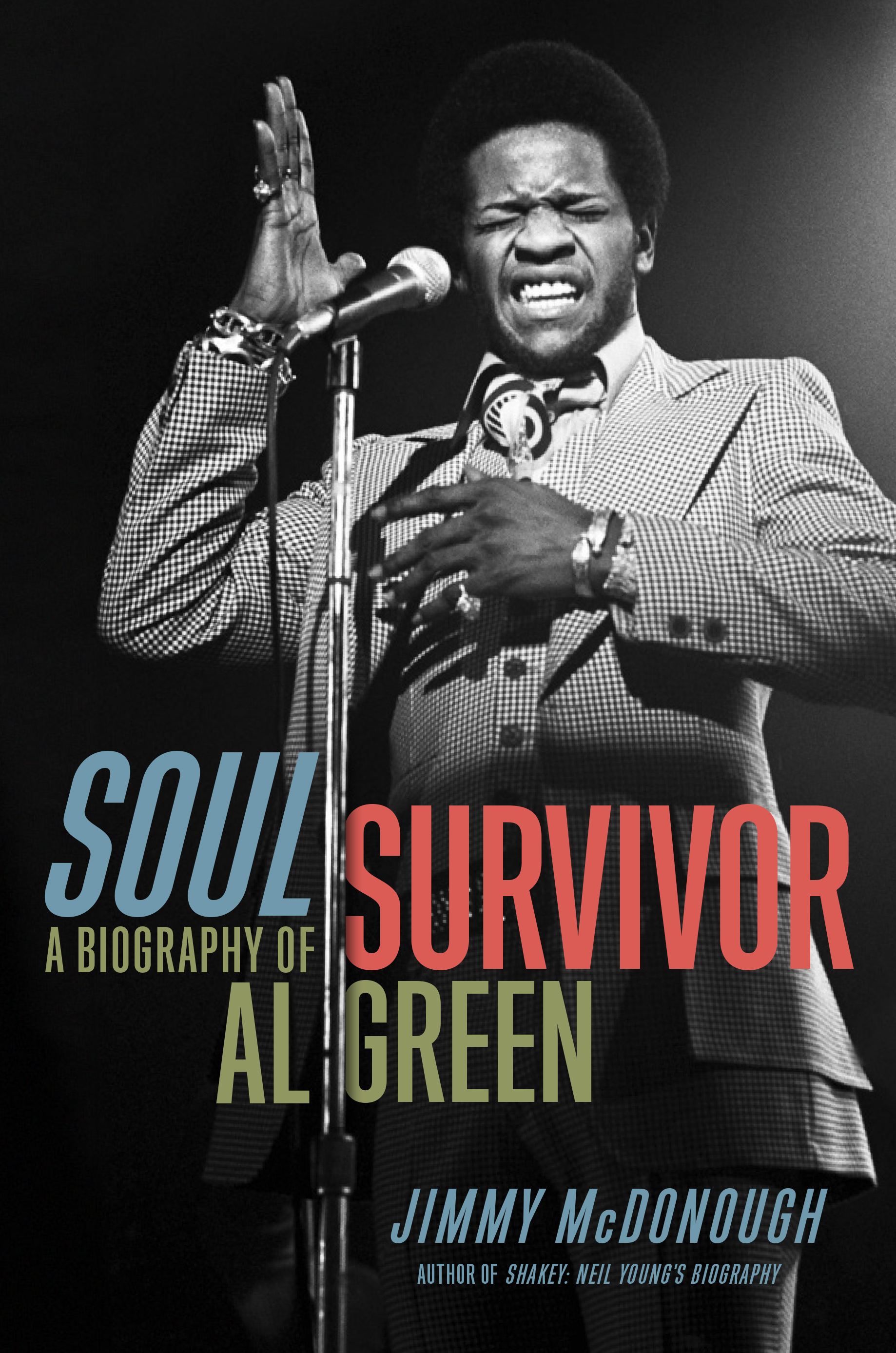
Al Green is widely celebrated as one of the definitive architects of soul music, blending secular romance with ecstatic gospel fervor to define the sound of the 1970s. Born Albert Leornes Greene in Forrest City, Arkansas, on April 13, 1946, his trajectory from a teenage gospel singer to a secular hitmaker and finally to an ordained Christian minister traces one of the most compelling artistic and spiritual evolutions in American music history. His signature vocal style—a seamless glide from a honeyed baritone into an ethereal, shuddering falsetto—anchored a string of timeless hits for Hi Records before his dramatic retreat from pop music to the pulpit altered the course of his life and career forever.
Early Life and Musical Beginnings in Arkansas and Michigan
Al Green’s musical journey began in the Jim Crow-era American South, deeply rooted in the traditions of the African American church. Born into a musical family as one of ten children, he joined his family’s gospel quartet, the Greene Brothers, at a very young age. The group performed throughout eastern Arkansas, exposing young Albert to the emotional intensity and vocal dexterity required to move a congregation.
In the mid-1950s, the family relocated north to Grand Rapids, Michigan, seeking better economic opportunities and escaping the rigid segregation of the South. However, the cultural shift did not dilute Green's passion for music. While attending high school in Grand Rapids, he formed a secular vocal group called Al Greene & the Soulmates. Heavily influenced by the polished harmonies of R&B groups and the raw energy of early rock and roll, the group recorded a local single titled "Back Up Train" in 1967.
To the surprise of the young performers, "Back Up Train" achieved unexpected regional success and eventually climbed to number 5 on the national R&B charts. This early taste of radio success proved that Green possessed star potential, but it also exposed the precarious nature of the independent music industry. The Soulmates struggled to replicate their initial chart performance, and the group soon dissolved, leaving Green to navigate the club circuit of the Midwest as a solo performer searching for a definitive sound and reliable mentorship.
The Hi Records Era and Collaboration with Willie Mitchell
The pivotal turning point in Al Green’s career occurred in 1969 when he performed in Midland, Texas. In the audience was Willie Mitchell, a visionary trumpeter, songwriter, producer, and the creative force behind Memphis-based Hi Records. Recognizing Green’s unique vocal timbre and natural charisma, Mitchell signed him to the label and immediately set to work shaping his sound. Under Mitchell’s guidance, Green dropped the final "e" from his last name, signaling a fresh start as a solo artist.
Mitchell placed Green at Royal Recording Studios in Memphis, surrounding him with a legendary house band that included drummer Howard Grimes, guitarist Leroy Hodges, organist Charles Hodges, and bassist Laza Reece, alongside a tight horn section. This collective forged the signature Hi Records sound: a spacious, warm, unhurried groove defined by crisp drums, hypnotic basslines, and lush string arrangements. Unlike the frantic, driving rhythms of Motown or the heavy funk of James Brown, Hi Records productions were sensuous, smoky, and deeply atmospheric.
| Era / Phase | Key Collaborators | Defining Characteristics |
|---|---|---|
| Early Career | The Soulmates | Regional R&B, doo-wop harmonies, "Back Up Train" |
| Hi Records Era | Willie Mitchell | Memphis soul, lush strings, falsetto phrasing |
| Gospel / Ministry | Full Gospel Tabernacle | Traditional gospel, uncompromised spiritual focus |
Between 1971 and 1976, Al Green and Willie Mitchell orchestrated an extraordinary run of commercial and critical successes. Green evolved from a vocalist finding his footing into a premier songwriter, co-writing nearly all of his biggest hits. His breakthrough came with a cover of the Bee Gees' "To Love Somebody," followed quickly by his own composition "Tired of Being Alone" in 1971, which became his first major million-selling single.
Defining Masterpieces and Commercial Peak
The momentum generated by "Tired of Being Alone" set the stage for an unprecedented commercial peak. In 1971, Green released the album Let's Stay Together. The title track became an instant classic, capturing the essence of 1970s soul and soaring to the number one spot on the Billboard Hot 100 in early 1972. "Let's Stay Together" remains a cultural touchstone, renowned for its floating melody, understated rhythm section, and Green's effortless vocal delivery.
Following this triumph, Green released a sequence of iconic studio albums, including I'm Still in Love with You (1972), Call Me (1973), and Al Green Explores Your Mind (1973). These records yielded a string of enduring radio staples:
- "I'm Still in Love with You" (1972): A masterclass in building emotional tension through rhythmic restraint and soaring vocal peaks.
- "Let's Stay Together" (1971): A definitive pop and R&B anthem highlighting his smooth transition between chest voice and high falsetto.
- "You Ought to Be with Me" (1972): A sultry, mid-tempo groove driven by subtle horns and conversational vocal phrasing.
- "Call Me (Come Back Home)" (1973): A lush, emotionally resonant track that demonstrated his growing sophistication as a melodist.
- "Take Me to the River" (1974): A gritty, roots-infused groove that bridged the gap between secular soul and spiritual yearning, later famously covered by Talking Heads.
By the mid-1970s, Al Green was one of the most successful Black recording artists in the world, earning multiple gold records, commanding sold-out concert tours, and influencing a new generation of musicians who sought to emulate his distinctive blend of vulnerability and vocal command.
Personal Crisis and the Turn to the Pulpit
Despite his immense professional success, Al Green's personal life was increasingly marked by turbulence and a growing spiritual crisis. The tension between his deeply religious upbringing and the hedonistic lifestyle of a secular pop superstar weighed heavily on his conscience.
This internal conflict culminated in a notorious and tragic incident on October 18, 1974. Following an argument at his Memphis home, Green's girlfriend at the time, Mary Woodson, poured a pot of boiling grits over him while he was in the bath, causing severe second-degree burns across his back, arms, and stomach. Shortly thereafter, Woodson committed suicide in the same house. The trauma of the event profoundly shook Green, who interpreted the incident as a divine warning regarding the path of his life.
Although he continued to record and release secular music for several more years—collaborating with producer Willie Mitchell on albums like The Belle Album (1977), which showcased a stripped-down, acoustic, and introspective sound—Green's devotion to the church steadily deepened. In 1976, he was ordained as a pastor at the Full Gospel Tabernacle in Memphis, a modest church he purchased and where he began preaching every Sunday.
By the end of the decade, Green made a definitive choice to walk away from secular pop music entirely. He announced that he would no longer perform his romantic hits, dedicating his voice, time, and immense talent exclusively to the service of God and gospel music.
The Gospel Years and Critical Reassessment
Throughout the 1980s, Al Green immersed himself in gospel music, recording a series of acclaimed traditional and contemporary gospel albums for labels like Myrrh and A&M. Working with producers such as gospel great James Cleveland and even pop icon Annie Lennox—with whom he recorded the Grammy-winning duet "Put a Little Love in Your Heart" in 1988—Green proved that his vocal powers had not diminished.
His transition into gospel earned him multiple Grammy Awards throughout the 1980s in categories ranging from Best Soul Gospel Performance to Best Traditional Soul Gospel Album. During this period, Green balanced his pastoral duties at the Full Gospel Tabernacle with occasional recording sessions, gradually softening his stance on performing his secular catalog as he aged, realizing that his classic love songs carried a universal message of human connection that coexisted with his spiritual mission.
In 1995, Green released Your Heart's in Good Hands, marking a symbolic return to secular R&B radio while maintaining his spiritual integrity. The album received strong critical praise and reminded contemporary audiences of the unmatched quality of his instrument. That same year, he was inducted into the Rock and Roll Hall of Fame, cementing his status as a foundational pillar of modern popular music.
Legacy and Influence on Modern Music
Al Green’s influence on subsequent generations of artists is immeasurable. His distinctive vocal phrasing, characterized by abrupt shifts into a crystalline falsetto, sighs, moans, and whispered asides, laid the groundwork for the quiet storm R&B of the 1980s and the neo-soul movement of the late 1990s and 2000s. Artists ranging from Luther Vandross and D'Angelo to Erykah Badu, Justin Timberlake, and John Legend have cited Green as a primary vocal mentor and stylistic inspiration.
His ability to merge the secular and the sacred demonstrated that popular music could possess profound emotional depth without sacrificing rhythmic appeal. In 2004, Rolling Stone magazine ranked him number 66 on their list of the 100 Greatest Artists of All Time, noting how his voice served as an instrument of both physical seduction and spiritual salvation.
Frequently Asked Questions
What are Al Green's most famous songs?
Al Green's most famous songs include "Let's Stay Together," "Tired of Being Alone," "I'm Still in Love with You," "Call Me (Come Back Home)," and "Take Me to the River." These tracks defined the Memphis soul sound of the 1970s and remain staples of classic R&B radio and cinematic soundtracks.
Why did Al Green stop singing secular music?
Al Green stepped away from secular music in the late 1970s following a profound personal crisis in 1974 and a deepening commitment to his Christian faith. He was ordained as a minister at the Full Gospel Tabernacle in Memphis and chose to dedicate his musical talents exclusively to gospel recordings and ministry for over a decade.
Who produced Al Green's classic 1970s hits?
Most of Al Green's definitive 1970s masterpieces were produced by Willie Mitchell at Royal Recording Studios in Memphis, Tennessee. Mitchell also co-wrote many of Green's biggest hits and arranged the signature Hi Records sound featuring the house rhythm section and lush horn and string arrangements.
Is Al Green still performing and preaching?
Al Green has maintained his role as pastor at the Full Gospel Tabernacle in Memphis for decades. While he has scaled back extensive touring schedules, he occasionally performs select live concerts, bringing his timeless voice and energetic stage presence to audiences around the world.
When was Al Green inducted into the Rock and Roll Hall of Fame?
Al Green was inducted into the Rock and Roll Hall of Fame in 1995, recognized for his monumental contributions to soul music, R&B, and gospel across a career spanning multiple decades.
Next Actions and Further Exploration
To fully appreciate the scope of Al Green’s artistry, listeners should explore his core 1970s album run, particularly Let's Stay Together and Call Me, alongside his essential Greatest Hits compilation. For those interested in the historical context of Memphis soul, exploring the history of Hi Records and Royal Recording Studios offers invaluable insight into the collaborative environment that birthed his legendary catalog.