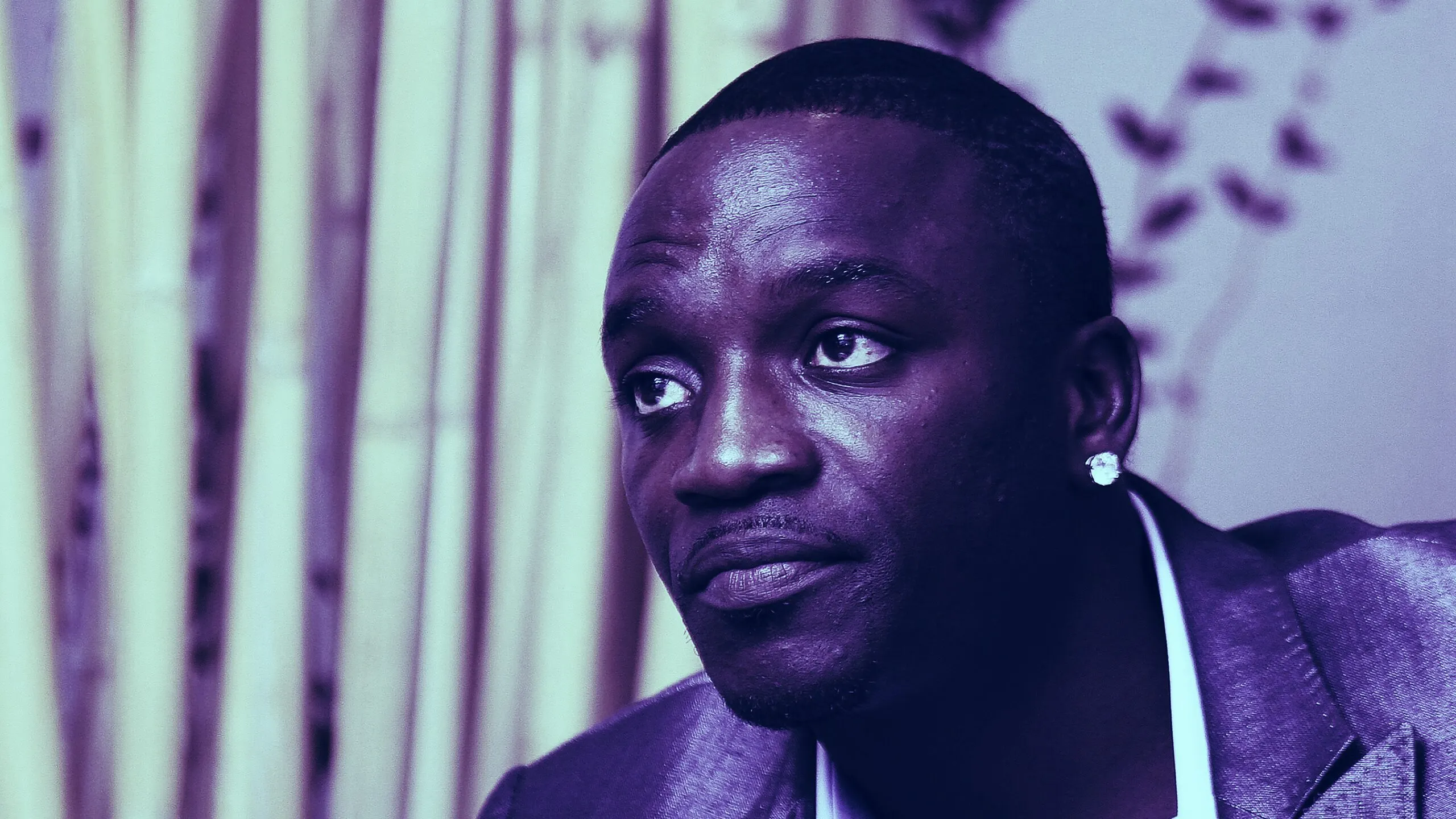
Akon is a Senegalese-American singer, songwriter, record producer, and entrepreneur who rose to international fame as a definitive voice in the mid-2000s urban music scene. While frequently categorized as a rapper due to his hip-hop collaborations and rhythmic delivery, he is more accurately described as a melodic R&B artist who fused West African sensibilities with American pop and street culture.
Defining Akon’s Musical Identity: Rapper or Vocalist?
To understand whether Akon is a rapper, one must look at the landscape of the music industry during his ascent in 2004. At that time, the lines between hip-hop and R&B were beginning to blur more than ever before. Akon entered the scene with a unique vocal texture—a high-pitched, slightly nasal, yet incredibly smooth tenor—that allowed him to bridge the gap between hard-hitting street anthems and radio-friendly pop ballads.
Technically, Akon often employs a style known as "melodic rapping" or "crooning." Unlike traditional rappers who focus on complex rhyme schemes and percussive lyrical delivery, Akon’s strength lies in his "hooks"—the catchy, repetitive parts of a song that stay in a listener's head. However, his debut single, "Locked Up," featured a gritty, narrative-driven style that mirrored the storytelling found in hardcore rap, leading many early listeners to classify him strictly as a rapper.
As his career progressed, his identity shifted toward that of a global pop star and producer. He became the go-to collaborator for the world’s biggest rappers, including Eminem, Snoop Dogg, and Lil Wayne. In these tracks, Akon usually provided the melodic contrast to the artists' verses. By 2026, his legacy is viewed not just through the lens of a single genre, but as a pioneer of the "global fusion" sound that paved the way for modern Afrobeats and melodic trap.
The Formative Years and the "Trouble" Era
Aliaune Damala Badara Akon Thiam was born in St. Louis, Missouri, but spent much of his childhood in Senegal before returning to the United States. This dual upbringing is the foundation of his musical DNA. His father, Mor Thiam, was a traditional jazz percussionist, ensuring that Akon was raised with a deep respect for rhythm and instrumentation.
The release of his debut album, Trouble, in June 2004, was a watershed moment for the music industry. The album focused heavily on themes of struggle, incarceration, and redemption. Songs like "Locked Up" and "Ghetto" resonated with hip-hop audiences because of their raw subject matter. However, it was "Lonely," a track that sampled Bobby Vinton's "Mr. Lonely" at a high pitch, that proved his massive crossover appeal.
During this era, Akon established the "Konvict" brand. The sound of a jail cell door clinking shut became his signature audio tag, appearing at the start of nearly every track he produced or featured on. This branding was brilliant from a marketing perspective, creating a cohesive "outlaw" persona that appealed to the hip-hop demographic while his melodies captured the pop charts.
"Konvicted" and the Height of Global Dominance
If Trouble introduced Akon to the world, his second album, Konvicted (2006), made him a superstar. By this point, the question of whether he was a rapper became secondary to his status as a hit-making machine. Konvicted featured some of the most recognizable songs of the decade, including "Smack That" (featuring Eminem) and "I Wanna Love You" (featuring Snoop Dogg).
The success of Konvicted was characterized by:
- Massive Commercial Reach: The album was certified multi-platinum in several countries and earned Akon multiple Grammy nominations.
- Collaborative Versatility: Akon demonstrated an uncanny ability to adapt his style to suit any artist. He could hold his own on a track with a lyrical powerhouse like Eminem while maintaining the melodic integrity of the song.
- Digital Dominance: He was one of the first artists to dominate the burgeoning ringtone and digital download market, a key metric of success in the mid-2000s.
His third studio album, Freedom (2008), saw a further shift away from the "rapper" aesthetic toward a more polished, electronic, and dance-influenced sound. This transition was exemplified by hits like "Right Now (Na Na Na)" and "Beautiful." This era marked his transition from a street-oriented artist to a true international icon.
The Mogul Behind the Scenes: Konvict Muzik and KonLive
Akon’s influence on the music industry extends far beyond his own vocal performances. As a businessman and talent scout, he founded two major labels: Konvict Muzik and KonLive Distribution. His ability to identify talent changed the trajectory of pop music in the late 2000s and early 2010s.
Perhaps his most significant contribution to music history was the discovery and signing of Lady Gaga. Through his partnership with Jimmy Iovine and Interscope, Akon played a pivotal role in launching Gaga’s career, famously stating that she was his "retirement plan." Additionally, he was responsible for the rise of T-Pain, whose use of Auto-Tune—inspired in part by Akon's own melodic style—would go on to define the sound of an entire generation of rappers and singers.
The roster of artists who have passed through or been influenced by his labels is extensive, proving that Akon possessed a "producer's ear" for what the public wanted to hear. He understood that the future of music lay in the hybridization of genres.
Philanthropy and the "Akon Lighting Africa" Initiative
By the mid-2010s, Akon began to pivot his focus from the recording studio to large-scale humanitarian and infrastructure projects, particularly in Africa. This move redefined his public image from a "rapper/singer" to a visionary entrepreneur.
The "Akon Lighting Africa" project, launched in 2014, aimed to provide electricity to millions of households across the continent using solar energy. Recognizing that a lack of electricity was a major barrier to education and economic development, Akon leveraged his global celebrity to secure funding and partnerships with international governments and private entities.
By 2026, the impact of these initiatives has been documented across over 15 African nations. The project focuses on:
- Solar Street Lights: Improving safety in rural and urban areas.
- Domestic Solar Kits: Allowing children to study at night and families to power basic appliances.
- Job Creation: Establishing the "Solektra Solar Academy" to train local engineers and technicians.
This work earned him a level of respect that transcends the entertainment industry, positioning him as a key figure in the discussion of African development and sustainable energy.
Comparison of Major Studio Albums
The following table outlines the progression of Akon’s primary studio work and its impact on his career trajectory.
| Album Title | Year | Primary Genre | Key Singles | Cultural Impact |
|---|---|---|---|---|
| Trouble | 2004 | R&B / Hip-Hop | "Locked Up", "Lonely" | Established the "Konvict" brand and street credibility. |
| Konvicted | 2006 | R&B / Pop / Rap | "Smack That", "Don't Matter" | Peak commercial success; defined the sound of 2000s radio. |
| Freedom | 2008 | Dance-Pop / R&B | "Right Now", "Beautiful" | Transitioned into global pop and electronic influences. |
| El Negreeto | 2019 | Reggaeton / Latin | "Get Money", "Como No" | Demonstrated his ability to cross into the Latin market. |
| Akonda | 2019 | Afrobeats | "Low Key", "Scammers" | Returned to his roots, contributing to the global Afrobeats movement. |
The Vision of Akon City and Akoin
In the 2020s, Akon’s ambitions reached new heights with the announcement of "Akon City," a planned futuristic metropolis in Senegal. The project was envisioned as a "real-life Wakanda," utilizing sustainable technology and a blockchain-based economy powered by his own cryptocurrency, the Akoin.
While the project faced significant skepticism and logistical hurdles in its early years, as of 2026, it remains a symbol of his commitment to African self-sufficiency. The goal was to create a specialized economic zone that would provide a blueprint for future African cities. The Akoin was designed to provide a stable currency for entrepreneurs across the continent, allowing them to bypass traditional banking barriers.
This venture solidified Akon's status as a "tech-philanthropist." He argued that Africa’s youth population was uniquely positioned to lead the world in blockchain adoption, and he sought to provide the infrastructure to make that a reality.
Akon’s Legacy in 2026
Looking back from the vantage point of 2026, Akon’s legacy is multi-faceted. To the music historian, he is the man who bridged the gap between African rhythmic traditions and American urban music, essentially acting as a precursor to the global explosion of Afropop. To the business world, he is a savvy mogul who built empires and discovered once-in-a-generation talent. To millions in Africa, he is a humanitarian who used his platform to bring literal light to the darkness.
His influence on the "rapper" archetype was profound. He proved that an artist could maintain "street" status while singing heartfelt melodies, a formula that has since been adopted by nearly every major star in the hip-hop industry. Whether he is called a rapper, a singer, or an entrepreneur, his impact on global culture is undeniable.
Frequently Asked Questions
Is Akon actually a rapper or just a singer?
Akon is primarily a singer and producer, but he is frequently associated with rap because he began his career in the hip-hop circuit. His style involves rhythmic vocal delivery and frequent collaborations with legendary rappers, which often blurs the line between the two genres. In the industry, he is often credited with pioneering the "melodic rap" sound that is dominant today.
What is Akon’s most successful song?
While he has many hits, "Smack That" featuring Eminem is often cited as his most commercially successful single, reaching the top of charts globally and earning a Grammy nomination. However, "Lonely" and "Locked Up" are considered his most iconic early works that established his unique sound.
Does Akon still make music in 2026?
As of 2026, Akon’s focus has largely shifted toward business and philanthropy, but he continues to release music, particularly in the Afrobeats and Latin genres. He often uses his music as a tool to promote his various African initiatives and to support emerging artists from the continent.
What happened to Akon City?
Akon City is a long-term development project in Senegal. While it faced delays due to global economic shifts and the complexity of building a city from scratch, it continues to be developed in phases. As of 2026, it stands as a testament to his vision for a tech-integrated, sustainable Africa, with various segments of the infrastructure currently in different stages of completion.
How did Akon discover Lady Gaga?
Akon heard a demo of Lady Gaga and was immediately impressed by her writing and vocal ability. He signed her to his label, KonLive Distribution, which was a sub-label of Interscope. He famously co-wrote and produced on her debut album, The Fame, and played a major role in her early marketing and development.
Practical Recommendation for Further Reading
For those interested in the technical aspects of Akon’s business ventures, researching the whitepapers for the Akoin cryptocurrency or the official project reports from Akon Lighting Africa provides deep insight into his transition from entertainment to infrastructure. These documents offer a professional look at how celebrity influence can be converted into tangible economic development.