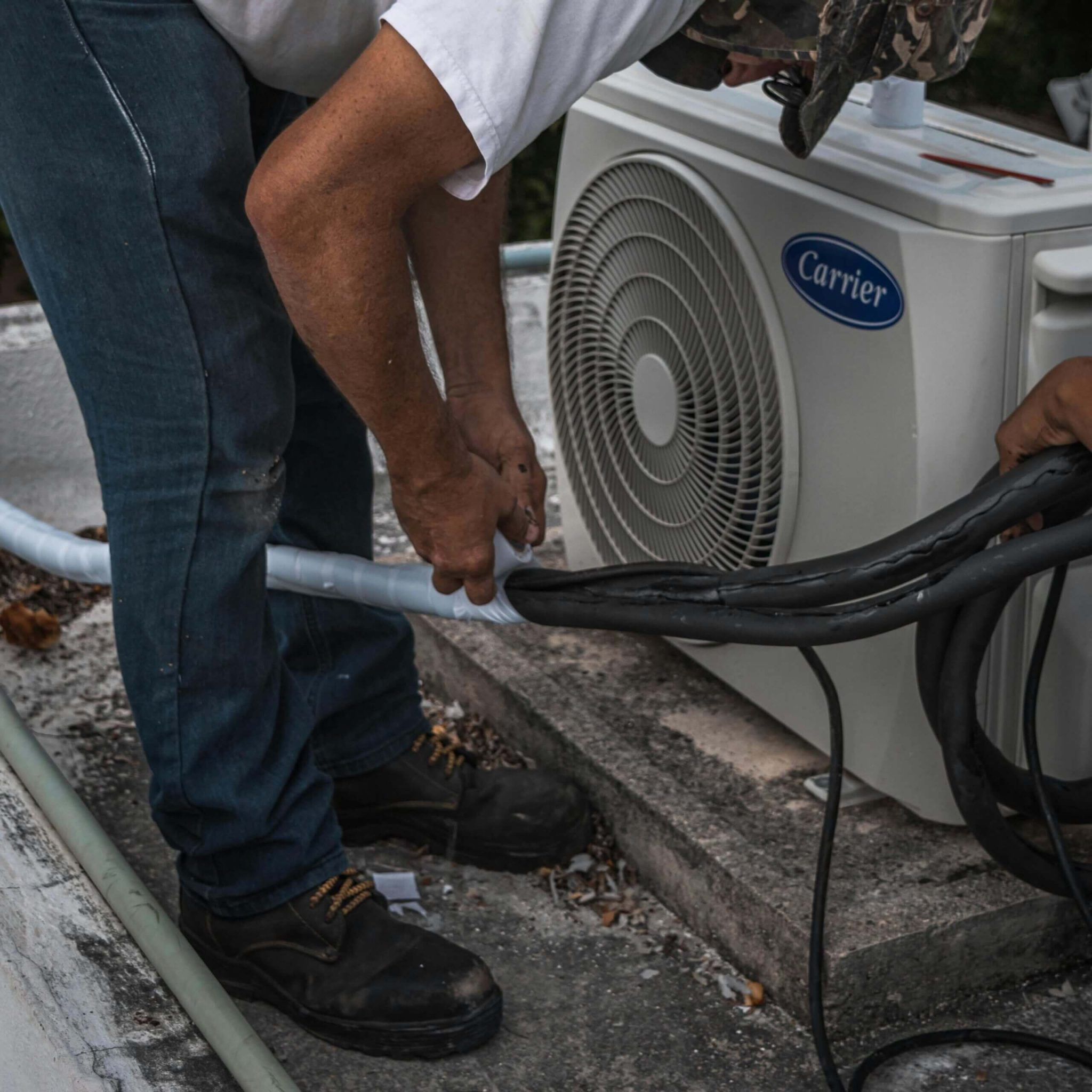
Finding the right air conditioning company in Naples, FL, requires verifying Florida State licensing through the DBPR, checking for NATE certification, and ensuring the contractor understands the specific challenges of the Southwest Florida climate, such as high humidity and salt-air corrosion. Prioritize companies offering 24/7 emergency services and transparent, upfront SEER2 efficiency ratings.
The Vital Role of HVAC Systems in the Naples Climate
In Naples, Florida, air conditioning is not a luxury; it is a critical component of home infrastructure. The local climate is characterized by extreme heat and high relative humidity, often exceeding 90% during the summer months. For homeowners, this means the HVAC (Heating, Ventilation, and Air Conditioning) system must run almost continuously for ten months of the year.
Unlike drier climates, Naples requires systems designed for significant latent heat removal—the process of stripping moisture from the air. When an AC unit is improperly sized or poorly maintained, it fails to dehumidify, leading to indoor air quality issues, including mold growth and structural damage. Consequently, selecting from the various air conditioning companies in Naples, FL, involves more than just finding the lowest price; it requires finding a partner who understands the "Science of Comfort" in a sub-tropical environment.
Verifying Credentials: Licensing and Insurance Requirements
Before inviting a technician into your home, you must verify their legal authority to perform HVAC work in the state of Florida. The industry is strictly regulated to protect homeowners from substandard workmanship and safety hazards.
Florida State Licensing (DBPR)
Every legitimate air conditioning company in Naples must be licensed by the Florida Department of Business and Professional Regulation (DBPR). There are two primary types of licenses:
- Certified Contractors (CAC): These contractors are licensed by the state and can work anywhere in Florida.
- Registered Contractors (RA): These contractors are limited to specific local jurisdictions where they have passed a local competency exam.
In 2026, most reputable Naples firms hold a "Certified" license. You can verify a company’s status by visiting the DBPR’s MyFloridaLicense portal. A valid license ensures the contractor has met education and experience requirements and has passed a rigorous examination.
Insurance and Workers' Compensation
Given the risks involved with electrical components and heavy machinery, a company must carry General Liability insurance and Workers’ Compensation. In Florida, if a technician is injured on your property and the company does not have Workers’ Comp, the homeowner could potentially be held liable for medical expenses. Always ask for a "Certificate of Insurance" (COI) that lists you as the certificate holder for major installations.
Technical Standards in 2026: SEER2 and Refrigerant Shifts
As of 2026, the HVAC industry in Naples has fully transitioned to the SEER2 (Seasonal Energy Efficiency Ratio 2) standards. SEER2 is a more accurate measurement of a system’s efficiency under real-world conditions, accounting for the external static pressure of ductwork.
Minimum Efficiency Requirements
In the Southeast region of the United States, the Department of Energy mandates a minimum efficiency for split-system air conditioners. In 2026, the baseline is roughly 14.3 SEER2 (equivalent to the old 15 SEER). However, due to the high cooling demands in Naples, many homeowners opt for high-efficiency units ranging from 18 to 22 SEER2. While the initial investment is higher, the reduced monthly utility bills often provide a return on investment within five to seven years.
The New Refrigerant Standard
By 2026, the transition away from R-410A is complete. Most new systems installed by Naples companies now use A2L refrigerants, such as R-454B or R-32. These refrigerants have a much lower Global Warming Potential (GWP). When choosing a company, ensure their technicians are specifically trained in handling A2L refrigerants, as they require different tools and safety protocols compared to older systems.
The Salt Air Factor: Protecting Coastal Naples Homes
Properties located within five miles of the Gulf of Mexico face a unique threat: salt-air corrosion. Salt spray can deteriorate the aluminum fins and copper tubing of a standard condenser unit within three to five years, leading to refrigerant leaks and total system failure.
When consulting with air conditioning companies in Naples, FL, ask about "Seacoast Protection" packages. These typically include:
- Phenolic Coatings: A factory-applied epoxy or acrylic coating (like Heresite or Blygold) on the condenser coils that creates a barrier against salt.
- Electronic Corrosion Shields: Devices that use a small electrical current to prevent the galvanic corrosion process.
- Upgraded Cabinetry: Stainless steel or high-grade plastic fasteners and components that resist rusting.
Core Services Offered by Naples HVAC Contractors
A comprehensive guide to local companies must distinguish between the levels of service provided. Most firms categorize their offerings into three main segments:
1. Emergency Repairs and Diagnostics
In the peak of July, an AC failure is a genuine emergency. Top-tier Naples companies offer 24/7 service. Look for firms that employ NATE-certified (North American Technician Excellence) technicians. This certification is the gold standard for technical competency in the HVAC industry.
2. Preventive Maintenance (The "Tune-Up")
Annual or bi-annual maintenance is essential for preserving manufacturer warranties. In Naples, a typical maintenance visit should include:
- Cleaning the condensate drain line (to prevent backups and water damage).
- Checking refrigerant levels and identifying leaks.
- Inspecting electrical contactors and capacitors.
- Cleaning the evaporator and condenser coils.
3. System Replacement and Ductwork
If a system is older than 10-12 years, replacement is often more cost-effective than repair. This involves "load calculation" using Manual J protocols. A reputable company will measure your home’s square footage, insulation levels, and window orientations to ensure the new unit is perfectly sized. An oversized unit will "short cycle," cooling the room too fast without removing humidity, while an undersized unit will run indefinitely and eventually burn out.
Comparing System Types for Naples Residences
| System Type | Best For | Pros | Cons |
|---|---|---|---|
| Central Air (Split System) | Single-family homes | Most common, familiar technology | Requires extensive ductwork |
| Ductless Mini-Splits | Condos, additions, garages | High efficiency, zone control | Higher upfront cost per unit |
| Heat Pumps | Standard Naples homes | Highly efficient cooling and heating | Heating capacity drops in rare freezes |
| Variable Speed Systems | Luxury homes, high humidity | Superior dehumidification | Complex repairs, higher cost |
Understanding Costs and Financing in 2026
The cost of air conditioning services in Naples has seen a steady increase due to material costs and the technical complexity of modern units.
- Service Call/Diagnostic Fee: $89 – $150 (often waived if repairs are performed).
- Standard 3-Ton System Installation: $7,500 – $12,000.
- High-Efficiency/Variable Speed Installation: $13,000 – $19,000.
- Duct Cleaning: $500 – $1,500 depending on the number of vents.
Many Naples companies offer financing through third-party lenders or manufacturer programs (like those from Trane, Carrier, or Lennox). Additionally, check for available federal tax credits under the Inflation Reduction Act, which in 2026 still offers significant incentives for high-efficiency heat pump installations.
Permitting and Local Regulations in Collier County
Every AC replacement in Naples requires a permit from the Collier County Growth Management Department (or the City of Naples building department if located within city limits).
Failure to pull a permit can lead to:
- Safety Risks: A city inspector verifies that electrical connections and hurricane tie-downs are installed correctly.
- Home Sale Issues: Unpermitted work often appears during title searches or home inspections, stalling real estate transactions.
- Insurance Denials: If a fire or flood is caused by an unpermitted HVAC installation, your homeowner’s insurance may deny the claim.
Reputable air conditioning companies in Naples, FL, will handle the entire permitting process for you, including the final inspection scheduling.
Indoor Air Quality (IAQ) and Dehumidification
Because Naples homes remain sealed for most of the year, indoor air can become stagnant and loaded with allergens. Modern HVAC companies now specialize in IAQ solutions:
- Whole-Home Dehumidifiers: These units work alongside your AC to maintain a strict 45-50% humidity level, even when the AC isn't cooling.
- UV Germicidal Lights: Installed inside the air handler to kill mold and bacteria on the evaporator coil.
- HEPA Filtration: High-efficiency filters that capture 99.97% of dust and pollen.
- Energy Recovery Ventilators (ERVs): These bring in fresh outdoor air while pre-cooling it and removing moisture.
Frequently Asked Questions
How long does an AC unit last in Naples, FL?
In the harsh Southwest Florida climate, the average lifespan of an AC unit is 10 to 12 years. This is shorter than the national average of 15-20 years due to the heavy workload and the corrosive effects of the humid, salty air. Regular maintenance can extend this lifespan to the upper end of that range.
Why is my AC running but the house isn't getting cooler?
This common Naples issue is often caused by a clogged condensate drain line, a frozen evaporator coil, or a failed capacitor. In Florida’s humidity, algae can quickly grow in drain lines, triggering a safety float switch that shuts down the compressor to prevent flooding. If your system is running but not cooling, check your air filter first, then call a professional.
Are ductless mini-splits a good idea for Naples condos?
Yes. Many Naples condos have limited space for traditional ductwork. Ductless mini-splits are incredibly efficient and allow for "zoning," where you can cool the bedroom and living room to different temperatures. They are also quieter than traditional systems, which is beneficial for multi-family housing.
Should I repair or replace my 10-year-old AC?
The "5,000 Rule" is a helpful guide: multiply the age of the unit by the repair cost. If the result is more than $5,000, replacement is usually the better investment. For example, a 10-year-old unit requiring a $600 repair (10 x 600 = 6,000) should likely be replaced, especially given the efficiency gains of 2026 SEER2 models.
Do I really need a maintenance plan?
While not mandatory, maintenance plans in Naples generally pay for themselves. Most companies provide two visits per year, priority scheduling during "breakdown season," and discounts on parts. Crucially, most manufacturers (like Rheem or York) will void your parts warranty if you cannot provide proof of annual professional maintenance.
Final Recommendations for Choosing a Naples HVAC Partner
When selecting from the dozens of air conditioning companies in Naples, FL, do not rely solely on online reviews, which can be manipulated. Instead, follow these steps:
- Request a Manual J Load Calculation: Do not accept a quote based solely on the size of your current unit.
- Check Local Longevity: Choose a company that has been operating in Collier County for at least 10 years. They will be more familiar with local building codes and hurricane-rating requirements for outdoor units.
- Get Three Quotes: Ensure the quotes are for comparable equipment (same SEER2 rating and tonnage) so you can make an "apples-to-apples" comparison.
- Confirm Hurricane Tie-Downs: In Naples, outdoor condenser units must be secured to a pad with specific hurricane-rated brackets to meet Florida Building Code. Ensure this is included in your written estimate.
By prioritizing technical expertise and local experience, you can ensure your home remains a cool, dry sanctuary regardless of the Southwest Florida heat.