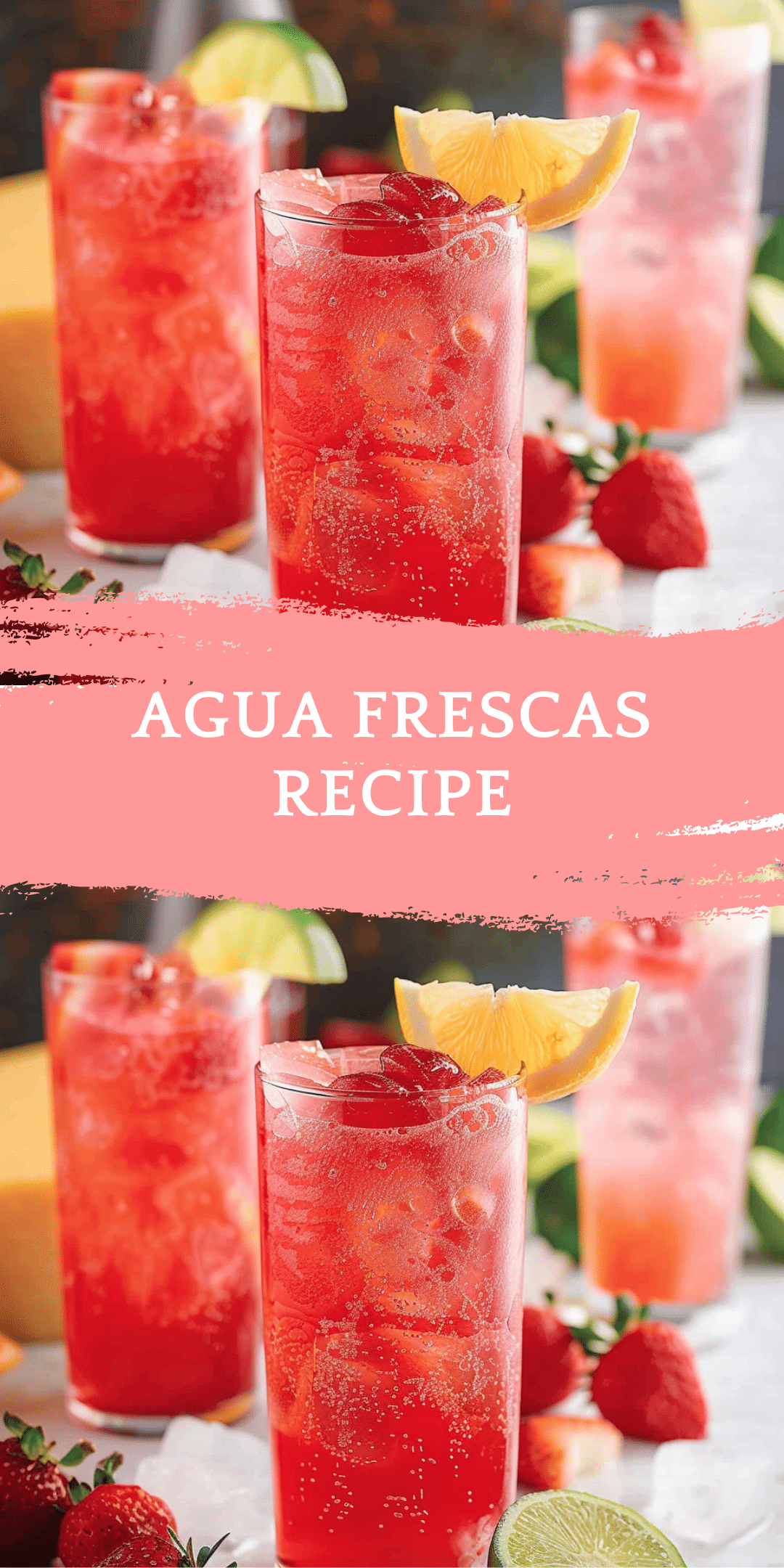
The literal translation of agua fresca from Spanish to English is "cool water" or "fresh water." However, in a culinary and cultural context, it refers to a category of non-alcoholic beverages made by blending fruits, grains, seeds, or flowers with sugar and water to create a light, refreshing drink.
While a dictionary might provide a word-for-word substitution, translating "agua fresca" for a menu, a recipe, or a cultural guide requires a deeper understanding of the beverage's preparation and its role in Mexican and Central American heritage. In 2026, as global culinary boundaries continue to blur, the term is increasingly kept in its original Spanish to preserve its specific identity, much like the terms "espresso" or "sushi."
The Linguistic Breakdown of Agua Fresca
To understand the translation, one must first look at the two components of the phrase: agua (water) and fresca (fresh/cool). In Spanish, the adjective follows the noun. While "fresca" can mean "fresh" in the sense of "new" or "not spoiled," in the context of beverages, it primarily denotes temperature and the sensation of relief from heat.
Literal vs. Figurative Meaning
If a traveler asks for "agua fresca" in a literal sense, they might expect a glass of chilled water. However, in any marketplace (mercado) or restaurant across Mexico and the Southwestern United States, the term triggers a specific expectation of a fruit-infused beverage.
The translation challenge arises because "fruit water" does not fully capture the essence of the drink. In English, "fruit water" often implies a subtle infusion, similar to cucumber-enhanced spa water. In contrast, an agua fresca is a more robust preparation involving the pulverization of ingredients, which are then strained and sweetened. It is more substantial than infused water but significantly lighter and less viscous than a fruit juice (jugo) or a smoothie (licuado).
Why "Fresh Water" is a Misleading Translation
Translating the term as "fresh water" in a technical or environmental context refers to water that is not salty (like lake or river water). This creates a linguistic collision. To avoid confusion, culinary translators and food historians recommend using the Spanish term as a loanword in English, often followed by a parenthetical description such as "traditional Mexican fruit-infused beverage."
The Technical Differences: Agua Fresca vs. Juice vs. Smoothies
In the realm of beverage translation and categorization, precision is vital. As of 2026, the culinary industry uses specific metrics to distinguish these categories. Understanding these differences helps in providing an accurate translation for technical food documentation.
- Agua Fresca: Characterized by a high water-to-ingredient ratio. The solids are typically strained out, leaving a translucent or slightly opaque liquid that is thin in consistency. It is meant to be consumed in large quantities for hydration.
- Jugo (Juice): Usually refers to the 100% extracted liquid from a fruit or vegetable without added water or significant sweeteners. Juices are denser and contain higher concentrations of natural sugars and nutrients per ounce.
- Licuado (Smoothie/Shake): These are blended drinks that often include milk or yogurt and do not remove the pulp or fiber of the fruit. They are thick, filling, and often served as a meal replacement.
- Néctar (Nectar): A term often used for commercially bottled drinks that contain fruit pulp and a high sugar content, but lack the lightness of a freshly prepared agua fresca.
Categories of Agua Fresca and Their Specific Translations
Not all aguas frescas are made from fruit. The category is broad and encompasses various botanical sources. When translating a menu or a grocery list, identifying the specific type is necessary for consumer clarity.
Aguas de Fruta (Fruit-Based)
These are the most common varieties. The fruit is blended with water and passed through a fine-mesh sieve.
- Agua de Sandía: Watermelon water.
- Agua de Melón: Cantaloupe or honeydew water.
- Agua de Limón: Limeade (distinct from American lemonade, as it typically uses small, tart Key limes).
- Agua de Piña: Pineapple water.
Aguas de Flores y Tallos (Floral and Stem-Based)
- Agua de Jamaica: Frequently translated as "Hibiscus Tea," though it is served cold. It is made from the dried calyces of the Hibiscus sabdariffa flower. It has a tart, cranberry-like profile.
- Agua de Alfalfa: Alfalfa water, often brightened with lime and pineapple.
Aguas de Semillas y Cereales (Seed and Grain-Based)
- Agua de Horchata: This is perhaps the most complex term to translate. While the Mexican version is rice-based with cinnamon and vanilla, the Spanish horchata de chufa is made from tiger nuts. In most North American contexts, "Horchata" refers to the rice-based sweet milk drink.
- Agua de Tamarindo: Tamarind water. This involves boiling the pods of the tamarind tree, removing the seeds, and mixing the tart pulp with water and sugar.
Comparison of Popular Aguas Frescas
The following table provides a reference for the most common varieties found in 2026, including their primary ingredients and the standard English culinary translation.
| Spanish Term | Primary Ingredient | English Culinary Translation | Flavor Profile |
|---|---|---|---|
| Agua de Jamaica | Dried Hibiscus Flowers | Hibiscus Iced Tea | Tart, floral, astringent |
| Horchata | Rice, Cinnamon, Vanilla | Sweet Rice Milk | Creamy, spiced, sweet |
| Agua de Tamarindo | Tamarind Fruit Pulp | Tamarind Nectar/Water | Sour, earthy, tangy |
| Agua de Pepino | Cucumber & Lime | Cucumber Lime Cooler | Crisp, refreshing, light |
| Agua de Guayaba | Guava Fruit | Guava Water | Aromatic, tropical, sweet |
| Agua de Chia | Chia Seeds & Lime | Chia Limeade | Textural, citrusy, mild |
The Cultural Significance of the Vitrolero
An essential part of the "agua fresca" translation is the visual representation. In Mexico, these drinks are traditionally stored in large, barrel-shaped glass or plastic containers known as vitroleros. The name comes from "vidrio" (glass).
When translating cultural experiences, mentioning the vitrolero is important because it signifies the communal and "street food" nature of the drink. In 2026, high-end mixology has adopted the vitrolero aesthetic for large-scale events, but the core identity remains rooted in the tianguis (open-air markets) where rows of colorful vitroleros filled with ice and fruit signify the availability of fresh hydration.
Translation for Marketing and Menus in 2026
For business owners and marketers, the question of whether to translate "agua fresca" depends on the target audience. Current trends in 2026 suggest a shift toward transliteration and education rather than literal translation.
Strategies for Menu Localization:
- Keep the Original Name: Use "Agua Fresca" as the primary heading. This builds brand authenticity and respects the cultural origin of the product.
- Use Descriptive Subtitles: Instead of writing "Watermelon Water," write "Agua de Sandía: Refreshing watermelon-infused botanical water."
- Highlight the "Fresh" Aspect: Since "fresca" is a key selling point, emphasize that the drinks are made daily from scratch. In 2026, consumers are highly sensitive to "processed" labels, making the "fresh" translation more valuable than ever.
- Dietary Technicalities: If the translation is for a health-conscious market, note the sweetener. Traditional aguas frescas use cane sugar, but 2026 variations often use monk fruit, agave, or stevia.
Preparation Standards and Ratios
To provide a comprehensive view, a "technical" translation of the preparation process is useful. An agua fresca is generally defined by the following ratio:
- 1 part fruit/flavor base
- 3 to 4 parts water
- Sweetener to taste (typically 5-10% of total volume)
The process involves maceration (letting the fruit sit with sugar) or pulverization (blending), followed by filtration. Unlike American "ade" drinks (like lemonade), which are often acidic and high in sugar, a well-translated agua fresca should prioritize the balance between the water's lightness and the fruit's natural essence.
Common Translation Mistakes to Avoid
- Confusing "Agua Fresca" with "Agua Mineral": Agua mineral is sparkling or mineral water. If a menu translates agua fresca as "sparkling water," it is a significant error.
- Using "Soda" or "Pop": Aguas frescas are non-carbonated. Using "soda" in the translation misleads the customer regarding the texture and mouthfeel.
- Ignoring the "Horchata" Nuance: Simply translating Horchata as "Rice Water" makes it sound unappealing and overlooks the complex spice profile of cinnamon and vanilla.
- Over-simplifying Jamaica: Calling it "Hibiscus Juice" is technically incorrect because the liquid is steeped like a tea, not squeezed from the flower.
The Evolution of the Term in 2026
By 2026, the term "agua fresca" has entered the global lexicon similarly to "chai" or "kombucha." We see international beverage corporations using the label on bottled products. However, the technical translation in a commercial setting often requires a "Standard of Identity."
In the United States and parts of Europe, regulatory bodies may require bottled "Agua Fresca" to contain a minimum percentage of real fruit to use the name, preventing companies from selling artificially flavored sugar water under a traditionally "fresh" label. This regulatory evolution ensures that the translation "fresh water" remains anchored in actual fresh ingredients.
Frequently Asked Questions
Does agua fresca contain alcohol?
Traditionally, no. Agua fresca is a non-alcoholic beverage suitable for all ages. However, in modern "tepache" bars or fusion restaurants in 2026, "hard" aguas frescas (spiked with tequila or mezcal) are common. In a standard translation, it is always assumed to be non-alcoholic unless specified as "con piquete" (with a sting/spike).
Is there a difference between agua fresca and infused water?
Yes. Infused water (spa water) involves soaking large pieces of fruit in water to impart a subtle hint of flavor. Agua fresca involves blending the fruit into the water and then straining it, resulting in a much bolder flavor and a colorful appearance.
Why is it called "water" if it has fruit in it?
The term emphasizes hydration. In the hot climates where these drinks originated, water was the primary need. The addition of fruit and sugar was a way to make the water more palatable and provide a small energy boost from the natural sugars, but the "water" base remains the dominant ingredient.
Is agua fresca healthy?
Compared to carbonated sodas, aguas frescas are generally considered a healthier alternative because they use real fruit and can be made with less sugar. However, the nutritional value depends on the amount of added sweetener. In 2026, many vendors offer "sin azúcar" (without sugar) versions to cater to health-conscious consumers.
Can any fruit be used for an agua fresca?
Almost any fruit with high water content or strong flavor can be used. Common choices include pineapple, strawberry, guava, lime, and melon. Fruits that are very starchy (like bananas) are less common because they affect the "watery" consistency that defines the drink.
Practical Recommendation
When translating "agua fresca" for any professional or personal project, leave the name in Spanish and provide a descriptive English gloss. This honors the beverage's Mexican origins and avoids the linguistic pitfalls of a literal translation. For a menu, the most effective format is: "Agua Fresca – Traditional chilled fruit botanical [Flavor], lightly sweetened and served over ice." This approach covers the temperature, the ingredients, and the cultural context in a single, clear sentence.