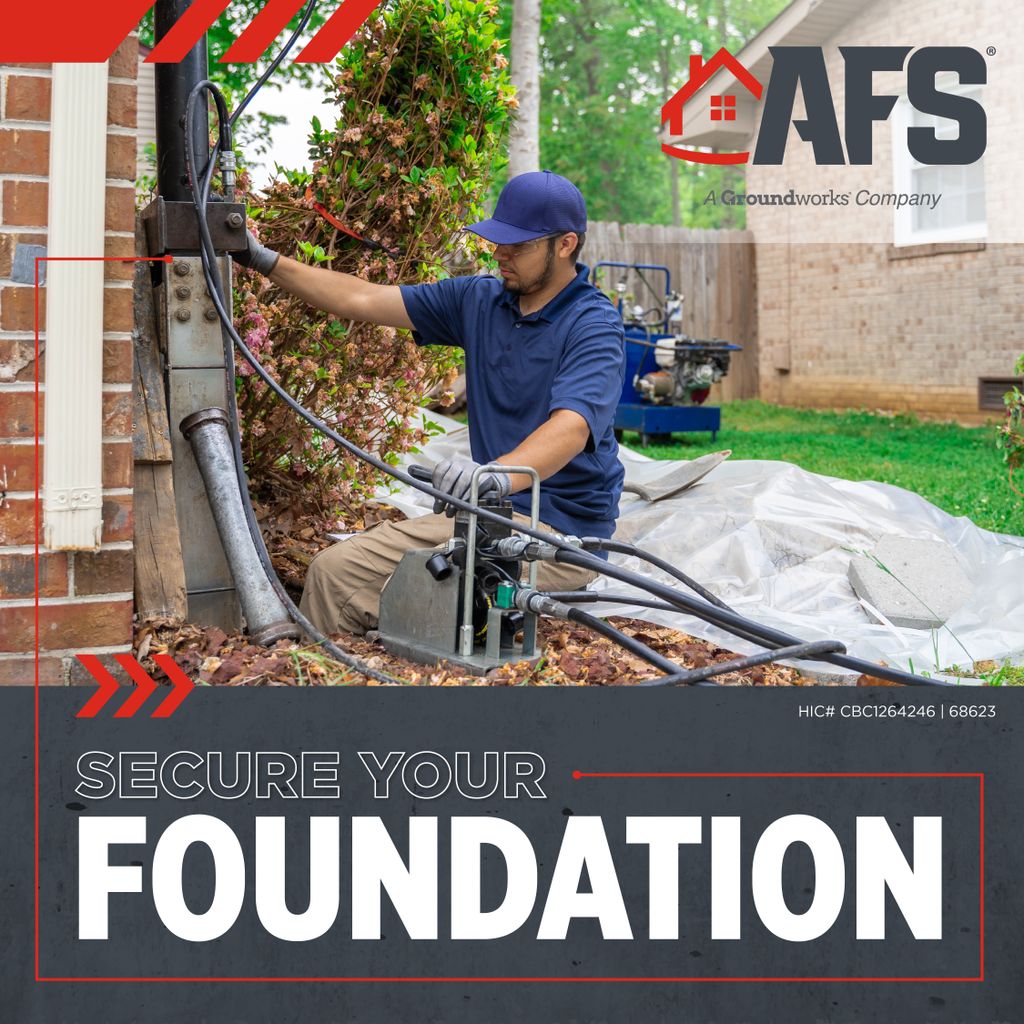
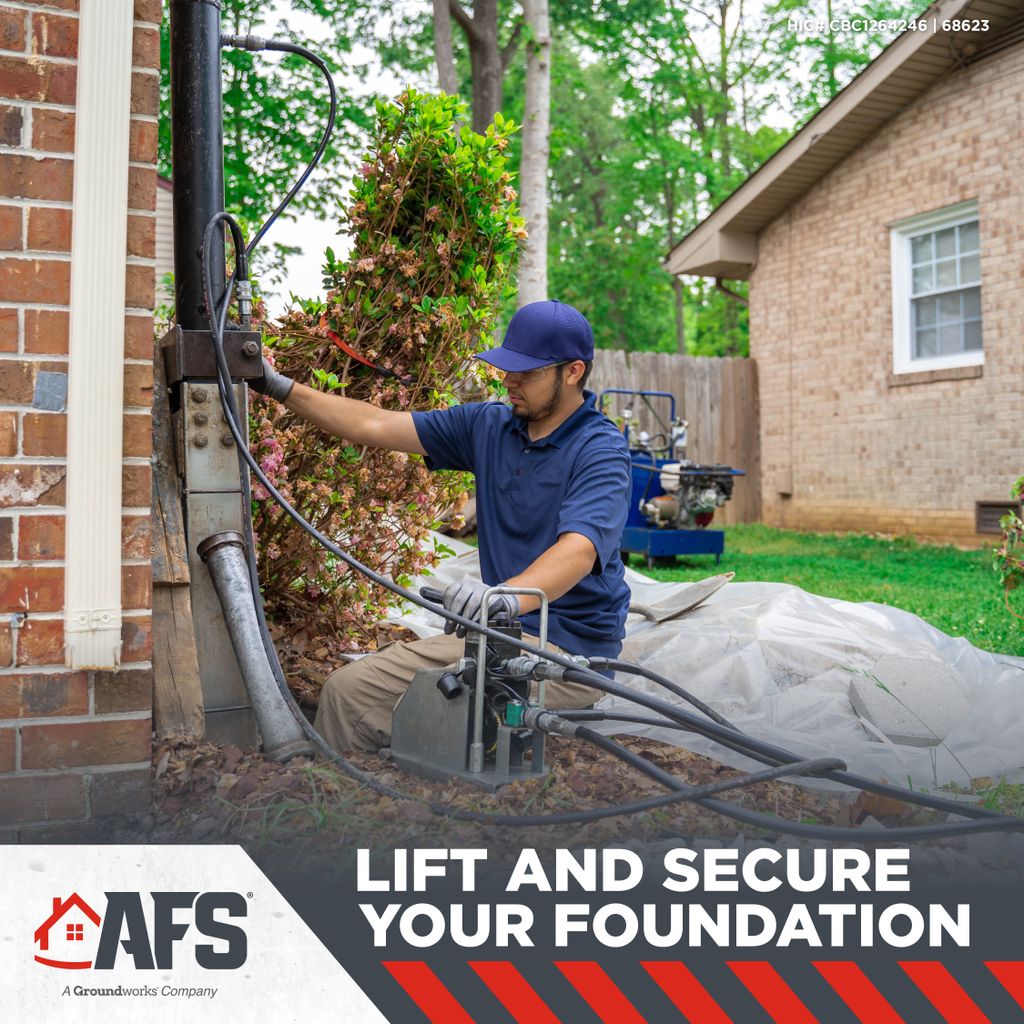
AFS Foundation & Waterproofing Specialists provides comprehensive foundation repair, crawl space encapsulation, and basement waterproofing services to homeowners in Columbus, Georgia. By addressing structural issues—such as settling, bowing walls, and moisture intrusion—caused by the region’s expansive clay soils, AFS utilizes engineered systems like piering and wall anchors to restore long-term stability to residential and commercial properties.
The Impact of Columbus Geology on Home Foundations
The geological landscape of Columbus, Georgia, presents unique challenges for residential and commercial foundations. Situated on the "Fall Line"—the transition zone between the Piedmont plateau and the Atlantic Coastal Plain—the soil composition in Muscogee County is notorious for its high concentration of expansive red clay. As we move through 2026, these environmental factors remain the primary drivers of structural distress in the region.
Expansive clay acts like a sponge. During periods of heavy Georgia rainfall, the clay absorbs water and swells significantly, exerting immense lateral force against basement and crawl space walls—a phenomenon known as hydrostatic pressure. Conversely, during the hot, dry summers typical of the Deep South, the clay loses moisture and shrinks. This constant cycle of expansion and contraction creates voids beneath the concrete footings of a home. Without uniform support, the foundation begins to "settle" or sink into these gaps, leading to structural failures that manifest as cracks, sloping floors, and misaligned apertures.
Furthermore, the proximity to the Chattahoochee River influences local water tables. High water tables increase the likelihood of hydrostatic pressure buildup and sub-surface erosion. Homeowners in Columbus must understand that foundation movement is rarely a static event; it is a progressive issue driven by these specific local soil mechanics. Addressing these problems requires more than a cosmetic fix; it necessitates an engineered approach that transfers the weight of the structure from the unstable topsoil to competent, load-bearing strata deeper underground.
Identifying the Signs of Foundation Distress in Georgia Homes
Recognizing the early warning signs of foundation failure can save Columbus homeowners significant capital by allowing for intervention before a total structural collapse occurs. While some signs are obvious, others are subtle and may be mistaken for standard "settling" or poor craftsmanship.
Interior Indicators
Inside the home, the most common symptom is the appearance of staircase-shaped (stair-step) cracks in the drywall, particularly radiating from the corners of door frames and windows. Because the foundation is no longer level, the wooden framing of the house twists, causing doors to stick or windows to become difficult to open and close. You may also notice gaps appearing between the crown molding and the ceiling or between the baseboards and the floor.
Exterior Symptoms
On the exterior of a brick home, stair-step cracks in the mortar joints are a definitive sign of foundation settlement. In severe cases, the entire chimney may begin to tilt or pull away from the rest of the house. This occurs because chimneys are often built on a separate footing that is smaller and more susceptible to soil movement than the main house foundation.
Basement and Crawl Space Warning Signs
For homes with basements or crawl spaces, vertical or horizontal cracks in the concrete blocks or poured walls are major red flags. Horizontal cracks, in particular, indicate that hydrostatic pressure from the outside soil is pushing the wall inward, which could eventually lead to a total wall failure. In crawl spaces, sagging or bouncy floors usually point to rot in the wooden support beams or the sinking of interior support piers.
AFS Specialized Foundation Repair Technologies
As a specialized contractor under the Groundworks umbrella, AFS utilizes a suite of engineered products designed to provide permanent stabilization. These systems are often categorized by the specific structural problem they are intended to solve.
Foundation Piering Systems
When a foundation is settling, it must be lifted or stabilized using piers. AFS typically employs two types of piering systems:
- Push Piers: Constructed of high-strength steel, these piers are hydraulically driven through the soil until they reach a solid load-bearing layer or bedrock. They utilize the weight of the structure itself as leverage during installation.
- Helical Piers: These resemble large industrial screws. They are "threaded" into the ground and are ideal for lighter structures (like porches) or in areas where the soil conditions make push piers less effective.
Both systems are designed to bypass the "active zone" of expansive clay, ensuring the home rests on stable material that is unaffected by surface weather cycles.
Wall Stabilization and Bracing
To combat bowing walls caused by lateral soil pressure, AFS uses wall anchors and I-beam reinforcement systems.
- Wall Anchors: These involve an interior wall plate connected by a high-strength steel rod to an anchor buried in the stable soil of the yard. Over time, these anchors can be tightened to potentially pull the wall back toward its original vertical position.
- CarbonArmor®: For walls that are just beginning to show signs of stress, carbon fiber reinforcement strips can be bonded to the interior face. This material is thinner than a penny but stronger than steel, preventing any further inward movement without occupying usable basement space.
Crawl Space Encapsulation and Moisture Management
In Columbus, the high humidity levels often lead to moisture accumulation in crawl spaces. Traditional vented crawl spaces allow humid air to enter, where it condenses on cool surfaces, leading to mold growth, wood rot, and poor indoor air quality.
AFS addresses this through a process called encapsulation. This involves sealing the crawl space floor and walls with a heavy-duty, multi-ply plastic vapor barrier (often 20-mil thickness). The vents are then sealed, and a dedicated dehumidifier is installed to maintain the relative humidity below 50%. This not only protects the structural integrity of the floor joists but also improves the energy efficiency of the home by reducing the load on the HVAC system.
The "Stack Effect" is a critical concept here: air from the crawl space naturally rises into the living areas of the home. By cleaning and drying the crawl space, homeowners effectively improve the air they breathe in their bedrooms and kitchens.
The Concrete Lifting and Leveling Process
Foundation issues often extend to peripheral concrete surfaces such as driveways, sidewalks, and pool decks. When the soil beneath these slabs erodes or settles, the concrete can crack and create dangerous tripping hazards.
AFS utilizes a modern technique known as polyurethane foam injection (often branded as PolyRenewal™). Unlike traditional "mudjacking," which uses a heavy grout mixture that adds more weight to the unstable soil, polyurethane is lightweight and waterproof.
- Small holes (about the size of a dime) are drilled into the sunken slab.
- A high-density polymer is injected beneath the surface.
- The foam expands rapidly, lifting the slab back to its original level.
- The foam cures within 15 to 30 minutes, allowing for immediate use of the area.
This method is preferred in 2026 for its durability and minimal disruption to the homeowner’s property.
Cost Considerations for 2026 Foundation Repairs
The cost of foundation repair in Columbus, Georgia, is highly variable and depends on the severity of the damage and the linear footage of the area requiring stabilization. Because foundation repair is a specialized engineering task, it represents a significant investment in the property's longevity.
| Repair Category | Estimated Cost Range (2026) | Primary Cost Drivers |
|---|---|---|
| Piering (per pier) | $1,500 – $3,000 | Depth to bedrock, accessibility, pier type |
| Wall Anchors (per anchor) | $800 – $1,500 | Soil density, length of rod required |
| Crawl Space Encapsulation | $5,000 – $15,000 | Square footage, moisture levels, debris removal |
| Concrete Lifting | $1,000 – $4,500 | Volume of foam needed, number of slabs |
| Full Foundation Stabilization | $15,000 – $50,000+ | Total perimeter, degree of settlement |
It is important to note that many foundation repair companies, including AFS, offer financing options. In 2026, most structural repairs are viewed by lenders as "value-preserving" investments, making it easier to secure home improvement loans. Ignoring these issues typically leads to exponentially higher costs later, as internal damage (plumbing leaks, roof stress) begins to accumulate.
Choosing a Specialist vs. a General Contractor
Homeowners are often tempted to hire a general handyman or a traditional masonry contractor to "patch" foundation cracks. However, foundation repair is a specialized branch of civil engineering.
A general contractor may fill a crack with epoxy, but they are not addressing the reason the crack appeared. If the soil is still shifting, the crack will simply reappear next to the patch. AFS and similar specialists employ trained technicians who use diagnostic tools to determine exactly where the settlement is occurring and why.
Working with a specialist usually provides:
- Transferable Warranties: Crucial for maintaining home resale value.
- Engineered Products: Materials that have been lab-tested for specific load-bearing capacities.
- Permit Compliance: Knowledge of Columbus and Muscogee County building codes and permit requirements for structural alterations.
Common Mistakes to Avoid
When dealing with foundation issues in the Georgia climate, several common errors can exacerbate the problem:
- Waiting too long: Structural issues are progressive. A $5,000 crack today can become a $25,000 wall replacement in two years.
- Improper Drainage: Many foundation problems start with water. Homeowners should ensure gutters are clean and downspouts discharge at least 10 feet away from the foundation.
- Planting Trees too Close: Large tree roots can draw massive amounts of moisture out of the clay soil, causing localized shrinkage and settlement under the footings.
- DIY Foundation Jacking: Attempting to lift a house with manual jacks without proper engineering oversight can cause catastrophic damage to the home's frame and plumbing.
FAQ
Does homeowners insurance cover foundation repair in Columbus?
Typically, standard homeowners insurance policies do not cover foundation repair if the damage is caused by "earth movement" or "settlement," which are considered maintenance issues. However, if the foundation damage is a direct result of a covered peril, such as a sudden pipe burst or a major flood event (depending on your flood rider), there may be partial coverage. Always consult your specific policy and an insurance adjuster before beginning work.
How long do foundation repairs usually take?
Most residential foundation repairs in the Columbus area can be completed within 2 to 5 days. Piering and wall stabilization are labor-intensive but do not usually require the family to vacate the home. Crawl space encapsulation may take longer if there is significant debris removal or mold remediation required before the liner can be installed.
Can I sell a house in Georgia with foundation problems?
Yes, but you are legally required to disclose known structural issues on the Georgia Property Disclosure Statement. Selling a home with unrepaired foundation issues often results in significantly lower offers or difficulty securing buyer financing, as many lenders (especially for FHA or VA loans) require a structural engineer's "clean" report before approving a mortgage.
What makes Georgia clay so difficult for foundations?
Georgia's red clay is an "expansive" soil, meaning it contains minerals like montmorillonite that physically grow in size when wet. This creates high "swell pressure" that can lift entire slabs or push in basement walls. When the clay dries, it loses volume and leaves the foundation unsupported.
Are the warranties offered by AFS transferable?
Most professional foundation repair companies offer warranties that stay with the structure, not the owner. This is a significant selling point during a real estate transaction, as it provides the new buyer with peace of mind that the structural integrity is guaranteed by the contractor.
Is foundation repair worth it for an older home?
In many cases, yes. Many historic homes in the Columbus "District" or near MidTown have survived for decades but are finally succumbing to soil fatigue. Since the "bones" of these older homes are often higher quality than modern builds, stabilizing the foundation can preserve a valuable asset for another century.
Practical Recommendation
If you suspect your Columbus home is experiencing foundation movement, the first step is to schedule a professional inspection. A reputable specialist will provide a detailed plan that includes a map of the current elevations and a breakdown of the necessary interventions. Do not settle for a "quick fix" or a simple cosmetic repair; ensure that any solution addresses the underlying soil mechanics to prevent future recurrence. In the 2026 real estate market, a certified, stabilized foundation is essential for protecting your home’s equity and safety.