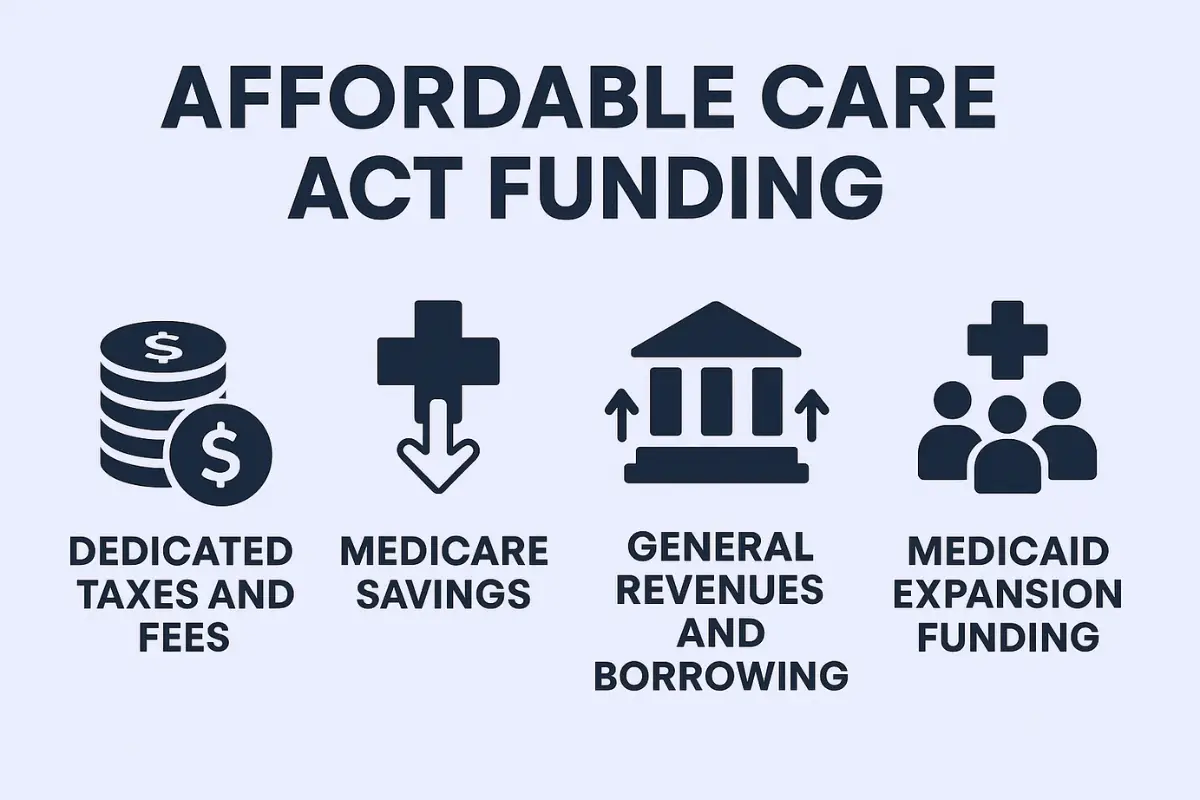
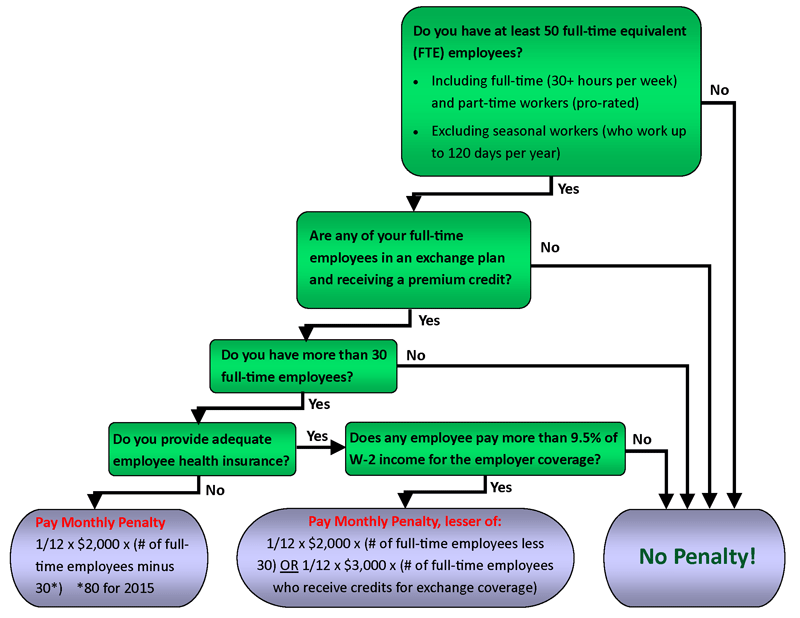
While the federal penalty for not having health insurance under the Affordable Care Act was reduced to zero at the federal level, many taxpayers still need to understand how coverage mandates, state-level rules, and related tax provisions operate. Navigating the intersection of healthcare mandates and tax compliance requires a clear grasp of historical context, current state-level enforcement mechanisms, exemptions, and proper tax reporting procedures.
The Evolution of the Affordable Care Act Mandate
When the Patient Protection and Affordable Care Act (ACA) was enacted in 2010, it introduced a cornerstone provision known as the individual shared responsibility payment. This provision mandated that most Americans maintain a minimum level of health insurance coverage—referred to as minimum essential coverage—or pay a tax penalty, unless they qualified for an official exemption.
The primary purpose of this mandate was to broaden the insurance risk pool. By encouraging healthy individuals to purchase insurance, the legislation aimed to balance out the higher medical costs of older or sicker policyholders, thereby stabilizing premiums in the individual health insurance market. For several years, taxpayers filing federal income tax returns had to indicate whether they and their dependents maintained coverage throughout the tax year, calculating a shared responsibility payment on IRS Form 8965 if they experienced gaps in coverage.
The Federal Shift to Zero
The federal landscape shifted significantly with the passage of the Tax Cuts and Jobs Act of 2017. Effective for the 2019 tax year and continuing forward, Congress reduced the federal individual shared responsibility payment to $0.
This legislative change means that taxpayers no longer face a federal tax penalty from the Internal Revenue Service (IRS) for failing to maintain minimum essential coverage. However, it is vital to distinguish between federal and state policy. The elimination of the federal penalty did not repeal the statutory requirement that individuals maintain coverage; rather, it removed the financial enforcement mechanism at the federal level. Consequently, the IRS no longer requires taxpayers to submit Form 8965 to report exemptions, and federal tax returns no longer calculate a federal penalty for uninsured status.
State-Level Individual Mandates and Penalties
Although the federal penalty was reduced to zero, several states enacted their own state-level individual health insurance mandates to preserve coverage levels and protect their regional insurance markets. If you reside in one of these states, you may still be subject to state tax penalties if you or your dependents go without qualifying health coverage and do not qualify for an exemption.
States that have implemented individual mandates typically integrate enforcement into their state income tax filing processes. Residents must report their health insurance status on their state tax returns, and failure to maintain coverage or secure an exemption results in a state-level penalty assessed by the state tax authority.
States Enforcing Individual Health Insurance Mandates
| State | Mandate Effective Year | Enforcement Mechanism |
|---|---|---|
| Massachusetts | 2007 (Pre-dates ACA) | State income tax penalty via Schedule HC |
| New Jersey | 2019 | State income tax penalty via Form NJ-1040 |
| California | 2020 | State income tax penalty via Form 3832 |
| Rhode Island | 2020 | State income tax penalty via Form TAX-385 |
| District of Columbia | 2019 | District income tax penalty via Form D-40 |
| Vermont | 2025 (Reporting only) | Annual health insurance reporting (no financial penalty) |
Taxpayers living in these jurisdictions must evaluate their coverage status carefully against state-specific guidelines. While federal rules provide broad relief from penalties, state regulations carry independent legal weight and require strict compliance during state tax preparation.
Qualifying Exemptions from Health Insurance Mandates
Even under state-level mandates, lawmakers built various exemptions into the framework to protect individuals who face financial hardship, cultural obstacles, or other structural barriers to obtaining health insurance. Understanding these exemptions is essential for avoiding improper state tax penalties.
Exemptions generally fall into several distinct categories:
- Affordability Hardships: Individuals who lack access to affordable coverage—defined as the lowest-cost plan option exceeding a specific percentage of their household income—may qualify for an affordability exemption.
- General Financial Hardships: Situations such as bankruptcy, eviction, foreclosure, experiencing domestic violence, or suffering substantial property damage from a natural disaster can qualify a taxpayer for a hardship exemption.
- Coverage Gaps: Short gaps in coverage, typically lasting fewer than three consecutive months during a calendar year, are often exempt from penalties.
- Religious Conscience: Members of certain recognized religious sects with traditional objections to insurance may seek formal exemptions through state health insurance marketplaces.
- Incarceration: Individuals who are incarcerated in a penal institution are generally exempt from maintaining coverage while detained.
Applying for or claiming these exemptions often requires specific documentation. In states with active mandates, taxpayers can request exemptions either through the state-administered health insurance marketplace or directly on their state tax returns using designated schedules.
Minimum Essential Coverage and Compliance
To avoid state-level penalties and maintain good standing, individuals must ensure that their health insurance policy qualifies as minimum essential coverage (MEC). Not all health-related products meet this definition, and misunderstanding coverage types can lead to unexpected tax liabilities.
Qualifying types of minimum essential coverage typically include:
- Employer-Sponsored Coverage: Group health plans, including plans providing coverage through a current or former employer or union, whether fully insured or self-insured.
- Individual Market Plans: Coverage purchased directly through individual carriers or state and federal health insurance marketplaces (such as healthcare.gov).
- Government-Sponsored Programs: Public healthcare programs including Medicare, most Medicaid programs, Children's Health Insurance Program (CHIP) coverage, TRICARE, and veteran healthcare programs administered by the Department of Veterans Affairs.
Conversely, specialized or supplemental products—such as standalone dental or vision plans, discount cards, workers' compensation, and short-term limited-duration insurance policies—do not qualify as minimum essential coverage. Residents in states with active mandates must verify that their primary health plan satisfies state statutory definitions.
Frequently Asked Questions
Is there still a federal penalty for not having health insurance?
No. The federal individual shared responsibility payment was reduced to $0 beginning with the 2019 tax year. Taxpayers do not pay a penalty to the IRS for lacking health insurance on their federal tax returns, nor do they need to file Form 8965 to claim exemptions.
Do I need to report my health insurance status on my federal tax returns?
Generally, no. Standard individual federal income tax returns (such as Form 1040) no longer require taxpayers to check a box regarding health coverage or report ACA compliance details, as the federal enforcement mechanism has been eliminated.
Which states charge a penalty for being uninsured?
States including California, New Jersey, Rhode Island, Massachusetts, and the District of Columbia operate individual mandates backed by state tax penalties. Vermont maintains a reporting requirement without a financial penalty. Taxpayers should consult their specific state tax agency for up-to-date filing instructions.
How are state-level health insurance penalties calculated?
State penalties are typically calculated using one of two methods: a flat dollar amount per uninsured adult and dependent (capped at a family maximum) or a percentage of household income exceeding the state tax filing threshold. State tax authorities assess the higher of the two calculations.
What should I do if I received a state tax penalty notice for lack of coverage?
If you believe a state penalty was assessed in error, you should review your state tax return to ensure your coverage was reported accurately. If you qualified for an exemption during the tax year, you may need to submit supporting documentation or file an amended state tax return along with the appropriate state exemption forms.
Next Steps and Professional Guidance
Navigating health insurance compliance requires careful attention to geographic jurisdiction and changing tax regulations. If you reside in a state with an active individual mandate, consult the official state health insurance marketplace or state department of revenue website to confirm your coverage obligations and review available exemption forms. Because tax laws and state guidelines are subject to periodic administrative review, individuals with complex financial situations should consult a qualified certified public accountant or tax professional to ensure accurate reporting and compliance.