Term life insurance underwriting involves a comprehensive review of an applicant's medical history, lifestyle, and current health status. When individuals regularly consume adult dietary supplements—such as bodybuilding powders, herbal extracts, pre-workout formulas, or testosterone boosters—life insurance companies evaluate these products carefully during the risk assessment process. Underwriters examine the specific ingredients, intended purposes, and frequency of use to determine whether these substances indicate underlying health conditions or introduce potential risks that impact policy eligibility and pricing.
Navigating the intersection of supplement use and term life insurance requires a clear understanding of how insurance carriers view non-prescription products. While vitamins and standard multivitamins rarely raise red flags, specialized adult supplements designed for muscle building, weight loss, or hormonal balance can trigger additional underwriting scrutiny. Insurance companies rely on detailed medical questionnaires, prescription history databases, and sometimes paramedical exams to verify health metrics. Being transparent about supplement habits ensures accurate rate classification and prevents potential claim complications down the line.
Understanding Term Life Insurance and Underwriting Fundamentals
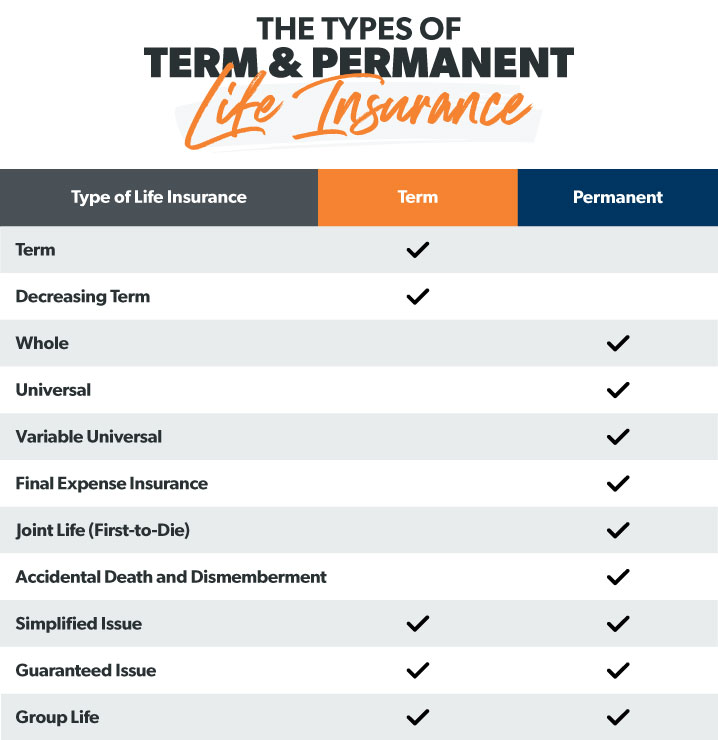
Term life insurance provides financial protection for a specified period, such as 10, 20, or 30 years, paying a death benefit to beneficiaries if the insured passes away during the active term. Because these policies offer straightforward, temporary coverage without an investment component, insurers price them based on the statistical likelihood of mortality during the contract window.
The underwriting process serves as the core mechanism insurance companies use to assess risk. Underwriters review various factors, including age, family medical history, driving record, occupation, and personal health habits. Personal health habits encompass everything from tobacco use and alcohol consumption to routine physical activity and nutritional supplement intake.
Carriers categorize applicants into distinct rate classes, ranging from Preferred Plus (or Preferred Best) to Standard and Substandard. Each tier corresponds to a specific pricing structure, where healthier applicants secure lower premiums. When an applicant uses adult supplements, underwriters must determine if the product is a benign addition to a healthy lifestyle or a masking agent for underlying medical issues, or worse, a source of harmful physiological side effects.
Why Insurance Underwriters Care About Adult Supplements
Insurance carriers do not view all supplements equally. The primary concern for an underwriter is twofold: the physiological impact of the ingredients themselves and the underlying health condition that prompted the individual to take the supplement in the first place.
Many specialized adult supplements contain potent active ingredients that can affect blood pressure, heart rate, liver function, and hormonal balance. For example, pre-workout formulas often feature high concentrations of stimulants like caffeine, synephrine, or experimental compounds that may elevate cardiovascular strain. If an applicant has an undiagnosed heart murmur or hypertension, high-stimulant products can exacerbate these conditions.
Furthermore, underwriters investigate the why. If an applicant takes joint support supplements, it may point toward chronic joint pain or past athletic injuries. If someone consumes testosterone boosters or specialized hormone regulators, underwriters will look closely at why those hormone levels need support, checking for endocrine disorders, low testosterone diagnoses, or previous steroid use. Transparency is critical because omitting supplement use on an application can be considered material misrepresentation, potentially jeopardizing the policy's validity.
Categories of Adult Supplements and Their Underwriting Impact
To anticipate how an insurance carrier will evaluate a particular regimen, it helps to break adult supplements down into distinct categories. Each category carries different implications for risk assessment.
Bodybuilding and Performance Enhancers
Products in this category include creatine, branched-chain amino acids (BCAAs), protein powders, and mass gainers. Standard protein powders and creatine are generally viewed neutrally or even positively if used as part of a balanced fitness routine. However, extreme mass gainers loaded with sugars and fats can raise concerns about metabolic health and cholesterol levels.
Pre-Workout and Energy Formulas
High-stimulant pre-workouts, thermogenics, and energy blends often contain intense doses of caffeine and other legal stimulants. Underwriters review these products for their potential impact on blood pressure and cardiac rhythms. Regular use of heavy stimulants may prompt requests for an electrocardiogram (EKG) during the paramedical exam to rule out left ventricular hypertrophy or arrhythmia.
Hormonal and Libido Support Supplements
Testosterone boosters, DHEA, herbal blends like ashwagandha or horny goat weed, and specialized men's or women's health formulas fall into this group. Underwriters treat hormonal supplements with heightened caution. They want to ensure the user is not taking synthetic anabolic steroids or masking an underlying endocrine pathology. Blood and urine tests conducted during underwriting will screen for liver enzymes and hormone panels, which can reveal discrepancies between reported health and actual physiological function.
Weight Loss and Metabolic Supplements
Diet pills, fat burners, and metabolism boosters frequently contain powerful stimulants or unverified herbal extracts. Because some historical weight loss ingredients have been linked to cardiovascular complications and stroke, underwriters look very closely at metabolic supplements. They will check the applicant's body mass index (BMI), resting heart rate, and blood pressure to ensure these products have not caused adverse health effects.
| Supplement Category | Common Ingredients | Primary Underwriter Concern | Typical Impact on Coverage |
|---|---|---|---|
| Basic Nutritional | Multivitamins, protein powder, fish oil | Minimal; general wellness support | None to favorable |
| Pre-Workouts & Stimulants | Caffeine anhydrous, synephrine, yohimbe | Cardiovascular strain, blood pressure spikes | Potential for minor rate adjustment or EKG request |
| Hormonal & Libido | DHEA, herbal testosterone boosters, plant extracts | Endocrine health, potential steroid history | Requires detailed questionnaire; possible lab screening |
| Weight Loss / Fat Burners | Green tea extract concentrates, banned or harsh stimulants | Liver toxicity, metabolic and heart stress | Varies; scrutinized heavily if BMI is low or blood pressure is elevated |
How to Prepare Your Application When You Take Supplements
Being proactive and organized can streamline the term life insurance underwriting process, especially if you take multiple adult supplements. Insurance companies appreciate clarity, and providing comprehensive documentation upfront prevents unnecessary delays and follow-up medical requirements.
- Maintain a Complete List: Write down the exact brand names, product labels, and daily dosages of every vitamin, powder, and supplement you consume.
- Identify the Purpose: Be prepared to explain why you take each supplement. For instance, if you take a specialized joint supplement, note whether it is for general recovery after distance running or due to a specific past injury.
- Disclose Honestly: Never hide supplement use on a medical questionnaire. Underwriters cross-reference prescription databases, medical records, and lab results. Full disclosure builds trust and prevents claims denial issues later.
- Highlight Healthy Lifestyle Habits: Frame your supplement use within a broader context of healthy living. Emphasize regular cardiovascular exercise, clean nutrition, routine physical check-ups, and a lack of tobacco or excessive alcohol use.
- Work with an Independent Agent: Independent insurance brokers work with multiple carriers. They can shop your specific profile—including your supplement habits—to the company most lenient or experienced with fitness-focused applicants.
Common Misconceptions About Supplements and Life Insurance
Several myths persist regarding how life insurance companies evaluate dietary and adult supplements. Dispelling these misconceptions helps applicants approach the process with realistic expectations.
One common belief is that taking any fitness supplement automatically classifies an applicant as high-risk. In reality, standard nutritional supplements like whey protein, creatine, and daily multivitamins are extremely common and rarely impact pricing. The scrutiny increases primarily when products contain potent pharmaceutical-grade stimulants, unverified hormones, or when the supplements attempt to treat an unmanaged medical condition.
Another misconception is that life insurance medical exams will not detect supplement-induced physiological markers. Paramedic panels test for cholesterol, liver enzyme function, kidney performance, and blood glucose levels. If a supplement has placed undue stress on your liver or kidneys, standard blood work will highlight those anomalies regardless of what is written on the application questionnaire.
Finally, some assume that if they stop taking a supplement right before applying, it will erase its underwriting footprint. Underwriters look at long-term health history, and sudden changes in lab work or medical records can prompt additional questions. Honesty about current routines is always the safest and most effective strategy.
Frequently Asked Questions
Will taking protein powder or creatine raise my life insurance rates?
No. Standard fitness supplements like whey protein, plant-based proteins, and creatine are widely used and generally viewed as neutral or even positive indicators of an active lifestyle. Underwriters only focus on these if they are tied to adverse health markers in your blood work or physical exam.
Do I need to list daily multivitamins on my life insurance application?
While you should always follow the explicit instructions on your application forms, standard daily multivitamins and basic vitamin C or D supplements are rarely scrutinized. However, if an underwriter asks for a complete medication and supplement history, listing them ensures total transparency.
What happens if an insurance company finds unlisted supplements in my medical records?
Failing to disclose regular supplement use—especially hormone regulators or strong stimulants—can be viewed as a material misrepresentation. This can lead to your application being delayed, re-rated into a more expensive tier, or outright denied. In severe cases, misrepresentation discovered after policy issuance can complicate death benefit payouts.
Can specialized adult supplements cause me to fail my medical exam?
Certain high-stimulant pre-workouts or weight loss aids can temporarily elevate blood pressure or resting heart rate during a paramedical exam. If your readings come back elevated, the insurance carrier may require a postponement or a re-test, or ask your physician for clarification.
Are natural herbal supplements safer for underwriting than synthetic ones?
Not necessarily. Underwriters evaluate products based on their physiological effects rather than whether they are marketed as "natural." Many potent herbal extracts can interact with prescription medications or impact organ function just as strongly as synthetic compounds.
Next Actions and Recommendations
If you currently take adult supplements and plan to apply for term life insurance, begin by compiling a comprehensive list of every product, ingredient, and dosage you consume. Schedule a routine physical with your primary care physician to ensure your blood pressure, cholesterol, and metabolic panels are within healthy ranges. Finally, consult with an independent insurance broker who can evaluate your complete health and fitness profile and match you with a carrier whose underwriting guidelines favorably accommodate active adults.