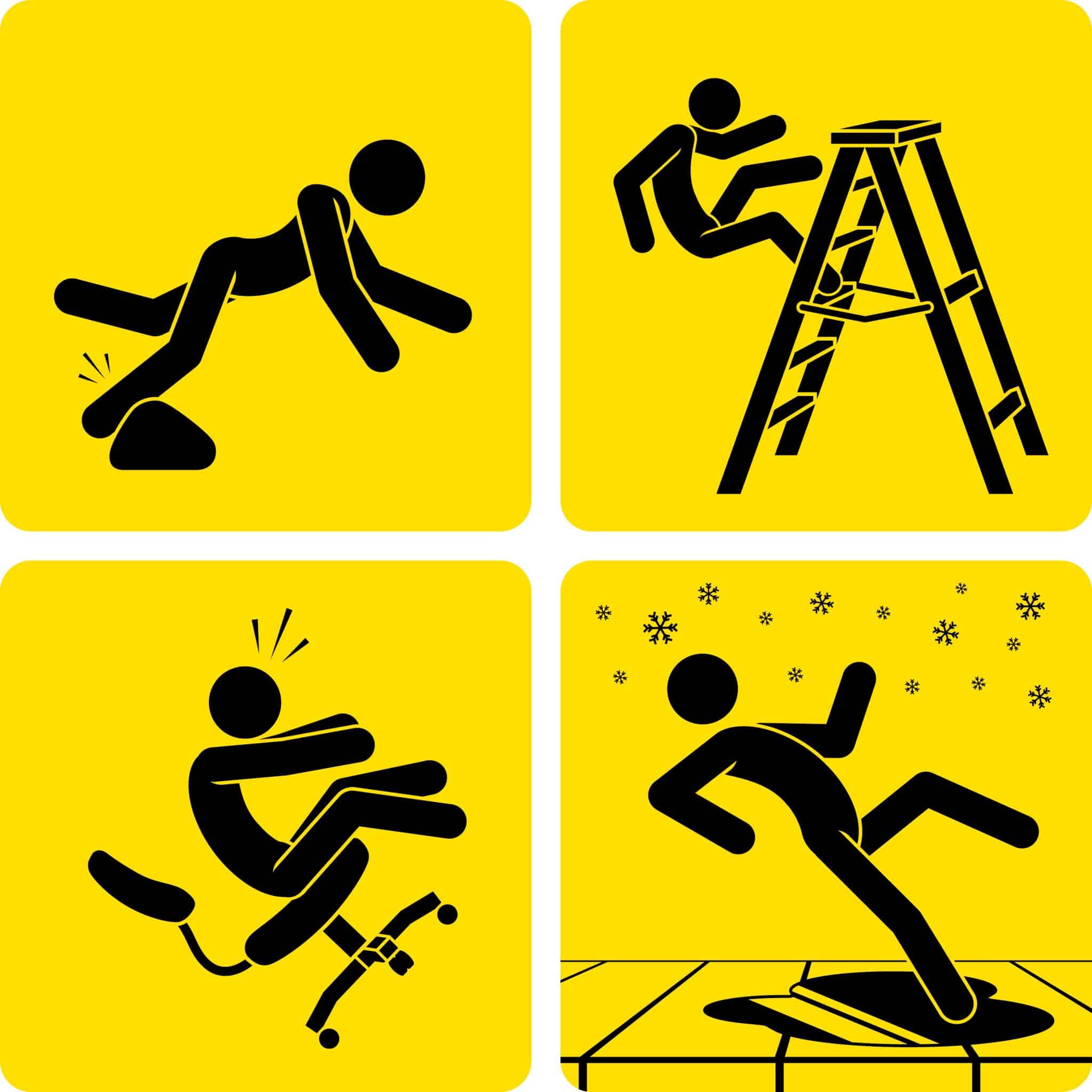
An accident at work occurs when an employee suffers an injury or illness during the course of their employment. Handling these incidents requires immediate medical attention, formal reporting to the employer, and an understanding of the legal and insurance frameworks available to support recovery, rehabilitation, and potential financial compensation for damages.
Identifying and Managing Work-Related Accidents
An accident at work is defined as any unplanned event arising out of or in the course of employment that results in injury, illness, or death. These events range from minor slips, trips, and falls to severe industrial injuries involving heavy machinery, chemical exposure, or repetitive strain. Understanding the scope of what constitutes a reportable workplace accident is the first step for any employee or manager.
Not every discomfort qualifies as a workplace accident. For example, a pre-existing condition that worsens without a specific workplace trigger may not be classified as a work-related injury. Conversely, events that occur during transit, such as a commute to work, are typically excluded unless the employee is traveling specifically for work-related purposes or using employer-provided transport.
The Immediate Response Protocol
When an accident occurs, the priority is always safety and medical stabilization. Delaying treatment can exacerbate injuries and create complications for future insurance claims.
- Assess the Environment: Ensure the area is safe before approaching the victim. If the hazard is ongoing (e.g., a gas leak or live wire), do not expose others to risk.
- Seek Professional Medical Care: Even if an injury appears minor, document it through a medical professional. A general practitioner or emergency room doctor provides an objective, dated record of the condition.
- Notify Management: Report the incident to a supervisor or designated safety officer immediately. In many jurisdictions, there is a legal requirement for employers to maintain an accident book or digital register for all injuries.
- Gather Evidence: Take photographs of the scene, the hazard (such as a trailing cable or wet floor), and any personal protective equipment (PPE) involved. Collect contact details from witnesses who observed the event.
Regulatory Reporting Requirements
Employers are under a legal mandate to maintain a safe working environment. This involves risk assessments and the implementation of controls to mitigate hazards. When these controls fail, the law requires specific reporting procedures, often monitored by national health and safety regulators.
In many regions, major accidents, deaths, or cases of occupational disease must be reported to the relevant health and safety authority within a set timeframe. This is not just a bureaucratic hurdle; it is a vital mechanism for tracking systemic safety failures. If an employer fails to report a serious incident, they may face significant fines and potential criminal liability.
Documentation Essentials
Documentation serves as the foundation for both internal investigations and external legal or insurance proceedings. A robust accident report should include:
- Full names and job titles of those involved.
- The exact date, time, and location of the incident.
- A factual description of how the accident happened.
- Details of the injury sustained and the treatment provided.
- A record of any witnesses present.
Understanding Legal Protections and Insurance
After an accident at work, employees often find themselves navigating a complex intersection of employment law, insurance policies, and social security benefits. The objective is to ensure that the injured party does not suffer financial ruin due to lost wages or medical expenses while recovering.
Workers' Compensation and Insurance
Workers' compensation is a form of insurance that provides wage replacement and medical benefits to employees injured in the course of employment. In exchange for these guaranteed benefits, employees are typically prohibited from suing their employers for negligence, barring instances of gross misconduct or intentional harm.
Understanding the "Exclusive Remedy" rule is crucial. While this rule protects the employer from litigation, it also simplifies the recovery process for the employee by removing the need to prove fault. Instead, the focus is purely on the injury and its connection to the workplace.
Comparative Framework: Compensation Pathways
The following table outlines the general differences between seeking benefits through insurance versus pursuing a legal claim.
| Feature | Workers' Compensation | Civil Litigation |
|---|---|---|
| Proof Required | Injury occurred during work | Employer negligence |
| Fault Requirement | No-fault (mostly) | Fault must be proven |
| Compensation | Fixed medical/wage loss | Variable (includes pain and suffering) |
| Speed of Payout | Generally faster | Usually slower and complex |
| Legal Representation | Often not required | Almost always required |
Managing Recovery and Return to Work
The path to returning to work begins immediately after the initial injury. A "Return-to-Work" plan is a collaborative effort between the employee, their medical provider, and the employer. This process is designed to prevent long-term disability and help the employee reintegrate into their role at a pace that respects their recovery needs.
Phased Returns and Reasonable Accommodations
Employers may be required to offer "reasonable accommodations" to facilitate a return. This could include:
- Reduced Hours: Gradually increasing shifts to build stamina.
- Modified Duties: Shifting focus to administrative tasks if physical labor is currently restricted.
- Equipment Adjustments: Providing ergonomic chairs, specialized tools, or modified workstations.
Failure to support a reasonable return-to-work plan can lead to claims of workplace discrimination, particularly if the injury has resulted in a long-term disability.
Preventing Future Incidents
The best approach to workplace accidents is proactive prevention. Organizations that maintain a strong culture of safety rely on three pillars: engineering controls, administrative processes, and personal protective equipment.
- Engineering Controls: Physically changing the environment to remove the hazard, such as installing guardrails on high platforms or adding ventilation systems to extract toxic fumes.
- Administrative Processes: Implementing job rotation to prevent repetitive strain, enforcing strict maintenance schedules for machinery, and providing consistent training.
- PPE (Personal Protective Equipment): The final line of defense. Items such as safety helmets, high-visibility clothing, and steel-toed boots must be provided by the employer, maintained correctly, and worn consistently by the staff.
Frequently Asked Questions
1. What should I do if my employer refuses to record my accident? You should document the incident independently and send a written report to management via email or registered letter. Keeping a personal record of this communication is vital. If the refusal continues, consider contacting your local health and safety regulatory body or a legal representative.
2. Can I be fired for having an accident at work? In many jurisdictions, it is illegal to terminate an employee solely for having a workplace accident. However, employment law is complex. If you believe your termination is retaliatory, you should consult an employment lawyer to determine if your rights have been violated.
3. Does workers' compensation cover accidents occurring during my lunch break? Coverage for lunch breaks depends on whether you remain on the employer's premises and the specific laws of your jurisdiction. Generally, if you are off-site for a personal break, the time is considered your own, but if you are injured while performing a work-related task during your break, it may still be covered.
4. How long do I have to report an accident? Statutes of limitations vary by location and the type of claim. While you should report an incident immediately to ensure the safety of others and your access to benefits, legal claims often have specific deadlines ranging from a few months to several years. Check your local statutes or consult an advisor.
5. What is the difference between an accident and an incident? In safety terms, an "accident" usually implies injury or damage, whereas an "incident" (or "near-miss") is an event that could have caused harm but did not. Both should be recorded to prevent future, potentially more severe occurrences.
Next Actions for the Injured Worker
If you have been involved in an accident at work, your immediate next step is to secure all documentation related to the event. Compile your medical reports, internal incident filings, and any correspondence with your employer. If you are experiencing long-term impacts, seek a professional consultation with an attorney specializing in employment law to ensure you understand your rights regarding compensation and protection against workplace retaliation. Maintain an objective, factual record of every step taken to resolve the issue to ensure your position remains protected throughout the recovery process.