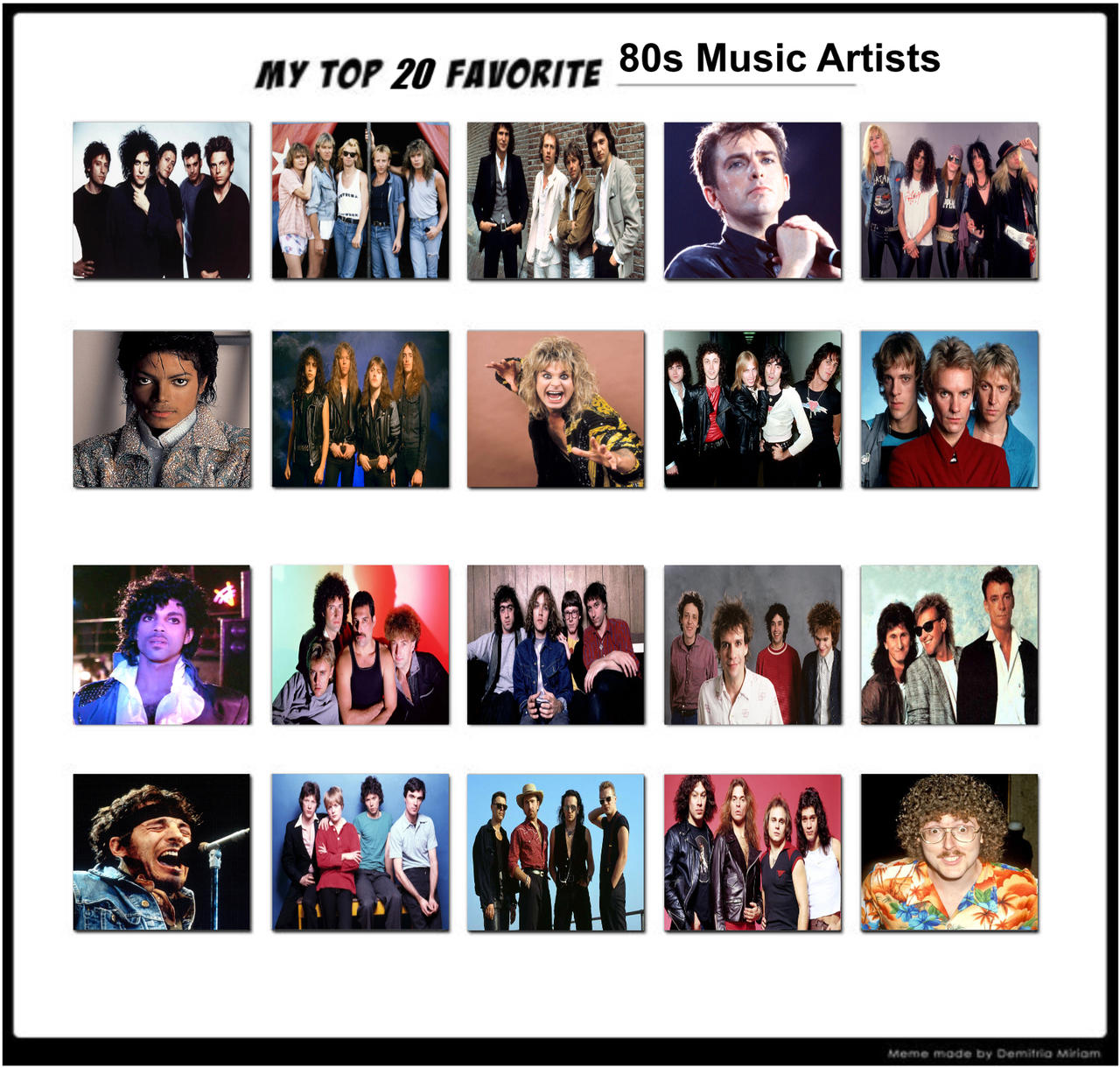
An 80s artist is defined as a creator—spanning music, visual arts, and performance—whose primary impact occurred between 1980 and 1989. These individuals synthesized emerging digital technologies, such as MIDI and MTV’s visual medium, with post-modernist aesthetics to redefine global popular culture and social activism.
The 1980s represent one of the most transformative decades in modern history, acting as a bridge between the analog past and the digital future. As of 2026, the influence of 1980s artists remains a cornerstone of contemporary design, music production, and social commentary. To understand the "80s artist," one must look beyond the neon colors and big hair; it is necessary to examine the fundamental shifts in how art was produced, distributed, and consumed.
The Definition of an 80s Artist
Defining an artist of the 1980s requires a multi-faceted approach. While many artists active in the 80s began their careers in the 70s or continued into the 90s, the "80s artist" specifically embodies the spirit of maximalism, technological integration, and the blurring of high and low culture.
The Musical Archetype
In music, the 80s artist was characterized by the transition from the raw energy of Punk and the groove of Disco into highly produced, synthesizer-heavy soundscapes. This era saw the rise of the "multi-hyphenate" performer—artists who were not just singers or musicians but also visual icons, dancers, and brand architects. The 80s artist was the first to navigate a truly globalized media landscape, where a music video was as important as the audio recording itself.
The Visual Arts Archetype
In the fine arts, the 80s definition shifted toward Neo-expressionism and Street Art. Artists like Jean-Michel Basquiat and Keith Haring redefined the "artist" by bringing the energy of the New York City streets into high-end galleries. They broke down the barriers of traditional art education, focusing on raw emotion, social justice, and the democratization of visual language. Simultaneously, the "Pictures Generation" explored how mass media images could be repurposed to critique consumer culture.
The Technological Architecture of the 80s Sound
The influence of 80s artists is inseparable from the tools they used. The decade saw a radical departure from traditional instrumentation, moving toward a digital frontier that still dictates how music is made in 2026.
The Rise of the Synthesizer and MIDI
Prior to the 80s, synthesizers were bulky, monophonic, and prohibitively expensive. The 1983 introduction of MIDI (Musical Instrument Digital Interface) allowed different electronic instruments to communicate with one another, a breakthrough that revolutionized production.
- Yamaha DX7: This digital synthesizer became the "voice" of the 80s. Its FM synthesis provided the crystalline bells, electric pianos, and sharp brass sounds heard in everything from Whitney Houston ballads to A-ha’s synth-pop.
- Roland TR-808 and TR-909: These drum machines are the foundational pillars of Hip-Hop and House music. Artists like Afrika Bambaataa and Run-D.M.C. used these machines to create heavy, robotic beats that moved away from live drumming.
Digital Recording and Gated Reverb
The 80s also introduced the "Gated Reverb" drum sound—a powerful, explosive snare sound most famously associated with Phil Collins and Peter Gabriel. This technical innovation, discovered accidentally at Townhouse Studios, became the sonic hallmark of the decade. It represented a move toward "unnatural" but emotionally resonant soundscapes, a technique that producers still emulate today to achieve a cinematic feel.
Visual Arts: From the Street to the Gallery
The 80s was the decade where the "Art Star" was born. Influence shifted from the minimalist and conceptual trends of the 70s toward bold, figurative, and often political works.
Neo-Expressionism and the New York Scene
Artists like Julian Schnabel and Jean-Michel Basquiat led the charge in Neo-expressionism. This movement was characterized by intense subjectivity and rough handling of materials. Basquiat’s work, in particular, influenced the 80s by integrating African-American history, anatomy, and street graffiti into a sophisticated critique of power structures. His influence persists in 2026 as a bridge between high-art institutions and urban culture.
Keith Haring and the Social Message
Keith Haring’s influence redefined the artist as a social activist. By using simple, bold lines and repetitive motifs (like the "Radiant Baby"), Haring made art accessible to everyone. His "Pop Shop" in Manhattan was a revolutionary move, treating art as a retail experience and ensuring that his message of peace, love, and AIDS awareness reached the masses, not just wealthy collectors.
The Pictures Generation
Artists such as Cindy Sherman and Barbara Kruger used the 80s to critique the very media culture that was elevating them. By using photography and slogans to deconstruct gender roles and consumerism, they influenced a generation of artists to look critically at the images they consumed. Kruger’s signature style—red bars with Futura Bold Oblique text—remains one of the most copied visual languages in modern graphic design and streetwear (most notably influencing brands like Supreme).
The MTV Effect: The Visual Iconography of Music
It is impossible to discuss 80s artists without mentioning MTV (Music Television), which launched on August 1, 1981. This platform fundamentally changed the definition of a successful artist.
The Video as Art Form
Before the 80s, a "promotional film" was a secondary tool. After the launch of MTV, the music video became a primary art form. Michael Jackson’s Thriller (1983) is the gold standard for this influence. By hiring a film director (John Landis) and creating a narrative short film, Jackson proved that a musician could also be a cinematic visionary. This pushed other artists—Madonna, Duran Duran, and Prince—to invest heavily in their visual identity.
Fashion and Global Influence
80s artists became global fashion influencers overnight. Madonna’s lace gloves and crucifixes, Prince’s purple velvet and ruffles, and the "New Romantics" movement in the UK (led by artists like Boy George) challenged traditional gender norms. They influenced the public to view fashion as a tool for self-invention and rebellion.
Socio-Political Influence and Global Activism
The 80s artist was often a figure of profound social influence, using their platform to address the pressing issues of the Cold War era.
- Global Charity: The "Live Aid" concerts in 1985, organized by Bob Geldof and Midge Ure, showcased the power of artists to mobilize global resources for humanitarian crises (the Ethiopian famine). This set the precedent for celebrity-led activism that continues today.
- The AIDS Crisis: As the epidemic devastated the creative communities of New York and London, artists became the frontline of the response. From Haring’s "Silence = Death" posters to the lyrics of Pet Shop Boys and Erasure, 80s artists used their work to demand government action and humanize the victims of the disease.
- Anti-Apartheid Movement: Artists United Against Apartheid, led by Steven Van Zandt, released "Sun City" in 1985. This was a direct political statement by 80s artists against the South African regime, proving that pop culture could be a potent weapon for international diplomacy.
Comparative Overview of 80s Artistic Movements
| Category | Key Artists | Primary Influence | Technical/Aesthetic Hallmark |
|---|---|---|---|
| Synth-Pop | Depeche Mode, New Order | Integration of dance and rock | MIDI, Sequencers, Gloomy lyrics |
| Street Art | Basquiat, Haring | Democratization of galleries | Graffiti motifs, Bold lines, Social critique |
| Pop Superstars | Michael Jackson, Madonna | Visual branding & Performance | Narrative music videos, Choreography |
| Neo-Expressionism | Julian Schnabel, Anselm Kiefer | Emotional rawness | Large scales, Found objects, Thick paint |
| Hip-Hop (Early) | Grandmaster Flash, Run-D.M.C. | Urban storytelling | Turntablism, Roland TR-808 beats |
| Post-Punk/Goth | The Cure, Siouxsie Sioux | Alternative subcultures | Chorus-heavy guitars, Melancholy |
The Lasting Legacy in 2026
In 2026, the 80s artist's influence is seen in the "Retrowave" and "Synthwave" movements that dominate streaming charts. Modern artists like The Weeknd or Dua Lipa frequently reference the production techniques of the 1980s, utilizing the same analog synthesizer models (or their digital emulations) to evoke a sense of "nostalgic futurism."
The definition of the 80s artist has also evolved in academic circles. They are now recognized as the pioneers of Postmodernism, having successfully dismantled the "high art" barriers of the mid-20th century. Their influence is found in the way we view the internet today—as a collage of images, sounds, and identities that can be sampled and remixed infinitely.
Frequently Asked Questions
What defines an "80s sound" in music?
The 80s sound is primarily defined by the use of digital synthesizers, drum machines (like the 808), and heavy reverb. It often features a "bright" or "processed" quality compared to the warmer, organic sounds of the 70s. The introduction of polyphonic synths allowed for lush, layered textures that became synonymous with the decade's pop and new wave genres.
Who were the most influential visual artists of the 1980s?
Jean-Michel Basquiat and Keith Haring are widely considered the most influential, as they bridged the gap between street culture and the fine art world. Other significant figures include Cindy Sherman (photography), Barbara Kruger (graphic art), and Jeff Koons, who began his rise by exploring neo-pop and consumerism during this period.
Why did music videos become so important for 80s artists?
With the launch of MTV in 1981, music videos became the primary way for artists to reach a global audience. A compelling video could propel a song to the top of the charts regardless of radio airplay. This led to a new era of "visual storytelling," where an artist's image and fashion choices were just as influential as their musical talent.
How did 80s artists influence social change?
80s artists were instrumental in raising awareness for global issues through "mega-events" like Live Aid and Farm Aid. They were also at the forefront of the fight against the AIDS crisis and the anti-apartheid movement. By using popular media to broadcast political messages, they showed that art could be an effective tool for social and political mobilization.
Is the influence of 80s artists still relevant in 2026?
Yes, the 80s aesthetic is currently experiencing a massive resurgence. From the "808" bass sounds in modern trap music to the vibrant, neon-inspired graphic design seen in digital media, the decade's focus on bold expression and technological experimentation remains a primary source of inspiration for contemporary creators.
Recommendation for Further Exploration
To truly understand the influence of 80s artists, one should explore the Rock & Roll Hall of Fame archives for a technical breakdown of 80s production or visit the Museum of Modern Art (MoMA) digital collections to view the evolution of the Pictures Generation. For a practical next step, aspiring producers can experiment with digital emulations of the Yamaha DX7 or Roland TR-808 to hear firsthand how these instruments shaped the decade's iconic sound.