Obtaining life insurance at age 70 is entirely possible and a common financial strategy in 2026. While premiums are higher than for younger applicants, seniors can access term, whole life, and final expense policies to cover estate taxes, outstanding debts, or funeral costs, ensuring their beneficiaries are not burdened by unexpected end-of-life expenses.
Understanding the Landscape of Life Insurance at 70
As of 2026, the life insurance market for seniors has evolved significantly. With increased life expectancy and more robust digital health monitoring, insurers have refined their underwriting processes to offer more tailored products for those entering their eighth decade. Life insurance at age 70 is rarely about replacing a salary—since most individuals are retired—but rather about "obligation management" and "legacy preservation."
At this stage of life, the primary goal shifts from protecting a growing family to protecting an established estate. Whether you are looking to cover a remaining mortgage, provide for a spouse, or ensure that your children do not inherit your debts, there is a specific product designed for your health profile and financial goals.
Primary Types of Life Insurance for Seniors
When you are 70, you generally choose between two categories: temporary coverage (Term) and permanent coverage (Whole or Universal Life). Each serves a distinct purpose depending on how long you need the protection to last.
Term Life Insurance
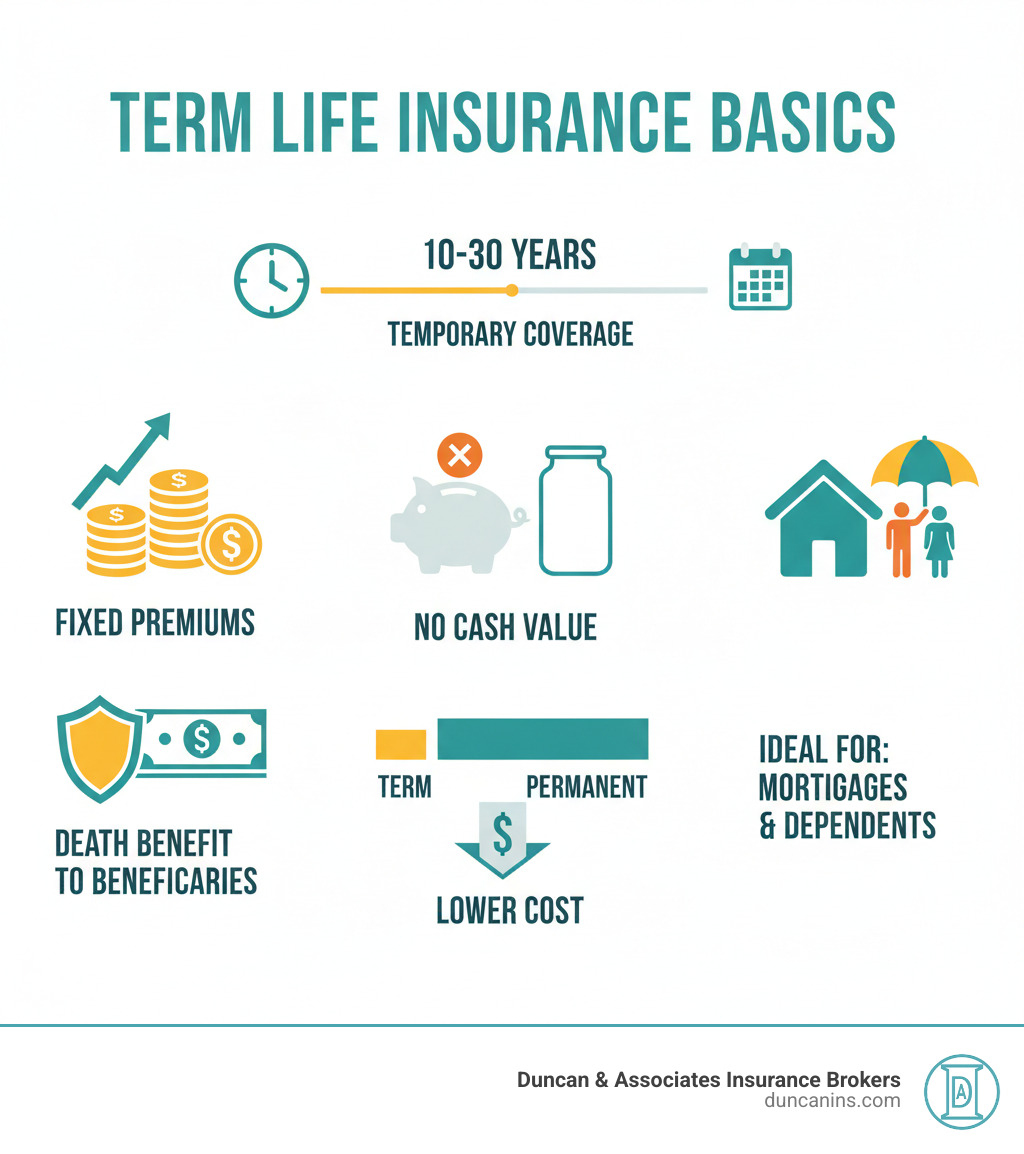
Term life insurance provides coverage for a specific period, typically 10, 15, or 20 years. For a 70-year-old, a 10-year term is the most common choice.
- Best Use: Covering a debt that has a clear end date, such as a 10-year mortgage or a personal loan.
- Pros: It is the most affordable way to get a high death benefit.
- Cons: If you outlive the term, the coverage expires, and you receive no payout. Renewing at age 80 or 85 is often prohibitively expensive or impossible.
Whole Life Insurance
Whole life is a type of permanent insurance that remains in effect for the rest of your life, provided premiums are paid. It also includes a cash value component that grows over time.
- Best Use: Long-term estate planning and final expenses.
- Pros: The premium never increases, and the death benefit is guaranteed.
- Cons: The premiums are significantly higher than term insurance for the same amount of coverage.
Final Expense Insurance (Burial Insurance)
This is a subset of whole life insurance designed specifically for seniors. These policies usually have smaller face values, typically ranging from $5,000 to $50,000.
- Best Use: Covering funeral costs, small medical bills, and probate fees.
- Pros: Often requires no medical exam; "Guaranteed Issue" versions are available even for those with serious health issues.
- Cons: Higher cost per thousand dollars of coverage compared to fully underwritten policies.
Guaranteed Universal Life (GUL)
GUL functions like a hybrid between term and whole life. It offers a guaranteed death benefit up to a specific age (such as age 95, 100, or 121) but does not focus on building cash value.
- Best Use: Individuals who want a permanent death benefit but don't want to pay the high costs associated with whole life cash accumulation.
- Pros: More affordable than whole life; more secure than term.
- Cons: Little to no flexibility if you miss a premium payment.
Why Buy Life Insurance at Age 70?
In 2026, financial advisors often recommend life insurance for 70-year-olds for specific strategic reasons. It is no longer just a "death benefit" but a tool for liquidity.
1. Estate Tax Liquidity
For those with significant assets, life insurance provides the liquidity needed to pay federal or state estate taxes. This prevents heirs from having to sell real estate or liquidate investments in a down market to pay the tax bill.
2. Debt Protection
While many 70-year-olds are debt-free, a growing number of seniors in 2026 still carry mortgages or have co-signed student loans for grandchildren. Life insurance ensures these liabilities do not diminish the inheritance left to loved ones.
3. Final Expense Coverage
The average cost of a funeral and related end-of-life expenses has continued to rise. A modest final expense policy ensures that your family can focus on grieving rather than worrying about how to pay for a service.
4. Legacy and Charitable Giving
Life insurance is an efficient way to leverage a relatively small amount of money (the premiums) into a larger, tax-free gift for a church, charity, or grandchild's education fund.
The Underwriting Process in 2026
Underwriting—the process by which an insurance company evaluates your risk—has changed. In 2026, "accelerated underwriting" is the standard.
Traditional Underwriting
This involves a full medical exam, including blood work and a physical. If you are in excellent health at 70, this is the best way to get the lowest possible premium. Insurers will look closely at:
- Cardiovascular health (blood pressure, cholesterol).
- Cognitive health screenings.
- Management of chronic conditions like Type 2 diabetes.
Simplified Issue
No medical exam is required, but you must answer a detailed health questionnaire. The insurer will also check your prescription history and MIB (Medical Information Bureau) records. This is faster than traditional underwriting but carries a higher premium.
Guaranteed Issue
No health questions are asked. You cannot be turned down. However, these policies almost always have a graded death benefit. This means if you die within the first two years of the policy from natural causes, your beneficiaries may only receive a refund of premiums plus interest, rather than the full face value.
Cost Comparison for 70-Year-Olds (2026 Estimates)
The following table provides a comparison of typical monthly premiums for a 70-year-old non-smoker in relatively good health. Note: Actual prices depend on specific health history and the insurance carrier.
| Policy Type | Coverage Amount | Monthly Premium (Male) | Monthly Premium (Female) |
|---|---|---|---|
| 10-Year Term | $100,000 | $145 - $210 | $105 - $160 |
| 15-Year Term | $100,000 | $230 - $310 | $170 - $240 |
| Whole Life | $25,000 | $180 - $250 | $140 - $200 |
| Final Expense | $10,000 | $75 - $110 | $55 - $85 |
| Guaranteed Issue | $10,000 | $110 - $140 | $85 - $115 |
Factors That Influence Your Rates
At age 70, several factors carry more weight in the eyes of an actuary than they did when you were 40.
- Tobacco Use: Smoking or using nicotine products can double or triple your premiums at age 70. Many insurers now also test for cannabis or high levels of alcohol consumption.
- Medication Adherence: Insurers look favorably on seniors who are proactive about their health. If you have high blood pressure but it has been consistently controlled with medication for years, you may still qualify for "Standard" or even "Preferred" rates.
- Driving Record: For seniors, a clean driving record is often used as a proxy for cognitive health and physical reaction time.
- Lifestyle and Hobby Risks: If you are an active 70-year-old who enjoys scuba diving or private piloting, expect to pay a "flat extra" fee or face specific exclusions.
Common Pitfalls to Avoid
When shopping for life insurance at 70, it is easy to make mistakes that lead to overpaying or being underinsured.
- Waiting Too Long: Every year you age increases the premium by 8% to 12%. If you need coverage, the best time to buy is now.
- Over-Insuring: Do not buy more coverage than you need. If your funeral will cost $15,000 and you have no debt, a $100,000 policy is an unnecessary drain on your retirement income.
- Ignoring the "Free Look" Period: Most states require a 10- to 30-day "free look" period. Use this time to review the policy document with a trusted advisor or family member.
- Not Disclosing Health Issues: Be honest on your application. If a claim is made and the insurer discovers you hid a diagnosis, they can deny the death benefit during the two-year contestability period.
Expert Tips for 2026 Applicants
In the current market, technology can be your friend. Many insurers now offer discounts for seniors who share data from wearable fitness trackers, demonstrating an active lifestyle. Additionally, consider looking into Living Benefits. These are riders that allow you to access a portion of your death benefit while you are still alive if you are diagnosed with a terminal or chronic illness that requires long-term care.
For many 70-year-olds, the "Accelerated Death Benefit" is the most valuable part of the policy, as it provides a financial safety net for medical care in the final years of life, effectively serving a dual purpose.
FAQ
Can I get life insurance at 70 if I have a pre-existing condition?
Yes, you can. Depending on the severity of the condition, you may still qualify for simplified issue or fully underwritten coverage. If you have been diagnosed with a serious illness like active cancer or advanced dementia, a Guaranteed Issue policy is likely your only option, though it will have a waiting period for the full benefit.
Is it better to buy Term or Whole Life at 70?
It depends on your "why." If you have a 10-year debt to cover, Term is much cheaper. However, most 70-year-olds prefer Permanent coverage (Whole Life or GUL) because they want the peace of mind that the policy will definitely pay out regardless of when they pass away.
Do I need a medical exam to get coverage?
Not necessarily. In 2026, many companies offer "No-Exam" policies for seniors using data-driven underwriting. However, if you are in excellent health, taking the medical exam can often lower your monthly premium because it proves to the insurer that you are a lower risk.
What is the maximum age for term life insurance?
Most major carriers will offer 10-year term policies to individuals up to age 75 or 80. Some specialty carriers may go higher, but the cost becomes very high relative to the benefit.
Can I use life insurance to pay for my own long-term care?
Yes, if your policy includes a "Long-Term Care Rider" or "Chronic Illness Rider." These allow you to "accelerate" the death benefit to pay for home health care or a nursing facility if you meet the policy's triggers (usually the inability to perform two or more Activities of Daily Living).
Next Steps: Securing Your Coverage
If you are 70 and considering life insurance, your first action should be to conduct a "needs analysis." Calculate your total final expenses, any remaining debts, and the specific amount you wish to leave to heirs. Once you have a number, consult with an independent insurance broker who represents multiple carriers. Since every insurance company "weights" health conditions differently—one might be lenient on diabetes while another is strict—an independent broker can shop your profile to find the most competitive rate available in 2026.
For more information on senior rights and insurance regulations, you can visit the National Association of Insurance Commissioners (NAIC) or the American Council of Life Insurers (ACLI).