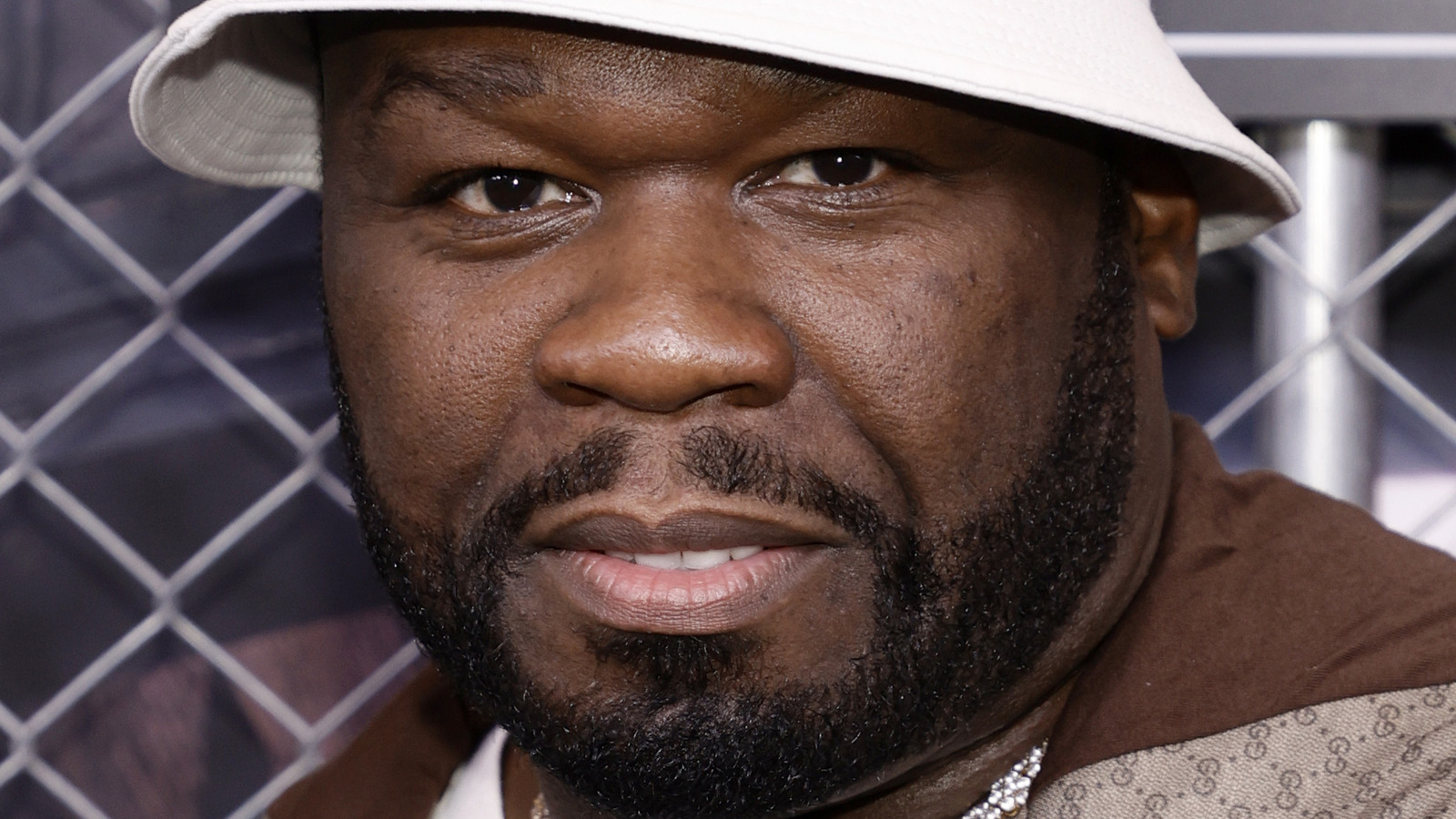
Curtis “50 Cent” Jackson’s involvement with Glacéau Vitamin Water is widely considered one of the most successful celebrity endorsement and equity deals in modern business history. While various figures have circulated in media regarding the initial payment and the final exit, the reality of the transaction—which culminated in the 2007 sale of Energy Brands (the parent company of Vitamin Water) to The Coca-Cola Company—is rooted in a sophisticated equity stake rather than a simple upfront fee. Jackson walked away with a pre-tax total estimated between $60 million and $100 million, a figure largely driven by his minority equity stake rather than just his initial promotional contract.
The Genesis of the Partnership
The relationship between 50 Cent and Vitamin Water began in 2004, shortly after the rapper rose to global prominence. At the time, the beverage brand was looking to expand its reach beyond niche health-food stores and into the mainstream consumer market. Rather than signing a standard celebrity endorsement deal, which typically offers a flat fee for likeness and marketing appearances, Jackson’s team negotiated for a minority stake in the company.
Industry analysts often point to this move as the turning point for celebrity brand management. By opting for equity over an immediate, larger cash salary, Jackson tied his financial future to the brand's growth. At the time of the deal, he reportedly received an upfront payment in the range of $5 million for his services, which included appearing in advertisements and using his cultural influence to pivot the brand into urban markets and mainstream retail chains. This initial $5 million was essentially the "activation cost," covering his role as a brand ambassador during the early stages of the partnership.
Understanding the Equity Structure
The $5 million upfront payment is frequently conflated with his total earnings, leading to public confusion about the scale of the deal. It is vital to distinguish between a contract fee and an ownership stake. When Glacéau signed 50 Cent, they granted him a share of the company—reports typically cite this as between 2% and 10%, with most financial post-mortems settling near the 2.5% to 5% range.
This equity stake meant that when The Coca-Cola Company acquired Energy Brands in 2007 for $4.1 billion, 50 Cent’s portion of the company was bought out alongside other shareholders. Because the valuation of the brand had ballooned during his tenure as a face of the product, the value of those shares grew exponentially. Even a single-digit percentage stake in a $4.1 billion exit results in a massive payday, far eclipsing the initial $5 million service fee.
Breakdown of the Financial Exit
To understand the total compensation, one must look at the math of the 2007 acquisition. The $4.1 billion purchase price was the total enterprise value. When the company was sold, 50 Cent’s equity was liquidated. Financial experts have consistently estimated that his final net payout from the sale was roughly $60 million to $100 million after taxes and associated deal fees.
The following table clarifies the distinction between his upfront compensation and his long-term investment outcome.
| Component | Nature of Payment | Approximate Value (Historical) |
|---|---|---|
| Initial Service Fee | Contracted Ambassador Pay | ~$5 Million |
| Equity Stake | Ownership in Energy Brands | ~$60–$100 Million (Exit Value) |
| Total Estimated Payout | Pre-tax Realized Gain | ~$65–$105 Million |
Note: These figures represent historical reporting based on the 2007 acquisition of Energy Brands by The Coca-Cola Company. Individual tax situations and legal fees are not included.
The Strategy Behind the Success
The success of the Vitamin Water deal was not merely a matter of celebrity appeal; it was a result of aggressive marketing and distribution shifts. Before 50 Cent’s involvement, Vitamin Water was a premium product with limited visibility. Jackson’s involvement helped shift the product's identity to appeal to the "hip-hop" demographic, which at the time was a powerful trendsetter for consumer goods.
He integrated the product into his music videos, lyrics, and promotional tours. This "organic" integration provided a level of advertising that traditional commercials could not achieve. The result was a dramatic increase in sales volume, which made the company an attractive acquisition target for Coca-Cola, which was looking to diversify its portfolio into the burgeoning "enhanced water" segment.
Lessons in Celebrity Branding
The Vitamin Water deal remains the gold standard for celebrity business ventures. In the two decades since the sale, many other celebrities have attempted to replicate this model by taking equity in spirit brands, lifestyle companies, and tech startups. The primary lesson from the 50 Cent deal is the importance of "skin in the game."
By accepting a smaller upfront check (the $5 million) in exchange for equity, Jackson ensured that he was incentivized to grow the brand. If he had opted for a $20 million flat fee instead, he would have missed out on the $60+ million upside. This strategy—prioritizing long-term growth over short-term liquidity—is now a standard practice for A-list celebrities and creators looking to capitalize on their personal brand.
Potential Misconceptions
One common error in discussing this topic is the assumption that 50 Cent owned the company or was the majority shareholder. He was a minority investor. The major stakeholders, including founder J. Darius Bikoff and the private equity firm TSG Consumer Partners, held the largest positions. The size of Jackson's payout is impressive precisely because he achieved it with a relatively small equity percentage, demonstrating the power of massive corporate acquisitions.
Another frequent question is whether he still receives royalties from Vitamin Water today. The 2007 deal was a total buyout. Once Coca-Cola acquired the company, the shares were liquidated. While Jackson has continued to work in various business capacities, his financial tie to the Vitamin Water brand ended with that acquisition.
Frequently Asked Questions
Did 50 Cent make $100 million from the Vitamin Water deal?
Estimates of his payout vary, but most reputable financial reports place the figure between $60 million and $100 million. This range accounts for his equity share at the time of the 2007 acquisition and fluctuates based on tax liabilities and legal costs.
Was the $5 million upfront payment part of the $100 million?
Yes, the $5 million was essentially the initial compensation for his services and the initial structure of the deal. The bulk of the money he earned—the vast majority of his total payout—came from the equity stake that appreciated in value leading up to the Coca-Cola acquisition.
Could someone replicate this deal today?
The model is still used, but market conditions in 2026 are different. Brands now prioritize long-term social media influence and sustained engagement over the "stunt" celebrity endorsements of the early 2000s. While equity-based deals remain common, they are often structured with performance milestones.
Did Coca-Cola lose money on this deal?
No. The acquisition of Glacéau Vitamin Water was a strategic move that allowed Coca-Cola to dominate the non-carbonated, enhanced water market. The brand continued to be a significant revenue driver for the company for many years following the acquisition.
Was the deal solely based on 50 Cent's image?
While his image was the catalyst, the deal relied on the strength of the product's distribution. Jackson provided the "marketing megaphone," but the operational success of the company was built by its founders and the team that expanded its distribution into mainstream retail channels.
Recommendation for Brand Equity
If you are evaluating the feasibility of a brand partnership, the most critical takeaway from the 50 Cent Vitamin Water deal is the focus on ownership. For creators and entrepreneurs, cash up front provides immediate gratification, but equity provides the potential for wealth generation. Before engaging in any partnership, verify the nature of the compensation: if the brand has long-term growth potential, negotiating for an equity stake or performance-based incentives is usually superior to a flat-rate service agreement. Always consult with legal and financial advisors to understand the implications of equity dilution, lock-up periods, and tax consequences before signing a contract.