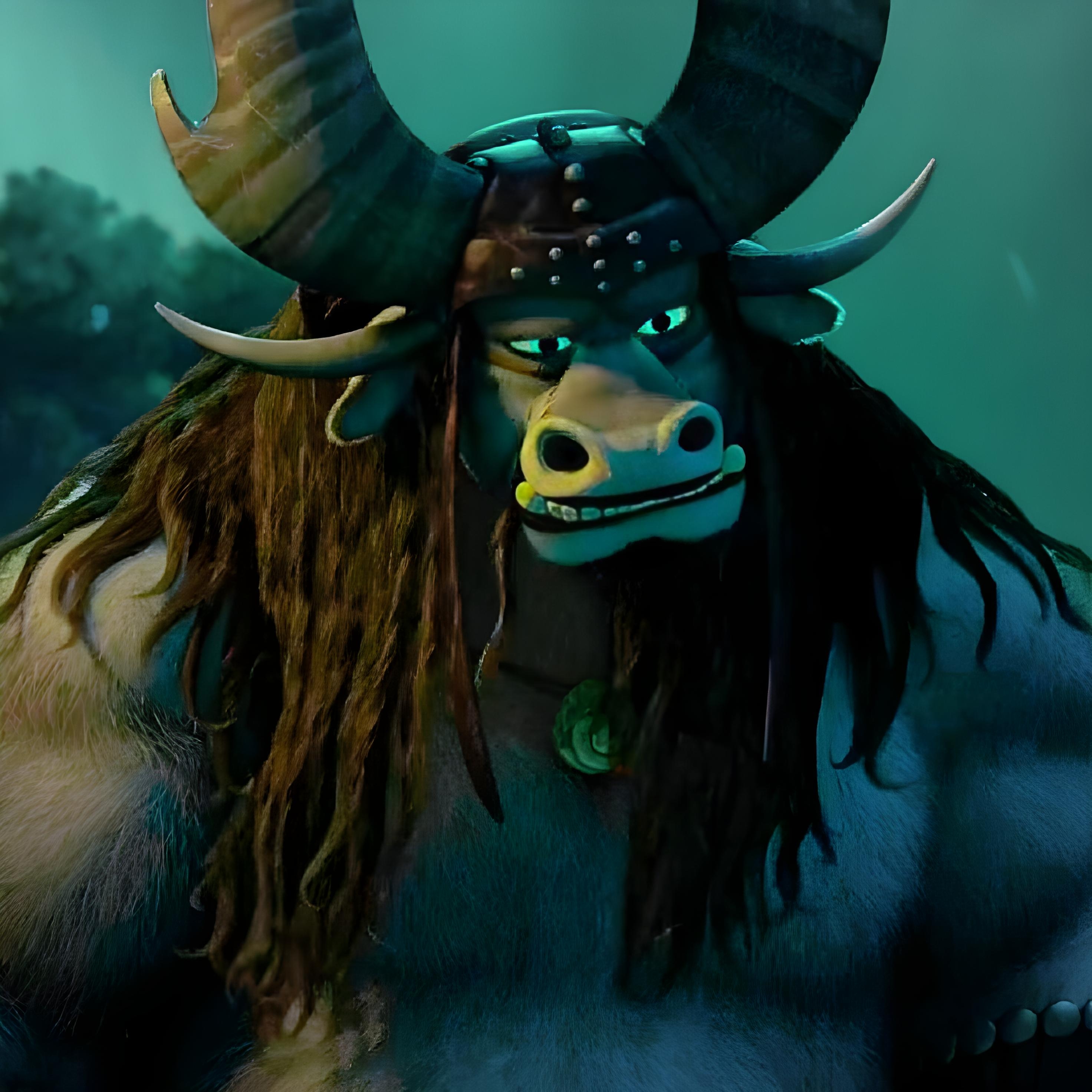
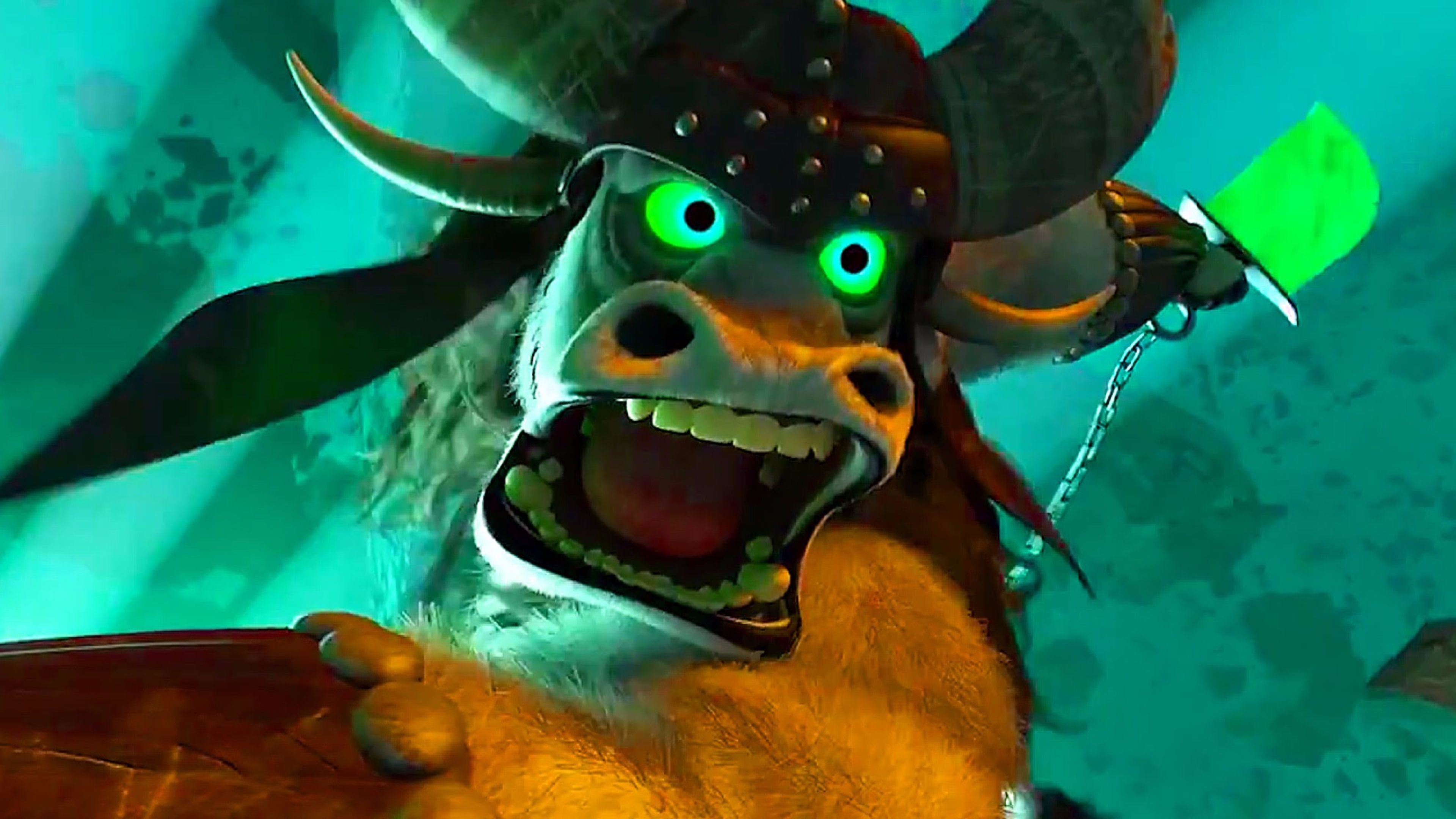
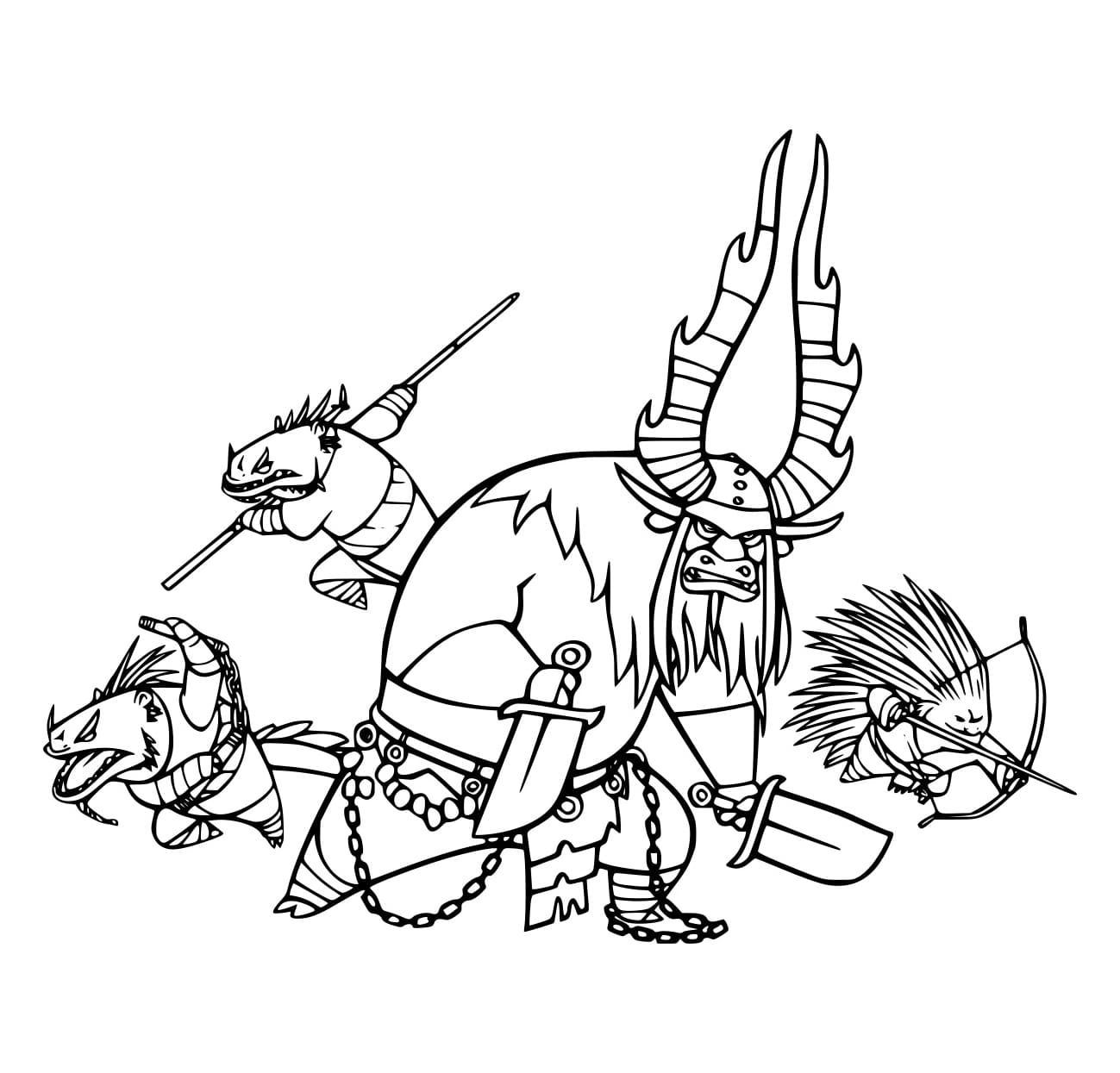
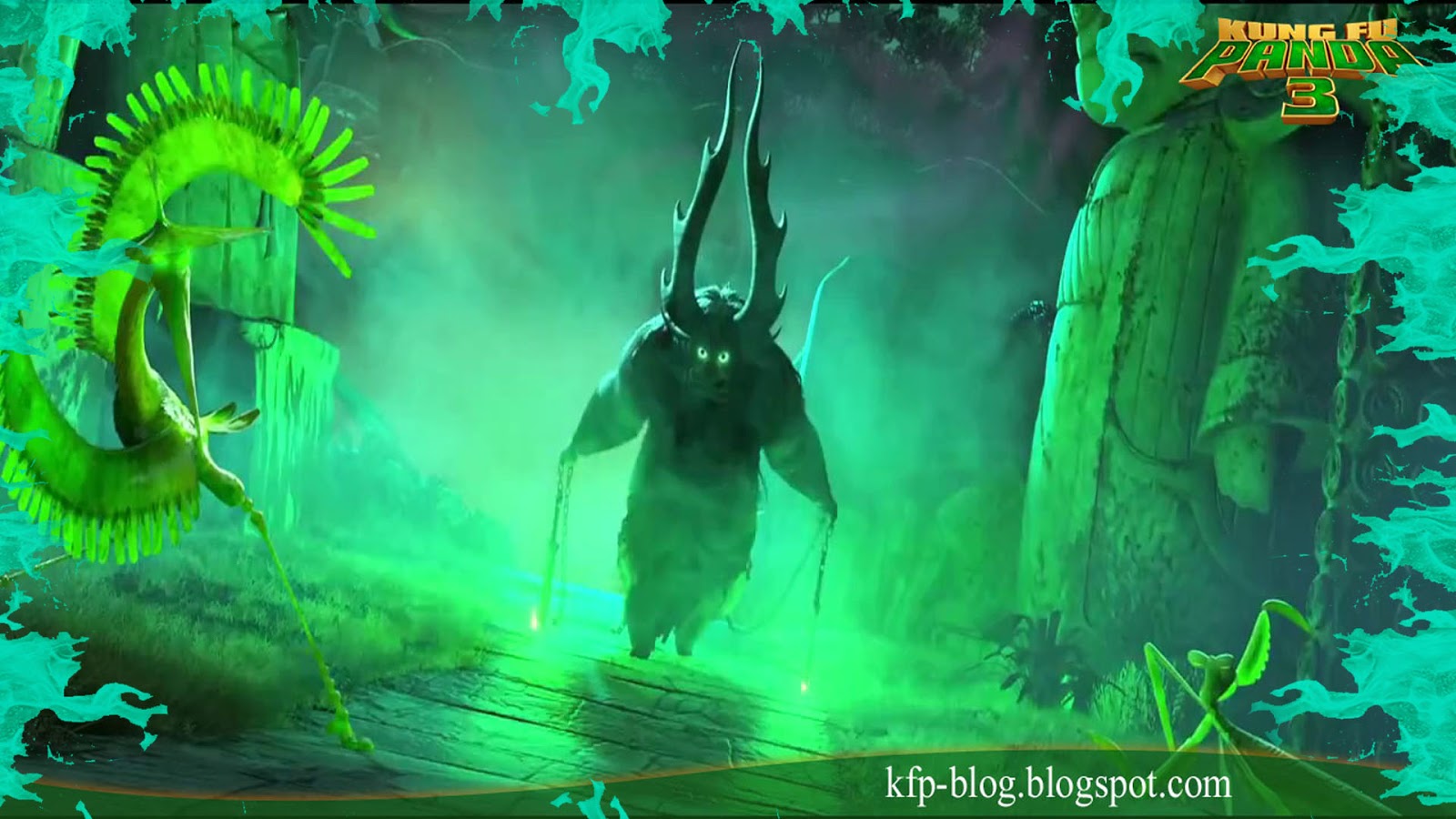
General Kai, also known as the Collector of Chi and the Master of Pain, stands out in cinematic animation history as a uniquely formidable antagonist. Introduced in the third installment of DreamWorks Animation's acclaimed franchise, this yak warrior brings a distinct blend of mythological inspiration, physical imposingness, and narrative depth to the screen.
Introduction to General Kai in Kung Fu Panda 3
General Kai is the primary antagonist of Kung Fu Panda 3 (2016), voiced with booming intensity by actor J.K. Simmons. Unlike previous villains in the franchise—such as the ambitious snow leopard Tai Lung or the power-hungry peacock Lord Shen—Kai possesses a deeply historic, spiritual connection to the universe's magic system. Once the brother-in-arms of Master Oogway, Kai's descent from a noble warrior to a soul-stealing conqueror drives the central conflict of the film, forcing Po to evolve from a student into a master of chi. To fully appreciate this character, one must look beyond his jade blades and examine the complex design choices, narrative role, and cultural mythology that shaped him.
1. Kai and Master Oogway Were Once Blood Brothers-in-Arms
The backstory of General Kai establishes a rich, tragic foundation that separates him from standard cartoon villains. Centuries before the events of Kung Fu Panda 3, Kai and Master Oogway fought side by side as brothers-in-arms across ancient China. Their bond was unbreakable, forged in countless battles where they shared mutual trust and admiration.
The turning point in their relationship occurred during a brutal battle where Oogway was severely wounded. Carrying his dying friend, Kai stumbled upon a secret village of pandas who possessed the mastery of chi—the life force that flows through all living things. The pandas used their chi to heal Oogway, saving his life. However, this exposure to chi planted a dark seed in Kai's heart. Instead of viewing chi as a natural energy to be respected and shared, Kai sought to consume and control it all for himself.
This ideological divide led to an inevitable civil war between the two former friends. Oogway, realizing the corrupting nature of Kai's ambition, defeated him and banished him to the Spirit Realm. This shared history adds a layer of emotional weight to the narrative, as Kai represents Oogway's past mistakes coming back to haunt the next generation of kung fu masters.
2. The Inspiration Behind Kai’s Weaponry and Combat Style
Kai's visual and physical combat style draws heavily from traditional Chinese martial arts, specifically weapon forms involving chained implements. His signature weapons are a pair of large, jade-bladed jian swords attached to heavy chains. These weapons are not merely tools for striking; they serve as extensions of his body, allowing for sweeping mid-range attacks, grappling, and dynamic aerial maneuvering.
Animators and fight choreographers designed Kai's combat to feel heavy, deliberate, and overwhelming. Because Kai is a large yak, his physical mass gives his attacks immense kinetic power, contrasting sharply with the agile, acrobatic styles of Po and the Furious Five.
Furthermore, the chains on his swords feature a specific aesthetic design element: jade amulets shaped like the masters whose chi he has stolen. When Kai fights, the clinking of these amulets creates a distinct acoustic signature, symbolizing the fallen warriors he carries into battle. This weapon integration turns every strike into both a physical assault and a psychological reminder of his conquests.
3. The Mythology of the Jade Zombies and the Collector of Chi
One of Kai's most terrifying abilities is his capacity to strip living masters of their chi and transform them into his jade amulets, effectively turning them into mindless thralls known colloquially as "jade zombies." This mechanic expands the lore of the Kung Fu Panda universe by introducing the concept of spiritual subjugation.
In Chinese mythology and folk religion, chi is viewed as the fundamental breath or energy of an entity. By weaponizing this concept, Kai acts as a dark reflection of a true master. While a true master learns to give and channel chi harmoniously, Kai hoards it.
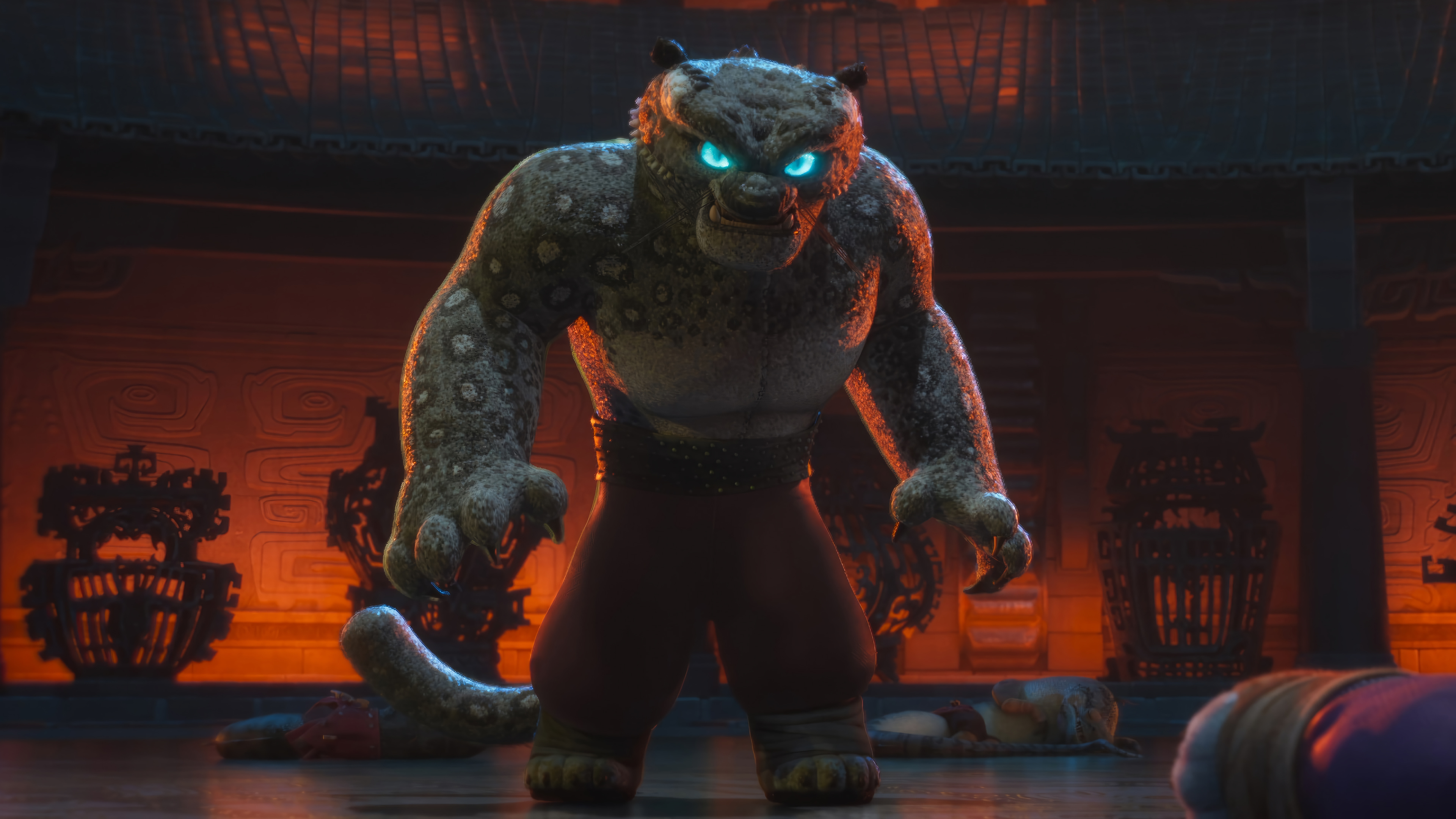
When Kai returns from the Spirit Realm to the mortal world, he brings these captured masters back as glowing green warriors under his absolute control. This creates a high-stakes dramatic dilemma for Po and his allies, who must fight beloved mentors like Master Shifu, Tigress, Monkey, Crane, and Viper without destroying them permanently. The mechanics of Kai's power establish that the only way to free the captured masters is to defeat Kai in combat and force the chi back into circulation.
Summary of Major Antagonists in the Kung Fu Panda Trilogy
| Villain Name | Primary Motivation | Unique Weapon / Ability | Fate at Conclusion |
|---|---|---|---|
| Tai Lung | Recognition and the Dragon Scroll | Nerve strike mastery, brute martial arts | Vanished / Eradicated by the Wuxi Finger Hold |
| Lord Shen | Conquest of China and erasing kung fu | Cannons, gunpowder weaponry, throwing blades | Crushed by his own collapsing warship |
| General Kai | Absolute mastery and theft of all chi | Jade swords on chains, spirit realm portal | Overloaded with chi and disintegrated |
4. J.K. Simmons Infused Kai with Both Menacing Authority and Theatrical Flair
The vocal performance behind an animated antagonist often dictates whether the character becomes memorable or forgettable. J.K. Simmons brought a distinct vocal texture to General Kai, balancing brutal intimidation with dry, arrogant humor.
Simmons, renowned for playing intense characters across film and television, imbued Kai with a booming, authoritative register that commanded every scene. Yet, what makes Kai distinct is his theatricality. Unlike villains who rage constantly, Kai often treats his conquests with casual amusement, announcing his arrival with catchy, self-composed musical themes or sarcastic remarks about Oogway's legacy.
This juxtaposition of an unstoppable, muscle-bound supernatural beast with moments of sardonic wit prevents the character from feeling one-dimensional. It highlights a creature who has spent five hundred years in isolation, stewing in bitterness, and is finally relishing his grand return to the mortal realm.
5. Kai’s Defeat Redefined Po’s Understanding of Kung Fu
The narrative arc of Kung Fu Panda 3 culminates in a final confrontation between Kai and Po in the Spirit Realm. Traditional martial arts tropes dictate that a hero must defeat a villain by striking harder, moving faster, or discovering a secret physical technique. However, Kai's immense stockpile of stolen chi makes him physically invulnerable to standard attacks.
To overcome this seemingly insurmountable obstacle, Po realizes he cannot defeat Kai by fighting him conventionally. Instead, Po embraces the ultimate lesson taught by the panda village: he accepts who he truly is and channels an overwhelming amount of his own chi, combined with the chi of all the pandas and spiritual masters.
Po essentially overloads Kai's spiritual capacity. Because Kai's greed compelled him to take more chi than his spirit could safely hold, channeling pure, unadulterated chi directly into him causes a catastrophic spiritual overload. Kai shatters into energy, freeing all the captive masters and returning them to the mortal plane. This victory cements Po's transition from student to the supreme Grandmaster of Chi.
Frequently Asked Questions About Kai
Why did Kai turn evil?
Kai turned evil out of a desire for absolute power and ownership. After the pandas healed Oogway using chi, Kai became obsessed with possessing all chi rather than sharing it harmoniously, leading to a war with Oogway that resulted in his banishment.
Are Kai and Oogway related by blood?
No, they are not biological brothers. The phrase "brothers-in-arms" refers to their profound, warrior bond and shared history fighting across ancient China before their ideological split.
Why couldn't Po defeat Kai with physical martial arts?
Kai had absorbed the chi of hundreds of kung fu masters from across the Spirit Realm, making him spiritually and physically invulnerable to standard punches, kicks, and weapon strikes.
What happened to Kai at the end of Kung Fu Panda 3?
When Po overloaded him with pure chi in the Spirit Realm, Kai's physical form could not contain the immense energy. He disintegrated into pure light energy, permanently ending his threat.
Practical Next Actions and Viewing Recommendations
For fans interested in exploring the deeper narrative lore of the Kung Fu Panda franchise, the best approach is to watch the trilogy in sequence (Kung Fu Panda, Kung Fu Panda 2, and Kung Fu Panda 3). Pay close attention to how the concepts of inner peace, physical mastery, and spiritual chi evolve across the three films. Additionally, exploring the supplementary television series Kung Fu Panda: The Paws of Destiny and Kung Fu Panda: The Dragon Knight provides further context on the mechanics of chi and the expansive history of the spirit realm.