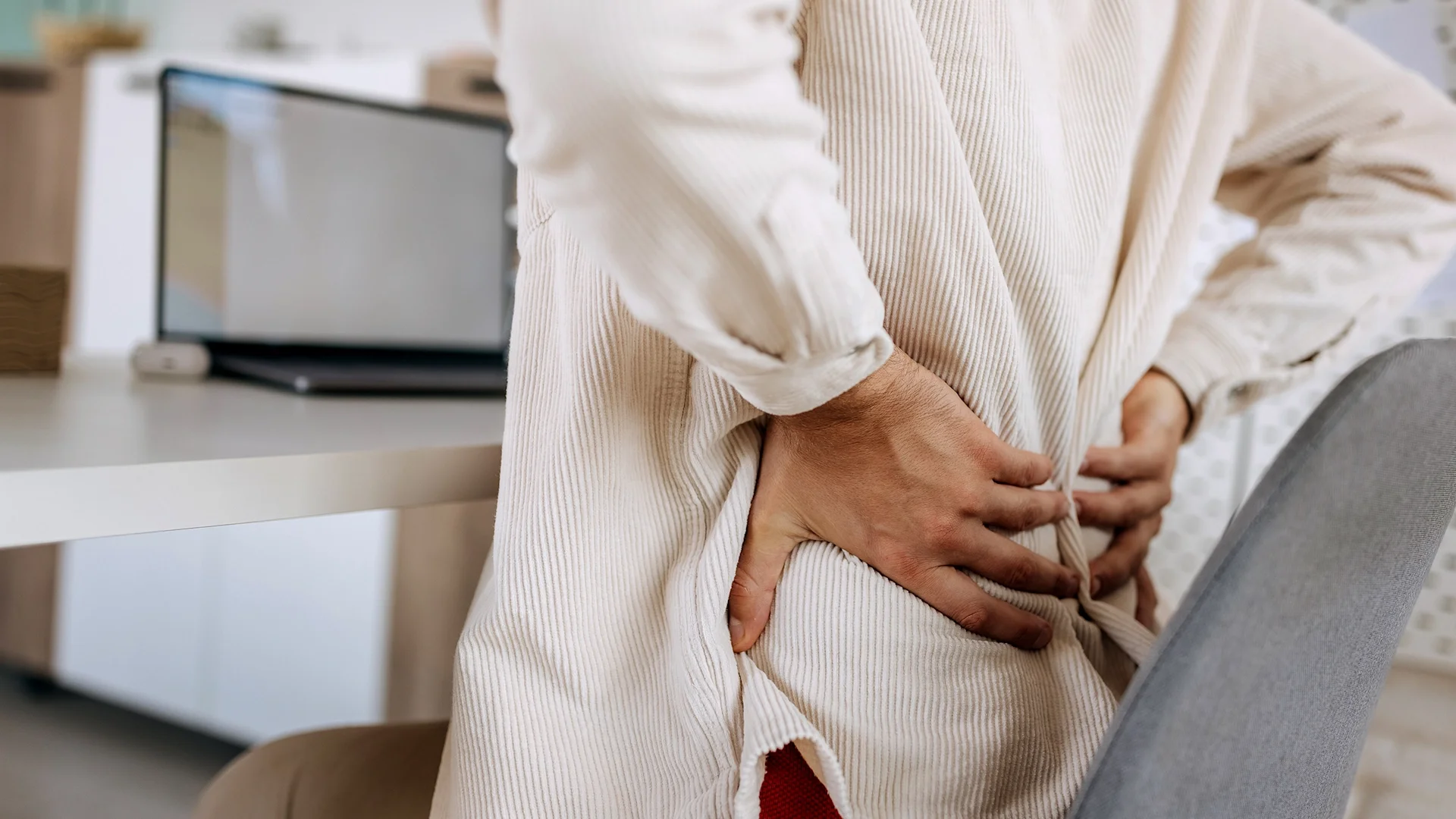
Lower back pain affects millions of people globally, often stemming from muscle tension, poor posture, herniated discs, or long hours spent sitting at a desk. When professional physical therapy or chiropractic visits are not immediately accessible, targeted self-care tools provide a reliable pathway for relief. Choosing the right device requires understanding how different therapeutic technologies—such as percussion, shiatsu, heat therapy, and electrical stimulation—interact with the complex musculature of the lumbar region.
Understanding Lower Back Pain and Therapeutic Massagers
Before purchasing a therapeutic device, it is important to understand the mechanical nature of lower back discomfort. The lumbar spine supports the upper body's weight while facilitating a wide range of motion. When the muscles surrounding the lumbar vertebrae—such as the erector spinae, quadratus lumborum, and multifidus—experience overuse, strain, or prolonged static stress, they contract defensively. This protective muscle spasm restricts blood flow, causes localized ischemia, and generates persistent aches or sharp pain.
Massagers interrupt this cycle of pain and tension through mechanical manipulation and thermal stimulation. By applying targeted pressure, vibration, or heat, these devices stimulate mechanoreceptors in the skin and underlying tissues, blocking pain signals traveling to the spinal cord (a physiological concept known as the gate control theory of pain). Furthermore, mechanical manipulation encourages vasodilation, increasing oxygen and nutrient delivery to ischemic tissue while accelerating the removal of metabolic waste products like lactic acid.
However, mechanical massagers are not universally appropriate. Individuals with acute trauma, unmanaged inflammatory conditions, severe osteoporosis, deep vein thrombosis, or open wounds in the lumbar region should consult a physician before use. Consumers must recognize that massagers manage symptoms and release soft-tissue tension; they do not cure underlying structural abnormalities or spinal pathologies.
Key Criteria for Evaluating Lower Back Massagers
Navigating the marketplace for therapeutic lumbar devices requires evaluating several core performance factors. Not all massagers are engineered to address the specific curvature and structural demands of the lower back. The following criteria separate effective clinical-grade consumer devices from low-grade novelty items.
1. Mechanism of Action (Shiatsu vs. Percussion vs. TENS)
- Shiatsu: Uses rotating nodes to mimic the kneading fingers of a massage therapist. Ideal for deep-tissue relaxation and loosening tight knots.
- Percussion: Delivers rapid, high-intensity tapping or striking motions. Best for breaking up superficial tension and stimulating blood flow, though users with sensitive spines must use adjustable intensity settings.
- TENS/EMS (Transcutaneous Electrical Nerve Stimulation / Electrical Muscle Stimulation): Uses low-voltage electrical impulses to block pain signals or stimulate muscle contractions. Highly portable and effective for nerve-related discomfort, though distinct from mechanical kneading.
2. Ergonomics and Lumbar Contour
The lower back possesses a natural inward curve (lordosis). Flat massage cushions often fail to make adequate contact with the lumbar spine. Look for devices featuring an ergonomic, contoured profile that nests naturally against the lower back, or flexible belt-style units that allow manual pressure adjustment.
3. Heat Therapy Integration
Infrared or soothing thermal heat enhances the efficacy of mechanical massage by relaxing superficial muscle fibers before the nodes engage deeper tissue. Effective massagers feature controlled heating elements that reach a therapeutic temperature (typically between 100°F and 105°F) without risking skin burns.
4. Portability and Power Source
Consider how and where the device will be used. Cordless, rechargeable lithium-ion battery units offer high mobility for office or travel use, while corded electric models typically deliver sustained, higher-intensity motor performance for extended home sessions.
Comparison of Top Lower Back Massagers
| Device Category | Primary Technology | Best For | Portability | Heat Function |
|---|---|---|---|---|
| Shiatsu Massage Cushion | Rotating Nodes | Deep-tissue kneading while seated | Moderate (Home/Office chair) | Yes (Infrared) |
| Cordless Percussion Gun | Rapid Tapping / Heads | Targeted spot treatment and recovery | High (Wireless, rechargeable) | Varies by model |
| Vibrating Lumbar Belt | Gentle Vibration / Heat | Wearable support during daily tasks | High (Portable, battery-powered) | Yes |
| TENS & Heat Combination Unit | Electrical Stimulation + Heat | Nerve pain blocking and muscle fatigue | High (Pocket-sized) | Yes |
| Shiatsu Back and Neck Pillow | Multi-directional Nodes | Versatile spot massage for back/legs | High (Compact, lightweight) | Yes |
Detailed Review of the 5 Best Massager Types for Lower Back Pain
To provide actionable guidance, the market is categorized into five distinct device archetypes proven to alleviate lower back discomfort. Each category serves specific ergonomic needs, lifestyle habits, and pain profiles.
1. The Ergonomic Shiatsu Massage Cushion
Shiatsu cushions are designed to transform standard office chairs, armchairs, or car seats into dedicated therapeutic stations. These devices feature a rigid or semi-rigid vertical frame housing pairs of rotating ceramic or plastic nodes that travel up and down the back or concentrate specifically on the lumbar region.
- How it works: As the motor turns, the nodes simulate the thumbs and palms of a practitioner, pressing and rolling along the sides of the spine. Many models allow users to adjust the width between nodes to accommodate different body frames.
- Advantages: Excellent for desk workers who experience chronic postural fatigue. It addresses the entire back while allowing concentrated focus on the lower lumbar region.
- Limitations: Bulky design makes it difficult to use while reclining in bed or moving freely around a house. Requires a stable, upright seating surface.
2. The Handheld Percussion Massage Gun
Percussion therapy devices have transformed athletic recovery and home pain management. These motorized, gun-shaped tools use interchangeable attachment heads (such as ball, bullet, and fork attachments) to deliver rapid strokes deep into muscle fascia.
- How it works: A high-torque brushless motor drives a vertical piston that strikes the target tissue at frequencies ranging from 20 to 50 oscillations per second. The user guides the device manually along the lower back.
- Advantages: Unmatched versatility and intensity control. Users can precisely target spasms in the quadratus lumborum or gluteal muscles that often refer pain into the lower back.
- Limitations: Reaching the lower back unassisted can be physically awkward or strain the shoulders, requiring either a flexible user or assistance from another person.
3. The Wearable Vibrating Lumbar Support Belt
For individuals who must remain active or seated for long periods, wearable lumbar belts combine mechanical vibration with structural compression. These devices wrap securely around the waist, acting as an orthotic brace while delivering soothing micro-vibrations directly to the lumbar muscles.
- How it works: Powered by a rechargeable battery pack integrated into the wrap, multiple eccentric motors vibrate simultaneously to stimulate blood circulation and relax spasms without aggressive deep-tissue digging.
- Advantages: Hands-free operation allows users to wear the device while walking, standing, or working. It provides dual benefits: mechanical support and massage therapy.
- Limitations: Vibration is generally less effective for deep-seated knots compared to rotating shiatsu nodes or high-torque percussion guns.
4. The TENS and Heat Therapy Unit
Transcutaneous Electrical Nerve Stimulation (TENS) units paired with thermal pads approach lower back pain from a neurological perspective rather than a purely mechanical one. Instead of kneading muscle tissue, these compact devices use adhesive electrode pads placed on either side of the spine.
- How it works: Safe electrical currents pass through the skin to the underlying nerves, overwhelming pain pathways and preventing pain signals from reaching the brain. Concurrently, integrated thermal packs deliver steady heat to relax surface musculature.
- Advantages: Highly portable, silent, and discreet under clothing. Excellent for sharp, acute nerve irritation or sciatica-related lower back discomfort.
- Limitations: Does not physically manipulate tight muscle tissue or break up deep myofascial adhesions. Requires consumable adhesive gel pads that must be replaced periodically.
5. The Compact Shiatsu Massage Pillow
Massage pillows are versatile, portable cushions equipped with bidirectional rotating nodes and built-in heating elements. Their compact footprint makes them ideal for targeted placement against the lower back while sitting on a couch or lying flat on a firm mattress.
- How it works: The internal nodes reverse rotation direction every minute to prevent muscle fatigue and ensure even stimulation. Users simply lean their body weight against the pillow to control the intensity of the pressure.
- Advantages: Highly affordable, lightweight, and easily repositioned not just for the lower back, but also for the neck, thighs, and calves.
- Limitations: Lacks the vertical tracking of full-scale chair cushions; users must manually shift the pillow up or down to target different spinal zones.
Safety Guidelines and Best Practices for Home Massager Use
Integrating a massager into a self-care routine requires adherence to safety protocols to prevent tissue bruising, nerve irritation, or exacerbation of acute injuries.
- Limit Session Duration: Restrict automated massage sessions to 15 to 20 minutes per use. Overusing mechanical devices on the delicate soft tissues of the lower back can cause bruising, rhabdomyolysis (in extreme cases of excessive pressure), or increased inflammatory swelling.
- Avoid Direct Contact with the Spine: Never apply high-intensity percussion heads or hard rotating nodes directly over the bony spinous processes of the vertebrae. Always position nodes and attachments on the soft muscle tissue adjacent to the spine.
- Monitor Heat Settings: If using a massager with integrated heat, check the skin periodically to prevent thermal irritation or low-temperature burns, especially for individuals with diminished sensory perception in their extremities.
- Consult a Healthcare Professional: Seek medical evaluation if lower back pain is accompanied by "red flag" symptoms, such as radiating pain down the leg (sciatica accompanied by numbness or weakness), loss of bowel or bladder control, unexplained weight loss, or pain that worsens significantly at rest.
Frequently Asked Questions
Can a massager make lower back pain worse?
Yes, using an excessively aggressive percussion setting or applying heavy pressure directly to an acute muscle tear or inflamed joint can exacerbate pain and increase protective muscle spasms. If a device causes sharp pain during use, stop immediately and reduce intensity or switch to a gentler thermal or vibrational setting.
Are shiatsu massagers safe for herniated discs?
Individuals with diagnosed herniated discs, spinal stenosis, or severe degenerative disc disease must exercise extreme caution. Aggressive mechanical kneading or deep-tissue pressure can displace disc material further or irritate surrounding nerves. Always consult an orthopedic specialist or physical therapist before using mechanical massagers over compromised spinal segments.
How long should I use a lower back massager each day?
Most manufacturers recommend limiting sessions to 15 to 20 minutes, one to three times daily. This duration is sufficient to stimulate blood flow and relax hypertonic muscle fibers without fatiguing or bruising the soft tissues.
Is heat therapy better than cold therapy for lower back pain?
Heat therapy is generally preferred for chronic muscle tension, stiffness, and non-inflammatory aches because it increases blood flow and relaxes tissue elasticity. Conversely, cold therapy (ice packs) is more appropriate during the first 48 hours following an acute injury to constrict blood vessels and reduce inflammatory swelling.
Can pregnant women use lower back massagers?
Expectant mothers should consult their obstetrician before using electronic massagers, particularly devices that apply deep pressure, intense vibration, or heat to the lower back and pelvic region. Certain pressure points in the lower back and abdomen are traditionally avoided during pregnancy.
Final Recommendations for Selecting Your Massager
Selecting the ideal massager depends heavily on your daily routine and the specific nature of your discomfort. If you spend long hours working at a desk, an ergonomic shiatsu massage cushion provides continuous postural support and deep-tissue relief without requiring active effort. If your pain stems from intense physical activity or localized muscle knots in the lower back and glutes, a handheld percussion gun offers the versatility and power needed for targeted recovery. For individuals seeking discreet relief while moving about their day, a wearable vibrating lumbar belt or TENS unit delivers continuous comfort. Evaluate your lifestyle, respect your body's physical limits, and prioritize devices with adjustable intensity controls to ensure safe, effective pain management.