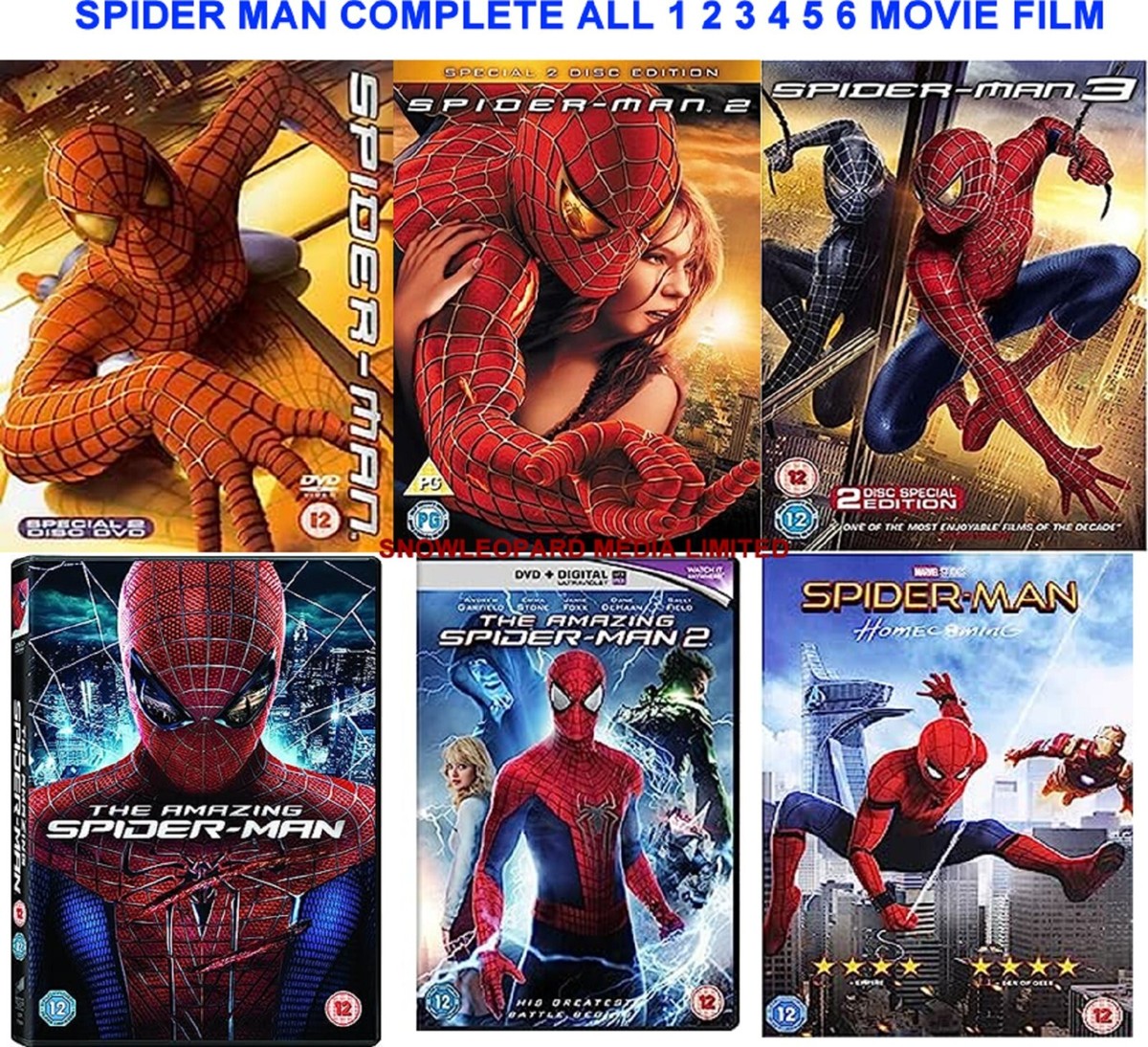
The specific movie featuring three different iterations of Spider-Man in leading roles is Spider-Man: No Way Home, released globally by Sony Pictures Releasing and Marvel Studios in December 2021. Directed by Jon Watts, the blockbuster superhero film famously united Tom Holland, Andrew Garfield, and Tobey Maguire as their respective versions of Peter Parker within a single live-action narrative.
The Cinematic Milestone of Three Spider-Man Actors in One Movie
The realization of bringing three generations of cinematic Spider-Man actors together in one feature film stands as one of the most meticulously guarded and widely anticipated events in modern movie history. For nearly two decades prior to its release, moviegoers had experienced distinct, non-intersecting eras of the character on the silver screen. Tobey Maguire pioneered the modern era of superhero blockbusters under director Sam Raimi beginning in 2002. Andrew Garfield redefined the role in Marc Webb’s The Amazing Spider-Man series starting in 2012. Finally, Tom Holland integrated the wall-crawling hero into the sprawling Marvel Cinematic Universe (MCU) starting with his introduction in 2016's Captain America: Civil War.
When rumors began circulating that Spider-Man: No Way Home would break down the barriers between these isolated franchises, fan speculation reached unprecedented levels. The movie achieves this unprecedented crossover by leaning heavily into the concept of the multiverse—a theoretical framework of parallel dimensions first heavily teased in earlier Marvel properties and fully unleashed in this narrative. By exploring a shared universe through fractured reality, the production transformed what could have been a simple marketing gimmick into a deeply emotional story about mentorship, shared trauma, and redemption.
Narrative Mechanics: How the Multiverse Binds Three Peter Parkers Together
To understand how three iterations of the same character occupy the screen simultaneously, one must examine the narrative catalyst driving the plot of Spider-Man: No Way Home. Following the events of 2019's Spider-Man: Far From Home, Peter Parker (Tom Holland) deals with the public exposure of his secret identity by Mysterio. Desperate to restore his normal life and protect his loved ones from legal and social fallout, Holland's Peter turns to Doctor Strange (Benedict Cumberbatch) for assistance with a memory-wiping spell.
However, the spell goes awry due to Peter's repeated interruptions and alterations. Rather than simply erasing public knowledge, the unstable magic tears open the boundaries of the multiverse. Instead of destroying the universe, the botched spell pulls individuals from alternative dimensions who already know that Peter Parker is Spider-Man. This narrative device serves as a bridge, transporting not only iconic villains from past franchises—such as Willem Dafoe’s Green Goblin, Alfred Molina’s Doctor Octopus, and Jamie Foxx’s Electro—but also the alternative cinematic versions of Peter Parker themselves.
| Spider-Man Actor | Original Franchise Era | Introduction Year | Directing Filmmaker |
|---|---|---|---|
| Tobey Maguire | Raimi Trilogy | 2002 | Sam Raimi |
| Andrew Garfield | The Amazing Spider-Man Duology | 2012 | Marc Webb |
| Tom Holland | Marvel Cinematic Universe | 2016 | Jon Watts / Anthony & Joe Russo |
Locating and Assisting the Lost Heroes
Before the three Spider-Man variants team up to cure their respective enemies, the narrative orchestrates a poignant meeting facilitated by Ned Leeds (Jacob Batalon) and Michelle "MJ" Jones-Watson (Zendaya). Utilizing Doctor Strange's sling ring to locate their missing friend, Ned accidentally opens portals that reveal not the MCU's Peter Parker, but the alternative versions.
Tobey Maguire's character—frequently designated by fans and production materials as "Peter-Two"—enters first, older, wiser, and carrying the quiet burden of decades of crime-fighting experience. Shortly after, Andrew Garfield's character ("Peter-Three") arrives, exhibiting a restless kinetic energy masking profound grief over the death of Gwen Stacy in his own timeline. This initial encounter bridges generational divides, allowing the three actors to establish an immediate, authentic chemistry. They swap stories about their respective worlds, comparing biological web-shooters versus mechanical web-shooters, organic challenges, and the unique physical toll that wearing the mask takes on their bodies over the years.
Thematic Depth and Emotional Resonance
Beyond the initial spectacle of seeing three generations of actors share the frame, Spider-Man: No Way Home uses this multi-actor premise to explore core themes of responsibility and loss. Tom Holland’s Peter Parker faces a devastating personal tragedy mid-film, mirroring the classic comic book tropes that define the character's ethos. Overwhelmed by grief and thoughts of violent vengeance against his enemies, Holland's character stands on the brink of crossing a moral line from which he cannot return.
It is precisely at this juncture that Maguire and Garfield's characters intervene. Drawing directly from their own past failures—Maguire reflecting on the loss of Uncle Ben and his struggle to forgive Norman Osborn, and Garfield reliving his inability to save Gwen Stacy—the older Peters offer profound guidance. They act not only as older brothers or mentors but as living ghosts of what Holland's future could hold if he lets bitterness consume him. This structural choice elevates the film from a standard nostalgic reunion into a definitive coming-of-age milestone for the MCU's iteration of the hero, cementing the idea that the core burden of being Spider-Man transcends universes.
Production Secrets and the Challenges of Secrecy
The realization of having three Spider-Man actors in one movie required an extraordinary level of industrial espionage prevention and promotional misdirection. During the production and marketing phases leading up to the December 2021 premiere, Sony and Marvel Studios maintained a strict policy of denial. Andrew Garfield, in particular, participated in numerous press interviews where he repeatedly and explicitly denied his involvement in the project, comparing the situation to the deduction game Werewolf.
Behind the scenes, the production team utilized custom-built headwear, restricted script distribution, and closed sets to prevent leaks from reaching the public via drones or rogue crew members. The actors themselves had to wear cloaks and hoods while walking between soundstages on the studio lot. This intense secrecy ultimately paid off inside theaters worldwide, where audience reactions to the simultaneous entrance of Maguire and Garfield alongside Holland became legendary cultural moments, echoing the collective excitement typically reserved for historic sports events.
Frequently Asked Questions
What is the exact title of the movie with three Spider-Man actors?
The movie is titled Spider-Man: No Way Home. It serves as the twenty-seventh film in the Marvel Cinematic Universe and the third solo Spider-Man film co-produced by Columbia Pictures and Marvel Studios.
Are Tobey Maguire and Andrew Garfield just cameo appearances?
No, both actors play substantial supporting roles in the narrative. They appear for a significant portion of the second and third acts, actively participating in the scientific formulation of cures for the villains, the emotional support of Tom Holland's character, and the final high-stakes battle at the Statue of Liberty.
Do the previous Spider-Man movies connect directly to this plot?
Yes. The narrative respects the continuity of Sam Raimi’s trilogy and Marc Webb’s duology. The villains and heroes arrive in the MCU with memories and physical scars directly inherited from the conclusions of their respective past films, treating those independent franchises as alternate realities within a wider multiverse.
How do the three Spider-Man variants differentiate themselves on screen?
Aside from their distinct costumes and ages, the script highlights functional and psychological differences. Tobey Maguire's Peter features organic webbing and a more seasoned, calm demeanor. Andrew Garfield's Peter utilizes mechanical web-shooters and displays sharp wit combined with unresolved trauma. Tom Holland's Peter represents the youngest, most technologically augmented version striving to balance high school life with cosmic stakes.
Where can I watch Spider-Man: No Way Home?
The film is widely available across multiple digital video-on-demand platforms for purchase or rental, on physical media formats including 4K UHD, Blu-ray, and DVD, and periodically streams on subscription video platforms depending on regional licensing agreements.
Final Recommendations for Viewers
For maximum emotional impact and narrative comprehension before watching Spider-Man: No Way Home, viewers should familiarize themselves with the foundational lore of the character's cinematic history. Watching Sam Raimi’s original Spider-Man trilogy (2002–2007) and Marc Webb’s The Amazing Spider-Man films (2012–2014) provides essential context for understanding the emotional weight behind the returns of Maguire and Garfield, as well as the historical motivations of the returning villains.