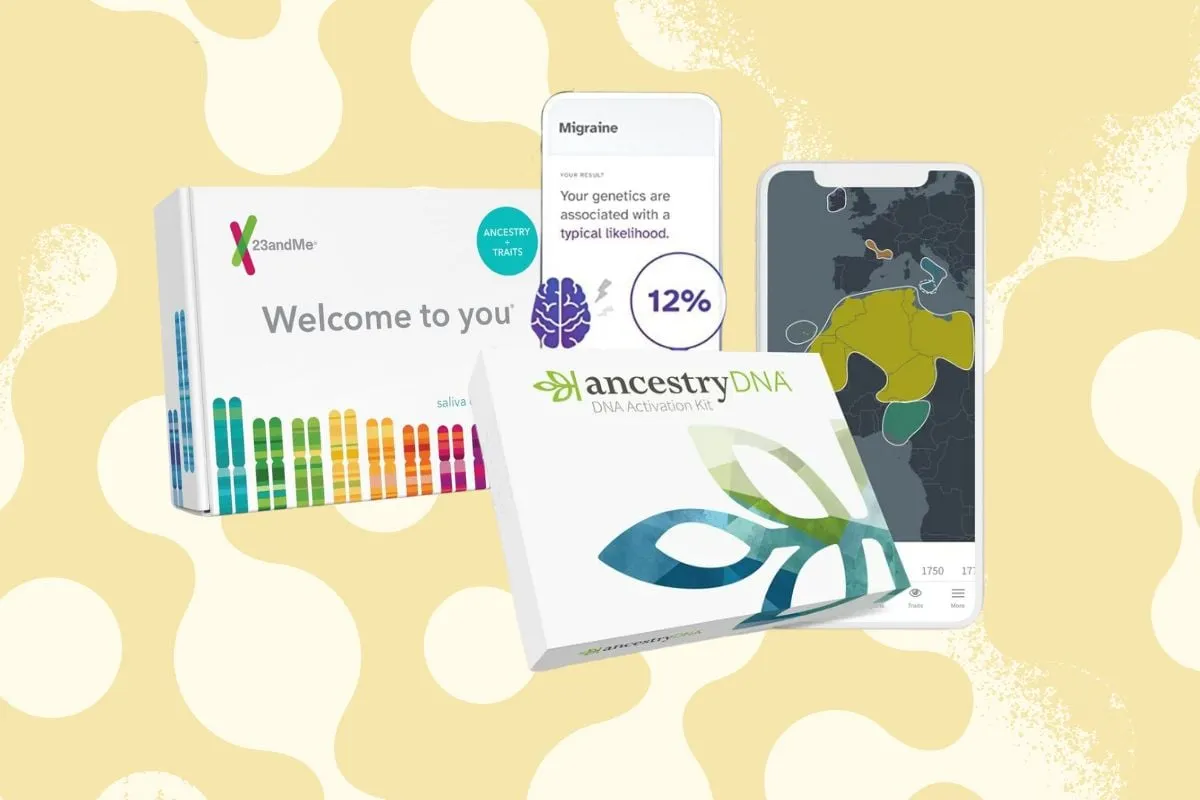
Choosing between 23andMe and AncestryDNA depends primarily on whether your main goal is exploring detailed genetic health reports and precise regional ancestry percentages or building an expansive family tree and connecting with living relatives through a massive genealogical database. Both companies dominate the direct-to-consumer genetic testing market, but they approach DNA analysis through distinctly different lenses, features, and database architectures.
Understanding the Core Differences Between 23andMe and AncestryDNA
When consumers decide to spit into a tube or swab their cheek for commercial genetic testing, they often assume all DNA tests are essentially identical. In practice, however, 23andMe and AncestryDNA are built for two different types of explorers.
AncestryDNA focuses heavily on genealogy, historical context, and building family trees. It boasts the world's largest consumer DNA database, making it exceptionally powerful for finding living relatives, breaking down brick walls in historical research, and mapping ancestral migration paths through generations of family history records. If your primary objective is to name your great-grandparents, find out where your ancestors lived in the 19th century, and build an interactive family tree, AncestryDNA is generally the preferred choice.
23andMe, conversely, approaches DNA through a dual lens of ancestry and health. While it provides robust regional ancestry breakdowns and a relative finder feature, it is widely recognized for its health reports, which are authorized by the U.S. Food and Drug Administration (FDA). These reports provide insights into genetic carrier status for inherited conditions, how your body processes certain medications, wellness traits like muscle composition and sleep behavior, and genetic predispositions to specific health risks. If you want to know what your DNA says about your body, your health risks, and your physiological traits alongside your geographic origins, 23andMe fills that requirement.
AncestryDNA: Features, Database Strength, and Genealogy Focus
AncestryDNA utilizes an autosomal DNA test, which examines your chromosomes inherited from both parents to estimate your ethnic makeup and connect you with genetic cousins. The platform's defining advantage lies in its integration with Ancestry.com, the world's largest online subscription-based genealogy platform.
The Power of the Family Tree
When you take an AncestryDNA test, your results are not locked inside a vacuum of percentages. The platform encourages you to link your DNA profile to a digital family tree. Once linked, the software cross-references your family tree data with your DNA matches. This feature—known as Ancestry Hints—can automatically suggest how you might be related to your DNA matches by comparing your tree data with theirs.
For genealogists and family historians, this integration is invaluable. You can view shared ancestor hints, explore millions of indexed historical documents, census records, birth certificates, and immigration passenger lists, and build out branches of your family tree spanning centuries. Without a linked family tree, AncestryDNA still provides a breakdown of your ethnic origins and a list of DNA matches, but pairing it with historical records unlocks its true utility.
Ethnicity Estimates and Genetic Communities
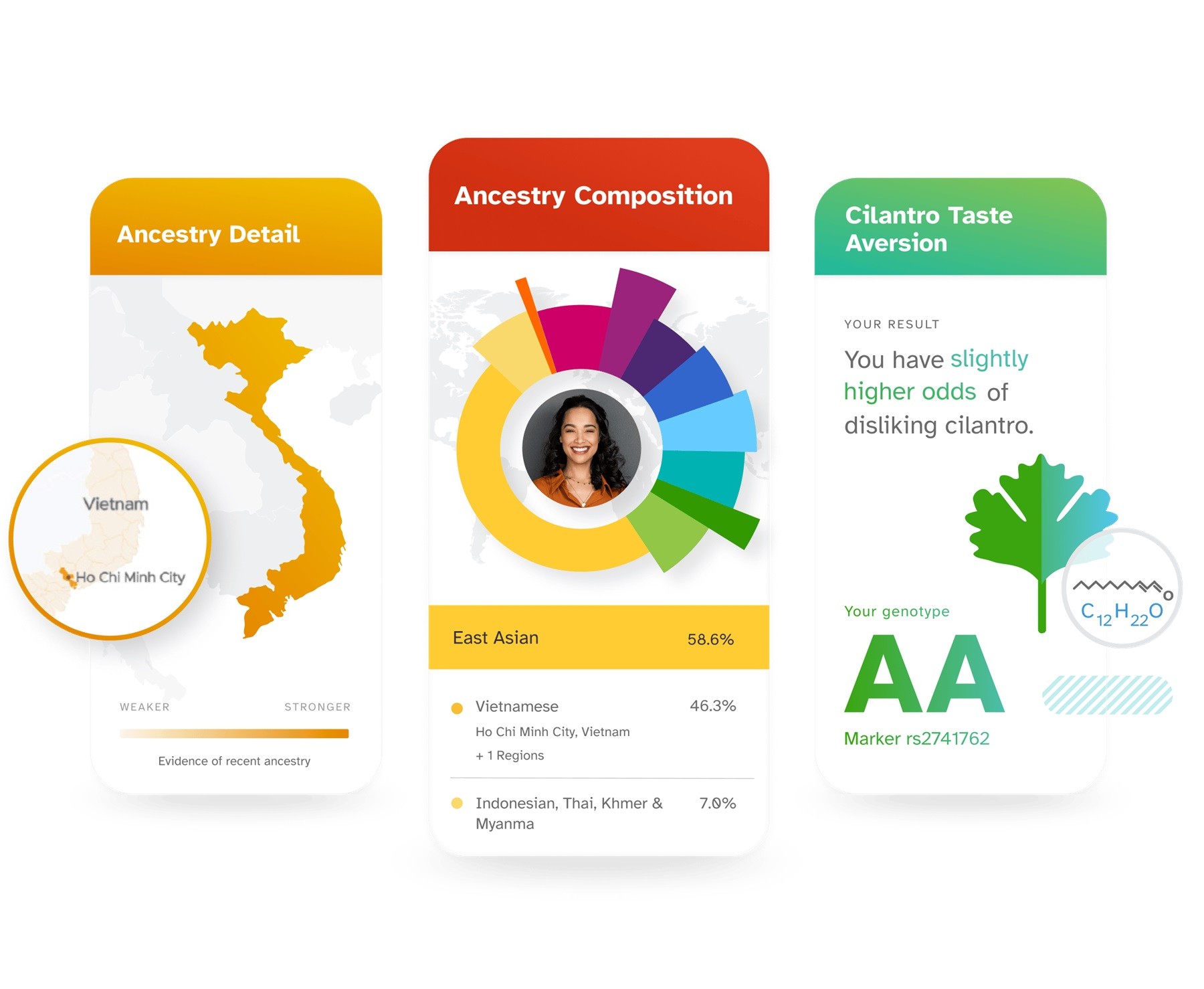
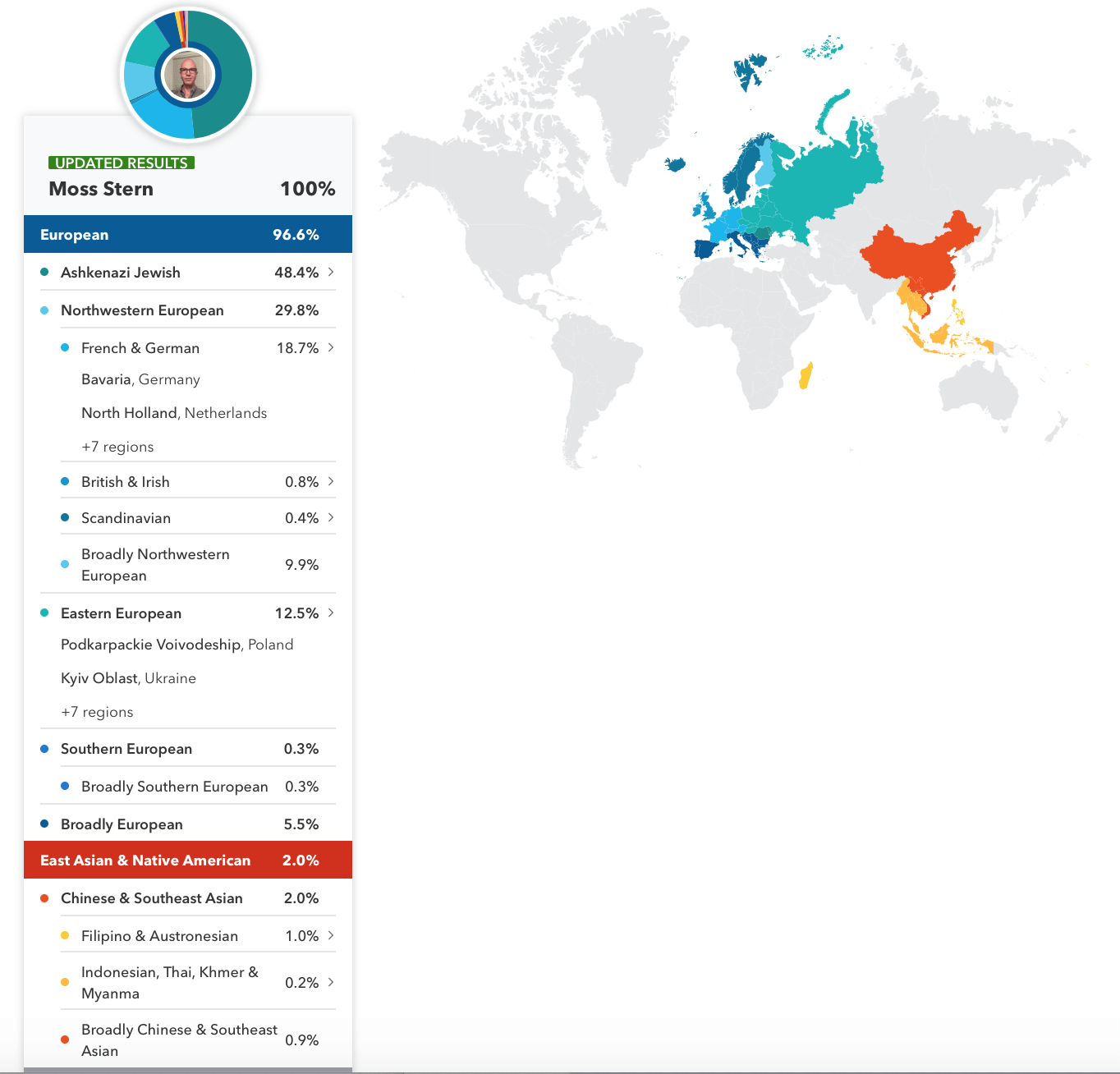
AncestryDNA provides a detailed breakdown of your ethnic origins across more than 1,000 global regions. The company frequently updates its reference panels, refining how it separates neighboring populations. Furthermore, Ancestry utilizes a proprietary feature called Genetic Communities. Instead of just telling you that you have roots in Ireland or Italy, Genetic Communities can pinpoint specific counties, migration waves, or historic groups (such as "Settlers of the American Midwest" or "Ulster, Ireland Emigrants") based on how you share DNA with groups of people whose recent ancestry is well-documented.
23andMe: Ancestry Meets Health and Wellness
23andMe occupies a unique space in consumer genomics by offering two distinct service tiers: an Ancestry + Traits service and a Health + Ancestry service. This division allows consumers to choose whether they want health-related insights or are strictly interested in genealogical and physiological traits.
Health Reports and FDA Authorization
The standout feature of 23andMe's Health + Ancestry kit is its collection of health reports. These are divided into several categories:
- Genetic Health Risks: Reports on whether you carry genetic variants associated with an increased risk for specific conditions, such as late-onset Alzheimer's disease, Parkinson's disease, or Celiac disease. These reports do not diagnose conditions; rather, they assess genetic predisposition.
- Carrier Status: Information on whether you carry genes for conditions that you could pass on to your children, such as cystic fibrosis, sickle cell anemia, or Tay-Sachs disease. This is particularly valuable for family planning.
- Wellness Reports: Insights into how genetics influence traits like deep sleep, genetic weight, lactose intolerance, and muscle composition.
- Pharmacogenetics: Reports explaining how your genetics may impact your body's processing of certain medications, such as specific antidepressants or over-the-counter painkillers (available through specific health service tiers).
It is important to note that 23andMe’s health reports are screening tools, not definitive medical diagnoses. Consumers should consult healthcare professionals before making medical decisions based on genetic data.
Ancestry Detail and Haplogroups
Beyond health, 23andMe provides a comprehensive ancestry composition report. Like AncestryDNA, it breaks down your geographic origins into percentages, but it also includes unique features such as:
- Haplogroups: 23andMe analyzes your maternal line (mitochondrial DNA, for both men and women) and paternal line (Y-chromosome DNA, for biological males only) to determine your deep ancestral haplogroups, mapping the prehistoric migration paths of your ancient ancestors thousands of years ago.
- Neanderthal Ancestry: A specific report detailing the percentage of Neanderthal DNA you carry compared to other customers, tracing your lineage back to ancient human interactions.
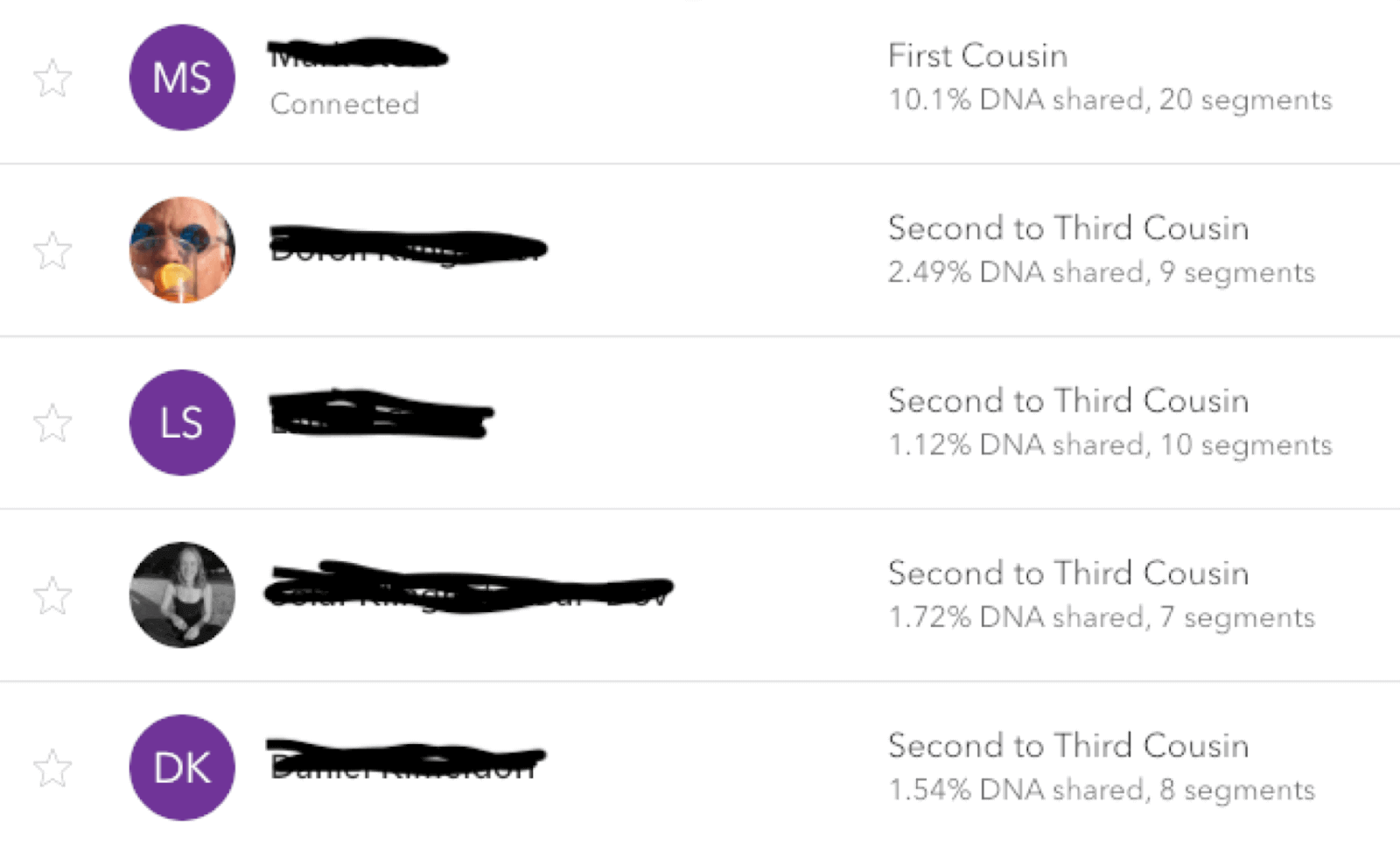
- DNA Relative Finder: A database of genetic matches that allows you to connect with biological relatives, though its user base is smaller than AncestryDNA's.
Direct Comparison: 23andMe vs. AncestryDNA
To determine which service aligns with your personal goals, examining how they stack up across key categories provides clarity.
| Feature / Category | AncestryDNA | 23andMe (Health + Ancestry) |
|---|---|---|
| Primary Focus | Genealogy, family history, and living relatives | Health predispositions, carrier status, and ancestry |
| Database Size | Over 20 million people | Over 14 million people |
| Family Tree Integration | Exceptional; seamlessly links to millions of historical records | Basic tree-building tools; primarily focused on DNA matches |
| Health & Wellness Reports | Not offered | Comprehensive FDA-authorized health and carrier reports |
| Historical Records Access | Requires paid subscription for full access | Not a genealogical record archive |
| Deep Ancestry Features | Genetic Communities and migration paths | Maternal/paternal haplogroups and Neanderthal ancestry |
| Sample Collection | Saliva collection (tube) | Saliva collection (tube) |
Data Privacy and Security Considerations
When you submit your DNA to a commercial testing company, you are sharing some of your most sensitive personal data. Both 23andMe and AncestryDNA maintain strict privacy policies, but understanding how they handle your biological sample and data is critical before purchasing a kit.
Both companies allow you to choose whether your anonymized data can be used for scientific research. Opting in helps researchers study genetic markers associated with diseases, while opting out ensures your data is used solely to generate your personal reports. Neither company sells your individual-level data to insurance companies, employers, or third-party marketers without your explicit consent.
However, users should be aware of law enforcement access. Historically, commercial consumer DNA databases like 23andMe and AncestryDNA have maintained policies prohibiting law enforcement from accessing their databases without a valid court order, subpoena, or search warrant. Unlike open-source databases (such as GEDmatch), which have been utilized extensively by law enforcement to solve cold cases through investigative genetic genealogy, 23andMe and AncestryDNA maintain strict legal barriers to protect user privacy. Customers can also permanently delete their accounts and request the physical destruction of their saliva samples at any time.
Which Test Should You Choose?
The decision ultimately rests on what you hope to discover when your results arrive.
Choose AncestryDNA if:
- Your primary goal is to build a family tree and trace your ancestry back through historical documents, censuses, and immigration records.
- You want the highest statistical chance of finding living biological relatives, second cousins, or distant branches of your family tree, thanks to the platform's massive user database.
- You are uninterested in medical or health-related genetic reports and prefer to keep your focus strictly on genealogical roots.
Choose 23andMe if:
- You are curious about your genetic health risks, carrier status for inherited conditions, and wellness traits like metabolism and sleep patterns.
- You want to explore deep-ancestry details, such as your maternal and paternal haplogroups and Neanderthal DNA percentage.
- You want a straightforward ancestry breakdown without needing to build an extensive digital family tree or maintain a secondary subscription to access historical records.
Frequently Asked Questions
Can I upload my DNA data from one company to the other?
No, 23andMe and AncestryDNA use different microarray chip technologies to read your DNA, meaning raw data files downloaded from one platform cannot be directly uploaded to generate official reports on the other. However, you can download your raw data file from either company and upload it to third-party services like GEDmatch or MyHeritage for additional relative matching and third-party analysis tools.
Do I need a subscription to use AncestryDNA or 23andMe?
The initial DNA test kit purchase provides lifetime access to your basic ancestry results, ethnicity estimates, and relative finder tools on both platforms. However, while 23andMe does not require a subscription for its core features, unlocking the full power of AncestryDNA's genealogical research requires a paid subscription to Ancestry.com to access billions of historical records and build complex family trees.
How accurate are the ethnicity estimates provided by these tests?
Both companies use advanced genotyping and complex statistical algorithms to compare your DNA against reference populations around the world. While their broad continental breakdowns (such as European, Sub-Saharan African, or East Asian) are exceptionally accurate, finer regional estimates (such as specific counties in Ireland or Italy) can fluctuate as reference panels improve. These percentages should be viewed as scientifically educated estimates rather than absolute historical truths.
Can law enforcement access my DNA data on these platforms?
Both 23andMe and AncestryDNA state that they will not share customer data with law enforcement agencies unless compelled by valid legal processes, such as a court order or search warrant. Both companies publish transparency reports detailing government requests for user data, maintaining that protecting customer privacy is a core operational priority.
What happens to my physical saliva sample after testing is complete?
After your DNA is extracted and analyzed on the microarray chip, laboratories typically store your remaining saliva sample under secure, anonymized conditions for a limited period (often up to 10 years, depending on company policy and user consent preferences) for quality control or research purposes, provided you have consented. You can request the destruction of your physical sample and the permanent deletion of your account through your user settings at any time.
Final Recommendation
If your curiosity leans toward medical insights, inherited carrier traits, and physiological wellness, purchase the 23andMe Health + Ancestry kit. If your heart is set on uncovering historical family roots, building comprehensive family trees, and connecting with living cousins across the globe, purchase the AncestryDNA kit. Each platform delivers industry-leading accuracy within its respective domain, ensuring that your choice depends entirely on whether your journey leads toward the doctor's office or the archives of family history.