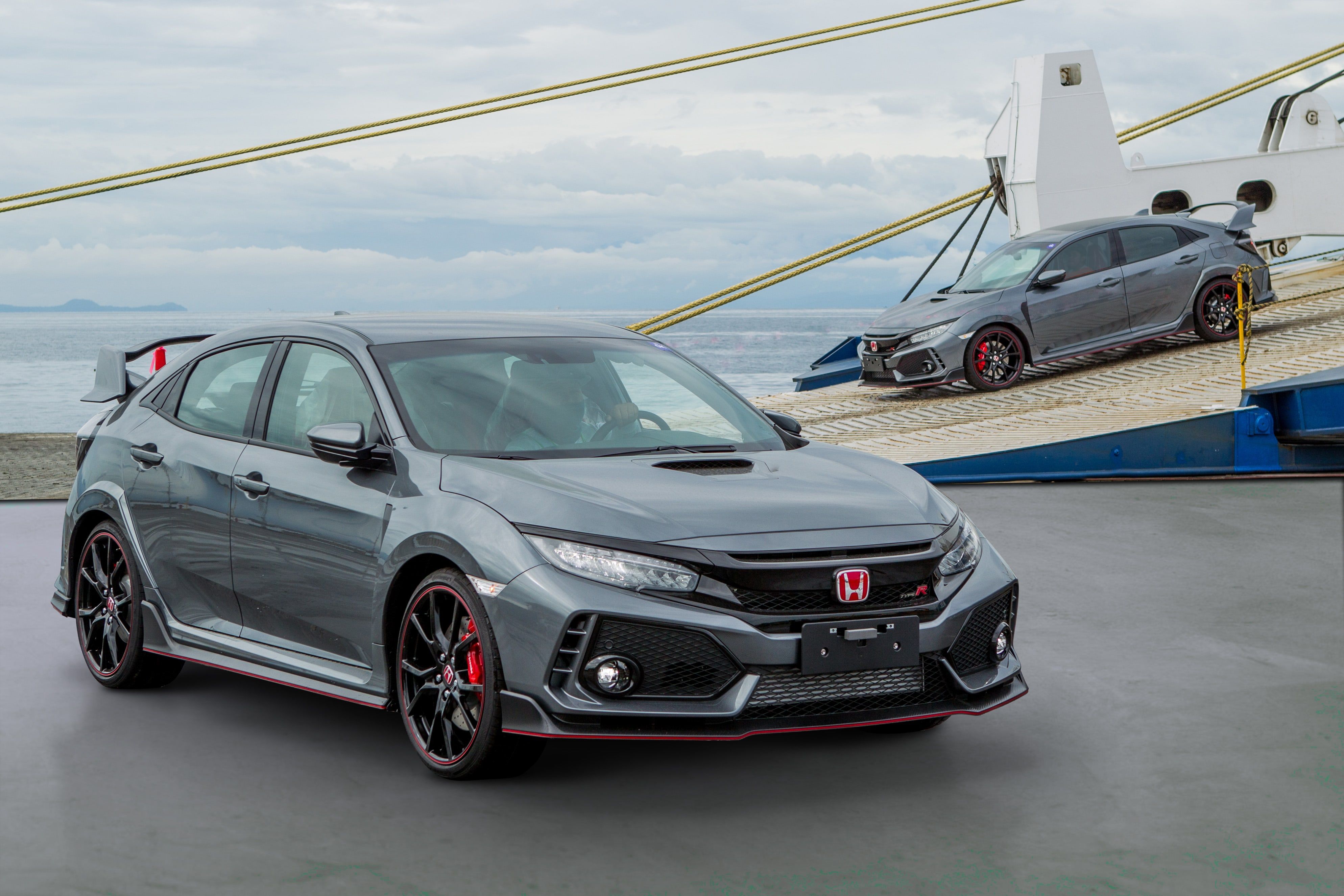
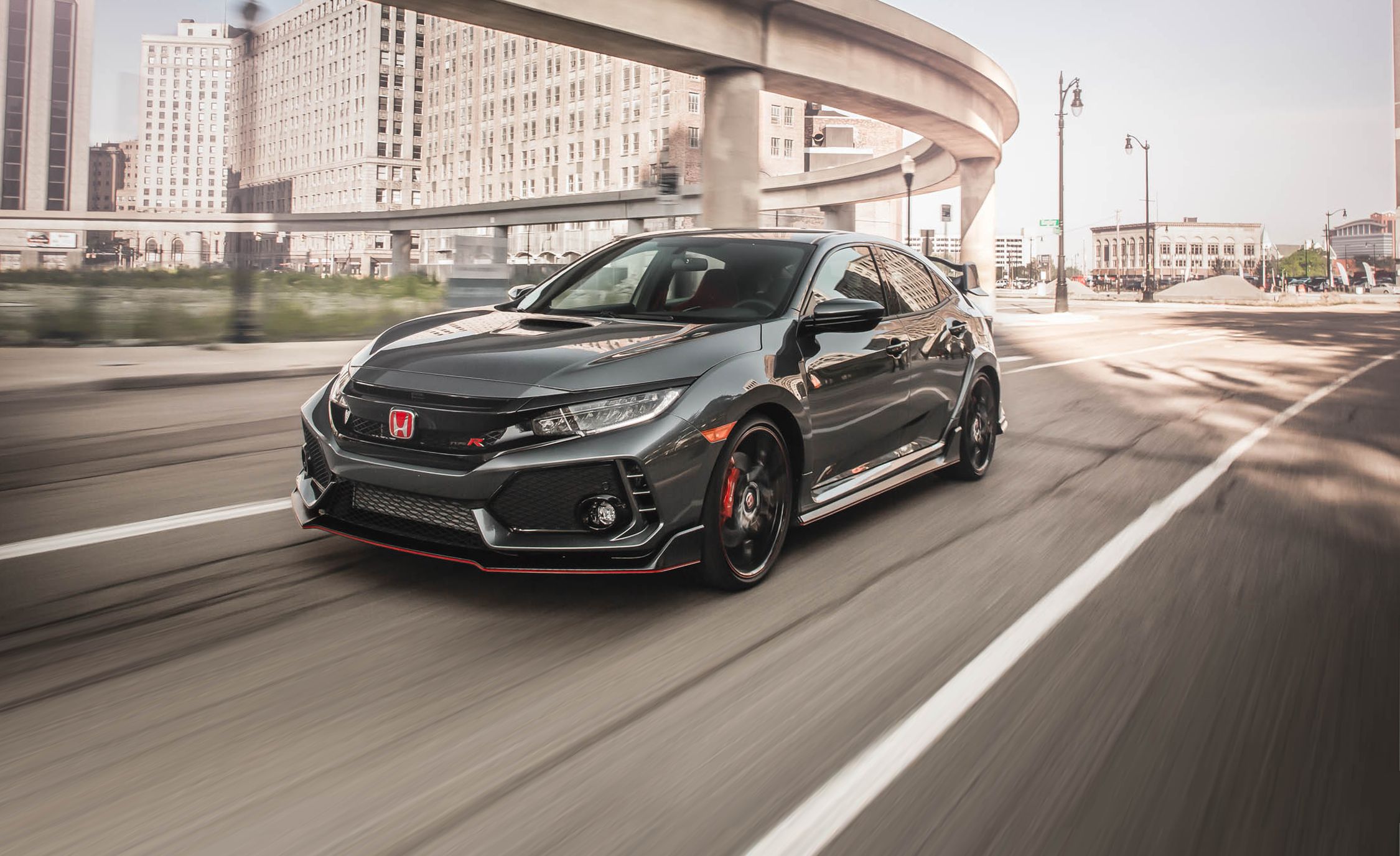
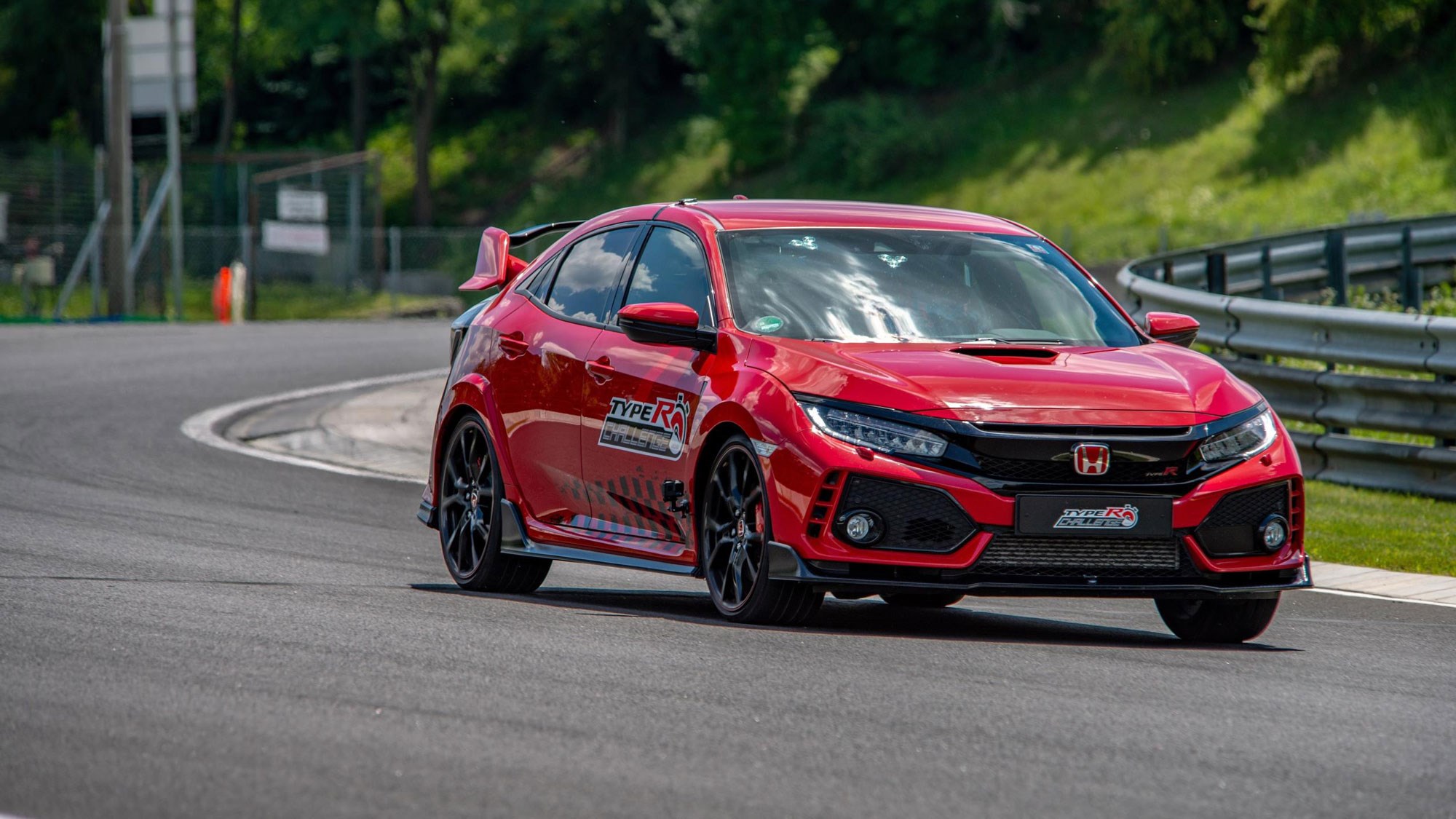
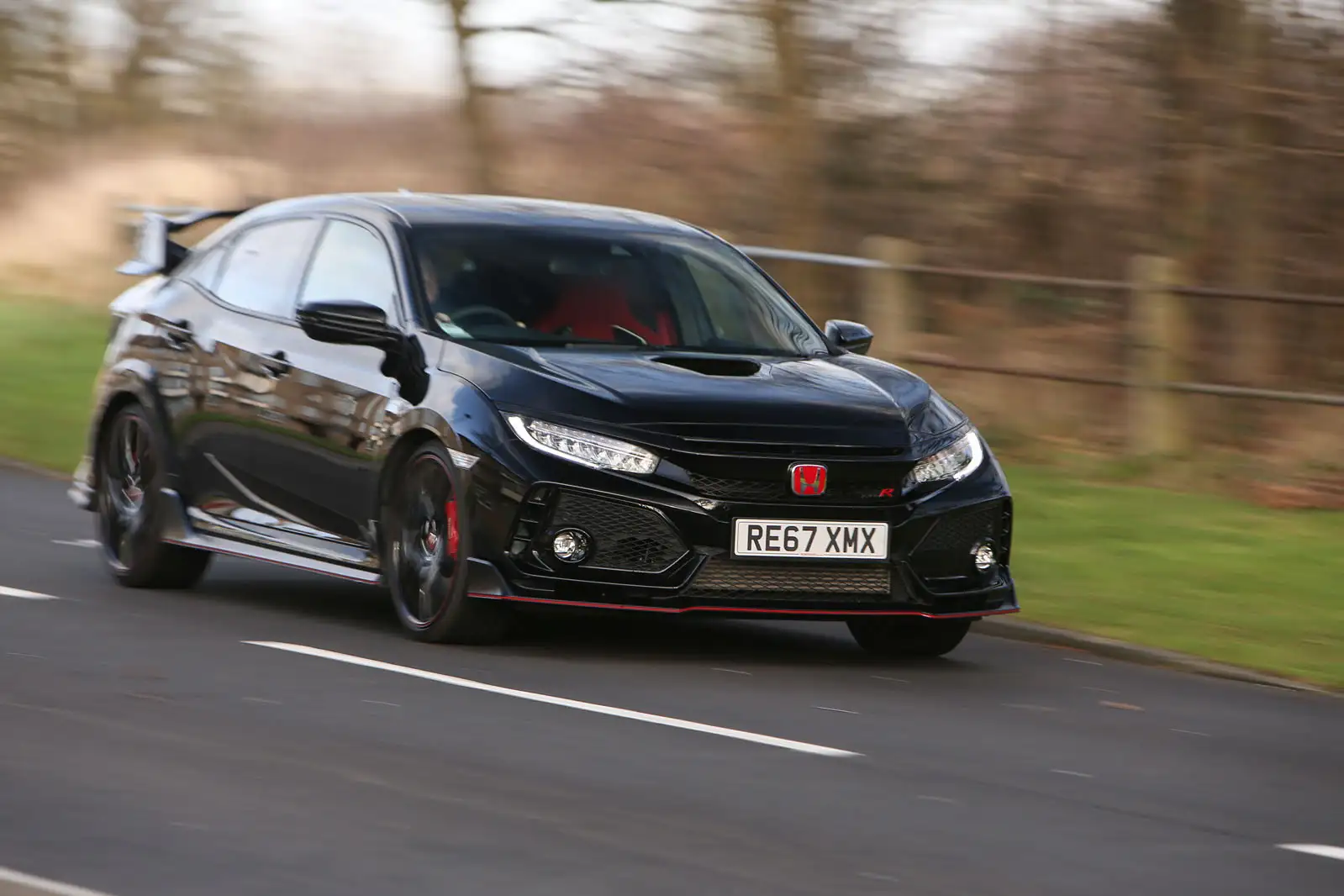
The 2018 Honda Civic Type R produces an impressive 306 horsepower at 6,500 rpm and 295 lb-ft of torque from 2,500 to 4,500 rpm, courtesy of its turbocharged 2.0-liter K20C1 four-cylinder engine. This power output, paired exclusively with a six-speed manual transmission and a helical limited-slip differential, established a new benchmark for front-wheel-drive performance hatchbacks upon its North American introduction.
When the fifth-generation Civic Type R (designated by the chassis code FK8) arrived on North American shores for the 2017 model year and continued strongly into 2018, it represented a watershed moment for enthusiast drivers. For decades, automotive enthusiasts in the United States and Canada watched European and Japanese markets receive high-performance Type R iterations of the Civic while domestic markets made do with lesser trims. By 2018, the global platform was fully established, and the heavy focus centered squarely on its powertrain capabilities. Reviewing the 2018 Honda Civic Type R horsepower figures requires looking past the raw numbers to examine how forced induction, thermal management, gear ratios, and chassis dynamics cooperate to translate 306 horses into asphalt-gripping performance.
Understanding the K20C1 Engine Architecture
At the heart of the 2018 Honda Civic Type R is the K20C1 engine, an advanced power plant utilizing a lightweight aluminum block and cylinder head. Unlike older, naturally aspirated VTEC engines that relied on high-revving antics to make peak power, the 2018 iteration leverages a single-scroll mono-scroll turbocharger running alongside Dual VTC (Variable Timing Control) and VTEC on both the intake and exhaust camshafts.
This technological suite allows the engine to spool up quickly, mitigating turbo lag and delivering a broad, flat torque curve. The 295 lb-ft of torque is available across a remarkably wide band from 2,500 rpm up to 4,500 rpm. This characteristic changes how drivers interact with the car on both twisty back roads and track days. Instead of needing to wring the engine out to its 7,000-rpm redline to stay within the power band, drivers can short-shift or ride a wave of mid-range thrust, making the car exceptionally flexible and responsive.
Technical Specifications of the 2018 Powertrain
To truly appreciate the engineering behind the 2018 model's output, reviewing its core technical specifications provides necessary context:
- Engine Type: Turbocharged and intercooled DOHC inline-4, aluminum block and head
- Displacement: 1,996 cc (122 cubic inches)
- Horsepower (HP): 306 hp @ 6,500 rpm
- Torque: 295 lb-ft @ 2,500–4,500 rpm
- Redline: 7,000 rpm
- Compression Ratio: 9.8:1
- Fuel Requirement: Premium unleaded (91 octane or higher recommended)
- Transmission: Close-ratio 6-speed manual with automatic rev-matching
Real-World Performance and Track Dynamics
Generating 306 horsepower in a front-wheel-drive (FWD) layout presents formidable engineering hurdles, particularly concerning torque steer and traction losses. Honda addressed these physical limitations by engineering a dual-axis strut front suspension. By separating the steering axis from the shock absorber geometry, the layout reduces torque steer by nearly 50 percent compared to a traditional MacPherson strut setup.
Reviewers testing the 2018 model noted that off-the-line acceleration yields a 0-to-60 mph time of approximately 4.9 to 5.4 seconds, depending on surface conditions and tire temperature. While all-wheel-drive competitors like the Ford Focus RS or Volkswagen Golf R could hook up more easily from a standstill in wet conditions, the Civic Type R shines once rolling. Its high power-to-weight ratio allows it to maintain momentum through sweeping corners, where its aerodynamic body kit and massive rear wing provide genuine downforce.
Transmission and Rev-Match Precision
Power is channeled exclusively through a six-speed manual gearbox. For driving purists, this was a welcome decision, though it limited the buyer pool to those proficient with a clutch pedal. The shifter features a short throw and mechanical gate feel that rewards crisp inputs.
Furthermore, the 2018 model includes a computer-controlled automatic rev-matching system. When downshifting, the electronic control unit automatically blips the throttle to match engine speed to the lower gear, smoothing out chassis transitions and protecting the drivetrain from shock loads. For drivers who prefer traditional heel-and-toe driving, the rev-matching feature can be easily deactivated through the infotainment touchscreen settings menu.
Comparative Power Analysis Among Rivals
When evaluating the 2018 Honda Civic Type R horsepower figures against its contemporary hot hatchback rivals, the car holds its own despite sending all power exclusively to the front wheels.
| Make and Model | Engine Configuration | Horsepower (HP) | Torque (lb-ft) | Drivetrain |
|---|---|---|---|---|
| 2018 Honda Civic Type R | 2.0L Turbo I4 | 306 | 295 | FWD |
| 2018 Ford Focus RS | 2.3L Turbo I4 | 350 | 350 | AWD |
| 2018 Volkswagen Golf R | 2.0L Turbo I4 | 292 | 280 | AWD |
| 2018 Subaru WRX STI | 2.5L Turbo H4 | 305 | 290 | AWD |
| 2018 MINI John Cooper Works | 2.0L Turbo I4 | 228 | 258 | FWD |
As illustrated above, while the Ford Focus RS holds a numerical advantage in both horsepower and torque aided by an all-wheel-drive system, the Civic Type R outguns the Volkswagen Golf R and matches the Subaru WRX STI while maintaining a lower curb weight. This balance of power and mass contributes significantly to its agility on technical circuits.
Drive Modes and Thermal Management Considerations
The 2018 model features three distinct drive modes: Comfort, Sport, and +R. Each mode alters steering weight, throttle mapping, adaptive damper stiffness, and stability control thresholds.
- Comfort Mode: Relaxes the adaptive dampers, making daily commuting bearable over rough urban asphalt while still retaining sharp handling characteristics.
- Sport Mode: Serves as the default setting upon startup, balancing responsive throttle inputs with firm damping.
- +R Mode: Sharpening everything to its maximum track-ready threshold, this mode turns the instrument cluster red, minimizes electronic stability control intervention, stiffens the suspension significantly, and weights up the steering.
Despite its track prowess, early reviews of the 2018 model frequently highlighted a specific limitation: thermal management during extended track sessions. Under sustained high-load track driving in hot ambient weather, early FK8 models were prone to coolant temperature spikes. The front grille design, while aggressive, restricted a portion of optimal airflow to the radiator compared to later mid-cycle refreshes. Owners who frequently track their vehicles often upgrade the radiator and intercooler to manage exhaust gas temperatures and maintain consistent peak horsepower throughout long driving stints.
Fuel Economy and Daily Usability
One of the most praised aspects of the 2018 Honda Civic Type R is how easily its high-output engine transitions into a docile daily driver. Despite producing over 300 horsepower, the EPA fuel economy ratings sit at an impressive 22 mpg city, 28 mpg highway, and 25 mpg combined.
For commuters covering long distances, the hatchback utility provides generous cargo room with the rear seats folded flat. However, prospective buyers should note two distinct everyday compromises:
- Low-Profile Tires: The 2018 model rides on 20-inch alloy wheels wrapped in aggressive 245/30ZR20 Continental SportContact 6 tires. The extremely thin sidewalls make the wheels highly susceptible to bending or bubbling when striking deep potholes.
- Seating and Seating Capacity: The rear seat accommodates only two passengers due to the center console cupholders integrated into the bench, making it strictly a four-seater vehicle.
Common Modifications and Power Potential
The K20C1 engine is heavily over-engineered from the factory, making it a favorite platform for automotive enthusiasts looking to extract more than the stock 306 horsepower. Because the engine utilizes a closed-deck design architecture and robust internal components, minor bolt-on upgrades yield immediate gains.
Common modifications include:
- ECU Tuning / Flashers: Unlocking factory boost limits via software calibration can push horsepower past 330–350 whp on stock hardware.
- Aftermarket Downpipes and Exhaust Systems: Reducing backpressure allows the turbocharger to spool faster and lowers exhaust gas temperatures.
- Upgraded Intercoolers: Essential for maintaining consistent power delivery by lowering intake air temperatures during hard acceleration.
While these modifications enhance performance, owners must balance increased output with clutch wear, as the stock clutch disc can slip under significantly heightened torque curves.
Conclusion
The 2018 Honda Civic Type R remains a masterclass in front-wheel-drive powertrain engineering. By successfully harnessing 306 horsepower through a sophisticated dual-axis strut suspension and a precise manual gearbox, Honda delivered a track-capable weapon that doubles as a practical daily driver. While potential buyers must mind the low-profile 20-inch wheels and monitor thermal management during heavy track use, the car's enduring popularity and strong resale value underscore its status as a modern performance icon.