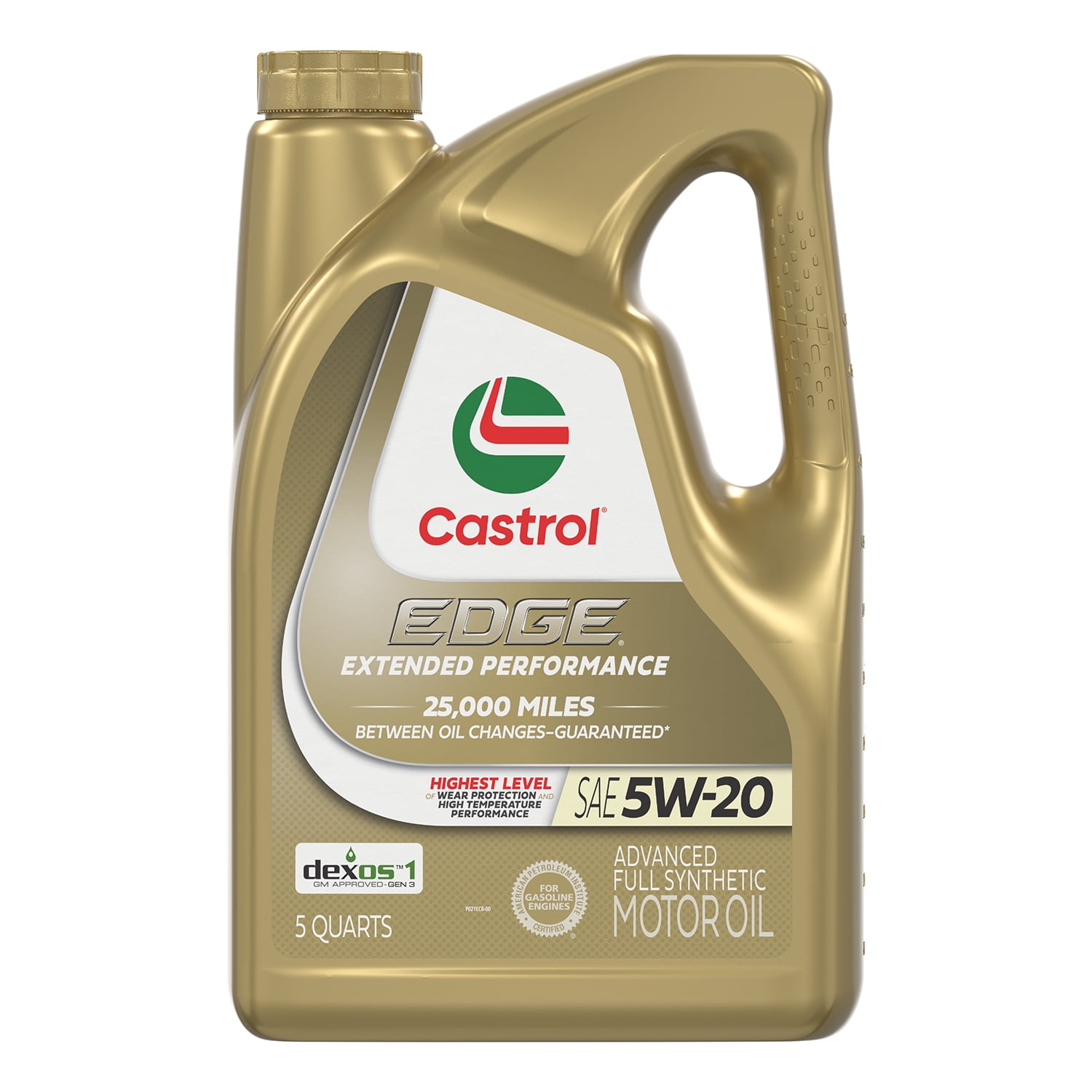
Maintaining a 2018 Ford Edge requires strict adherence to manufacturer specifications, particularly when it comes to engine oil. For the majority of engines offered in this model year, Ford specifies a 5W-20 full synthetic oil that meets specific company standards. Utilizing the correct viscosity and oil type ensures optimal fuel economy, reduces internal mechanical wear, protects critical turbocharger components, and preserves the longevity of the emission control systems.
Understanding the 2018 Ford Edge Engine Lineup and Oil Specifications
The 2018 Ford Edge was manufactured with three distinct engine options, each designed to balance performance, efficiency, and capability. While each engine has a unique displacement and power output, Ford engineers specified standard lubrication requirements that overlap across the lineup, though exact fluid capacities differ.
Recognizing the exact engine under the hood is the first step toward proper maintenance. The 2018 lineup includes:
- 2.0L EcoBoost® I-4 GTDI: A turbocharged, direct-injection four-cylinder engine providing a balance of efficiency and forced-induction power.
- 3.5L Ti-VCT V6: A naturally aspirated, twin-independent variable cam timing V6 engine designed for smooth power delivery.
- 2.7L EcoBoost® V6 GTDI: A high-performance twin-turbocharged V6 exclusively powering the Sport trim level.
Across these three powerplants, Ford mandates the use of engine oils meeting specific material standards. Using conventional or synthetic blend oils that do not match the required standard can lead to accelerated wear, sludge buildup in turbocharged applications, and potential warranty complications.
The 5W-20 Full Synthetic Requirement Explained
For the 2018 Ford Edge, the specified viscosity grade is 5W-20, and Ford strongly recommends or explicitly requires full synthetic formulations depending on the engine variant and operational severity.
What 5W-20 Means
- 5W (Winter Rating): The number preceding the "W" indicates the oil's flow characteristics at low temperatures. A lower number means the fluid flows more readily during cold weather startups, ensuring rapid lubrication of overhead camshafts, bearings, and turbocharger seals before the engine reaches operating temperature.
- 20 (High-Temperature Rating): The second number describes the viscosity of the oil at normal engine operating temperatures (typically around 100°C or 212°F). A 20-weight oil provides a thin yet durable protective film designed to minimize internal friction and maximize fuel efficiency without causing excessive drag on the internal components.
Full Synthetic vs. Conventional Oil
Full synthetic oils are chemically engineered from refined base stocks and enhanced additive packages, unlike conventional mineral oils derived directly from crude petroleum.
- Molecular Uniformity: Synthetic molecules are engineered to be uniform in size and shape, providing superior resistance to thermal breakdown.
- High-Temperature Stability: In turbocharged engines like the 2.0L and 2.7L EcoBoost variants, extreme heat near the turbocharger turbine shaft can cause conventional oil to oxidize and form carbon deposits (coking). Full synthetic oil resists this degradation, protecting internal bearings.
- Cold-Weather Performance: Synthetic oils maintain fluid mobility at sub-zero temperatures far better than conventional mineral oils, drastically reducing dry-start wear during winter months.
Ford Material Standards and Certifications
When selecting a 5W-20 oil for a 2018 Ford Edge, looking at the viscosity rating alone is insufficient. The oil must also meet Ford’s internal engineering standards to guarantee chemical and physical compatibility.
For the 5W-20 requirement, look for oils that carry the Ford WSS-M2C945-A or WSS-M2C945-B1 specification (or the updated WSS-M2C961-A1 standard, which supersedes earlier specifications). These certifications ensure that the lubricant has passed rigorous industry and manufacturer tests regarding:
- Low-speed pre-ignition (LSPI) protection, particularly relevant for modern direct-injection turbocharged engines.
- Wear protection for valvetrain components such as roller finger followers and timing chains.
- Fuel economy retention over extended drain intervals.
- Sludge and varnish control under severe driving conditions.
Checking the back label of any quart or jug of motor oil will typically reveal whether it meets these Ford specifications alongside standard certifications from the American Petroleum Institute (API) and the International Lubricant Standardization and Approval Committee (ILSAC).
Engine Capacities and Fluid Requirements for the 2018 Ford Edge
Engine oil capacity varies significantly depending on which powertrain is installed in the 2018 Ford Edge. Exceeding or falling short of these capacities can result in aeration, oil starvation, or high oil pressure issues.
| Engine Option | Oil Viscosity | Oil Specification | Approximate Capacity (with Filter) |
|---|---|---|---|
| 2.0L EcoBoost I-4 | SAE 5W-20 | WSS-M2C945-A / WSS-M2C961-A1 | 5.7 Quarts (5.4 Liters) |
| 3.5L Ti-VCT V6 | SAE 5W-20 | WSS-M2C945-A / WSS-M2C961-A1 | 6.0 Quarts (5.7 Liters) |
| 2.7L EcoBoost V6 | SAE 5W-20 | WSS-M2C945-A / WSS-M2C961-A1 | 6.0 Quarts (5.7 Liters) |
Note: Always verify exact fluid levels using the vehicle's dipstick after filling, as residual oil trapped in components can slightly alter the required quantity during an oil change.
Importance of Oil Change Intervals and Monitoring
Adhering to the 5W-20 full synthetic requirement is only half the battle; maintaining proper change intervals is equally crucial for engine health.
The Intelligent Oil-Life Monitor
The 2018 Ford Edge is equipped with an Intelligent Oil-Life Monitor (IOLM) system. Rather than relying solely on a fixed mileage or time interval, the IOLM calculates oil degradation based on real-world operating conditions, including:
- Engine operating temperatures
- Average vehicle speed
- Trip durations and frequency of short-distance driving
- Idling time and towing frequency
When the system determines that the oil has reached the end of its effective service life, a message will illuminate on the instrument cluster dashboard. However, under standard operating guidelines, full synthetic oil changes are generally recommended every 7,500 to 10,000 miles, or once a year, whichever comes first.
Severe Service Conditions
Owners operating their 2018 Ford Edge under severe duty cycles should shorten their oil change intervals. Severe conditions include:
- Frequent short trips of less than 10 miles in normal temperatures or freezing weather
- Extensive idling or stop-and-go city driving (such as delivery or rideshare use)
- Towing a trailer or operating in dusty, mountainous, or off-road environments
Operating under these conditions accelerates additive depletion, making timely full synthetic oil changes vital for preventing premature mechanical wear.
Frequently Asked Questions
Can I use 5W-30 instead of 5W-20 in my 2018 Ford Edge?
Using 5W-30 is generally discouraged unless specified in the owner's manual for emergency top-offs or specific high-performance climates, but for the 2018 Edge, 5W-20 is the strict factory recommendation. Deviating from the recommended viscosity can impact variable cam timing operation, alter oil pressure dynamics, and reduce fuel economy.
Is full synthetic oil strictly mandatory, or can I use a synthetic blend?
While synthetic blends met older baseline requirements, full synthetic oils provide superior resistance to thermal breakdown, deposit formation, and oxidation. Given the high operating temperatures of the EcoBoost turbochargers in the 2018 Edge, utilizing a true full synthetic oil meeting Ford specifications offers optimal protection and longevity.
What happens if I accidentally mix 5W-20 conventional oil with full synthetic?
Mixing conventional and synthetic oil of the same viscosity grade during an emergency top-off will not immediately damage the engine. However, it dilutes the performance benefits of the synthetic oil, meaning you should schedule a complete oil and filter change sooner than normal to restore maximum protection.
How do I reset the oil life monitor after an oil change?
To reset the Intelligent Oil-Life Monitor on a 2018 Ford Edge, turn the ignition on without starting the engine. Use the steering wheel controls to navigate to Settings > Vehicle > Oil Life Reset, then press and hold the OK button until the screen confirms the reset is complete.
Recommended Next Actions
To maintain your 2018 Ford Edge properly, check your current oil level using the under-hood dipstick and review your maintenance records to determine when your last service was performed. When purchasing supplies for your next oil change, verify that the quart bottles explicitly state compliance with Ford's WSS-M2C945-A or WSS-M2C961-A1 specifications alongside a quality OEM-specified oil filter.