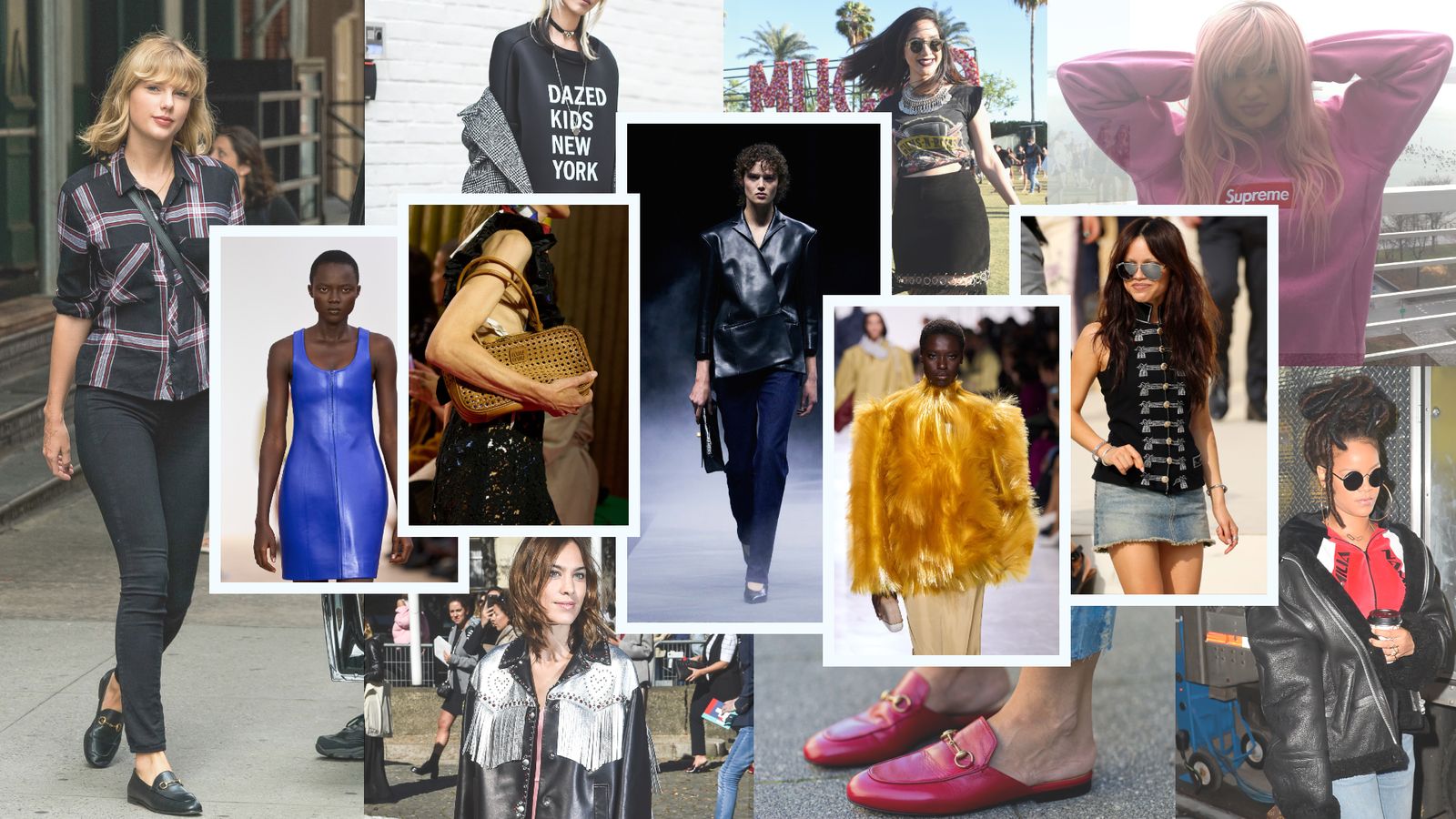
2016 was a pivotal year for women’s fashion, defined by the mainstream explosion of athleisure, the resurgence of 90s-era chokers, and the "Instagrammable" aesthetic of off-the-shoulder necklines. It marked a transition from the stark minimalism of "normcore" toward a vibrant maximalism led by brands like Gucci, creating a diverse landscape of velvet textures, bomber jackets, and slip dresses.
The Cultural Landscape of 2016 Fashion
To understand the style trends of 2016, one must recognize the shifting media landscape of that era. Looking back from 2026, 2016 stands as the year fashion fully integrated with the visual mechanics of social media. This was the year that "street style" moved from the sidelines of fashion weeks directly into the digital feeds of millions, dictated not just by editors but by a new class of "super-influencers."
The aesthetic of 2016 was deeply bifurcated. On one side, there was a heavy reliance on comfort and utility, manifesting in the athleisure movement. On the other, there was a romantic, almost Victorian revival characterized by lace, ruffles, and exposed shoulders. This tension created a wardrobe that was paradoxically both gym-ready and ballroom-adjacent.
The Rise and Dominance of Athleisure
Perhaps the most significant legacy of 2016 was the solidification of athleisure as a permanent category of dress rather than a passing fad. While leggings had been popular for years, 2016 was the year they became socially acceptable in almost every venue, from brunch to the workplace.
The Uniform of the "Off-Duty" Model
The "off-duty" look, championed by figures like Kendall Jenner and Gigi Hadid, became the aspirational standard. This look typically consisted of high-waisted leggings (often with mesh panels), a cropped hoodie or a bomber jacket, and pristine white sneakers—most notably the Adidas Stan Smith or the Superstar. The technical depth of this trend involved a focus on high-performance fabrics like Lycra and Spandex being re-engineered for aesthetic appeal rather than just moisture-wicking capabilities.
Streetwear’s Luxury Pivot
2016 also saw the rise of Vetements and Off-White, brands that took mundane garments—like the DHL t-shirt or oversized hoodies—and recontextualized them as high-fashion items. This "ugly-cool" aesthetic challenged traditional notions of feminine elegance, favoring exaggerated proportions and industrial graphics.
Key Silhouettes: Shoulders and Slips
If one silhouette defined the 2016 summer season, it was the off-the-shoulder (Bardot) neckline. Whether in the form of a crisp cotton blouse or a flowy bohemian dress, showing the shoulders became the primary way to express femininity.
The Bardot Influence
These tops often featured elasticated necklines and ruffled sleeves. The appeal was universal because the neckline was considered flattering on all body types, offering a way to show skin that felt sophisticated rather than overt. This trend was frequently paired with distressed denim or "mom" jeans, creating a balance between the structured top and the casual bottom.
The Slip Dress Over the T-Shirt
Borrowing heavily from the 1990s, the slip dress made a massive comeback in 2016. However, the specific 2016 "twist" was layering. Wearing a silky, lace-trimmed camisole dress over a plain white crew-neck t-shirt became a staple look. This layering technique solved the "too-revealing" nature of the slip dress for daytime wear and added a structural element to an otherwise flimsy garment.
The "Gucci-fication" of the Wardrobe
In 2016, Alessandro Michele’s vision for Gucci began to permeate the entire fashion industry. This "maximalist" approach was a direct rejection of the sterile minimalism that had dominated the early 2010s.
Embroidery and Patches
Suddenly, denim jackets, leather loafers, and even handbags were covered in intricate embroidery—snakes, tigers, flowers, and bees. This DIY-inspired look encouraged women to personalize their clothing. Fast-fashion retailers quickly adopted this, leading to a year where nearly every denim garment sold featured some form of floral patch or iron-on motif.
The Renaissance of Velvet
Velvet was the "it" fabric of 2016, particularly for autumn and winter. It wasn't just for evening wear; velvet appeared in ankle boots, bodysuits, and even pleated skirts. The colors were rich and moody—burgundy, forest green, and mustard yellow—providing a tactile depth to the year’s color palette.
Accessories: The Year of the Choker
No discussion of 2016 style is complete without the choker. While it had roots in the 90s grunge scene, the 2016 iteration was incredibly varied.
- The Black Ribbon: A simple velvet or grosgrain ribbon tied around the neck.
- The Wrap-Around: A long leather cord wrapped multiple times with metallic tips.
- The Statement Choker: Gold or silver metallic bands that acted as armor-like pieces.
- The "Tattoo" Choker: A plastic filigree revival favored by the younger demographic.
The choker functioned as the definitive "finishing touch" for almost every outfit, from a casual t-shirt and jeans to a formal gown. Its ubiquity was such that by the end of the year, it had reached a saturation point, eventually leading to its rapid decline in 2017.
Color Palettes: Rose Quartz and Serenity
For the first time, Pantone selected two colors for the Year 2016: Rose Quartz (a soft pink) and Serenity (a tranquil blue). This selection had a profound impact on women’s retail.
"Millennial Pink," a desaturated, dusty rose, began its long reign in 2016. It appeared in everything from satin bomber jackets to pleated midi skirts. Serenity provided a cool contrast, often seen in denim washes and light knitwear. Together, these colors reflected a cultural desire for wellness, mindfulness, and a blurring of gender norms in color traditionally assigned to "boys" or "girls."
Footwear: From Block Heels to Mules
Footwear in 2016 prioritized stability and ease of movement, reflecting the broader trend of practical fashion.
The Block Heel
The spindly stiletto was largely replaced by the block heel. Whether on a sandal or an ankle boot, the block heel provided height without the discomfort of a needle-thin point. This was the year of the "glove shoe"—a soft, foot-hugging leather pump with a low block heel, popularized by brands like Maryam Nassir Zadeh.
The Gucci Princetown Loafer
The fur-lined backless loafer became an icon of 2016. It combined the formality of a loafer with the comfort of a slipper. This "mule" silhouette—shoes with no back—extended into high heels and flats alike, becoming the preferred footwear for the "cropped flare" denim trend.
Summary of Key 2016 Trends vs. Their Legacy
The following table summarizes the most influential trends of 2016 and how they are perceived from our current 2026 vantage point.
| Trend | 2016 Characteristic | 2026 Status / Legacy |
|---|---|---|
| Chokers | Velvet ribbons, leather wraps, plastic "tattoos." | Viewed as a "dated" 2010s hallmark; occasionally returns in "vintage" styling. |
| Athleisure | Leggings as pants, matching sets, high-end hoodies. | Now a permanent pillar of the global fashion industry. |
| Bomber Jackets | Satin fabrics, olive green, heavy embroidery. | A classic outerwear staple, though the 2016 "satin" look is considered vintage. |
| Off-the-Shoulder | Ruffled Bardot tops and "cold-shoulder" cutouts. | Replaced by more asymmetrical or "subversive basics" cutouts. |
| Mom Jeans | High-waisted, light wash, tapered leg, non-stretch. | The foundation for the end of the "Skinny Jean" era. |
| Velvet Boots | Crushed velvet in jewel tones (burgundy, navy). | Highly specific to the 2016-2017 "Tumblr" aesthetic. |
| Millennial Pink | Dusty, muted rose quartz hues. | Evolved into "Barbiecore" and broader pink palettes but remains a 2010s anchor. |
The Impact of "Fast Fashion" Speed
In 2016, the "see now, buy now" model began to disrupt the traditional fashion calendar. Retailers like Zara, H&M, and the burgeoning ASOS were able to take a trend from the runway to the consumer in less than three weeks. This speed meant that 2016 style was characterized by high turnover.
The "Bodysuit," for instance, became a staple because it provided the perfectly tucked-in look required for high-waisted denim. The technical challenge was making these garments comfortable for all-day wear, leading to advancements in snap-closure designs and stretch-cotton blends.
Denim Evolution: The Death of the Skinny Jean?
While skinny jeans were still worn in 2016, their dominance began to crack. The "cropped flare" and the "raw hem" became the fashion-forward choices. Women began opting for denim with no stretch—100% cotton—which required a different approach to sizing and fit. The "Mom Jean" became a symbol of a move away from the hyper-sexualized "jeggings" of the early 2010s toward a more relaxed, vintage-inspired silhouette.
Frequently Asked Questions
What were the most popular colors in 2016?
The most popular colors were Rose Quartz and Serenity, as named by Pantone. However, in practice, "Millennial Pink," olive green (for bomber jackets), and mustard yellow were the dominant shades found in street style and retail collections.
Why were chokers so popular in 2016?
Chokers gained popularity due to a massive wave of 90s nostalgia that hit its peak in 2016. They were also highly "Instagrammable," framing the face effectively in selfies, which contributed to their rapid spread across social media platforms.
What kind of jackets were trending in 2016?
The satin bomber jacket was the undisputed leader in outerwear. Usually found in olive, blush pink, or black, these jackets often featured embroidery on the back or chest. Additionally, oversized denim jackets and duster coats (long, lightweight coats) were very popular for layering.
Did people still wear skinny jeans in 2016?
Yes, skinny jeans were still widely worn, but they were no longer the "trendiest" option. Fashion-forward consumers were moving toward "mom jeans," straight-leg vintage Levi's, and cropped flares with frayed, unfinished hems.
What was "Normcore" and was it still a thing in 2016?
Normcore was a trend of wearing intentionally bland, unpretentious clothing. By 2016, pure normcore was fading, being replaced by "athleisure" and the "maximalism" of the Gucci era. However, the focus on comfortable basics like white sneakers and plain t-shirts remained a core part of the 2016 wardrobe.
Practical Recommendation for Retrospective Styling
When looking to recreate or reference 2016 style in 2026, the key is balance. To avoid looking like a costume, choose one "anchor" item from the era—such as a well-structured bomber jacket or a pair of high-waisted straight-leg denim—and pair it with modern 2026 staples. The 2016 aesthetic was about the intersection of comfort and "high-effort" romance. Focus on the textures of that year, like velvet and satin, to capture the era's unique tactile quality without over-relying on the more transient accessories like the ribbon choker.