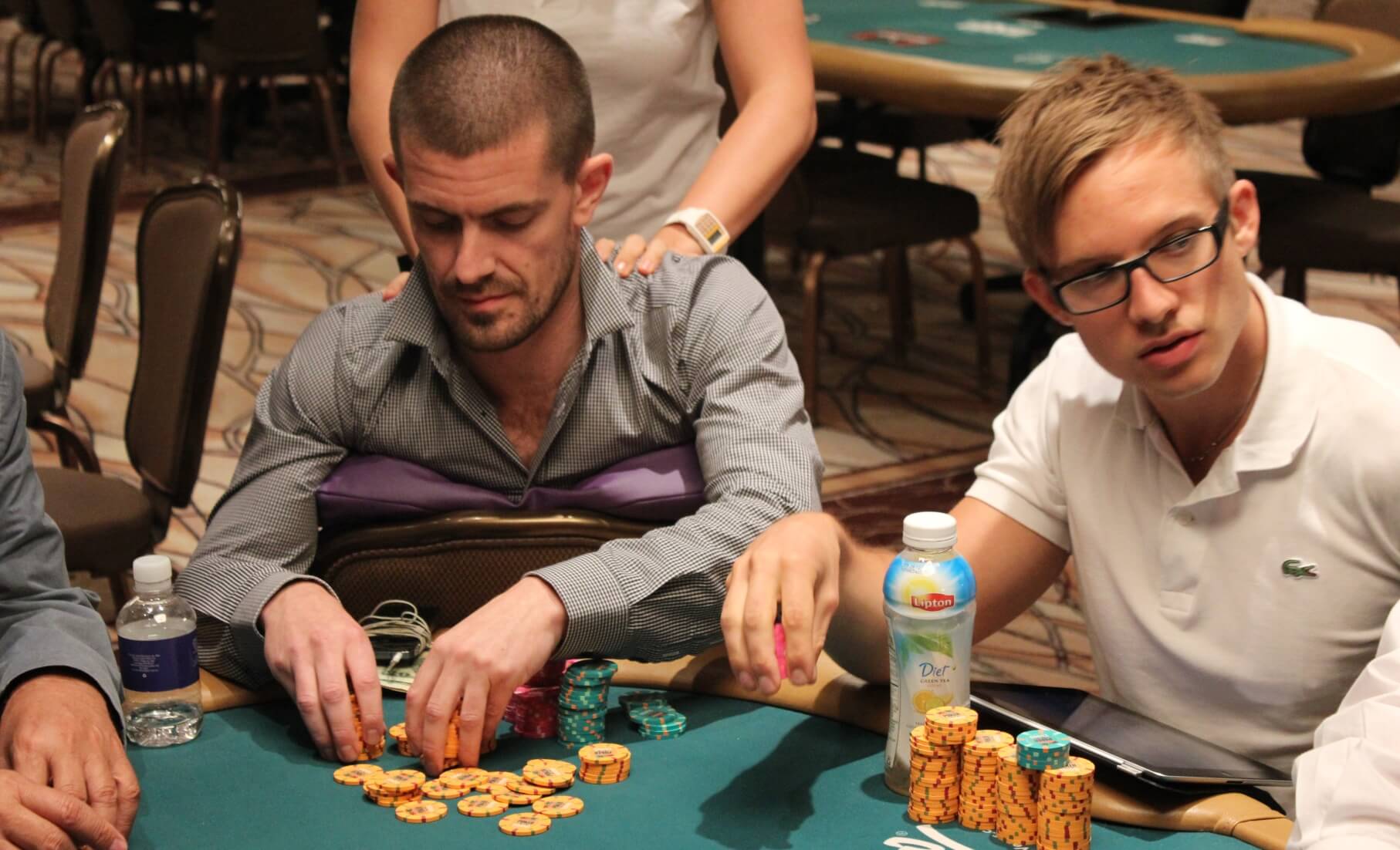
In 2016, Gus Hansen’s net worth was estimated to be between $5 million and $10 million. While public tracking sites recorded over $20 million in online poker losses, his wealth remained supported by a $15 million business divestment in 2005, over $10 million in live tournament earnings, and consistent wins in unrecorded high-stakes live cash games.
The financial profile of Gustav "Gus" Hansen, often referred to as "The Great Dane," is one of the most debated and complex subjects in the history of professional gambling. By 2016, Hansen had transitioned from being the face of televised poker to a more enigmatic figure who balanced astronomical online deficits with substantial business assets and live-game prowess. To understand his net worth during this specific period, one must look past the sensationalized headlines of online "downswings" and analyze the diversified portfolio that kept him afloat during his hiatus from the digital felt.
The Financial Paradox: Online Losses vs. Total Wealth
By 2016, the primary narrative surrounding Gus Hansen was his staggering loss on Full Tilt Poker. According to various high-stakes tracking databases, Hansen was down approximately $20.7 million on the platform. For most individuals, such a figure would signal total bankruptcy. However, net worth is a calculation of total assets minus liabilities, and Hansen’s "assets" column was significantly deeper than his public poker account balances suggested.
The discrepancy between his public losses and his actual 2016 net worth can be attributed to several factors:
- Early Business Success: Hansen was an entrepreneur long before the poker boom reached its zenith.
- Live Tournament Pedigree: His success in the live arena provided a liquid cushion that was separate from his online bankroll.
- High-Stakes Cash Games: The "Big Game" at Bobby’s Room in the Bellagio does not report wins and losses to the public, and Hansen was a regular winner in these mixed-game formats.
- Non-Poker Gambling: Hansen is a world-class backgammon player and an elite bridge player, both of which involve high-stakes wagering.
The PokerChamps Windfall: The Foundation of His Fortune
One of the most critical elements in verifying Gus Hansen’s 2016 net worth is the sale of PokerChamps.com. In 2005, at the height of the poker craze, Hansen and his partners sold their poker site to the UK-based betting giant Betfair.
The sale price was reported to be approximately £10 million (roughly $15 million USD at the time). As one of the primary owners and the face of the site, Hansen’s share of this exit provided him with a massive influx of "safe" capital. Financial analysts often point to this event as the reason Hansen was able to withstand his later online losses. While he spent much of the next decade playing the highest stakes imaginable, the PokerChamps sale acted as a foundational trust that protected his baseline net worth.
Live Tournament Earnings Through 2016
While his online performance was volatile, Hansen’s live tournament record was remarkably consistent during his peak years. By the start of 2016, his total live earnings exceeded $10.2 million.
Major Career Milestones (Pre-2016):
- 2003 WPT L.A. Poker Classic: $532,490 (1st Place)
- 2004 WPT PokerStars.com Caribbean Adventure: $455,780 (1st Place)
- 2005 EPT Grand Final Monte Carlo: $154,585 (Registration/High Roller activity)
- 2007 Aussie Millions Main Event: $1,200,000 (1st Place)
- 2010 WSOP Europe High Roller: £288,409 (1st Place)
These earnings are "gross" figures, meaning they do not account for buy-ins, travel expenses, or taxes. However, because Hansen was often "self-backed" (meaning he did not sell pieces of his action to other investors), he retained a larger portion of these winnings compared to modern players who rely on staking stables.
The Impact of the Full Tilt Poker Era
It is impossible to discuss Gus Hansen’s 2016 net worth without addressing the $20.7 million deficit on Full Tilt Poker. Hansen was one of the original "Team Full Tilt" members. As a sponsored pro, his financial relationship with the site was multi-faceted.
During the pre-Black Friday era (before 2011), Hansen received monthly payments, rake-back, and profit distributions as a stakeholder in the company. Experts estimate that these distributions could have totaled several million dollars over the years, which partially offset the losses he incurred at the tables. By 2016, although the site had been sold to PokerStars and the old "Team Full Tilt" was no more, the impact of those losses remained the biggest anchor on his net worth.
The year 2016 specifically marked a period where Hansen largely stepped away from online high-stakes games. This "stop-loss" strategy was essential for preserving his remaining wealth. He recognized that the landscape of online poker had become dominated by "solvers" and young math-driven players, a style that conflicted with his traditional, feel-based approach.
Analyzing Assets: Real Estate and Alternative Interests
Hansen’s net worth was also tied to his lifestyle and property holdings in Monaco and Denmark. Living in Monaco, a known tax haven, allowed Hansen to preserve a larger percentage of his gambling wins than he would have in the United States or other high-tax jurisdictions.
Furthermore, Hansen is a professional-level backgammon player. In the gambling world, high-stakes backgammon is often played for thousands of dollars per point. Hansen has historically been regarded as one of the top players in this niche, and it is widely rumored among his peers that his backgammon and bridge winnings helped bridge the gap during his poker downswings.
Financial Comparison: Gus Hansen in 2016
To understand where Hansen stood in 2016, it is helpful to compare his various financial streams and how they contributed to his overall net worth estimate.
| Financial Category | Estimated Impact (Cumulative to 2016) | Status/Notes |
|---|---|---|
| Live Tournament Cashes | +$10,200,000 | Verified via Hendon Mob (Gross) |
| Online Poker (Full Tilt) | -$20,700,000 | Verified via HighStakesDB |
| PokerChamps Sale (2005) | +$15,000,000 | Estimated share of Betfair acquisition |
| Full Tilt Distributions | +$3,000,000 to $5,000,000 | Estimated stakeholder dividends (pre-2011) |
| Live Cash Games | Unknown (Estimated Positive) | Bobby's Room / High-stakes mixed games |
| Endorsement Deals | +$2,000,000 | Books (Every Hand Revealed), TV appearances |
| Estimated Net Worth | $5M - $10M | Aggregate of liquid assets and holdings |
Why 2016 Was a Turning Point
In 2016, Gus Hansen made a highly publicized return to the Bellagio in Las Vegas to play in the "Big Game." This return signaled that he still possessed the liquid bankroll required to sit at tables where the minimum buy-in was often $100,000 or more.
Financial critics had predicted his total downfall in 2014 and 2015, but his presence in 2016 at the highest stakes in the world suggested that his net worth was far more resilient than his online tracking profile indicated. This resilience was likely due to a disciplined "siloing" of his wealth—keeping his business investments and real estate separate from the volatile funds used for online gambling.
The "Great Dane" Brand and Intellectual Property
Beyond the tables, Hansen’s brand contributed to his wealth. His book, Every Hand Revealed (published in 2008), was a bestseller in the poker niche, providing royalties that continued into the mid-2010s. Additionally, his appearances on High Stakes Poker and Poker After Dark earned him appearance fees and maintained his marketability for various European gaming partnerships. While these weren't "eight-figure" earners, they provided a steady stream of passive income that covered the high cost of living associated with a professional gambler’s lifestyle.
Common Misconceptions About His 2016 Wealth
One common mistake in calculating Gus Hansen's 2016 net worth is the assumption that he "lost everything." In the world of high-stakes gambling, "going bust" at the tables often means losing one's liquid bankroll, not necessarily one's entire net worth.
Hansen’s net worth was fortified by:
- The "Vegas Bankroll": Money specifically set aside for live cash games that was never touched by his online losses.
- Diversification: His move into the tech side of poker early on (PokerChamps) provided a safety net that most of his contemporaries lacked.
- Professional Bridge: Often overlooked, his involvement in high-stakes bridge circles in Europe connected him with wealthy businessmen and high-net-worth individuals, leading to "whale" games that were much more profitable than the tough online "shark" tanks.
Frequently Asked Questions (FAQs)
Was Gus Hansen broke in 2016?
No, Gus Hansen was not broke in 2016. Despite having recorded online losses of over $20 million, his total net worth remained positive, estimated between $5 million and $10 million. This was due to his early business ventures, such as the sale of PokerChamps, and his success in unrecorded live cash games.
How did Gus Hansen lose so much money online?
Hansen was known for a "loose-aggressive" (LAG) style of play that was highly effective in live tournaments but struggled against the disciplined, software-assisted strategies of modern online specialists. He frequently played "the best in the world" in their preferred formats rather than hunting for weaker players, which led to significant losses on Full Tilt Poker.
Where did Gus Hansen’s money come from originally?
Hansen’s initial wealth came from a combination of professional backgammon winnings and early success on the World Poker Tour (WPT). He was also a founding partner of PokerChamps.com, which was sold to Betfair for approximately $15 million in 2005.
Does Gus Hansen still play poker in 2026?
As of 2026, Gus Hansen remains a figure in the poker world, though he is much more selective about his appearances. He continues to favor high-stakes live mixed games over online play and remains a respected competitor in the international bridge and backgammon circuits.
How much did Gus Hansen make from the Aussie Millions?
Hansen’s most famous tournament victory was the 2007 Aussie Millions Main Event, where he won $1.2 million AUD. This win was significant because it showcased his ability to navigate large tournament fields and solidified his status as a global poker icon.
What is Gus Hansen’s most recent financial status?
While this analysis focuses on 2016, by 2026, Hansen has maintained a stable financial position by avoiding the high-variance online games that previously depleted his funds. He continues to live in Monaco and participates in high-stakes private games where the win/loss data is not public.
Final Recommendation: Lessons from the Great Dane’s Finances
For those analyzing Gus Hansen’s net worth, the primary lesson is the importance of asset diversification. If Hansen had only been a poker player, his 2016 net worth might have been zero. However, because he was an entrepreneur (PokerChamps), a multi-game specialist (Backgammon/Bridge), and a branded personality, he was able to survive a $20 million loss in one specific area of his career.
If you are looking to manage a high-risk portfolio similar to a professional gambler, it is essential to maintain a "firewall" between your speculative capital (your bankroll) and your foundational wealth (real estate and long-term investments). Hansen’s ability to remain a multi-millionaire after such public losses is a testament to the value of having a "Plan B" business exit in place before the "Plan A" high-risk venture takes a downturn.