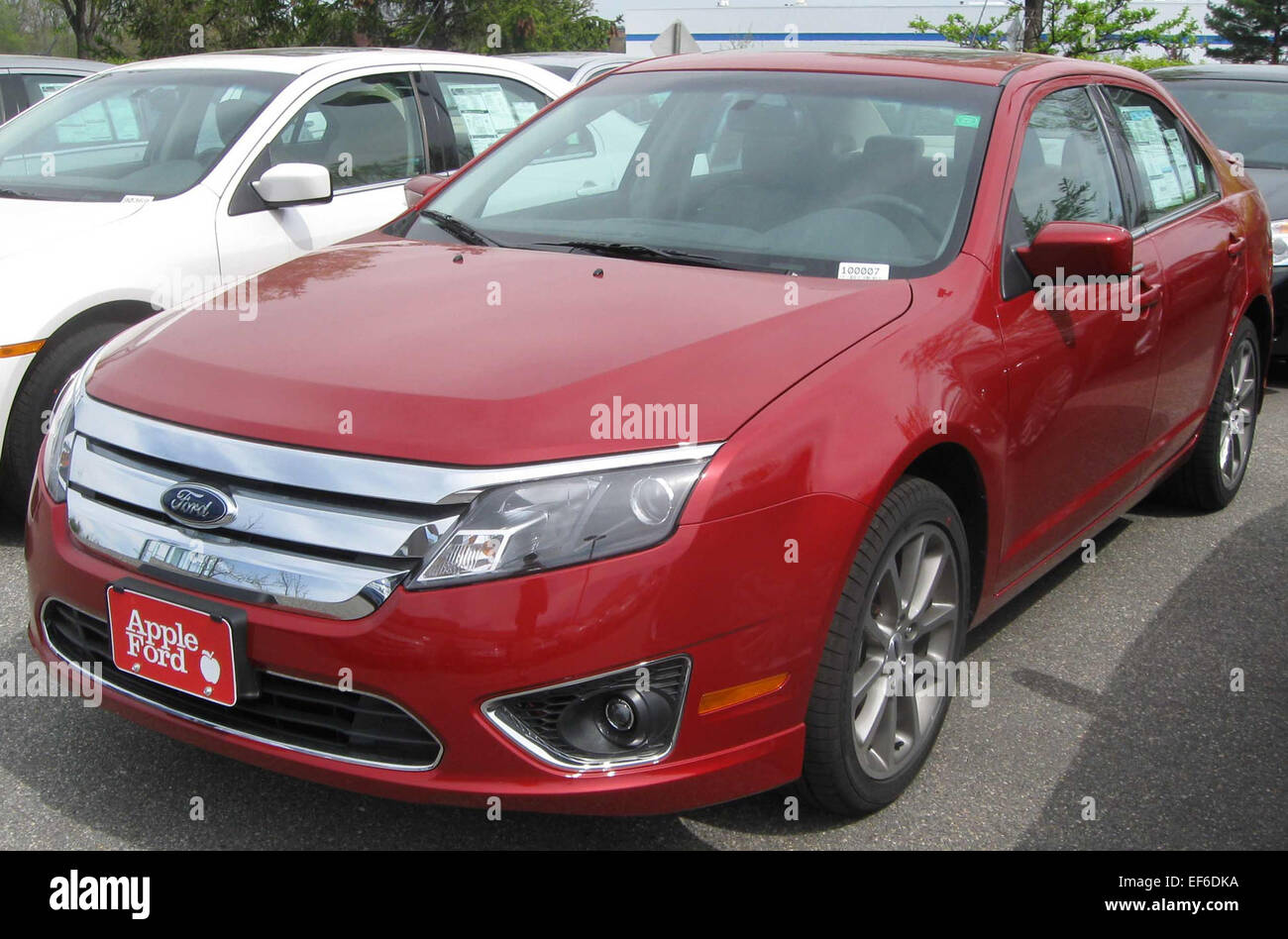
The 2010 Ford Fusion Sport features a robust 3.5-liter V6 engine producing 263 horsepower, a 6-speed automatic transmission with SelectShift, sport-tuned suspension, 18-inch wheels, and distinct exterior styling touches that separate it from standard midsize sedan trims of its model year.
Introduction to the 2010 Ford Fusion Sport
The 2010 model year marked a significant turning point for the Ford Fusion, introducing a comprehensive mid-cycle refresh that altered its exterior styling, overhauled the interior cabin, and completely restructured its powertrain lineup. Within this revamped hierarchy, the Sport trim emerged as the performance-oriented flagship of the standard gasoline lineup (pre-dating the later high-performance Fusion Sport models equipped with EcoBoost engines).
Designed to bridge the gap between a comfortable family sedan and a more engaging driver's car, the 2010 Ford Fusion Sport combined a larger, more powerful V6 engine with chassis upgrades, unique visual identifiers, and an array of standard technological amenities. Understanding the exact specifications of this vehicle requires looking closely at its engineering, powertrain mechanics, interior dimensions, and factory options. This comprehensive guide details the technical parameters that defined the 2010 Ford Fusion Sport.
Powertrain and Performance Specifications
At the heart of the 2010 Ford Fusion Sport is a naturally aspirated Duratec 35 V6 engine. This powerplant elevated the vehicle's performance metrics considerably above the base 2.5-liter four-cylinder and the standard 3.0-liter V6 variants offered across lesser trim levels.
Engine Architecture and Output
- Engine Type: 3.5-liter (3,496 cc) DOHC 24-valve V6
- Block/Head Material: Cast aluminum block and aluminum heads
- Fuel Induction: Sequential multi-port electronic fuel injection (SFI)
- Horsepower: 263 hp at 6,250 rpm
- Torque: 249 lb-ft at 4,500 rpm
- Compression Ratio: 10.3:1
- Recommended Fuel: Regular unleaded (87 octane) or E85 flex-fuel capability in select variants
Transmission and Drivetrain
Power is routed through a standard 6-speed automatic transmission. Unlike traditional automatics of the era, the 6F35 transmission in the Sport trim featured SelectShift manual control, allowing drivers to manually upshift and downshift using the gear selector lever without the presence of traditional steering wheel paddle shifters.
Buyers could configure the 2010 Ford Fusion Sport in either front-wheel drive (FWD) or intelligent all-wheel drive (AWD). The AWD system operates automatically, continuously monitoring slip, vehicle speed, and steering angle to transfer torque to the rear wheels when traction is compromised.
| Specification Category | Front-Wheel Drive (FWD) | All-Wheel Drive (AWD) |
|---|---|---|
| Transmission | 6-speed automatic w/ SelectShift | 6-speed automatic w/ SelectShift |
| EPA Fuel Economy (City/Hwy) | 18 / 27 mpg | 17 / 24 mpg |
| Fuel Tank Capacity | 16.5 gallons | 17.5 gallons |
| Curb Weight | Approx. 3,605 lbs | Approx. 3,829 lbs |
| Steering Type | Electric Power-Assisted Steering (EPAS) | Electric Power-Assisted Steering (EPAS) |
Chassis, Suspension, and Handling Dynamics
The handling characteristics of the 2010 Ford Fusion Sport were heavily influenced by a sport-tuned suspension configuration that distinguished it from the SE and SEL trims. Ford engineers recalibrated spring rates, damper valving, and stabilizer bar thicknesses to reduce body roll during cornering while maintaining highway compliance.
Suspension Design
- Front Suspension: Independent short-long arm (SLA) design with coil springs, gas-pressurized twin-tube hydraulic shock absorbers, and a stabilizer bar.
- Rear Suspension: Independent multi-link configuration with coil springs, gas-pressurized twin-tube hydraulic shock absorbers, and a stabilizer bar.
Steering and Braking Systems
The vehicle utilized an Electric Power-Assisted Steering (EPAS) system with pull-drift compensation and active nibble control. This system reduced parasitic drag on the engine compared to traditional hydraulic power steering pumps while offering variable effort assistance based on vehicle speed.
Stopping duties were handled by an anti-lock braking system (ABS) featuring four-wheel power-assisted disc brakes. The front rotors were ventilated, while the rear rotors were solid. Electronic Brakeforce Distribution (EBD) and Emergency Brake Assist came standard, complementing the standard AdvanceTrac electronic stability control and traction control systems.
Exterior Dimensions and Design Elements
The exterior of the 2010 Ford Fusion Sport received aggressive styling cues that separated it from the pedestrian versions of the sedan.
Dimensions
- Wheelbase: 107.4 inches
- Overall Length: 4848 mm (approximately 190.7 inches)
- Overall Width (excluding mirrors): 72.2 inches
- Overall Height: 56.9 inches
- Track Width (Front/Rear): 61.8 inches / 61.3 inches
Distinctive Exterior Features
To signal its sporting intentions, the Sport trim came equipped with unique visual elements from the factory:
- Wheels and Tires: 18-inch polished aluminum wheels wrapped in P225/45R18 Michelin or Goodyear all-season performance tires.
- Body Kit: Unique front and rear fascias, side rocker moldings, and a rear decklid spoiler.
- Lighting: Automatic halogen projector-beam headlamps with smoked bezels and integrated fog lamps.
- Exhaust: Dual chrome exhaust tips.
- Grille: A unique dark-chrome finish front grille insert.
Interior Cabin Space, Comfort, and Features
Inside, the 2010 Ford Fusion Sport offered seating for up to five occupants, combining bolstered sport seating with functional cabin dimensions.
Interior Dimensions
- Headroom (Front/Rear): 38.7 inches / 37.8 inches
- Legroom (Front/Rear): 42.3 inches / 36.3 inches
- Shoulder Room (Front/Rear): 57.4 inches / 55.9 inches
- Passenger Volume: 100.3 cubic feet
- Cargo Volume (Trunk): 16.5 cubic feet
Standard and Optional Cabin Amenities
The Sport trim served as a well-equipped mid-tier offering, featuring numerous amenities as standard equipment that required packages on lower trims:
- Seating: Unique cloth seats with contrasting inserts, or optional leather-trimmed bucket seats with heating elements for the driver and front passenger. A 10-way power adjustable driver's seat with power lumbar support was standard.
- Steering Wheel: Leather-wrapped steering wheel with secondary audio and cruise control switches.
- Technology: Ford’s SYNC voice-activated communications and entertainment system, auxiliary input jack, USB port, and SiriusXM satellite radio capability.
- Climate Control: Manual air conditioning standard, with dual-zone electronic automatic temperature control (DEATC) available as an option.
Safety Ratings and Crash Test Performance
Safety equipment on the 2010 Ford Fusion Sport was comprehensive for its era, designed to protect occupants during frontal, side, and rollover impacts.
Standard Safety Equipment
- Dual-stage front airbags
- Front-seat side-impact airbags
- Safety Canopy side-curtain airbags covering front and rear outboard rows
- Personal Safety System for driver and front passenger
- SOS Post-Crash Alert System (automatically unlocks doors and activates hazard lights after an airbag deployment)
- Tire Pressure Monitoring System (TPMS)
- MyKey system, allowing owners to program speed limits and audio volume caps for secondary drivers
Crash Test Results
During testing by the National Highway Traffic Safety Administration (NHTSA) and the Insurance Institute for Highway Safety (IIHS), the 2010 Fusion architecture performed strongly:
- NHTSA Frontal Impact: 5 stars out of 5 for both driver and front passenger.
- NHTSA Side Impact: 5 stars for front occupants and 4 to 5 stars for rear occupants depending on sub-configuration.
- IIHS Ratings: Achieved the highest rating of "Good" in frontal-offset and side-impact crash evaluations, earning a Top Safety Pick designation for the 2010 calendar year.
Common Maintenance and Ownership Considerations
For those evaluating or maintaining a 2010 Ford Fusion Sport, several mechanical characteristics warrant attention based on historical service data:
- Transmission Reliability (6F35): The first-generation 6F35 6-speed automatic transmission utilized in this model year is known for potential durability issues if fluid changes were neglected. Periodic fluid flushes every 30,000 to 50,000 miles are frequently recommended by technicians to extend the lifespan of the solenoids and internal clutches.
- Water Pump Location: The 3.5L Duratec V6 uses an internal water pump driven by the timing chain. While generally reliable, if the water pump fails, coolant can leak directly into the engine crankcase. Monitoring coolant levels and inspecting for external weep-hole leaks is critical.
- Suspension Component Wear: Due to the heavier V6 engine and stiffer sport-tuned suspension springs, front-end components such as control arm bushings, sway bar end links, and strut mounts may exhibit wear faster than standard four-cylinder models.
Conclusion
The 2010 Ford Fusion Sport occupies a distinct place in midsize sedan history, offering a blend of naturally aspirated V6 power, distinctive cosmetic enhancements, and a sport-tuned chassis. With 263 horsepower, available intelligent all-wheel drive, and a spacious cabin, it delivers engaging road manners without sacrificing daily usability. Prospective buyers and automotive enthusiasts reviewing its specifications will find a balanced package that defined Ford's midsize passenger car strategy during that era.