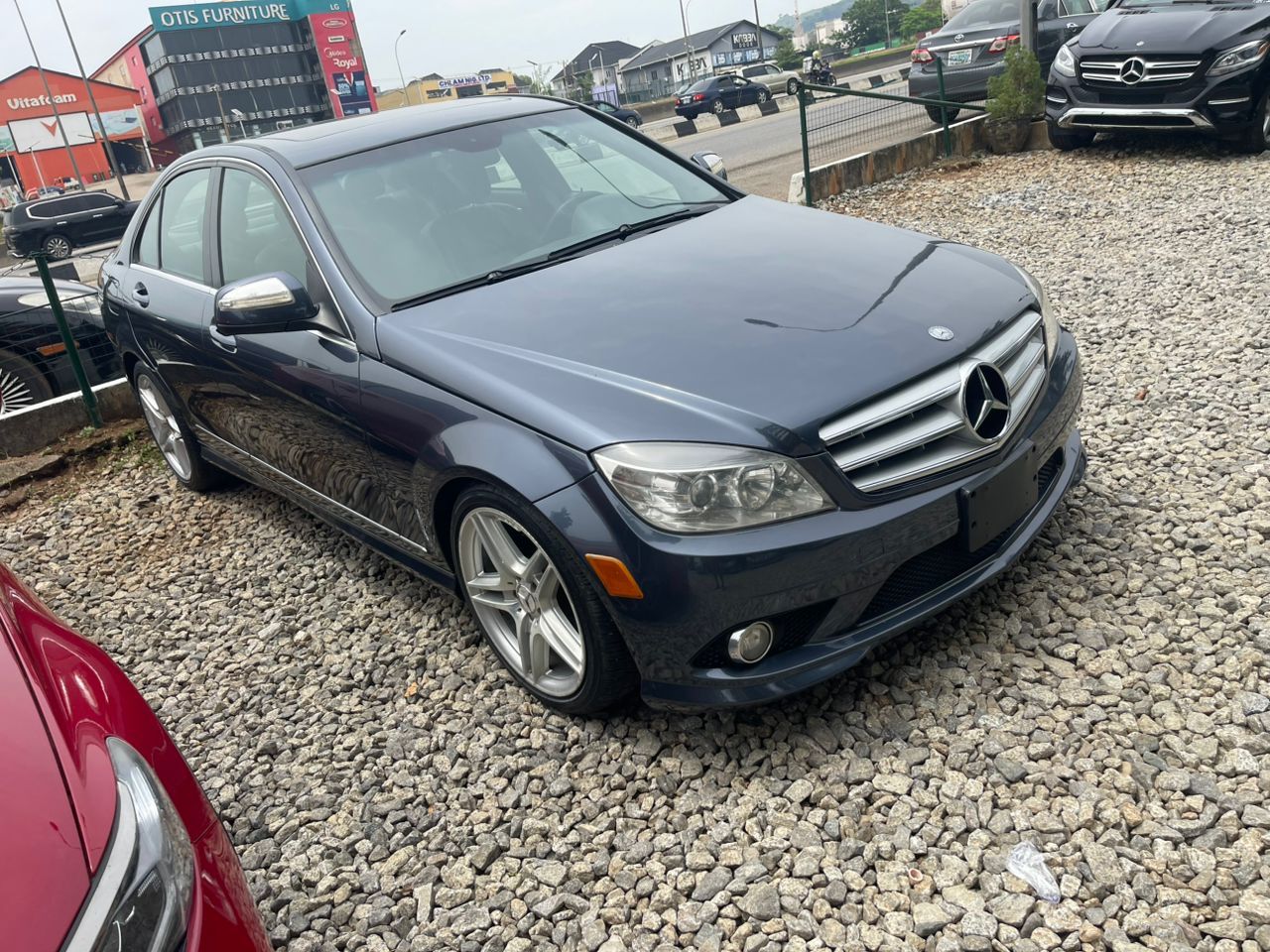
The 2009 Mercedes-Benz C300 is a compact luxury sedan and wagon powered by a 3.0-liter V6 engine, offering a balance of traditional German engineering, refined ride comfort, and executive styling. It serves as a compelling entry point into luxury European motoring, bridging the gap between everyday practicality and upscale driving dynamics.
Introduction and Model Lineup Context
Entering its second year of the W204 generation, the 2009 Mercedes-Benz C300 cemented its position as a cornerstone of the brand's global lineup. Designed to compete directly with the BMW 3 Series and Audi A4, the W204 generation marked a return to more angular, muscular styling cues reminiscent of older, over-engineered Mercedes models, moving away from the softer, rounded contours of its predecessor, the W203.
For the 2009 model year, the C300 was offered primarily in two distinct styling configurations: the Luxury trim and the Sport trim. These trims did more than just alter badges; they fundamentally changed the vehicle's aesthetic personality, suspension tuning, and interior appointments. Furthermore, buyers could choose between rear-wheel drive (RWD) and Mercedes-Benz's proprietary 4MATIC all-wheel-drive system, making the C300 a versatile option for various climates and driving preferences.
Powertrain and Mechanical Specifications
At the heart of the 2009 Mercedes-Benz C300 is a naturally aspirated 3.0-liter V6 engine (designated M272). This power plant produces 228 horsepower at 6,000 rpm and 221 lb-ft of torque starting at 2,700 rpm. The torque curve is notably flat, ensuring responsive acceleration from a standstill and smooth power delivery during mid-range passing maneuvers.
Depending on the drivetrain configuration, the C300 utilized different transmission setups:
- Rear-Wheel Drive (RWD): Paired with a 7-speed automatic transmission (7G-Tronic), which provides smooth gear changes and optimizes highway fuel economy by utilizing tall overdrive ratios.
- 4MATIC All-Wheel Drive: Typically paired with a 5-speed automatic transmission. While older in design compared to the 7-speed, this 5-speed unit is widely regarded by mechanics for its mechanical durability and robust handling of torque under adverse weather conditions.
Performance Metrics and Fuel Economy
Performance-wise, the rear-wheel-drive C300 accelerates from 0 to 60 mph in approximately 7.1 seconds, with the heavier 4MATIC variant taking roughly 7.2 seconds. Fuel economy EPA estimates for the era hovered around 18 mpg city and 25 to 26 mpg highway for the RWD model, while the 4MATIC models saw a minor dip due to the constant mechanical drag of the all-wheel-drive system.
Interior Design, Comfort, and Technology
The cabin of the 2009 C300 reflects the build quality typical of Mercedes-Benz vehicles from that decade. Materials include durable MB-Tex synthetic leather upholstery (with genuine leather available as an option), contrasting stitching, and trim accents depending on the chosen package—such as burl walnut wood for the Luxury line or aluminum trim for the Sport line.
Trim Line Differences
The Sport trim features a firmer suspension setup, a lowered ride height, a muscular front fascia featuring a large Mercedes star embedded in the grille, staggered-width 17-inch alloy wheels, and a flat-bottom steering wheel. Conversely, the Luxury trim retains the traditional standing hood ornament, a multi-bar chrome grille, a softer comfort-tuned suspension, and 17-inch multi-spoke wheels designed to absorb road imperfections more effectively.
Technology and Infotainment
Technology in the 2009 C300 reflects the automotive standards of the late 2000s. Base models came equipped with a central display screen controlled via a dial on the center console, auxiliary audio input, Bluetooth hands-free connectivity, and dual-zone automatic climate control. Higher trims feature the COMAND system, which integrated navigation, satellite radio, and an upgraded Harman Kardon LOGIC7 surround-sound audio system.
Safety Ratings and Equipment
Safety has historically been a core focus for Mercedes-Benz, and the 2009 C300 is no exception. Standard safety features include:
- Anti-lock braking system (ABS) with brake assist
- Electronic Stability Program (ESP) and traction control
- Active front head restraints
- Front-seat side airbags, full-length side curtain airbags, and a driver's knee airbag
In crash testing conducted during its production run, the W204 generation earned strong marks. The Insurance Institute for Highway Safety (IIHS) named the vehicle a "Top Safety Pick," awarding it the highest rating of "Good" in frontal-offset and side-impact crash tests.
2009 Mercedes-Benz C300 Specifications Summary
| Feature / Specification | Rear-Wheel Drive (RWD) | 4MATIC All-Wheel Drive |
|---|---|---|
| Engine Type | 3.0L Naturally Aspirated V6 (M272) | 3.0L Naturally Aspirated V6 (M272) |
| Horsepower | 228 hp @ 6,000 rpm | 228 hp @ 6,000 rpm |
| Torque | 221 lb-ft @ 2,700–5,000 rpm | 221 lb-ft @ 2,700–5,000 rpm |
| Transmission | 7-Speed Automatic (7G-Tronic) | 5-Speed Automatic |
| 0–60 mph Acceleration | ~7.1 seconds | ~7.2 seconds |
| EPA Fuel Economy (City/Hwy) | 18 / 26 mpg | 17 / 24 mpg |
| Steering / Suspension | Comfort or Sport Tuned | Comfort or Sport Tuned (AWD bias) |
Common Mechanical Considerations and Maintenance
While the 2009 C300 is generally considered one of the more reliable modern classic Mercedes-Benz sedans, prospective owners and current drivers should be aware of several known mechanical tendencies associated with the M272 engine and W204 platform:
- Balancer Shaft Issue: Early production runs of the M272 V6 engine (primarily 2006 to early 2007 models) suffered from a soft balance shaft gear that wore prematurely. By the 2009 model year, Mercedes-Benz had largely resolved this metallurgy defect at the factory, making the 2009 C300 a much safer purchase in this regard.
- Intake Manifold Air Flap Leaks: The intake manifold features plastic internal runner arms and flaps that can degrade over time due to heat cycles. When these plastic linkages snap, it triggers a check engine light (typically codes related to intake manifold runner control). Repairing this usually requires replacing the entire intake manifold assembly.
- Oil Leaks: Common sources of oil seepage include the oil filter housing gasket and the camshaft position sensor plugs. These are standard rubber-component wear items that require periodic replacement.
- Suspension Components: Control arm bushings, strut mounts, and ball joints wear out over time, leading to clunking noises over bumps or vague steering feel. Replacing these components restores the vehicle's trademark planted highway ride.
Frequently Asked Questions
Is the 2009 Mercedes-Benz C300 a reliable car?
Yes, the 2009 C300 is widely regarded as one of the more dependable models from that era of Mercedes-Benz production. Because it benefited from mid-generation engineering updates that solved earlier engine design flaws, it holds up well structurally and mechanically, provided it has received consistent, on-time fluid and filter maintenance.
What is the difference between the C300 Luxury and Sport trims?
The primary differences lie in styling and suspension tuning. The Sport trim features stiffer suspension, a lowered stance, staggered wheels, aluminum interior trim, and a prominent grille with an integrated Mercedes star. The Luxury trim features a plush, comfort-oriented suspension, traditional multi-spoke wheels, wood interior accents, and a classic standing hood ornament.
Does the 2009 C300 require premium gasoline?
Yes, the 3.0-liter V6 engine is engineered to run on premium unleaded gasoline (91 octane or higher) to achieve its rated horsepower, fuel efficiency, and optimal combustion chamber operation. Running lower-octane fuel can lead to engine knocking and reduced performance due to ignition timing retard by the engine control unit.
How does the 4MATIC system affect driving dynamics?
The 4MATIC all-wheel-drive system provides constant power distribution to all four wheels, improving traction in snow, rain, and loose gravel surfaces. While it adds mechanical complexity and slightly reduces fuel economy compared to the RWD model, it significantly enhances stability in inclement weather climates.
What are the most common repairs needed on a 2009 C300?
Common maintenance items for a vehicle of this age include replacing worn suspension bushings, addressing minor oil leaks from the oil filter housing gaskets, and occasionally replacing the plastic intake manifold runner arm mechanism if the internal flaps wear out.
Buyer's Recommendation
When evaluating a 2009 Mercedes-Benz C300, prioritize vehicles that come with a comprehensive service history. Preventative maintenance is vital for German luxury cars of this vintage. Opt for the Sport trim if you prefer a firmer, more engaging ride and aggressive styling, or choose the Luxury or 4MATIC variants if your priority is all-weather traction and a plush, highway-cruising ride quality. A pre-purchase inspection by an independent European car specialist remains the best method to verify the mechanical health of potential purchases.