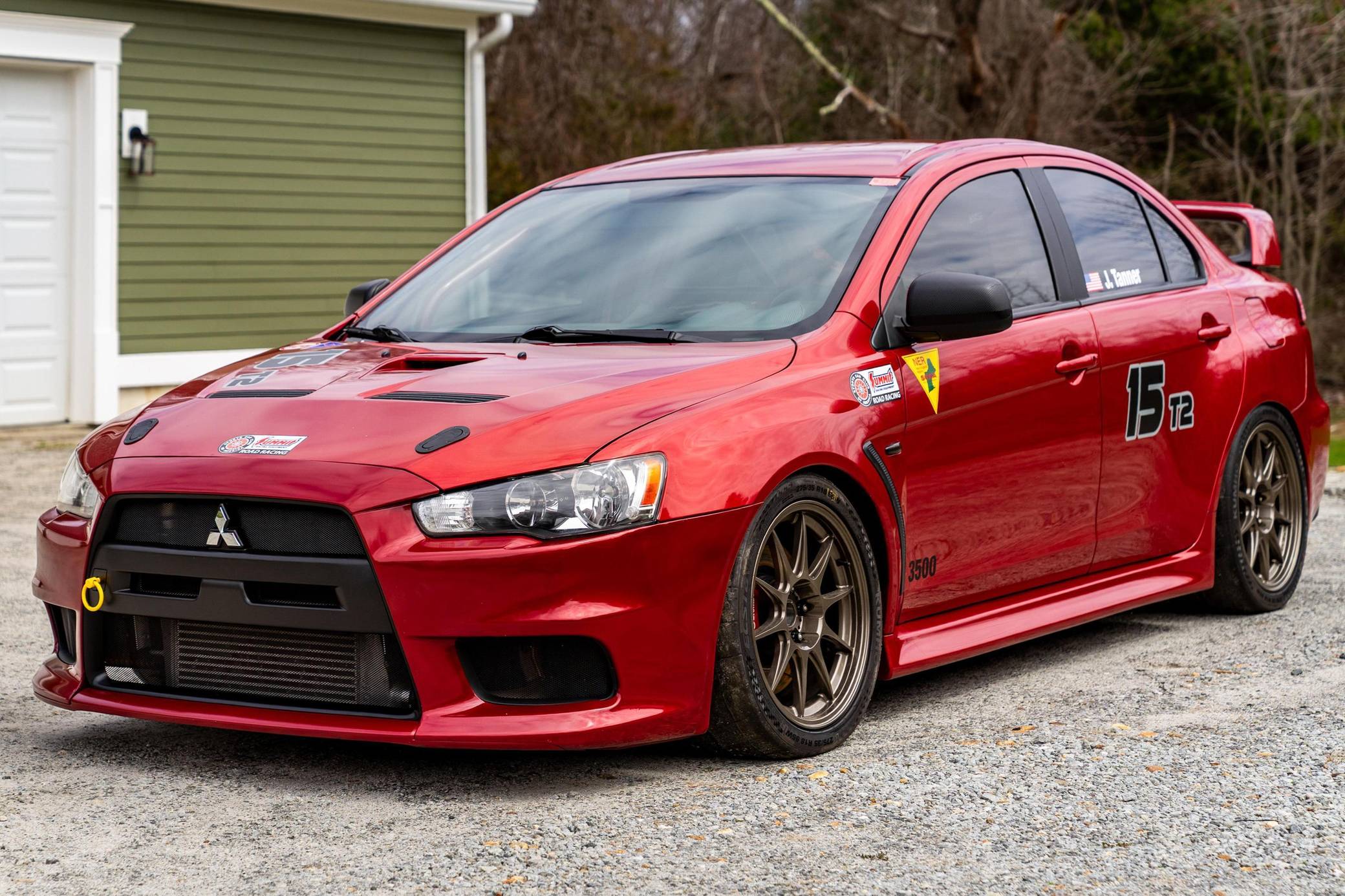
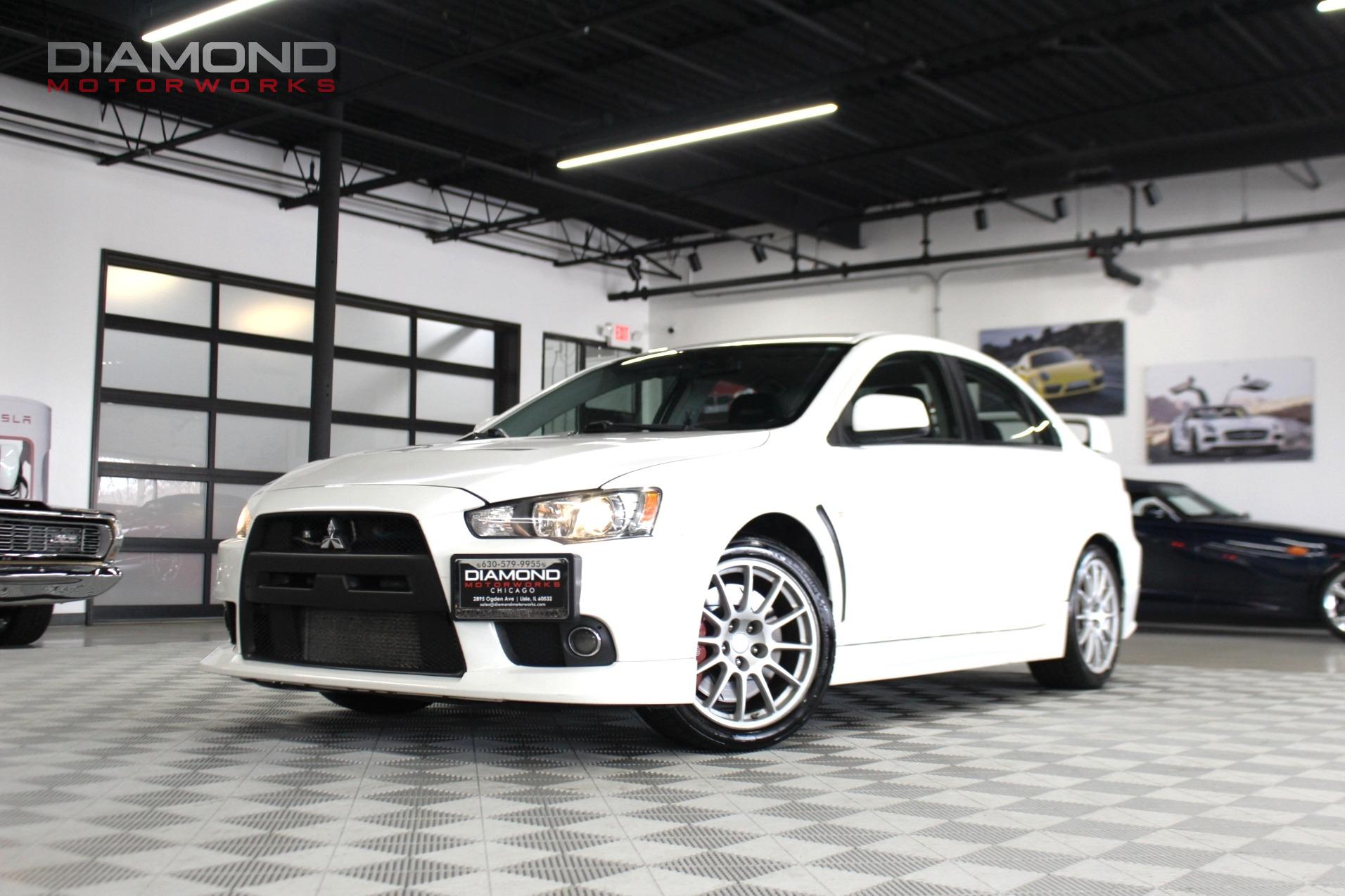
The 2008 Mitsubishi Lancer Evolution X GSR represents the definitive turning point in the brand’s high-performance history, marking the transition from raw, mechanical rally heritage to a sophisticated, tech-forward AWD platform. As a foundational model year, it established the performance benchmarks for a generation of enthusiasts seeking a refined yet potent street-legal rally machine.
The Genesis of the Evolution X
The arrival of the 2008 Evolution GSR was not merely an incremental update but a complete architectural overhaul. Mitsubishi engineers faced the challenge of replacing the venerable Evolution IX, a car that had become a cult icon due to its stripped-back, mechanical purity. To compete in an evolving global automotive market, the "Evo X" moved to the GS platform, which featured a wider track, a significantly stiffer chassis, and the introduction of the 4B11T engine.
Replacing the cast-iron 4G63—an engine that had defined Mitsubishi’s rally success for over a decade—was a controversial decision at the time. The 4B11T featured an all-aluminum block, which offered better heat dissipation and significant weight savings, though it initially faced skepticism from purists. By 2026, however, the 4B11T has proven its durability, capable of supporting substantial power modifications that have kept the 2008 GSR relevant in the modern tuning landscape.
Technical Architecture and Performance
The 2008 GSR was designed as the "driver’s choice" compared to the MR trim. While the MR offered the dual-clutch transmission (SST), the GSR retained the five-speed manual gearbox, appealing to traditionalists who prioritized mechanical connection and lower weight.
At the heart of the GSR is the Super All-Wheel Control (S-AWC) system. Unlike basic AWD setups, S-AWC integrated active center differential (ACD), active yaw control (AYC), and active stability control (ASC). This system allowed the 2008 GSR to manipulate torque distribution across all four wheels in real-time, effectively allowing the car to rotate through corners with a precision that few vehicles in 2008 could match.
Key specifications of the 2008 GSR include:
- Engine: 2.0L DOHC MIVEC Turbocharged Inline-4 (4B11T)
- Output: 291 horsepower and 300 lb-ft of torque
- Drivetrain: 5-speed manual transmission with permanent AWD
- Weight: Approximately 3,500 lbs
- Suspension: MacPherson struts front, multi-link rear
The 2008 GSR vs. Modern Performance Standards
When evaluating the 2008 GSR today, it is essential to view it through the lens of its original intent: a homologation-inspired sedan built for tarmac agility. While contemporary performance sedans often rely on heavy hybridization or complex active aerodynamics, the 2008 GSR relies on mechanical grip and a highly responsive steering rack.
The following table compares the 2008 GSR to other defining traits of the era to highlight its market positioning:
| Feature | 2008 Evo GSR | 2008 Subaru STI | 2008 BMW 335i |
|---|---|---|---|
| Transmission | 5-Speed Manual | 6-Speed Manual | 6-Speed Manual/Auto |
| Steering Feel | High (Hydraulic) | Moderate | Moderate (Electric) |
| AWD System | S-AWC (Advanced) | DCCD (Adjustable) | xDrive (Rear-biased) |
| Interior Focus | Functional/Spartan | Utility/Economy | Luxury/Driver-centric |
Navigating Ownership and Maintenance
For collectors and enthusiasts currently looking at a 2008 GSR, the primary concern is not just raw performance, but the management of a high-performance, aging platform. The 2008 model was the first year of the X generation, meaning it lacked some of the refinements found in later iterations (2010–2015).
Common Maintenance Considerations
- Clutch Life: The stock clutch is a common failure point if the vehicle has been subjected to aggressive driving. Upgrading to a stage-two organic clutch is a standard move for owners pushing beyond stock boost levels.
- S-AWC Pump Failure: The AYC pump is prone to failure due to environmental corrosion of the internal circuit board. Proactive maintenance, including relocating the pump or sealing the housing, is a recommended precaution.
- Timing Chain Stretch: While the 4B11T is robust, early production models should have their timing chain tensioner inspected to ensure longevity.
Building a Legacy: The Tuning Potential
The "legacy" of the 2008 GSR is largely defined by its modularity. Because the engine bay was designed to accommodate the more complex MR hardware, the GSR offers extra room for intercooler piping and turbo upgrades. By 2026, the aftermarket support for the 4B11T has matured to a level where the platform can comfortably produce 400+ wheel horsepower on stock internals with basic bolt-ons and high-quality ECU tuning.
The vehicle’s handling, already praised in 2008 for its razor-sharp turn-in, remains a benchmark for AWD sedans. Owners who prioritize track performance often focus on upgrading the stock bushings and installing a high-quality set of coilovers, which transforms the platform from a street-oriented machine into a formidable track weapon.
Frequently Asked Questions
Is the 2008 Evo GSR reliable for daily driving? The 2008 GSR is mechanically robust, but it requires diligent maintenance. Because it is a performance vehicle, expect higher than average costs for consumables like tires, brake pads, and fluids. It is not an economy car, and daily driving will accelerate the wear on specific components like the clutch and suspension bushings.
What is the difference between the 2008 GSR and the MR? The primary differences are the transmission and the suspension. The GSR uses a 5-speed manual, whereas the MR uses the 6-speed Twin-Clutch Sportronic Shift Transmission (SST). The MR also comes with Bilstein dampers and Eibach springs, while the GSR uses standard KYB units.
Does the 2008 model have known major technical issues? Beyond the aforementioned S-AWC pump, early 2008 models were subject to specific recalls regarding the fuel tank vent and the occasional electrical sensor failure. Always verify that all manufacturer safety recalls have been addressed through a Mitsubishi dealer using the vehicle's VIN.
How does the 2008 GSR compare to newer performance cars? While modern cars provide more creature comforts and higher straight-line acceleration, the 2008 GSR offers a tactile, hydraulic-steering experience that is increasingly rare in modern vehicles. It rewards technical driving skill rather than relying on computer-aided intervention.
Should I buy an unmodified 2008 GSR? For long-term value and reliability, an unmodified or lightly modified example is the gold standard. Heavy modifications to the engine management system or the turbocharger can hide deeper issues or put undue stress on the stock drivetrain components.
Final Recommendations for Prospective Owners
If you are considering a 2008 Mitsubishi Lancer Evolution X GSR in 2026, your first priority must be a comprehensive pre-purchase inspection (PPI) performed by a shop that specializes in the 4B11T platform. Focus on the S-AWC system status and look for signs of aggressive engine tuning, such as cut wiring harnesses or evidence of excessive boost pressures.
A well-maintained 2008 GSR is a milestone in automotive engineering. It offers an engaging, visceral driving experience that bridges the gap between the analog past and the computerized future. Prioritize finding a clean, well-documented chassis, and you will secure one of the most capable AWD platforms ever produced by a Japanese manufacturer.