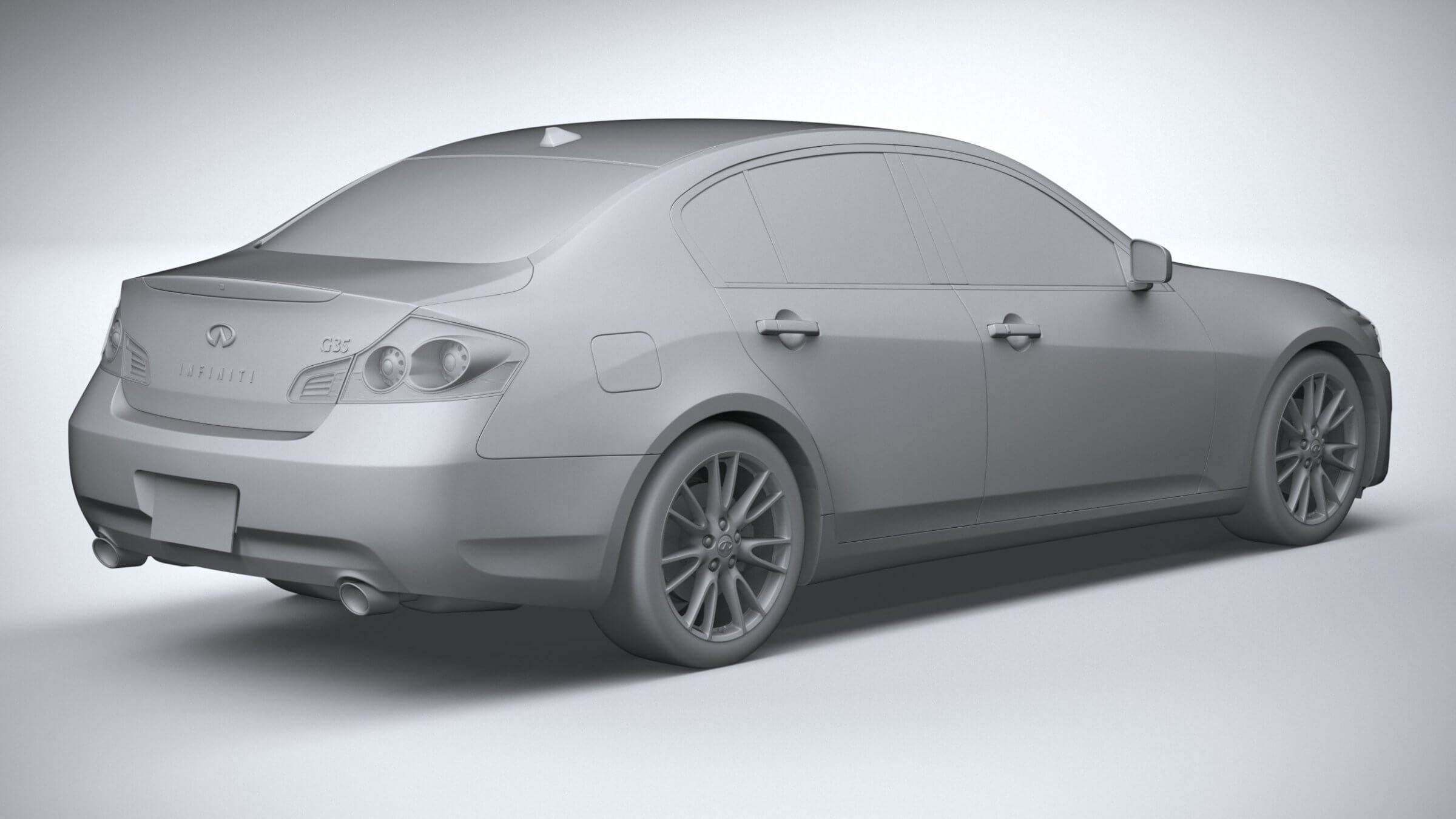
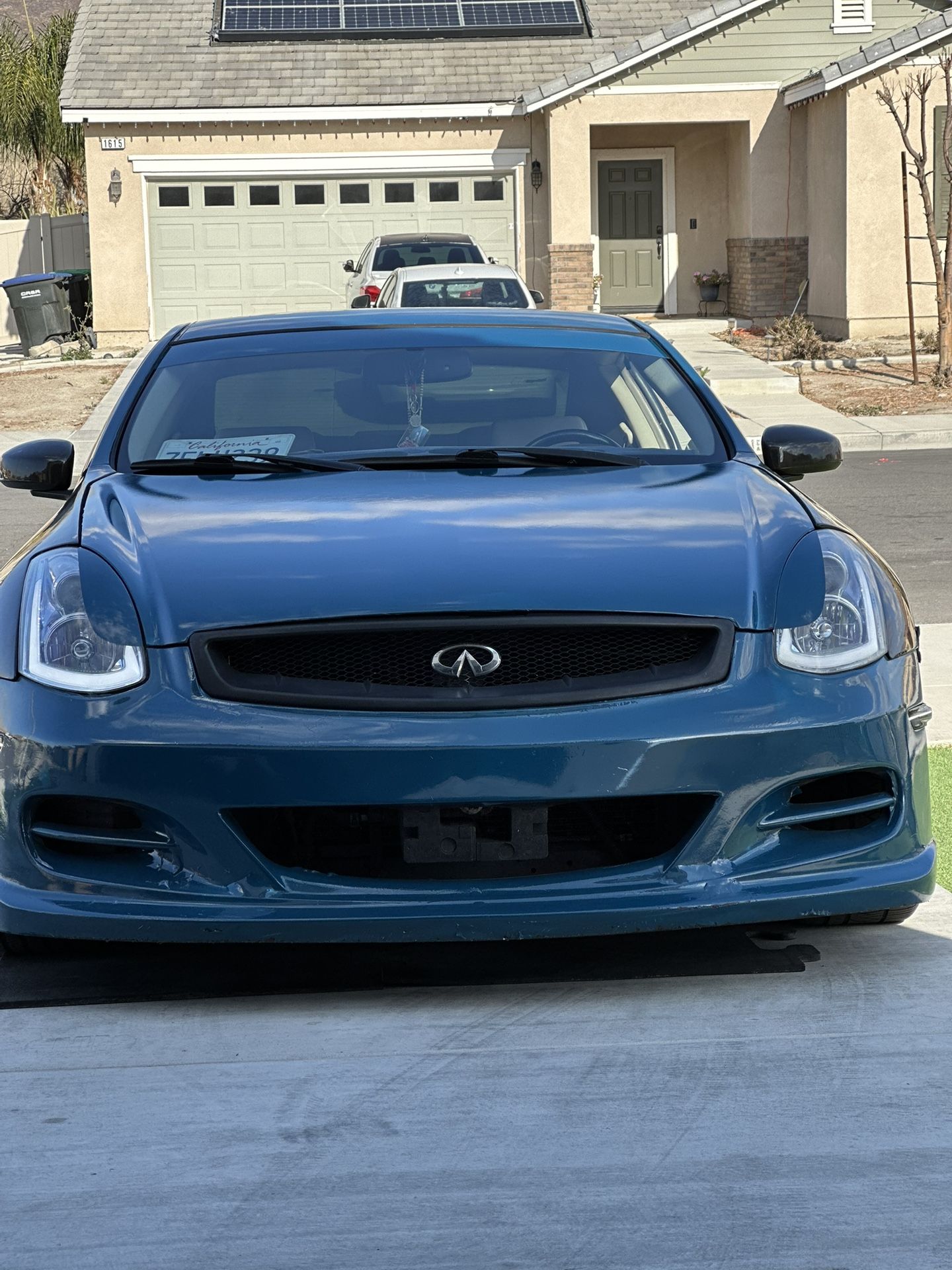
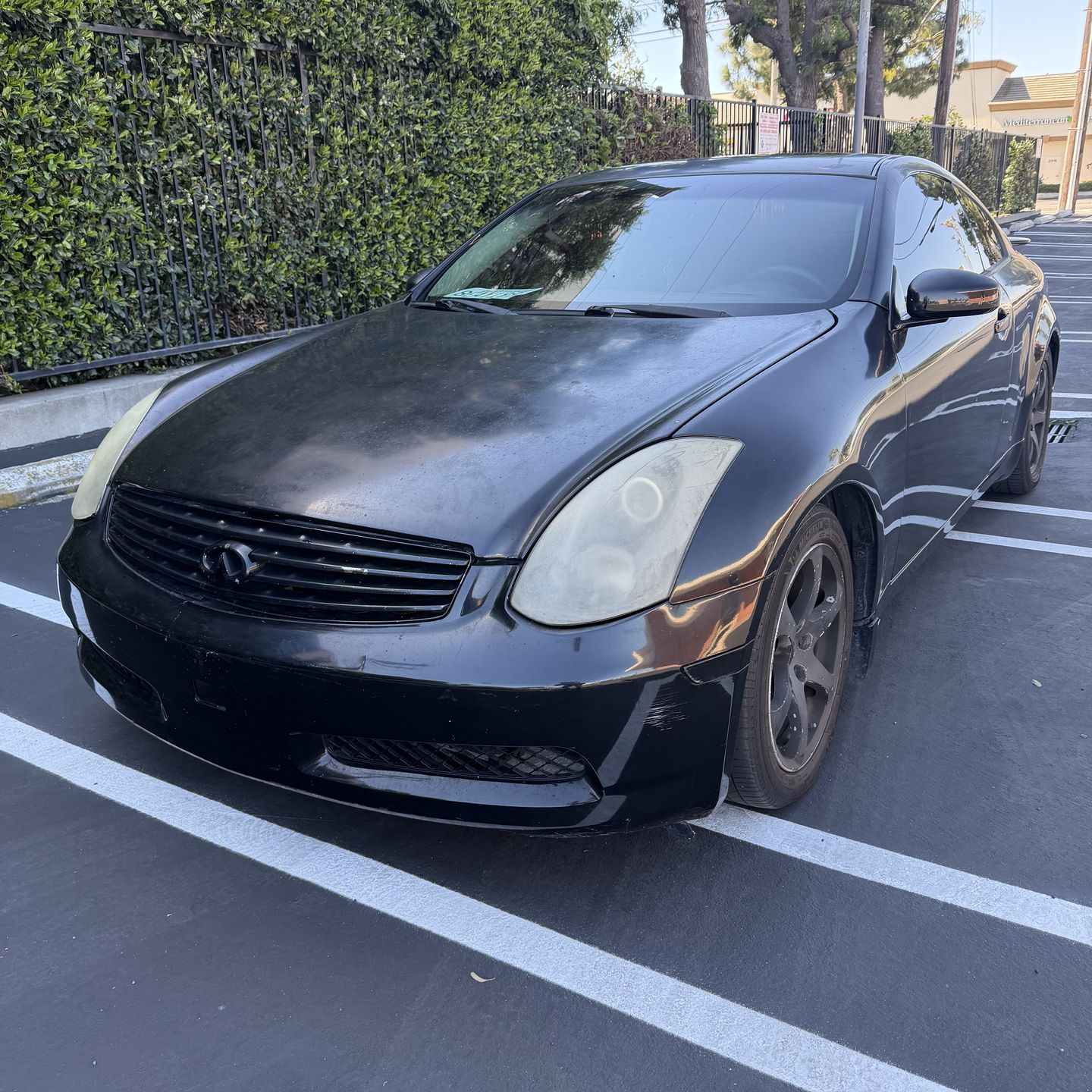
The 2007 Infiniti G35, representing the debut year of the second-generation V36 chassis, is widely recognized for its robust performance, achieving a 0-60 mph sprint in approximately 5.2 to 5.5 seconds. This performance figure varies based on transmission choice—specifically the 5-speed automatic or the 6-speed manual—as well as factors such as tire condition, track surface, and the presence of the Sport package.
The Evolution of the V36 Platform
The 2007 model year marked a significant turning point for the Infiniti G-series. After the successful run of the V35 platform, the 2007 G35 sedan introduced a redesigned chassis, more aggressive exterior styling, and a heavily revised version of the VQ-series engine. The VQ35HR engine (HR standing for "High Revolution") replaced the earlier DE version, bringing an increased redline, improved intake efficiency, and a dual-throttle body setup.
For automotive enthusiasts, the 2007 G35 represents a unique "sweet spot" in Japanese luxury sport performance. It bridged the gap between raw, mechanical engagement and the refined technology that would define later luxury sports sedans. Understanding the 0-60 performance specification requires looking closely at how the VQ35HR engine interacts with the transmission options of that era.
Engine Dynamics and Performance Potential
At the heart of the 2007 G35's performance is the 3.5-liter DOHC 24-valve V6 engine. This powerplant was rated at 306 horsepower and 268 lb-ft of torque. Unlike its predecessor, the HR-series engine was designed with a focus on high-RPM breathing, allowing the power to build linearly toward the 7,500 RPM redline.
The 0-60 mph time is effectively a measure of the vehicle's ability to transfer this power to the pavement during the initial launch. In 2007, the manual transmission models often recorded the swiftest times due to the driver's ability to hold gears longer and control the launch RPM. However, the 5-speed automatic in the 2007 model was lauded for its "Downshift Rev Matching," which, while helping in cornering and exit speeds, primarily improved the feeling of acceleration rather than the absolute 0-60 launch time.
Factors Influencing Real-World Performance
While 5.2 to 5.5 seconds is the accepted performance range for a healthy, stock 2007 G35, owners should recognize that real-world results frequently deviate from these laboratory-verified figures. Several variables dictate how close your specific vehicle gets to these numbers:
- Transmission Configuration: The 6-speed manual transmission allows for a more aggressive clutch release. Conversely, the 5-speed automatic relies on torque converter stall speed, which is optimized for daily driving comfort rather than drag-strip launches.
- Tire Compound and Condition: The G35 is rear-wheel drive. If the tires are worn or lack sufficient grip, the traction control system will intervene early, retarding ignition timing and cutting power to prevent wheel spin, which adds significant time to the 0-60 sprint.
- Vehicle Weight: The Sport package and added luxury features (like navigation or sunroofs) increase curb weight. A base model sedan will naturally have a slight power-to-weight advantage over a fully loaded model.
- Maintenance State: The VQ35HR is sensitive to intake health. A dirty air filter or carbon buildup on the throttle bodies can result in a loss of top-end power, making it difficult to reach the advertised performance.
Comparative Performance Analysis
To better contextualize the 2007 Infiniti G35 0-60 performance, it is helpful to look at the vehicle in the context of its competitors during the 2007 production window. The luxury sports sedan market at the time was highly competitive, featuring stalwarts like the BMW 335i and the Lexus IS 350.
| Vehicle Model | Est. 0-60 MPH (Seconds) | Drivetrain |
|---|---|---|
| 2007 Infiniti G35 (Manual) | 5.2 | RWD |
| 2007 Infiniti G35 (Automatic) | 5.5 | RWD |
| 2007 BMW 335i | 4.9 | RWD |
| 2007 Lexus IS 350 | 5.3 | RWD |
| 2007 Acura TL Type-S | 5.9 | FWD |
As shown, the G35 was exceptionally competitive for its era. While the BMW 335i’s twin-turbo setup provided a faster launch, the naturally aspirated VQ35HR in the Infiniti provided a level of throttle response and reliability that many found more engaging for long-term ownership.
Achieving and Maintaining Peak Performance
If you are assessing the performance of a 2007 G35 today, in 2026, the age of the vehicle is the most significant factor. Engines that have traveled well over 100,000 miles may not perform with the same vigor as they did when new. To optimize your vehicle's performance and verify its capabilities, consider the following technical checkpoints:
- Throttle Body Cleaning: The VQ35HR engine uses electronic throttle control. Over time, residue can cause the butterfly valves to stick or move slower than intended. Cleaning these is a common and effective way to restore crisp throttle response.
- Air Intake Integrity: Ensure there are no leaks in the dual intake tubes. A vacuum leak or a tear in the rubber bellows will throw off the air-fuel ratio, forcing the ECU into a safer, less powerful operating map.
- Spark Plug Condition: Using the OEM-recommended iridium spark plugs is crucial for maintaining the efficiency required for quick acceleration. Worn plugs can lead to high-RPM misfires, which are lethal to 0-60 times.
- Transmission Fluid Health: Especially for automatic models, degraded transmission fluid can lead to lazy shifts. Changing the fluid to meet current manufacturer specifications can sharpen shift points and improve power delivery.
Common Misconceptions
A frequent mistake enthusiasts make is assuming that "performance" only refers to the 0-60 sprint. The 2007 G35 was engineered as a balanced platform. While it can sprint to 60 quickly, its true capability is found in mid-range acceleration (30-70 mph) and cornering stability. If you are timing your vehicle, ensure you are doing so on a closed course and follow all local safety regulations. Never attempt high-speed acceleration tests on public roads or in inclement weather, as the G35’s rear-wheel-drive platform can be difficult to manage when traction is compromised.
Frequently Asked Questions
Does the Sport package make the 2007 G35 faster? The Sport package primarily upgrades suspension components, brakes, and exterior aesthetics. It does not provide a horsepower increase. While the better tires often included with the Sport package may improve your launch by reducing wheel spin, the engine performance remains identical to the base or Journey trim levels.
Will aftermarket modifications significantly lower the 0-60 time? While intake and exhaust modifications are popular for the G35, they often result in negligible gains in 0-60 times without custom ECU tuning. The VQ35HR factory tune is quite aggressive; most "bolt-on" parts move the power band around rather than creating significant surges in low-end torque.
How does altitude affect these performance numbers? Performance figures are typically recorded at sea level. If you live at high elevation, the reduced air density will cause a measurable decrease in engine power, as the engine cannot ingest as much oxygen for combustion. Expect 0-60 times to be slower by several tenths of a second in mountainous regions.
Is it safe to launch a high-mileage G35? If your vehicle has been properly maintained, the engine is capable of handling the load. However, you should check your suspension bushings and driveshaft carrier bearing first. High-torque launches place significant stress on drivetrain components that may have weakened due to age, which could lead to vibration or mechanical failure.
Why does my automatic G35 feel slower than the specified time? Automatic transmissions can feel "lazy" if the transmission control unit (TCU) has "learned" a conservative driving style from city traffic. Resetting the ECU (via battery disconnection or a scan tool) can sometimes force the transmission to adopt a more aggressive shifting pattern, improving responsiveness.
Next Steps for Owners
To verify the performance of your own 2007 Infiniti G35, begin by performing a comprehensive mechanical audit. Check your tire pressure and verify that your tread depth is sufficient for performance driving. If you are curious about your specific vehicle's condition, consider a professional dyno test. This will not give you a 0-60 time, but it will confirm if your engine is producing the factory-rated horsepower, which is the best indicator of whether your car is capable of meeting its original performance specifications. Maintaining the integrity of your intake system and ensuring the use of high-quality premium fuel remain the most practical ways to enjoy the performance the G35 was designed to deliver.