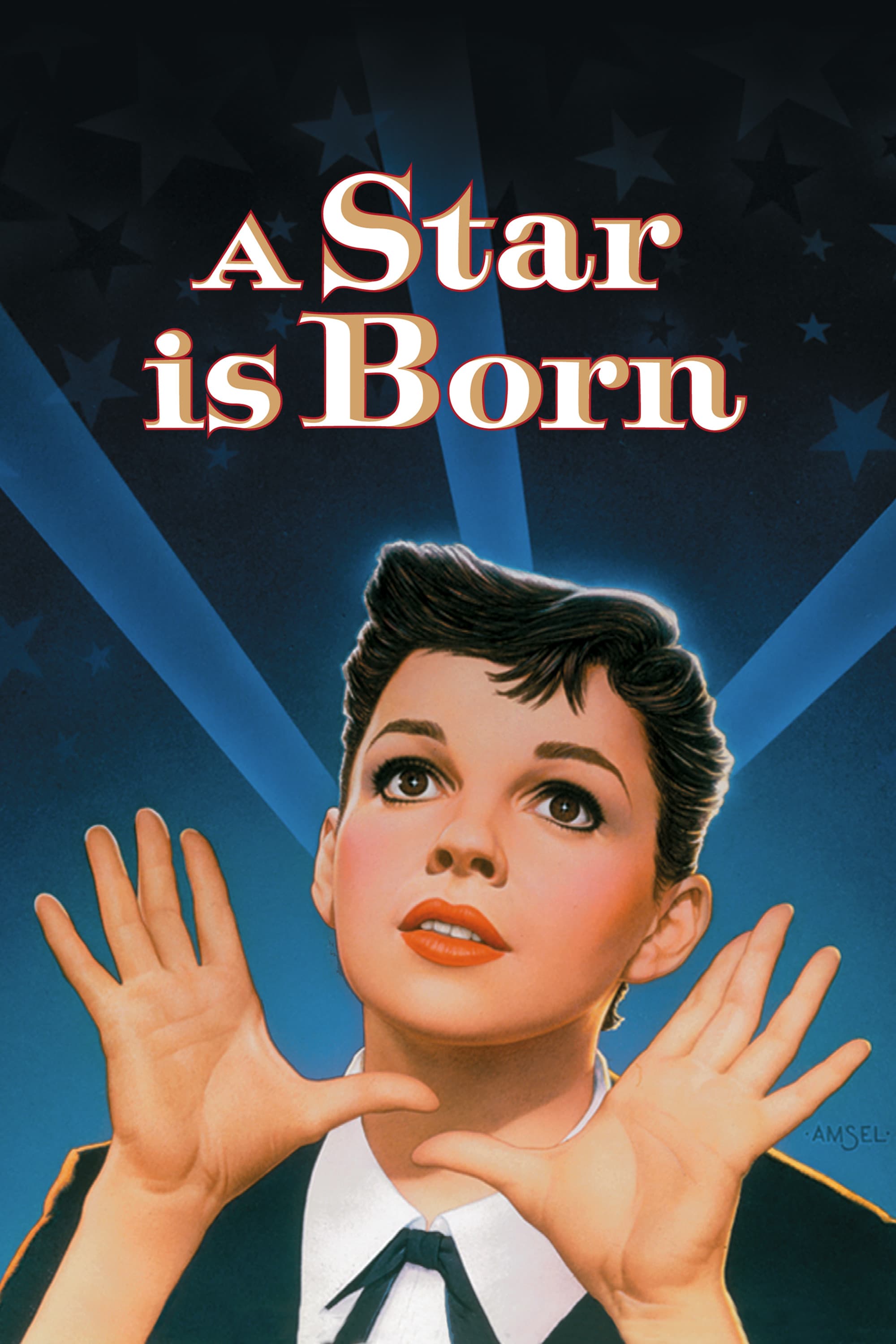
In the 1954 film adaptation of A Star Is Born, the iconic slap scene occurs during an award ceremony sequence where washed-up actor Norman Maine (James Mason) drunkenly crashes the stage during the acceptance speech of his wife, Vicki Lester (Judy Garland). While pleading wildly with the audience for work, Maine accidentally strikes Lester across the face with an outstretched arm, creating one of classic cinema's most heartbreaking climaxes.
Narrative Breakdown of the Academy Award Scene
The central narrative arch of A Star Is Born rests on a tragic, inverted double trajectory: as Esther Blodgett (performing under the studio name Vicki Lester) rises to global stardom, her husband and mentor, Norman Maine, spirals into career ruin and severe alcoholism. This structural tension reaches its emotional boiling point during the film's climactic awards dinner scene.
Having just won the Academy Award for Best Actress, Vicki Lester walks to the podium to deliver her acceptance speech. She expresses deep gratitude to her studio, her audience, and above all, her husband, whom she credits for her artistic awakening. As she speaks, an intoxicated Norman Maine staggers into the banquet hall. He climbs the stairs to the dais, interrupting her speech in front of Hollywood's premier executives, peers, and press corps.
- Vicki Lester receives the Best Actress award and delivers her speech.
- Intoxicated Norman Maine wanders onto the stage, interrupting her.
- Maine delivers a rambling, desperate plea for employment to the crowd.
- Gesticulating wildly, Maine accidentally strikes Vicki across the face.
- Stunned silence falls over the room; Vicki steps in to shield Maine.
Maine's behavior is not initially hostile toward Vicki; rather, it is born of desperate disorientation and public humiliation. He approaches the microphone and begins a rambling, pitiful speech, asking the assembled industry figures for a second chance and a job. As he raises his arms in a grand, dramatic gesture—exclaiming his need for work—his arm flails backward, striking Vicki sharply across the cheek.
The physical blow acts as an instant shockwave across the room. The cheerful atmosphere dissolves into an excruciating, frozen silence. Rather than reacting with anger, public embarrassment, or outrage, Vicki’s immediate response is one of tender, devastating compassion. She reaches out, gently takes Norman's hand, and attempts to quiet him, attempting to preserve what little dignity remains for the man she loves.
Symbolic Significance and Dramatic Function
The slap scene serves as the tragic centerpiece of director George Cukor’s 1954 masterpiece, crystallizing the core themes of Moss Hart’s screenplay. It is a multi-layered dramatic device that operates simultaneously on character, thematic, and industry levels.
The Inversion of Power Dynamics
Throughout the first half of the film, Norman is the protector, benefactor, and industry authority who discovers Esther Blodgett singing in a night club and orchestrates her transformation into Vicki Lester. He navigates studio politics on her behalf and instills in her the confidence to become a major screen act.
The slap scene marks the absolute reversal of this relationship:
- Public Position: Vicki stands at the pinnacle of industry success holding an Oscar, while Norman is completely unemployable and blacklisted.
- Physical Control: Norman loses physical and motor control of his body due to intoxication, while Vicki maintains supreme emotional composure under intense public scrutiny.
- Protective Roles: Vicki transitions from being Norman's protégé to becoming his guardian, physically shielding him from the judgment of the staring crowd.
Public Degradation versus Private Devotion
The scene starkly contrasts the coldness of Hollywood's public sphere with the tenderness of Vicki's private devotion. The gathered audience of studio heads and actors looks on with horror and disgust, viewing Norman as a liability and an embarrassment.
In contrast, Vicki ignores the humiliation of being struck in front of her peers. Her immediate instinct is not self-preservation or vanity, but an effort to cushion Norman's tragic fall. The accidental nature of the slap makes the moment far more poignant than a deliberate act of violence would have been: it demonstrates that Norman’s self-destruction unintentionally wounds the person he loves most.
Cinematic Craft: Staging, Staging, and Performance
The technical execution of the slap scene highlights George Cukor’s directorial skill, the widescreen capabilities of early CinemaScope, and the acting precision of Judy Garland and James Mason.
| Feature | Cinematic Application in 1954 Scene |
|---|---|
| Framing | Wide CinemaScope framing emphasizes isolation. |
| Color & Lighting | High-contrast banquet lighting isolates the podium. |
| Audio & Sound Design | Sudden drop in ambient sound maximizes dramatic shock. |
| Acting Delivery | Micro-expressions convey instant transition to grief. |
Directorial Composition in CinemaScope
A Star Is Born was Warner Bros.' first film shot in the anamorphic CinemaScope process. While many early widescreen productions used the extra screen width primarily for broad landscapes or spectacle, Cukor utilized the aspect ratio to heighten intimacy and spatial tension.
During the award sequence, Cukor frames the podium within a wide shot that emphasizes the sheer scale of the room and the hundreds of staring eyes. When Norman steps into the frame, the wide composition captures the physical distance between the couple and the surrounding Hollywood elite. The extra horizontal space allows the audience to witness the full trajectory of Mason's erratic arm movement, making the sudden strike across Garland's face visually jarring without requiring a jarring cut.
Performance Nuance: Garland and Mason
James Mason's portrayal of Norman Maine in this sequence avoids cartoonish drunk tropes. His speech is slurred not merely by alcohol, but by deep exhaustion and internalized shame. His physical posture alternates between aggressive bravado and sagging vulnerability. When his arm strikes Garland, Mason’s facial expression instantly shifts from boisterous begging to confused horror as he realizes what he has done.
Judy Garland’s performance in this scene is widely cited by film historians as a masterclass in screen acting. The physical slap produces a genuine shock, but Garland immediately converts that shock into deep grief. Her eyes widen, her hand instinctively touches her hurt face, but within a split second, her expression softens into empathy. Without speaking a line of dialogue for several seconds, Garland communicates heartbreak, instinctual protectiveness, and the realization that her husband's downfall has reached a point of no return.
Comparative Analysis Across A Star Is Born Adaptations
The narrative of A Star Is Born has been adapted for Hollywood cinema four times across nearly a century. Each version includes a public award ceremony breakdown that marks the male lead's ultimate public downfall, though the specific mechanics of the humiliation evolved to reflect shifting cultural norms and music/film industry dynamics.
| Film Version | Key Actors | Award Setting | Nature of Public Collapse | Physical Climax / Incident |
|---|---|---|---|---|
| 1937 | Janet Gaynor & Fredric March | Academy Awards Dinner | Norman Oliver interrupts Esther's speech while heavily intoxicated. | Accidental physical strike across the face during a wild arm gesture. |
| 1954 | Judy Garland & James Mason | Academy Awards Dinner | Norman Maine interrupts Vicki's acceptance speech begging for work. | Accidental slap to the face caused by a flailing arm gesture. |
| 1976 | Barbra Streisand & Kris Kristofferson | Grammy Awards Ceremony | John Norman Howard arrives late, drunk, and interrupts the proceedings. | Public verbal outburst and disturbance on stage without a physical blow. |
| 2018 | Lady Gaga & Bradley Cooper | Grammy Awards Ceremony | Jackson Maine staggers onto stage during Ally's acceptance speech. | Involuntary physical collapse and accidental wetting of his pants on live television. |
From the 1937 Original to the 1954 Remake
The 1954 film adapted its script from William A. Wellman’s 1937 original starring Janet Gaynor and Fredric March. In the 1937 version, March’s character similarly interrupts an Oscar speech and accidentally strikes Gaynor across the face while waving his arms.
However, Cukor’s 1954 version deepened the emotional weight of the scene. The 1937 scene is played with a somewhat faster, theatrical pacing characteristic of 1930s Hollywood dramas. The 1954 version extends the pause after the blow, letting the silence hang over the banquet hall, allowing Garland and Mason to explore the tragic emotional aftermath in extended close-ups.
The Shift in Modern Retellings (1976 and 2018)
When Frank Pierson directed the 1976 rock-musical version starring Barbra Streisand and Kris Kristofferson, the award setting shifted from the Oscars to the Grammy Awards. Kristofferson's character creates a loud, disruptive scene, but the physical strike was removed to better align with 1970s character sensibilities.
In Bradley Cooper's 2018 adaptation starring himself and Lady Gaga, the award scene was altered again. Rather than an accidental slap, Cooper's character, Jackson Maine, suffers a total loss of bodily control due to alcohol and substance abuse, wetting his pants on stage behind Ally while she accepts her Grammy award. While the mechanism changed from violence to bodily humiliation, the dramatic intent remained identical: exposing the male lead's total vulnerability while forcing the female lead to protect him under the harsh spotlight of public scrutiny.
Production Context and Behind-the-Scenes History
The filming of the 1954 slap scene carried significant emotional resonance for the cast and crew, mirroring in subtle ways the real-world pressures faced by its stars and the studio system of the era.
Rehearsals and Staging
George Cukor was known for his precise orchestration of dramatic scenes and his ability to draw raw performances from lead actors. During the filming of the awards banquet, Cukor carefully choreographed the physical distance between Mason and Garland.
To ensure the slap looked organic and terrifying, the physical contact was carefully practiced so that Mason’s hand made realistic, gentle contact without causing physical injury, relying on Garland’s reaction and sound editing to sell the impact.
| Feature | Details |
|---|---|
| Director | George Cukor |
| Screenplay Writer | Moss Hart |
| Cinematographer | Sam Leavitt |
| Lead Cast | Judy Garland (Esther/Vicki), James Mason (Norman) |
| Studio | Warner Bros. Pictures |
| Aspect Ratio | 2.55:1 (CinemaScope) |
| Historical Context | Judy Garland's major dramatic comeback film |
Parallels to Judy Garland's Life
The emotional weight Garland brought to the scene was heightened by her own tumultuous history with Hollywood studios. Having experienced personal struggles, career setbacks, and intense public scrutiny throughout the late 1940s and early 1950s, Garland understood the precarious nature of fame and public humiliation.
Her performance in A Star Is Born—and in this scene in particular—was widely regarded by critics as a raw, unfiltered reflection of her own artistic resilience. Observers on set noted that Garland's ability to channel genuine pain into Vicki Lester's reaction gave the award scene a haunting authenticity that transcended standard Hollywood melodrama.
Critical Reception and Cultural Legacy
Upon the film's release in October 1954, the award ceremony sequence was highlighted by critics as one of the most powerful dramatic scenes ever put to film.
Critical Response in 1954
Contemporary reviewers praised the restraint with which Cukor, Garland, and Mason handled what could easily have devolved into sensationalism:
- The New York Times singled out the award sequence, noting that Garland’s performance proved her status as a premier dramatic actress capable of deep emotional nuance.
- Variety highlighted James Mason's ability to evoke pity rather than pure disgust during his public collapse, calling his portrayal of addiction one of the most courageous of the era.
The 1955 Academy Award Controversy
The slap scene was considered by industry insiders to be the defining clip that guaranteed Judy Garland the Academy Award for Best Actress at the 27th Academy Awards in 1955. Garland had been nominated alongside Grace Kelly (The Country Girl), Audrey Hepburn (Sabrina), Jane Wyman (Magnificent Obsession), and Dorothy Dandridge (Carmen Jones).
Because Garland had recently given birth to her son Joey Hucke and was recovering in a hospital, NBC television crews set up cameras in her hospital room to broadcast her acceptance speech live. In one of the most famous upsets in Oscar history, Grace Kelly was announced as the winner for The Country Girl. The decision sparked immediate outrage among film critics and fans, with famous figures like Groucho Marx sending Garland a telegram calling her loss "the greatest robbery since Brink's."
Despite losing the competitive Oscar, Garland’s performance—anchored by the raw emotional peak of the award slap scene—remains one of the most celebrated acting turns in American cinematic history.
Key Analysis Guidelines for Film Historians and Students
For cinema studies scholars, actors, and directors analyzing the 1954 slap scene, several structural elements provide clear lessons in visual storytelling:
- Examine the Audio Dynamics: Notice how director George Cukor cuts the background orchestral score and room ambient noise the moment Norman interrupts the speech. The total absence of musical score heightens the realism and discomfort of the physical blow.
- Study Blocking and Depth of Field: Observe how the CinemaScope frame positions background onlookers in soft focus behind Garland and Mason. Their frozen physical postures contrast sharply with Mason's wild, erratic gestures and Garland's immediate movement toward him.
- Analyze Character Motivation vs. Action: Note that Norman Maine never intends to strike Vicki. The tragic impact of the scene relies entirely on the fact that his action is accidental—a byproduct of his loss of physical control—making it a metaphor for how addiction unintentionally hurts loved ones.
- Evaluate Reaction over Action: The power of the scene lies not in the physical act of the slap itself, but in Garland's multi-layered facial reaction, demonstrating that in screen acting, the reaction often carries greater dramatic weight than the action.
Frequently Asked Questions
Was the slap in the 1954 A Star Is Born scripted or unscripted?
The slap was fully scripted and carefully choreographed as part of Moss Hart’s screenplay, which adapted the sequence directly from the original 1937 film version. While the physical contact was planned, the actors staged the timing and movement to make the physical impact appear startling and accidental on camera.
Who played Norman Maine in the 1954 slap scene?
Norman Maine was played by British actor James Mason. His performance earned him an Academy Award nomination for Best Actor at the 27th Academy Awards, with critics praising his nuanced, sympathetic portrayal of a declining actor suffering from severe alcoholism.
Why does Norman slap Vicki Lester during her speech?
Norman does not strike Vicki intentionally. While heavily intoxicated, he staggers onto the stage during her Best Actress acceptance speech to deliver a rambling plea to studio executives for employment. As he raises his arms in a wide, dramatic gesture pleading for a job, his arm flails backward and accidentally hits Vicki across the face.
Did Judy Garland win an Oscar for her performance in A Star Is Born?
No. Despite receiving critical acclaim and being considered the heavy favorite for her performance as Esther Blodgett / Vicki Lester, Judy Garland lost the 1954 Best Actress Academy Award to Grace Kelly for The Country Girl. Her loss remains one of the most famous Oscar upsets in Hollywood history.
How does the 1954 slap scene compare to the 2018 version starring Lady Gaga and Bradley Cooper?
In the 2018 adaptation, director Bradley Cooper updated the award ceremony collapse to fit modern sensibilities and musical settings. Instead of an accidental slap at an Oscar banquet, Jackson Maine (Cooper) staggers onto the stage during Ally’s (Lady Gaga) Grammy Award acceptance speech and suffers a total physical collapse, accidentally wetting his pants on live television due to severe addiction.
Recommended Next Steps for Film Analysis
To gain a complete understanding of how this scene shaped American cinema history, film students and researchers should consider the following comparative viewing plan:
- Watch the 1937 and 1954 Versions Side-by-Side: Compare the pacing and editing of the Oscar breakdown between Janet Gaynor/Fredric March and Judy Garland/James Mason to observe how Hollywood acting and staging evolved from the early sound era to classic Technicolor melodrama.
- Examine George Cukor’s Visual Composition: Analyze the use of early CinemaScope wide aspect ratios (2.55:1) in A Star Is Born to see how widescreen framing can enhance personal, emotional tragedy rather than just spectacle.
- Study the Restoration Cut: Ensure you view the restored 1983 version of the 1954 film, overseen by film historian Ronald Haver, which preserved Cukor’s original dramatic pacing and restored critical audio and visual footage trimmed by Warner Bros. after the initial premiere.