The phrase "1800ask gary a 25 year old national crisis hotline" references a unique intersection of public awareness, media messaging, and mental health support structures. While the exact alphanumeric string combines conversational query patterns with a specific personal profile, it points toward the broader framework of national crisis intervention services, youth mental health support, and the historical evolution of telephonic hotlines over a 25-year operational window. Understanding how these elements connect requires examining the standards of modern crisis response, the accessibility of help lines, and the specific needs of young adults navigating acute psychological distress.
The Evolution of National Crisis Hotlines Over 25 Years
Mental health crisis intervention by telephone has undergone a profound transformation over the past quarter-century. Twenty-five years ago, crisis response relied heavily on fragmented, localized networks of hotlines operated by non-profit organizations, community mental health centers, and religious institutions. Callers often had to look up ten-digit local numbers or navigate complex regional directories just to find immediate support.
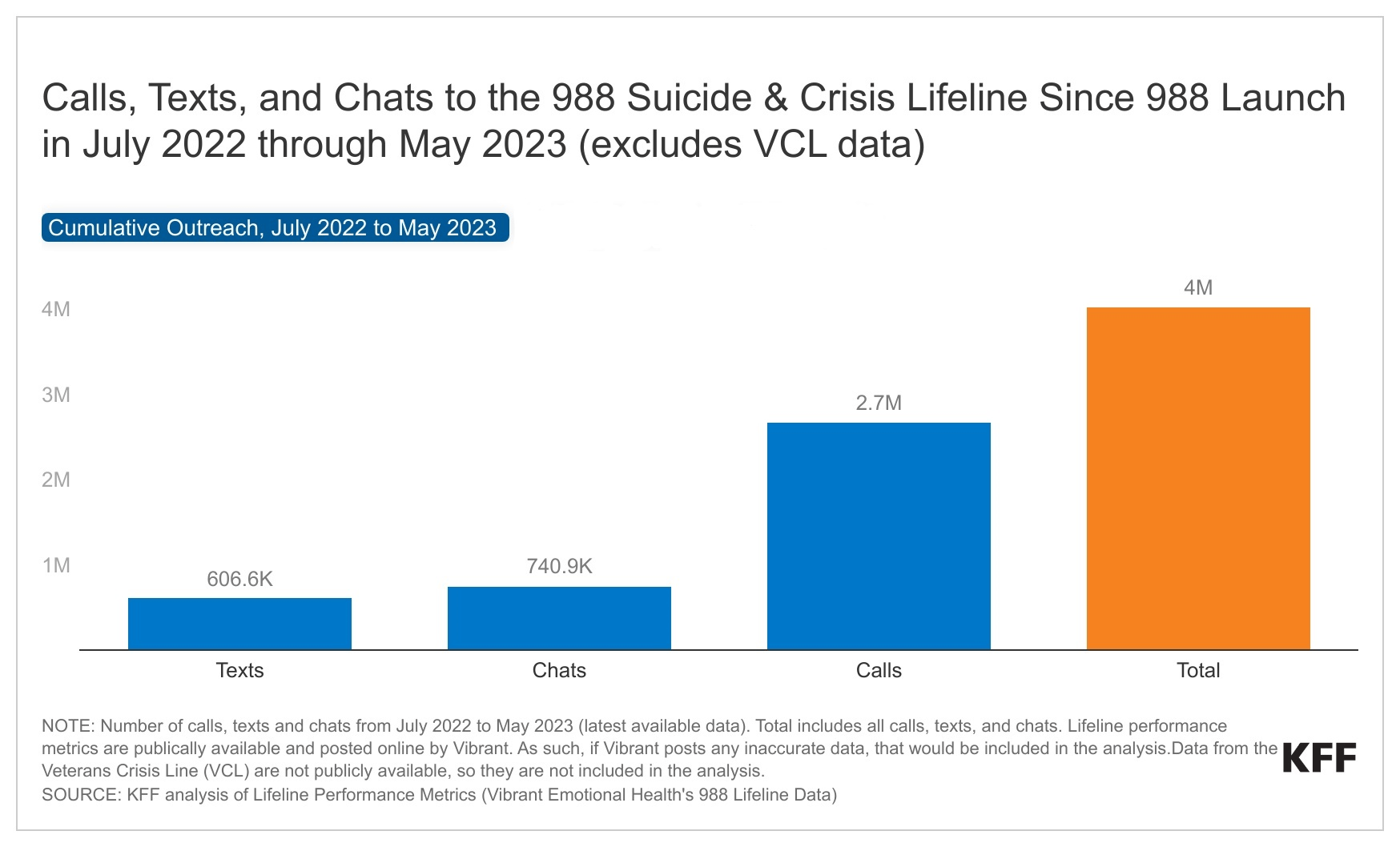
Over time, public health advocates recognized the necessity of universal, easy-to-remember access points. This realization culminated in the establishment of centralized routing systems and shorthand dialing codes, such as the transition to the 988 Suicide & Crisis Lifeline in the United States. A 25-year retrospective on crisis hotlines reveals a shift from ad-hoc community intervention to standardized, evidence-based clinical protocols. Modern hotlines utilize advanced call-routing technology, geo-mapping for local resource deployment, and specialized training programs for counselors handling diverse populations, including adolescents and young adults.
Technological Advancements in Call Routing
Modern crisis infrastructure no longer depends solely on traditional landline routing. Contemporary services incorporate:
- Voice over IP (VoIP) and cellular integration: Ensuring seamless connectivity regardless of the caller's device.
- Text and chat modalities: Providing alternative communication channels for individuals who experience anxiety or safety risks when speaking aloud.
- Automated language translation: Expanding accessibility for non-English speakers through immediate interpretation services.
- Secure data handling: Protecting user privacy while collecting anonymous metrics to improve response times and staffing levels.
Understanding the Needs of Young Adults in Crisis
Young adults—frequently categorized as individuals between the ages of 18 and 25—face a distinct set of psychological and social stressors. This developmental window marks the transition from adolescence to full independence, bringing major life changes such as higher education pursuits, entry-level employment, financial instability, and shifting interpersonal relationships.
Statistics from public health agencies consistently indicate that this age cohort experiences high rates of anxiety, depression, and substance use disorders. Consequently, crisis intervention models specifically tailored for 25-year-olds and younger demographics must address unique developmental vulnerabilities.
Key Stressors Impacting Young Adults
- Academic and Career Pressure: The pursuit of higher education and early career placement often triggers severe performance anxiety and burnout.
- Identity Formation: Navigating personal identity, social acceptance, and independence can intensify feelings of isolation.
- Economic Insecurity: Rising costs of living, student loan debt, and underemployment contribute to chronic stress.
- Digital Connectivity and Comparison: Constant exposure to curated online personas can exacerbate feelings of inadequacy and loneliness.
Accessibility and Navigation of Crisis Services
When an individual experiences a mental health crisis, removing barriers to entry is vital. Navigating the mental health system can be overwhelming for someone in acute distress, which is why national hotlines prioritize zero-barrier access.
Unlike traditional medical appointments that require insurance verification, referrals, and scheduling, crisis hotlines are universally accessible, confidential, and free of charge. Operating 24 hours a day, 7 days a week, these services ensure that support is available outside standard clinical business hours when outpatient offices are closed.
| Feature / Attribute | Traditional Outpatient Care | National Crisis Hotlines |
|---|---|---|
| Accessibility | Requires appointments, insurance, and scheduling | Available 24/7/365 without prior registration |
| Cost | Subject to copays, deductibles, or uninsured fees | Free of charge to all callers and texters |
| Anonymity | Requires formal intake and personal health records | Can be utilized anonymously |
| Response Time | Days or weeks for an available opening | Immediate connection within seconds or minutes |
Standard Protocols for Crisis Intervention Specialists
When a person reaches out to a national crisis service, the interaction follows a structured, empathetic protocol designed to de-escalate distress and evaluate immediate safety. Counselors undergo rigorous training to handle sensitive situations involving self-harm, suicidal ideation, severe panic, and acute trauma.
The Stages of Effective Crisis Response
- Establishing Rapport: The counselor listens actively, offering a non-judgmental, empathetic presence to help the individual feel heard and validated.
- Assessing Safety: The specialist evaluates the immediate risk of harm to the caller or others, determining whether active rescue or emergency intervention is necessary.
- Exploring Coping Strategies: Together, the caller and counselor identify immediate, grounding techniques to lower physiological arousal and emotional overwhelm.
- Connecting to Resources: The counselor provides actionable referrals to local mental health clinics, support groups, or ongoing care providers tailored to the caller's specific needs.
Common Misconceptions About Crisis Hotlines
Despite widespread public education campaigns, several persistent myths discourage individuals from utilizing crisis services. Clarifying these misconceptions is essential for ensuring that people in distress seek help promptly.
- Myth: Calling a hotline automatically triggers unwanted police intervention.Fact: The vast majority of crisis calls are resolved through conversation alone. Emergency services are only contacted as an absolute last resort when there is an imminent, unmanageable threat to life or safety.
- Myth: Hotlines are only for individuals experiencing suicidal thoughts.Fact: Crisis services assist with a wide range of emotional struggles, including relationship stress, grief, anxiety, panic attacks, and overwhelming life transitions.
- Myth: Conversations are recorded and shared with employers or family members.Fact: Calls and texts are strictly confidential, protected by privacy standards designed to safeguard the user's personal information.
Frequently Asked Questions
What happens when you call a national crisis hotline?
When you connect with a national crisis hotline, a trained specialist answers to listen, provide emotional support, and help de-escalate your distress. The conversation is confidential, free, and focused entirely on your immediate well-being and safety.
Do I need insurance or money to use a crisis hotline?
No. National crisis hotlines are entirely free to use and do not require health insurance, credit cards, or any form of financial payment. They are funded through public health initiatives to ensure universal access.
Can I text a crisis line instead of talking on the phone?
Yes. Many national crisis services offer text-based support options alongside traditional phone calls. This allows individuals who experience severe phone anxiety or who are in environments where speaking aloud is unsafe to communicate discreetly.
Are crisis hotline conversations kept private?
Yes. Crisis services maintain strict confidentiality protocols. Information is not shared with family members, employers, or outside entities without the user's consent, except in rare emergency situations involving an immediate, life-threatening risk where intervention is required to save a life.
How do I know if my situation qualifies as a crisis?
If an emotional issue, mental health struggle, or life event feels too heavy to manage on your own, it qualifies. You do not need to wait until a situation reaches a catastrophic level to seek support from a crisis line.
Next Actions and Finding Immediate Help
If you or someone you know is navigating a mental health crisis, emotional distress, or a difficult life transition, support is available right now. In the United States, you can call or text 988 to reach the Suicide & Crisis Lifeline, available 24 hours a day, 7 days a week, completely free and confidential. International readers should consult their local public health authority or emergency services directory to locate dedicated, region-specific crisis support infrastructure. Reaching out is an effective first step toward stabilization, safety, and long-term recovery.