Fortnite has evolved from a niche cooperative survival game into a global cultural nexus, reshaping digital interaction, live entertainment, and competitive gaming. Since its inception in 2017, the title developed by Epic Games has captured millions of players through its unique blend of building mechanics, seasonal narrative shifts, and high-profile collaborative events, solidifying its place as a permanent pillar of modern interactive media.
1. The Origins of the Battle Royale Success
While many players identify Fortnite exclusively as a Battle Royale experience, its development began in 2011 as a different concept entirely. Initially conceived during an Epic Games internal game jam, the original Fortnite: Save the World was a cooperative survival game focused on building forts and defending them against waves of AI-controlled monsters. The Battle Royale mode, which would eventually become the primary engine of the game’s popularity, was added as a late-stage experimental addition in 2017. Its rapid development—completed in approximately two months—leveraged the existing assets of the base game, transforming the title from a slow-paced defense game into the fast-paced competitive arena that defined the genre for a generation.
2. A Masterclass in Cross-Platform Integration
Fortnite was a pioneer in breaking down the "walled gardens" of console ecosystems. In early 2018, the gaming industry was heavily segmented; players on PlayStation, Xbox, and PC were largely restricted to playing with others on their same platform. Epic Games pushed aggressively for cross-play functionality. Through negotiations with major hardware manufacturers, they successfully allowed players to retain progress and play against opponents across disparate devices. This move set a new industry standard, forcing competitors to adapt and effectively ending the long-standing tradition of console-exclusive gaming silos.
3. The Digital Concert Frontier
In 2019, the Marshmello concert in Pleasant Park changed how the industry viewed virtual spaces. By hosting a live, interactive, in-game concert, Epic Games demonstrated that Fortnite was no longer just a game, but a persistent digital venue. This was followed by the record-breaking Travis Scott "Astronomical" event in 2020, which drew over 12 million concurrent players. These events function as hybrid experiences where the environment reacts to the music, physics shift, and the player is an active participant rather than a passive observer. It remains one of the most successful examples of brand and artist integration within a virtual environment.
4. Creative Mode and User-Generated Content
The introduction of Fortnite Creative allowed players to build their own islands, minigames, and complex architectural designs. By providing players with the same design tools used by Epic’s internal developers, the company decentralized content creation. By 2026, the ecosystem has expanded significantly, with thousands of user-created maps available to the community. This shift transformed the game into a "metaverse" platform, where players can spend hours engaging with content that has nothing to do with the standard Battle Royale loop, such as puzzle maps, parkour courses, and social hubs.
5. Unreal Engine Synergy
Fortnite serves as the primary showcase for Unreal Engine, the powerful game development platform owned by Epic Games. Because the game is built entirely on this engine, every update serves as a real-world test for new engine features, such as Nanite (virtualized geometry) and Lumen (global illumination). These technologies allow the game to look increasingly photorealistic or stylized without sacrificing performance on hardware ranging from mobile phones to high-end PCs. The symbiotic relationship between the game's success and the engine's capability ensures that the title remains at the cutting edge of graphical fidelity.
6. Seasonal Storytelling and World-Building
Unlike traditional games that launch in a completed state, Fortnite functions as a "living" story. Each season introduces map changes, localized cinematic events, and narrative arcs that permanently alter the game world. This episodic format keeps the community engaged, as map landmarks are destroyed, new biomes appear, and characters evolve through distinct arcs. This commitment to continuity creates a sense of "being there" for historical events, where players who were present during the first black hole event or the island flip feel a genuine connection to the game's evolving lore.
7. The Complexity of the Building Mechanic
The building mechanic remains the defining technical distinction between Fortnite and other entries in the Battle Royale genre. It forces players to manage two distinct skill sets simultaneously: traditional shooter aim and rapid spatial construction. Mastery requires understanding material properties—wood, stone, and metal—each of which has different health values and harvest rates. This depth makes it a high-skill ceiling game, where an individual's ability to "build to cover" can instantly neutralize a disadvantageous position, turning a near-defeat into a tactical victory.
8. A Platform for Global IP Collaboration
Fortnite has become the largest crossover hub in entertainment history. Its ability to incorporate intellectual property from Marvel, Star Wars, DC Comics, and various anime franchises is unmatched. These collaborations are rarely just cosmetic; they often include custom mythic items, unique game modes, and location-based tie-ins. This strategy serves a dual purpose: it maintains interest from diverse fanbases and provides Epic Games with a continuous stream of fresh content that keeps the aesthetic of the game unpredictable.
9. The Competitive Esports Ecosystem
Fortnite World Cup 2019 marked a pivotal moment for esports, with the event offering a massive $30 million prize pool. The game’s competitive scene is unique because of its high degree of randomness combined with high-skill mechanics. Professional play requires deep knowledge of rotation management, resource hoarding, and mechanical precision. Even today, the Fortnite Champion Series (FNCS) remains one of the most-watched competitive formats, providing a pathway for top-tier players to turn gaming into a viable professional career through sustained tournament performance.
10. Financial Model and Accessibility
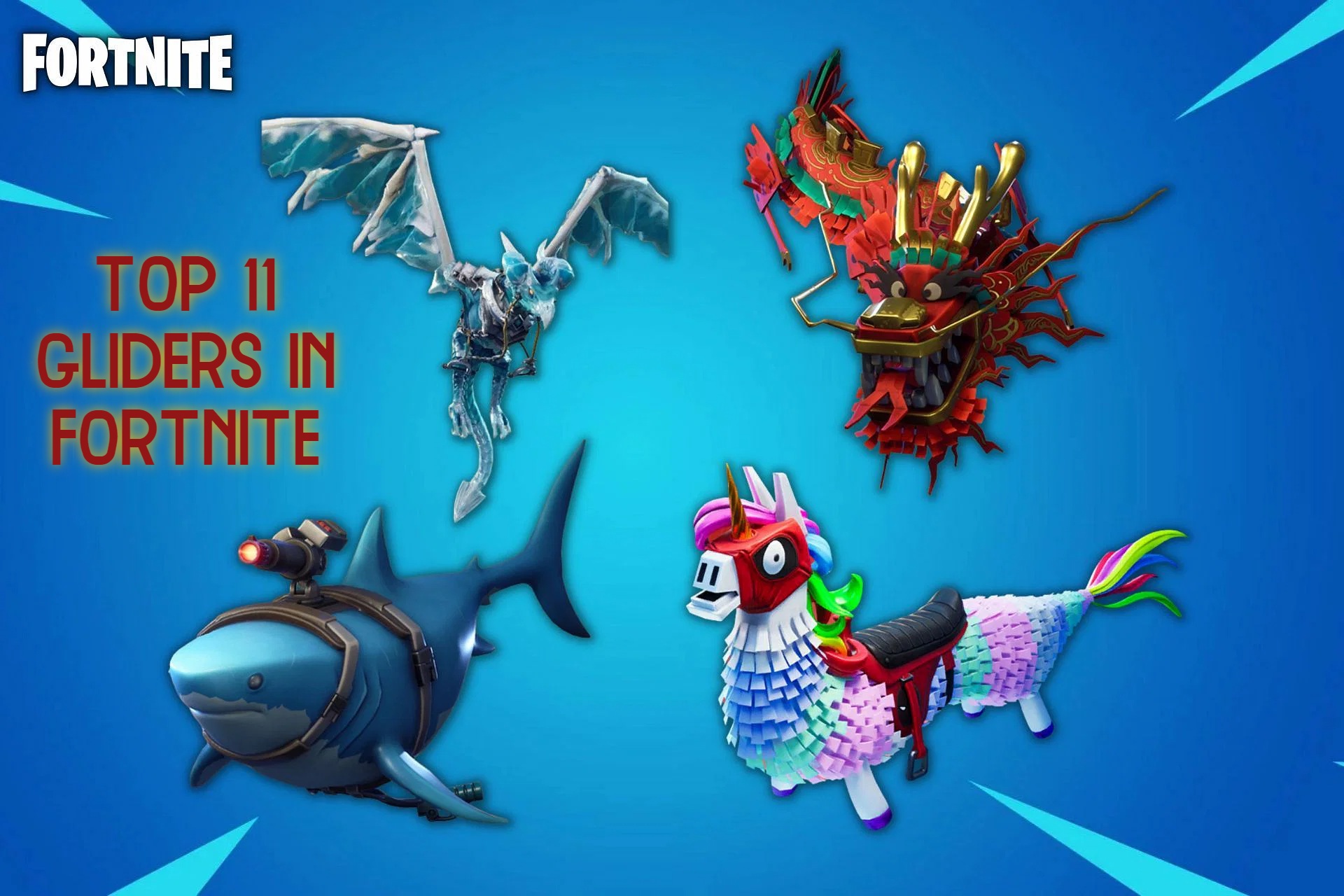
The decision to make the Battle Royale mode free-to-play while relying on an optional cosmetic economy revolutionized digital storefronts. By focusing on "skins," emotes, and gliders that offer no competitive advantage, Epic Games maintained a fair playing field while generating substantial revenue. This model is exceptionally accessible, as it removes the barrier to entry (the purchase price) while allowing dedicated players to support the ongoing development of the game through the Battle Pass system.
Comparison of Core Fortnite Modes
| Feature | Battle Royale | Save the World | Creative/UGC |
|---|---|---|---|
| Primary Goal | Last player standing | Defend objectives | User-defined |
| PVP/PVE | Competitive PVP | Cooperative PVE | Varies |
| Monetization | Free-to-play | Paid access | Free-to-play |
| Community Role | Participants | Survivors | Creators/Builders |
Frequently Asked Questions
Is Fortnite still relevant in 2026? Yes. Through constant engine updates and the expansion into a multi-mode ecosystem, Fortnite remains one of the most-played titles globally. Its ability to pivot between different genres keeps its player base engaged.
Can I play Fortnite on any device? Fortnite is available on PlayStation, Xbox, PC, and various cloud-based gaming services. While availability on specific mobile app stores has fluctuated due to legal and corporate disputes, web-based cloud streaming has provided a consistent pathway for mobile users to access the game in 2026.
Does building take a long time to learn? Building has a steep learning curve. New players are encouraged to use the "Build-a-Lesson" tutorials or dedicated practice maps in the Creative mode to learn the fundamentals of structural integrity and editing before engaging in high-stakes competitive matches.
Is it possible to play without building? Yes. Epic Games introduced "Zero Build" modes, which permanently remove the building mechanic to emphasize traditional gunplay, positioning, and tactical movement. This has attracted a large segment of the player base that prefers classic shooter mechanics.
Are the in-game events still occurring? Yes, seasonal events remain a core part of the Fortnite experience. These events are scheduled periodically and typically mark the transition between seasons or the conclusion of significant narrative chapters, often featuring major gameplay shifts.
How do I earn V-Bucks? V-Bucks can be purchased directly or earned through the Battle Pass. Players should be cautious of "free V-Bucks" generator websites, as these are often phishing scams designed to compromise account security. Always use official game store channels.
Recommendation
If you are returning to Fortnite or just starting, begin by experimenting with the "Zero Build" mode to get comfortable with the shooting mechanics and map navigation. Once you feel confident in your movement, transition into the standard Battle Royale modes and utilize the Creative mode to practice building techniques in a low-pressure environment. Always ensure your account is protected with two-factor authentication to maintain the security of your cosmetic inventory and personal information.