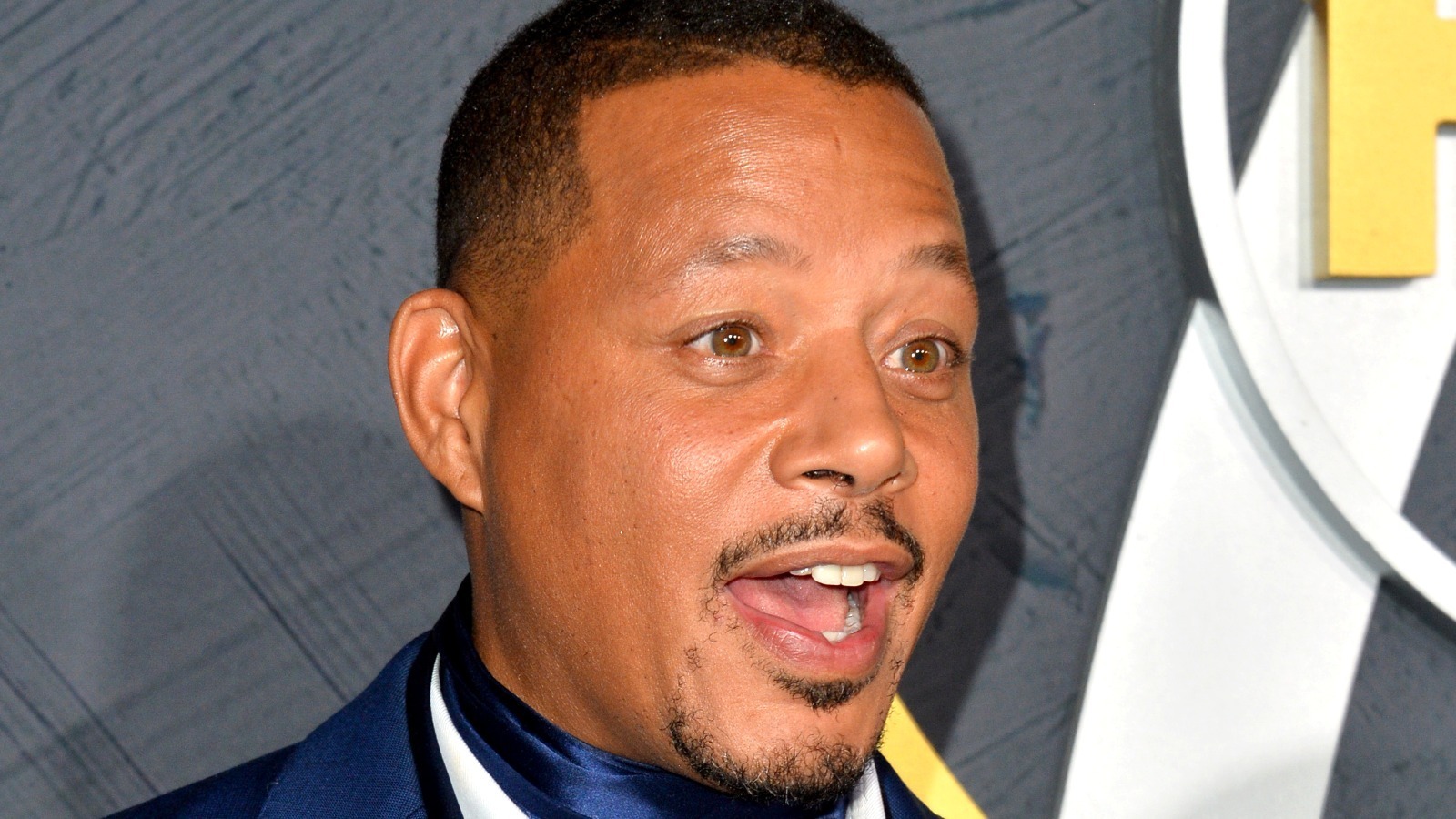
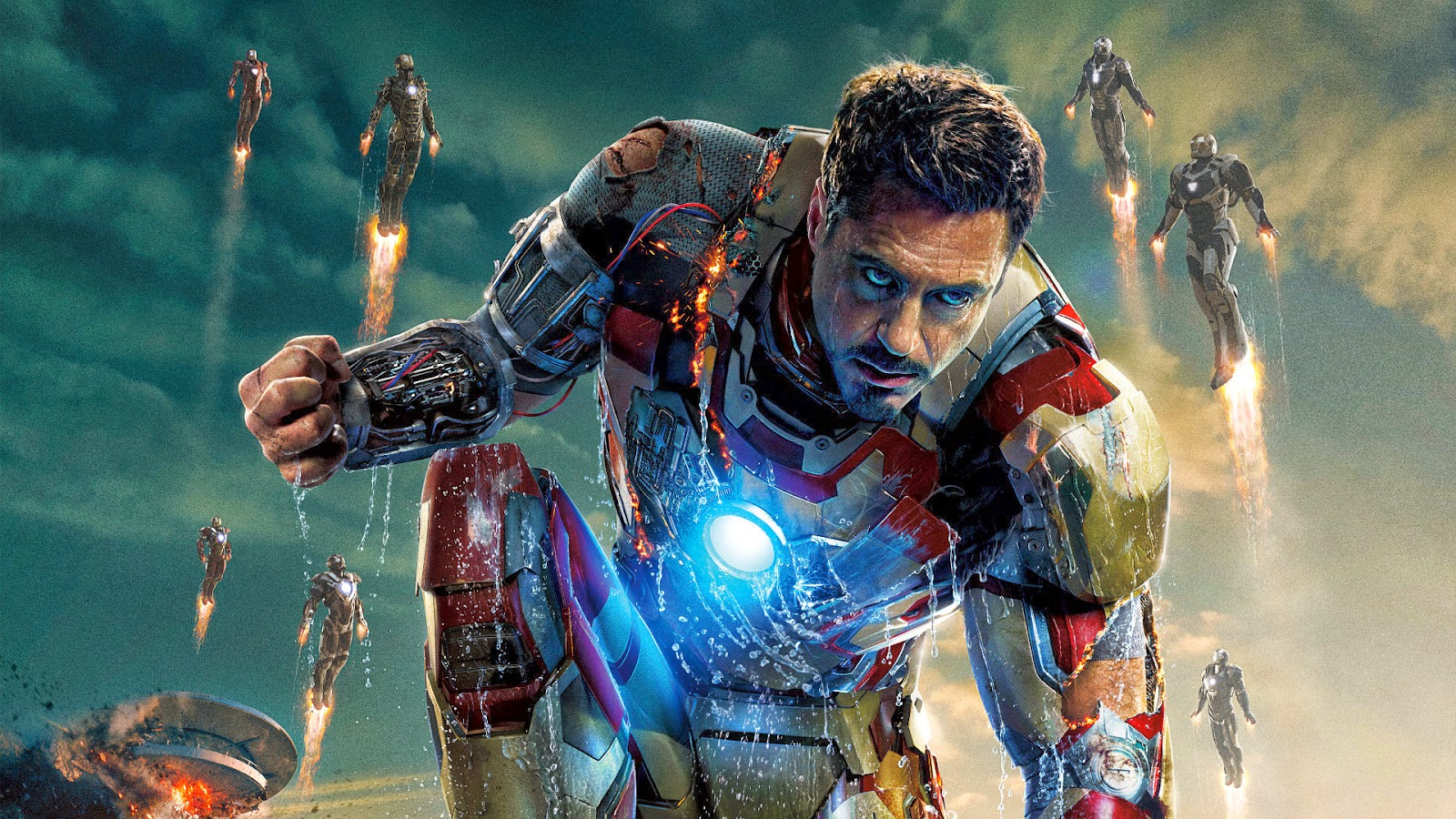
Terrence Howard did not reprise his role as Colonel James "Rhodey" Rhodes in Iron Man 2 due to a high-profile contract dispute involving salary reductions, multi-picture negotiations, and creative friction with director Jon Favreau and Marvel Studios leadership, which ultimately led to Don Cheadle stepping into the armor.
Introduction: The Multimillion-Dollar Casting Shift
Few behind-the-scenes casting changes in modern superhero cinema have generated as much enduring public curiosity as the departure of Terrence Howard from the Marvel Cinematic Universe. Having played a foundational role in 2008’s Iron Man—the very movie that launched the MCU—Howard seemed poised to become a long-standing fixture of the franchise, particularly as his character's alter ego, War Machine. Yet, when the sequel hit theaters in 2010, Don Cheadle occupied the cockpit of the silver-and-gray tactical suit.
To understand why Terrence Howard was not in Iron Man 2, one must examine the intersection of early-stage Marvel Studios business practices, unheralded franchise risk, aggressive salary restructuring, and behind-the-scenes professional friction. At the time of the original film's production, Marvel was an independent studio staking its future and corporate solvency on a single, highly speculative picture. By the time sequel negotiations began, the financial landscape of the studio had shifted dramatically, prompting executives to reevaluate existing talent agreements. This comprehensive analysis explores the verifiable sequence of events, contract structures, financial figures, and creative decisions that altered the trajectory of the Iron Man franchise and redefined the role of James Rhodes.
The Landscape of Iron Man (2008): Building the MCU's Foundation
To grasp the mechanics of the recast, it is necessary to revisit the status of Marvel Studios in 2007 during the principal photography of the first Iron Man film. Marvel Entertainment was transitioning from comic book publisher and licensing house to a self-financed motion picture studio. Securing a $525 million revolving credit facility from Merrill Lynch required the studio to put up valuable comic book properties as collateral.
In this high-stakes environment, casting decisions carried immense financial and artistic weight. Terrence Howard, who had recently earned critical acclaim and an Academy Award nomination for his performance in Hustle & Flow (2005), was hired before Robert Downey Jr. Howard’s star power and industry respectability provided a crucial anchor of stability for nervous financiers. According to subsequent public accounts, Howard was paid a substantial upfront salary for the first film—reportedly around $3.5 million to $4.5 million—making him the highest-paid actor in the original cast at that specific early stage of production.
Furthermore, Howard’s contract for the first film reportedly included a legally binding option for sequels, stipulating a pre-negotiated salary scale for subsequent appearances. At the time, this structure was standard procedure in Hollywood franchise filmmaking, protecting actors if a movie failed while guaranteeing studios predictable labor costs if it succeeded. However, nobody involved in the production could reliably forecast that Iron Man would gross over $585 million worldwide and ignite a multi-billion-dollar cinematic phenomenon.
The Core Dispute: Salary Reductions and Contract Re-negotiations
The primary catalyst for Terrence Howard’s exit from the franchise was a sudden and drastic renegotiation of his compensation for Iron Man 2. Following the massive box-office success of the first film, Marvel Studios and its parent entities sought to curb escalating production overheads, particularly as they prepared to expand the cinematic universe across multiple interconnected releases.
According to interviews given by Howard in the years following his departure—most notably a widely discussed 2013 appearance on Watch What Happens Live with Andy Cohen—Marvel executives approached his representatives ahead of the sequel with a radically altered financial proposal. Rather than honoring the multi-picture pay scale outlined in his original contract, the studio allegedly demanded an approximate 80 percent pay cut.
Howard stated that Marvel claimed the sequel would succeed regardless of who played James Rhodes, telling him that he could accept a fraction of his previously agreed-upon salary—reportedly offering him roughly $1 million for the second film instead of the multi-million-dollar figure tied to his original option. When Howard balked at the sudden reduction and reached out to director Jon Favreau and producer Kevin Feige for support or clarification, he reported receiving minimal assistance, leading to a breakdown in professional relations.
Comparing the Casting Transitions
| Aspect | Terrence Howard (Iron Man, 2008) | Don Cheadle (Iron Man 2, 2010 onwards) |
|---|---|---|
| Initial Casting Status | Cast first; leveraged as a high-profile industry anchor for studio financing. | Brought in rapidly after contract negotiations with Howard collapsed. |
| Contract Structure | Multi-picture deal with pre-set escalators that Marvel later sought to restructure. | Multi-picture contract aligned with Marvel Studios' standard long-term ensemble scaling. |
| Financial Terms | Reported highest upfront salary in the original film ($3.5M–$4.5M range). | Standardized supporting actor compensation scaled across subsequent ensemble appearances. |
| Franchise Tenure | One film (Iron Man). | Multiple films (Iron Man 2, Iron Man 3, Avengers: Age of Ultron, Captain America: Civil War, Avengers: Infinity War, Avengers: Endgame, Armor Wars). |
Creative Friction and Director Dynamics
While financial disputes over salary formed the most publicly documented friction point, industry reporting and retrospective commentary also highlighted creative tensions behind the scenes of the first film. Making a blockbuster superhero movie is an intensely collaborative and often stressful process, and the set of Iron Man was no exception.
Director Jon Favreau faced immense pressure from Marvel executives to deliver a commercially viable film while managing an unscripted, improvisational working style championed by Robert Downey Jr. Reports from various entertainment publications indicated that creative disagreements occasionally surfaced between cast members and the production team regarding screen time, character development, and narrative focus.
Howard’s character, James Rhodes, served as the moral compass and grounded foil to Tony Stark's eccentric genius. In the comic books and early drafts of the first film, the transition of Rhodes into the armored hero War Machine was a pivotal arc. However, as the script for the first film evolved during production, substantial portions of the narrative were streamlined to emphasize the dynamic between Stark, Pepper Potts (Gwyneth Paltrow), and Obadiah Stane (Jeff Bridges). This structural shift naturally impacted the screen time and narrative weight allocated to supporting roles, creating mild behind-the-scenes friction that predated the financial negotiations for the sequel.
Marvel Studios’ Evolving Business Model
The restructuring of Terrence Howard’s contract cannot be fully understood without examining the broader corporate evolution of Marvel Studios under the leadership of Kevin Feige and Isaac "Ike" Perlmutter. During the production of the 2008 film, Marvel was transitioning from a licensing entity to an independent producer. Every dollar spent on talent salaries represented a direct draw against their secured debt facilities.
Once Iron Man proved that characters outside the traditional A-list Marvel roster (such as Spider-Man or X-Men) could generate massive global box office returns, studio executives instituted strict budgetary controls for future installments. Marvel developed a reputation in the industry for utilizing standardized, long-term contracts that locked actors into multiple films at relatively modest initial rates, supplemented by backend performance bonuses.
Howard’s existing deal, negotiated before the box-office viability of the cinematic universe was established, ran counter to this emerging economic strategy. By attempting to drastically reduce his salary for Iron Man 2, the studio established a hardline precedent regarding talent compensation. This strategic shift affected multiple actors across early Marvel productions, signaling to the industry that individual star power would be secondary to the overarching intellectual property and the broader cinematic universe brand.
The Transition to Don Cheadle
Faced with an impasse in negotiations, Marvel Studios moved swiftly to recast the role of James Rhodes rather than capitulate to Howard’s salary demands. Within days of the breakdown in talks, the studio approached Academy Award nominee Don Cheadle, who accepted the part and stepped directly into pre-production for Iron Man 2.
Cheadle brought immediate gravitas and a different energetic dynamic to the role, seamlessly integrating into the expanding MCU ensemble. In subsequent interviews, Cheadle has spoken candidly about how quickly he was forced to make the decision, noting that he had mere hours to accept the multi-picture commitment without having a completed script in hand.
Despite the abrupt nature of the transition, Cheadle’s portrayal of James Rhodes and his evolution into War Machine / Iron Patriot became a permanent cornerstone of the MCU, spanning over a decade of interconnected films and television series development. The swiftness of the recast proved that Marvel Studios was willing to replace prominent actors rather than disrupt its standardized financial models for long-term franchise management.
Aftermath, Public Statements, and Legacy
In the years following the release of Iron Man 2, Terrence Howard addressed the controversy in several high-profile media appearances. He expressed profound disappointment with how the situation was handled, alleging that he had essentially built the foundation for a franchise that ultimately pushed him out. In his 2013 interview statements, he specifically blamed Robert Downey Jr., claiming he had not returned phone calls seeking support during the contract standoff.
Neither Robert Downey Jr. nor Marvel Studios executives engaged in a prolonged public back-and-forth regarding Howard’s specific claims, adhering to standard Hollywood public relations strategies designed to defuse casting controversies. Over time, both actors moved forward in their respective careers, with Howard achieving sustained television success through critically acclaimed dramatic work such as the television series Empire.
The incident remains a fascinating case study in Hollywood business negotiations, illustrating the high-stakes financial mechanics that govern modern cinematic universes. It highlights the vulnerability of early-stage franchise actors before a property's true market value is established, and it demonstrates the ruthless efficiency with which studio executives manage long-term intellectual property budgets.
Frequently Asked Questions
Did Terrence Howard quit Iron Man 2 or was he fired?
Terrence Howard did not voluntarily quit the franchise; rather, contract negotiations broke down when Marvel Studios demanded an approximate 80 percent salary reduction from his pre-negotiated sequel rate. When his representatives rejected the new financial terms, Marvel chose not to renew his contract and immediately recast the role with Don Cheadle.
How much was Terrence Howard paid for the first Iron Man?
While exact figures vary across industry reports, Terrence Howard was reportedly paid between $3.5 million and $4.5 million upfront for his role in the 2008 Iron Man film. This made him the highest-paid actor in the primary cast at that early production stage, reflecting his established industry status at the time.
Why did Marvel want to cut Terrence Howard's salary for the sequel?
Following the unexpected and massive global success of the first Iron Man, Marvel Studios sought to control escalating production overheads and establish standardized, lower-cost multi-picture contracts for supporting actors across its newly planned cinematic universe.
Did Don Cheadle replace Terrence Howard immediately?
Yes. Once contract negotiations with Terrence Howard reached an irreconcilable impasse, Marvel Studios moved rapidly to secure Don Cheadle for Iron Man 2. Cheadle famously had only a few hours to accept the multi-picture deal and step into the role before principal photography began.
Has Terrence Howard ever returned to the Marvel Cinematic Universe?
No, Terrence Howard has never returned to the Marvel Cinematic Universe, and Don Cheadle has continued to portray James Rhodes across multiple subsequent MCU films and television projects.
Conclusion and Industry Takeaway
The absence of Terrence Howard from Iron Man 2 serves as a defining historical milestone in the evolution of modern franchise filmmaking. It underscores the intense corporate calculus that governs multi-picture superhero franchises, where individual talent agreements are constantly weighed against studio budgetary controls and long-term intellectual property expansion. While the sudden recast caused significant industry discussion and personal disappointment for Howard, it ultimately cemented Don Cheadle’s enduring tenure as one of the MCU’s most reliable and recognizable supporting heroes.