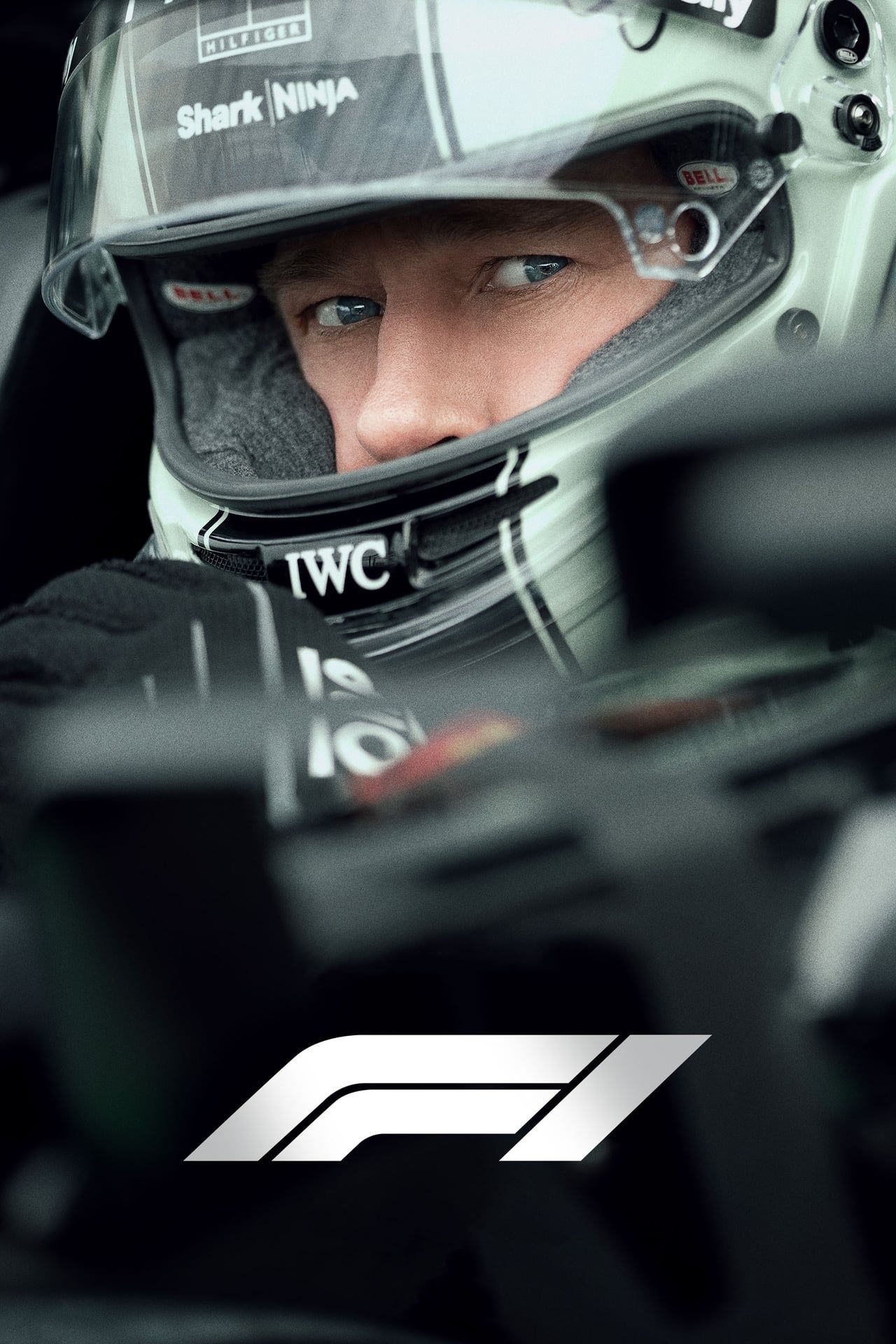
The production team behind the major Hollywood Formula 1 film project, officially titled F1, features heavyweights from both the traditional film industry and the elite motorsport world, most notably legendary Hollywood producer Jerry Bruckheimer alongside racing icon Lewis Hamilton.
Bringing the world of elite motorsport to the silver screen requires a unique convergence of Hollywood blockbuster expertise and authentic racing knowledge. When fans and industry watchers inquire about the creative and financial forces behind the high-profile feature film F1—starring Brad Pitt and directed by Joseph Kosinski—they frequently look toward the principal architect steering the production. Identifying the key producers illuminates how this ambitious project bridges the gap between cinematic storytelling and the uncompromising realities of Grand Prix racing.
The Production Landscape of Modern Motorsport Cinema
Capturing the kinetic energy, split-second decision-making, and high-stakes politics of Formula 1 has historically challenged filmmakers. Prior attempts often relied heavily on soundstages, green screens, and stylized editing that alienated purists of the sport. To achieve a new level of authenticity for F1, the production required a coalition of seasoned studio veterans, technical innovators, and active participants from the Formula 1 paddock.
At the center of this production network is Jerry Bruckheimer, joined by a roster of co-producers and executive producers who leveraged deep industry connections and access to actual Grand Prix weekends. Understanding the division of labor among these producers helps explain how the film secured unprecedented cooperation from the Fédération Internationale de l'Automobile (FIA), Formula 1 management, and all ten competing constructor teams.
Jerry Bruckheimer: The Anchor Producer
Jerry Bruckheimer stands as the primary traditional film producer steering the F1 movie project. With a legendary career spanning decades of high-budget action cinema—including Top Gun: Maverick, Days of Thunder, Bad Boys, and Pirates of the Caribbean—Bruckheimer brings a proven blueprint for mounting large-scale, practical-effects-driven spectacles.
Bruckheimer’s involvement ensures that the narrative structure follows the pacing and high-impact visual standards expected of a global summer blockbuster. His production company, Jerry Bruckheimer Films, spearheaded the logistical feat of mounting cameras inside modified Formula 2 cars—disguised as the fictional "APX GP" team—and deploying them onto actual track layouts during official Formula 1 weekends. This methodology directly mirrors the practical aviation filming techniques utilized by Bruckheimer and director Joseph Kosinski on Top Gun: Maverick.
Key Contributions of Jerry Bruckheimer Films
- Studio Infrastructure: Securing major financing and distribution through Apple Original Films, ensuring a robust budget for cutting-edge camera technology.
- Logistical Execution: Navigating the complex calendar of the FIA Formula One World Championship to film live action without disrupting official team operations.
- Collaborative Direction: Maintaining a close working relationship with director Joseph Kosinski to translate high-speed racing dynamics into compelling cinematic language.
Lewis Hamilton and Dawn Apollo Films: Securing Paddock Authenticity
While Bruckheimer provides the Hollywood engine, seven-time Formula 1 World Champion Lewis Hamilton serves as a vital producer through his production banner, Dawn Apollo Films. Hamilton's inclusion is not merely honorary; he acts as the ultimate quality-control filter for every technical, cultural, and narrative element within the script and on-track sequences.
Hamilton’s production role bridges the gap between cinematic dramatization and the authentic culture of the paddock. Formula 1 features complex internal dynamics, specific driver-engineer relationships, media obligations, and physical demands that outsiders frequently misinterpret. Hamilton ensures that the film avoids the cliches typical of motorsport fiction, advising on everything from driver radio etiquette to the realistic behavior of team principals under pressure.
The Value of Paddock Integration
- Technical Precision: Reviewing racing lines, overtakes, and car setups to ensure they reflect modern aerodynamic and tire-management realities.
- Cultural Accuracy: Guiding the portrayal of driver psychology, rivalries, and the intense media scrutiny unique to the pinnacle of motorsport.
- Access and Endorsements: Facilitating vital relationships with team bosses like Toto Wolff, drivers, and commercial rights holders to secure authentic garages, pit lanes, and team gear.
Key Stakeholders and Production Partners in F1
Mounting a film of this scale requires a multi-layered production structure. Below is a breakdown of the primary entities and individuals driving the project's development, physical production, and distribution.
| Entity / Individual | Primary Role | Key Focus or Contribution |
|---|---|---|
| Jerry Bruckheimer | Lead Producer | Overall studio production, practical action choreography, and financing logistics. |
| Joseph Kosinski | Director / Producer | Visual style, custom 6K camera rigging, and high-speed tracking execution. |
| Lewis Hamilton | Producer (Dawn Apollo Films) | Paddock authenticity, technical accuracy, and motorsport culture oversight. |
| Chad Oman | Producer (Jerry Bruckheimer Films) | Day-to-day physical production management and executive oversight. |
| Apple Original Films | Primary Distributor / Financer | Funding the production and managing global theatrical and streaming rollout. |
Technological Innovation and Production Challenges
A defining characteristic of the production led by Bruckheimer and Kosinski is the engineering feat required to capture Formula 1 speeds. Standard cinema cameras are too heavy and bulky to withstand the extreme lateral G-forces and vibrations experienced inside a racing cockpit.
Working alongside Sony engineering teams, the production custom-developed lightweight, full-frame 6K cameras capable of transmitting real-time footage back to the pit wall. The actors themselves, including Brad Pitt and Damson Idris, underwent rigorous driving instruction in Formula 3 and Formula 2 machinery to pilot the modified cars during practice sessions. This dedication to practical capture minimized reliance on CGI, placing the primary producer's vision squarely in the realm of immersive, tangible action.
Frequently Asked Questions
Is Lewis Hamilton the sole producer of the F1 movie?
No, Lewis Hamilton is a co-producer working alongside lead Hollywood producer Jerry Bruckheimer, director Joseph Kosinski, and producing partner Chad Oman. Hamilton oversees the authenticity and motorsport accuracy of the project through his banner, Dawn Apollo Films.
Which studio is financing and releasing the F1 film?
Apple Original Films serves as the primary financier and studio behind the project. They partnered with Warner Bros. Pictures to handle the global theatrical distribution of the feature film.
Did Brad Pitt actually drive a Formula 1 car for the film?
No. While Brad Pitt and co-star Damson Idris underwent extensive, high-performance driving training in junior formula cars (such as Formula 2 and Formula 3 machinery), they did not drive actual modern Formula 1 cars. They drove specially modified Formula 2 cars outfitted with aerodynamic bodywork to resemble a contemporary F1 chassis.
How did the production film during actual Grand Prix weekends?
The production team built a mobile garage and utilized a fictional eleventh team, APX GP, granting them slots on the track during real Grand Prix weekends. They filmed during practice and formation windows, using specialized remote-controlled camera rigs to capture authentic racing density without interfering with official team competition.
Next Actions and Conclusion
For enthusiasts tracking the trajectory of sports cinema, following the promotional rollout, technical featurettes, and subsequent box office performance of F1 offers a fascinating case study in modern blockbuster engineering. Reviewing official trailers, technical breakdowns from Sony regarding the custom 6K cameras, and interviews with Jerry Bruckheimer and Lewis Hamilton provides deeper context into how this unprecedented hybrid of Hollywood and Grand Prix racing was brought to fruition.