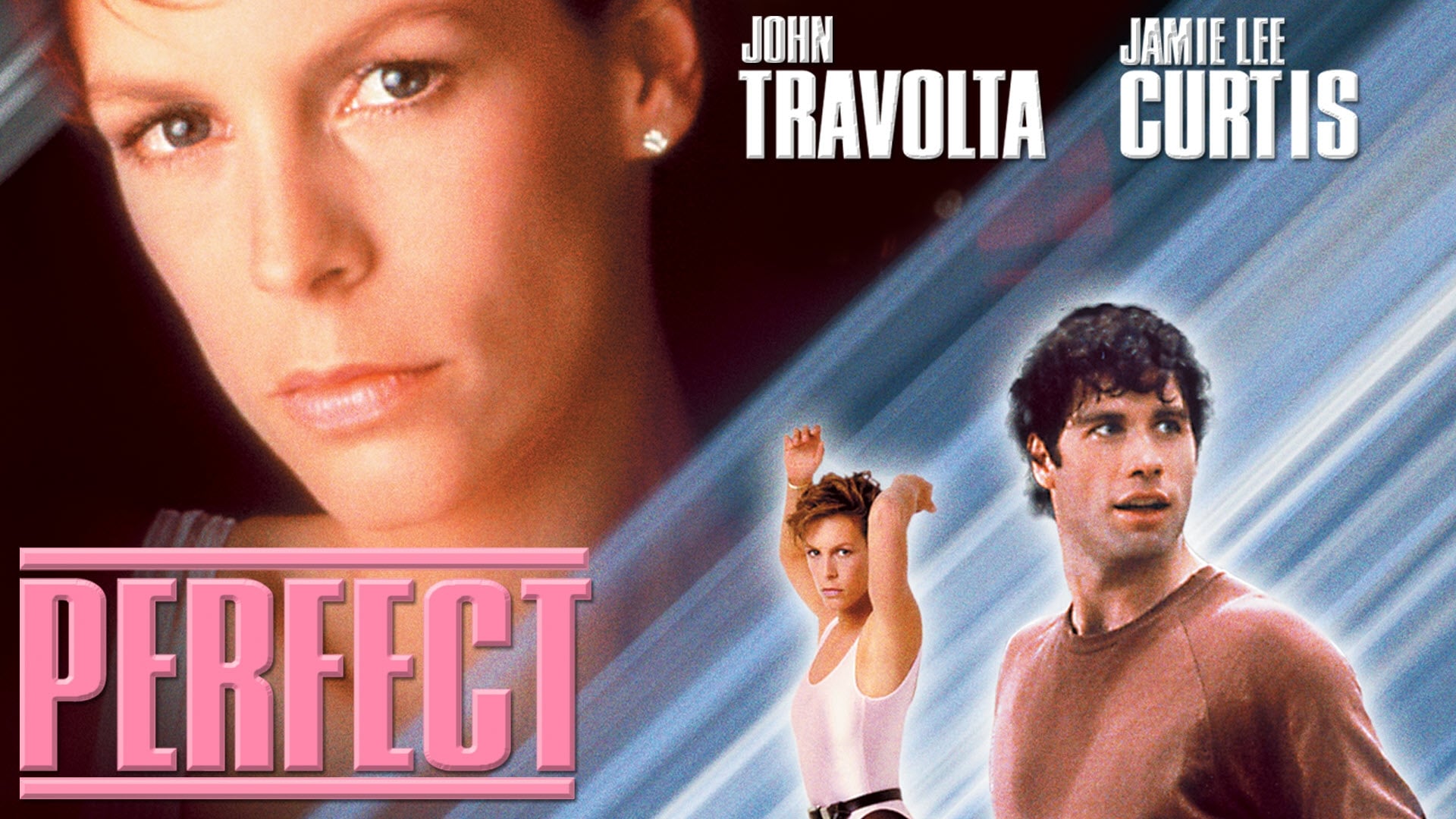
The 1985 film starring Jamie Lee Curtis that captures a unique cultural zeitgeist through fitness-craze journalism and romantic tension is James Bridges' Perfect. Co-starring John Travolta, the movie examines the collision of investigative reporting, the high-energy Southern California health club boom of the mid-1980s, and the ethical compromises of modern media.
When film historians, pop culture enthusiasts, and cinephiles discuss the mid-1980s cinematic landscape, certain blockbusters immediately dominate the conversation. Yet, beneath the high-profile fantasy and sci-fi franchises of that era lies a distinct sub-genre of adult-oriented dramas that mirrored contemporary cultural fascinations. Perfect, released in 1985 by Columbia Pictures, stands out as a fascinating cultural time capsule. Featuring Jamie Lee Curtis in a physical and emotionally demanding lead role opposite John Travolta, the film provides a sharp lens into the intersections of journalism, ethics, and the aerobics-obsessed fitness culture that defined the decade.
The Cultural Landscape of 1985: Fitness, Media, and Modernity
To understand the impact and thematic core of Perfect, one must examine the societal environment of 1985. The mid-1980s represented a peak era for commercial health clubs, aerobics as a mass-market lifestyle, and the glamorous commodification of physical fitness. Long before boutique studios and digital streaming platforms revolutionized wellness, spaces like The Sports Connection in Los Angeles—where major portions of Perfect were filmed—served as social hubs, status symbols, and cultural crucibles.
Concurrently, the print journalism industry was undergoing a rapid transformation. Investigative journalism, personality profiles, and high-circulation lifestyle magazines wielded immense cultural power. Publications like Rolling Stone, where co-writer and real-life journalist Aaron Latham worked, held immense sway over public opinion and pop culture icons. Perfect harnesses these two parallel phenomena—the obsession with the perfect body and the growing ethical ambiguities of glossy magazine publishing—to build its narrative framework.
Plot Overview and Character Dynamics
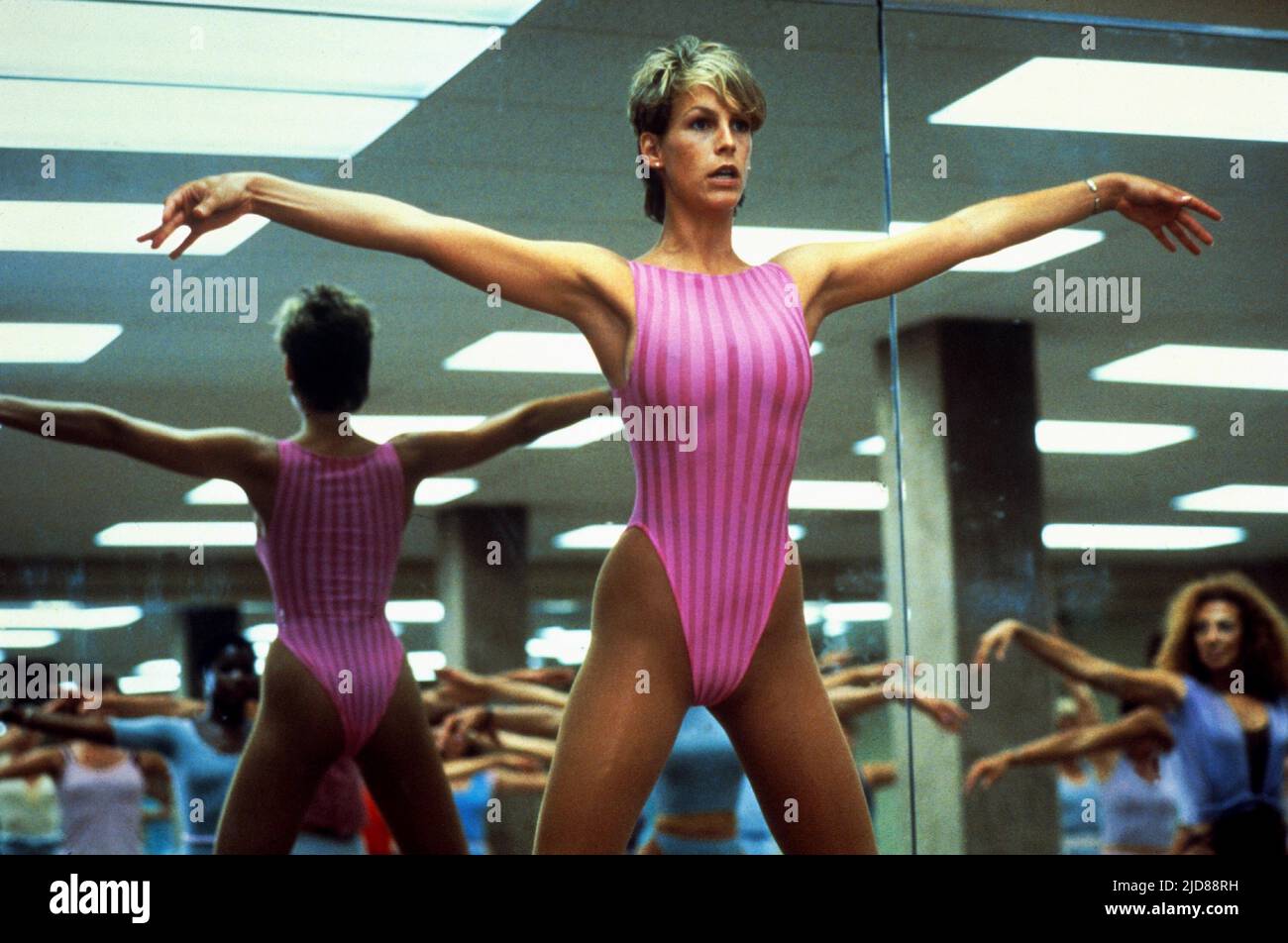
The narrative centers on Adam Lawrence, an ambitious reporter for Rolling Stone magazine played by John Travolta. Facing professional pressure and a potential libel lawsuit, Adam seeks a compelling human-interest story to regain his journalistic footing. He finds his subject in Jessie Clayton, a fiercely independent and talented aerobics instructor played by Jamie Lee Curtis. Jessie runs high-energy classes at The Sports Connection, attracting hundreds of participants eager to sculpt their bodies in the neon-lit studios of Southern California.
Jessie carries deep reservations about the media, largely stemming from a bitter fallout with her former boyfriend, Olympic swimming champion John urbanization (played by Jann Wenner in a cameo). Consequently, when Adam approaches her for an interview about the fitness craze, she initially rebuffs him. To gain her trust, Adam enrolls in her classes, participating in the grueling routines while hiding his true profession and intentions.
As weeks pass, Adam and Jessie develop a complex romantic and intellectual relationship. Adam finds himself torn between his professional obligation to finish a scathing or revealing exposé and his genuine affection for Jessie. Meanwhile, the magazine's editorial board pushes for sensationalism, setting up a dramatic conflict regarding journalistic integrity, personal betrayal, and the exploitation of public figures.
Jamie Lee Curtis as Jessie Clayton: A Defining Performance
While Jamie Lee Curtis had already secured her status as a horror icon through her legendary work in John Carpenter’s Halloween (1978) and subsequent genre films, 1985's Perfect offered her a chance to break away from the "scream queen" archetype. Her portrayal of Jessie Clayton demanded rigorous physical discipline, dramatic vulnerability, and undeniable on-screen charisma.
The Physicality of the Role
To prepare for the role of a top-tier Los Angeles aerobics instructor, Curtis underwent an intense, months-long physical conditioning regimen. The choreography of the aerobics sequences—set to high-tempo synth-pop and electronic beats—required professional-level endurance and coordination. Curtis performed her routines with a precision that matched real-life fitness instructors of the era, establishing authenticity in a film that heavily relied on the visual spectacle of the health club boom.
Emotional Nuance and Agency
Beyond the leotards, legwarmers, and choreographed sweat, Curtis brought psychological depth to Jessie. Unlike standard romantic interest tropes of 1980s cinema, Jessie is fiercely protective of her autonomy. She articulates clear boundaries regarding her body, her professional reputation, and her past. Her eventual confrontation with Adam over his deception remains one of the dramatic highlights of the film, showcasing Curtis’s capacity for righteous indignation and emotional clarity.
Critical Reception and Retrospective Reappraisal
Upon its theatrical release in the summer of 1985, Perfect faced a mixed critical reception and modest box office returns. Mainstream critics at the time often struggled with the film's dual identity: part glossy romance, part media satire. Some reviewers felt the critique of journalism lacked teeth, while others focused heavily on the commercialized aesthetics of the fitness scenes.
However, time often softens initial biases, allowing audiences to view period films through a historical lens. Today, film scholars and retro-cinema enthusiasts appreciate Perfect for what it preserves:
- Authentic 1980s Aesthetic: The film captures the architecture, interior design, fashion, and music of mid-1980s Los Angeles with striking accuracy.
- Media Ethics Preview: The themes of tabloid journalism, invasion of privacy, and editorial sensationalism anticipated modern debates surrounding digital media ethics and influencer culture.
- Star Chemistry: The dynamic between Travolta and Curtis provides consistent screen energy, anchoring the melodramatic plot points in grounded human interactions.
Comparing Perfect with Other 1985 Cinematic Milestones
To contextualize Perfect within its release year, it helps to examine how it stood alongside other notable cultural products of 1985. While audiences flocked to high-concept sci-fi and action adventures, Perfect occupied a distinct niche for adult contemporary drama.
| Feature / Element | Perfect (1985) | Typical 1985 Blockbuster |
|---|---|---|
| Primary Genre | Romantic Drama / Media Satire | Sci-Fi / Action / Adventure |
| Core Setting | Los Angeles health clubs and magazine offices | Fantasy realms, futuristic towns, or suburban backlots |
| Lead Actors | John Travolta, Jamie Lee Curtis | Ensemble or action stars typical of the decade |
| Central Conflict | Journalistic ethics versus personal romance | External physical threats or high-stakes quests |
| Cultural Focus | The aerobics craze and print journalism influence | Technological wonder or escapist fantasy |
Frequently Asked Questions
What inspired the story of the 1985 film Perfect?
The film was directly inspired by a series of articles written by co-screenwriter Aaron Latham for Rolling Stone magazine. Latham investigated the Southern California singles and fitness scene of the early 1980s, documenting how health clubs functioned as modern-day singles bars and social networking centers.
Did Jamie Lee Curtis do her own aerobics routines in the film?
Yes, Jamie Lee Curtis underwent intensive physical training and performed her own complex choreography for the extensive aerobics and dance sequences featured throughout the movie, working closely with professional fitness instructors of the period.
Where was Perfect filmed?
Major portions of the film were shot on location in Southern California, utilizing real health club facilities such as The Sports Connection in Los Angeles, as well as actual office spaces representing the headquarters of Rolling Stone magazine.
Why is Perfect considered a significant time capsule of 1985?
The film captures the exact cultural peak of the commercial aerobics boom, complete with period-accurate fashion, music, and social dynamics. Furthermore, it addresses early concerns about media intrusion and sensationalism that remain relevant today.
Practical Takeaways for Modern Viewers
For contemporary viewers discovering or revisiting Perfect, approaching the film with an understanding of its historical context enhances the viewing experience. Rather than evaluating it as a fast-paced modern thriller, viewers should view it as a deliberate character study and a visual record of 1980s lifestyle culture.
Pay close attention to the background details: the vintage workout equipment, the editorial meetings that rely on physical manuscripts and analog communication, and the synth-driven score. By appreciating these elements, modern audiences can fully understand why this specific 1985 release starring Jamie Lee Curtis remains a unique artifact of American cinema.