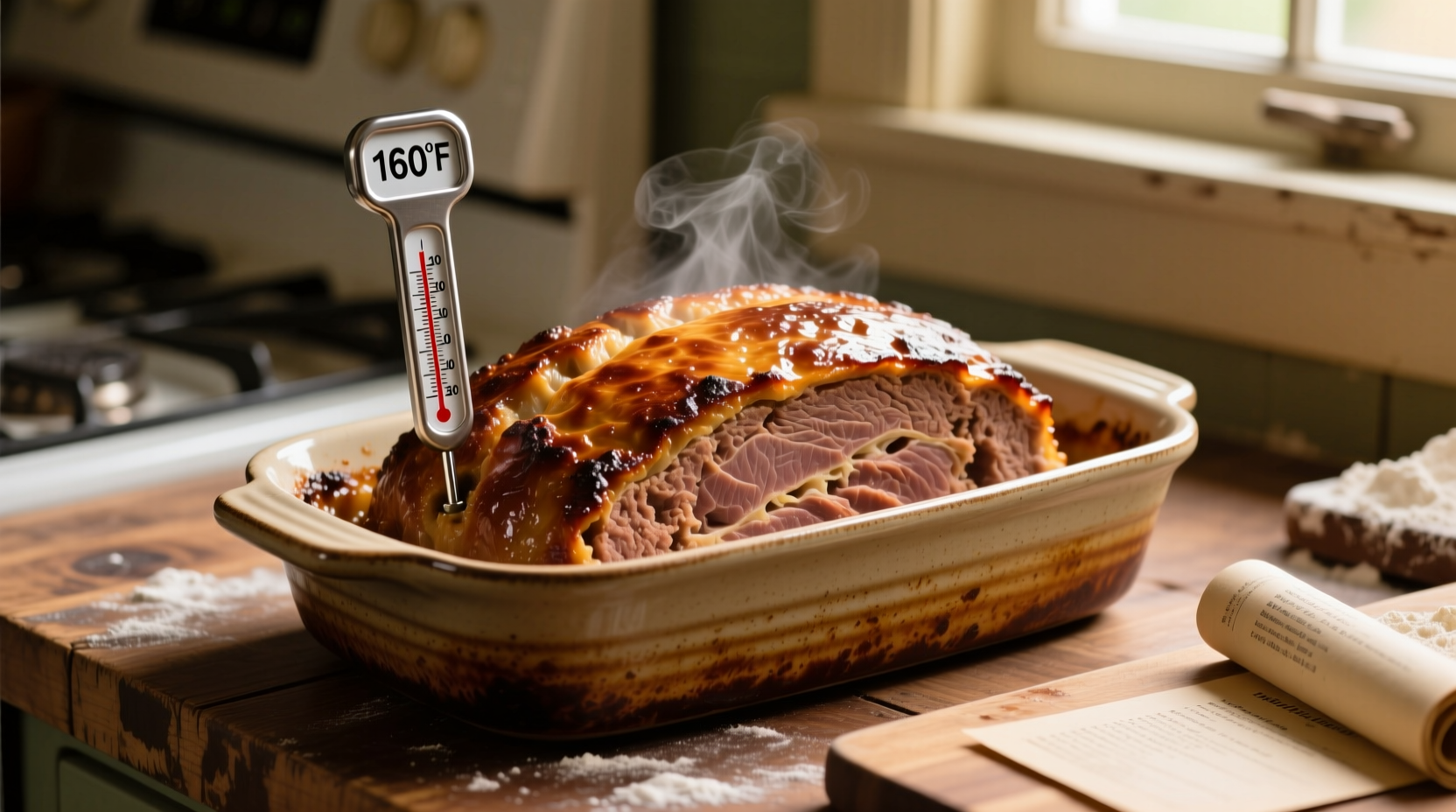
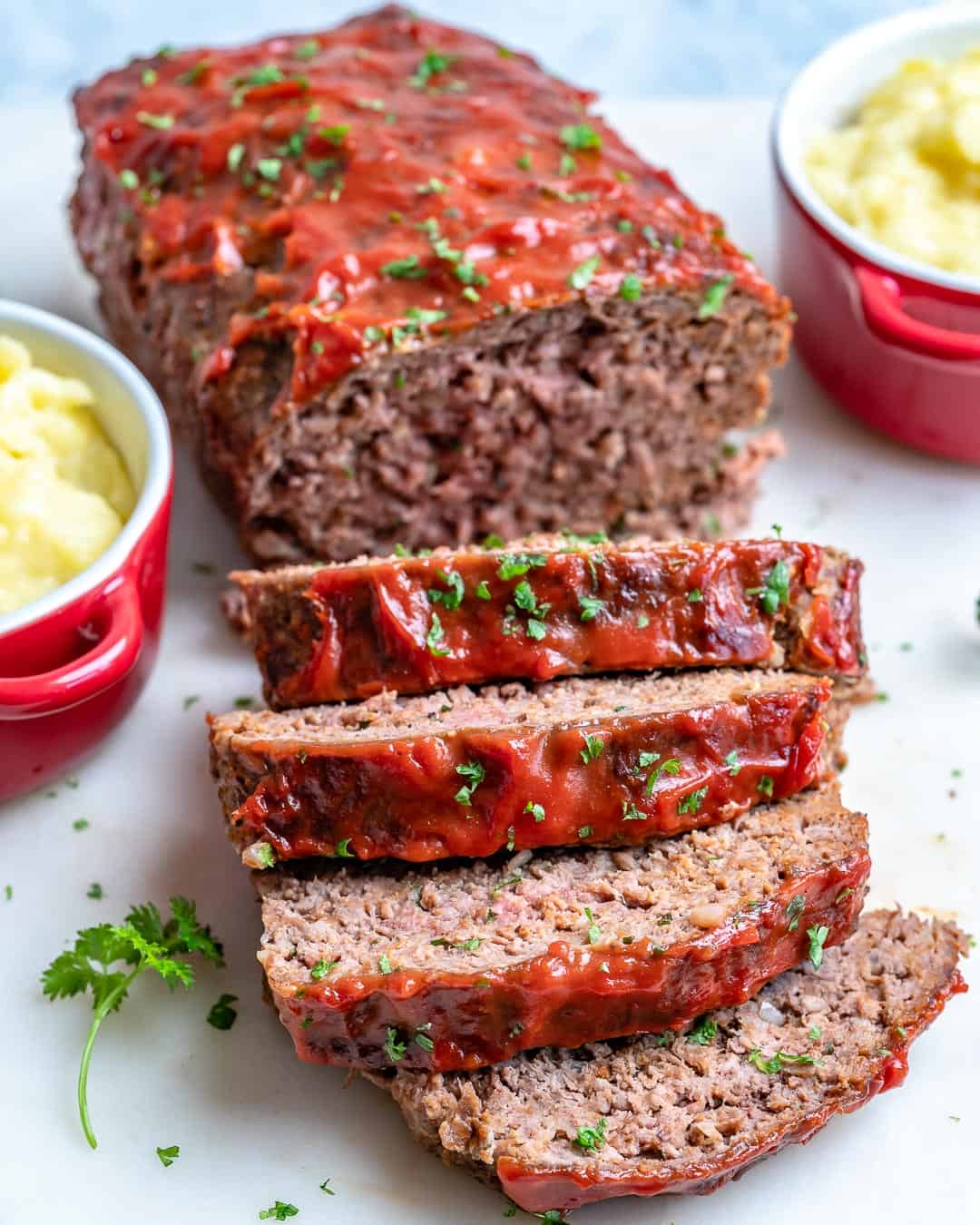
Cooking a 3 lb meatloaf typically requires 1 hour and 30 minutes in a conventional oven preheated to 350°F (175°C). Because meatloaf density can vary based on ingredients and the shape of the pan, the internal temperature must reach 160°F (71°C) to ensure it is cooked thoroughly and safely, as confirmed by a reliable digital meat thermometer.
The Physics of Baking a 3 lb Meatloaf
When preparing a 3 lb meatloaf, you are dealing with a significant mass of ground meat, binders, and moisture-retaining vegetables. Unlike a smaller 1 lb or 2 lb loaf, the center of a 3 lb mass acts as a heat sink. Heat must penetrate the outer layers of the protein through conduction, slowly migrating toward the core.
A standard baking temperature of 350°F is the culinary sweet spot for this volume of food. Higher temperatures, such as 400°F or 425°F, would likely result in the exterior of the meatloaf becoming charred or overly dry before the center reaches the food-safe temperature of 160°F. Conversely, lower temperatures may result in a meatloaf that loses too much moisture over the extended cooking time, potentially leading to a crumbly or mealy texture. At 350°F, the 90-minute window allows the proteins to denature and the fat to render properly without aggressive scorching.
Prerequisites for Consistent Results
To achieve the 1-hour-30-minute benchmark, several factors must be controlled before the loaf even enters the oven. These are not merely suggestions; they are the technical requirements for predictable cooking times.
- Uniformity of Ingredients: Ensure your breadcrumbs, eggs, and finely chopped vegetables are thoroughly incorporated. Pockets of cold or dense ingredients will disrupt the heat flow, leading to uneven cooking.
- Pan Selection: The surface area of your baking vessel dictates the rate of heat transfer. A standard 9x5-inch loaf pan is deep; a 3 lb meatloaf will be quite tall in this container. If you find the loaf does not fit, or if you prefer a greater crust-to-interior ratio, use a shallow, rimmed baking sheet or a larger metal pan. A deeper pan may require an extra 10–15 minutes of cooking time due to the increased thickness of the loaf.
- Preheating: Do not rush the preheat cycle. Opening the oven door to insert the meatloaf before the oven has stabilized at 350°F will cause a significant temperature drop. Ensure your oven has reached the target temperature for at least 15 minutes before baking.
The Critical Role of Temperature Verification
The primary goal in cooking ground beef is reaching the internal temperature required to neutralize pathogens. According to the United States Department of Agriculture (USDA) Food Safety and Inspection Service, ground meat—including beef, pork, and lamb—must be cooked to an internal temperature of 160°F.
Because a 3 lb meatloaf is substantial, you cannot rely on visual cues like "browned edges" or "firmness." You must use a digital probe thermometer. Insert the probe into the thickest part of the meatloaf, which is usually the geometric center. Avoid touching the metal of the pan with the tip of the thermometer, as this will provide a false reading of the pan's temperature rather than the meat's. If, at the 90-minute mark, the center reads 150°F, return it to the oven for 5 to 10 minutes and re-check.
Comparing Cooking Methods and Weights
The following table outlines the expected timing for various meatloaf weights at 350°F. Note that these are estimates based on standard pan dimensions.
| Meatloaf Weight | Estimated Time (350°F) | Critical Internal Temp |
|---|---|---|
| 1 lb | 45–55 minutes | 160°F |
| 2 lb | 60–75 minutes | 160°F |
| 3 lb | 85–95 minutes | 160°F |
| 4 lb | 100–120 minutes | 160°F |
Note: Times are approximate and influenced by pan material (glass vs. metal) and the ratio of fat to lean meat.
Troubleshooting Common Issues
Even with precise timing, you may encounter obstacles that affect the quality of your meatloaf.
1. The "Falling Apart" Problem: If your meatloaf crumbles when sliced, it is likely a deficiency in the binder-to-meat ratio or a failure to let it rest. The binder (eggs and breadcrumbs) acts as the scaffolding. Furthermore, once you remove the meatloaf from the oven, it must rest for at least 10 to 15 minutes. During this resting period, the residual heat redistributes juices back into the fibers of the meat. Cutting too early allows those juices to run out, leaving the loaf dry and structurally unstable.
2. The Soggy Bottom: Fat renders out of the meat during the 90-minute process. If the meatloaf sits in a pool of its own fat, the bottom layer will become sodden. To mitigate this, consider placing the meatloaf on a wire rack inside a baking sheet. This allows for hot air circulation around the entire loaf, including the base, promoting a uniform cook and a crisp crust on all sides.
3. Glaze Burning: Many recipes include a sugar-heavy glaze (ketchup, brown sugar, or barbecue sauce). These sugars have a low smoke point and will burn long before the 90-minute mark. To prevent this, bake the meatloaf uncovered for the first 60 minutes. Apply the glaze during the final 30 minutes of cooking. This provides enough heat for the glaze to caramelize without turning into bitter carbon.
Moisture and Fat Management
A 3 lb meatloaf requires careful moisture management. Ground meat with an 80/20 lean-to-fat ratio is generally recommended. A ratio that is too lean (e.g., 95/5) will result in a dry, dense block, while a ratio with too much fat will cause the loaf to shrink significantly during the 90 minutes of heat exposure.
Vegetables such as onions, carrots, and celery should be finely diced and sautéed before mixing. If added raw, the water released by these vegetables during the baking process will steam the meat from the inside, which can lead to a mushy texture rather than the cohesive, firm bite typical of a classic meatloaf.
Frequently Asked Questions
Does the type of pan affect the cooking time for a 3 lb meatloaf? Yes. Metal pans conduct heat more efficiently than glass or ceramic dishes. If you are using a heavy ceramic loaf dish, you should expect to add 10 to 15 minutes to the total cooking time because the dish itself requires more energy to heat up before the transfer to the meat begins.
Can I cook a 3 lb meatloaf in a convection oven? Yes, but you must adjust the settings. Convection ovens circulate air, which speeds up the cooking process. Lower your temperature to 325°F and check the internal temperature after 70 minutes. Convection cooking usually reduces the time required by approximately 20–25%.
Is it safe to prepare a 3 lb meatloaf in a slow cooker? A slow cooker operates at a much lower temperature and uses a different heat transfer method (moist heat). While you can cook a meatloaf in a slow cooker, it will not yield the same crust-focused texture as an oven. If you choose this method, follow a recipe specifically designed for a slow cooker, as the liquid dynamics are fundamentally different from baking.
Why is my 3 lb meatloaf pink in the middle after 90 minutes? If your thermometer confirms the center is 160°F, the meat is safe. The pink color may be a result of the chemical reaction of nitrites in ingredients or the presence of vegetables. However, if the thermometer reads below 160°F, it is undercooked. Never rely on the color of ground beef to determine doneness.
Should I cover the meatloaf with foil? Covering the meatloaf with foil traps steam, which prevents the top from browning and slows down the cooking process by cooling the surface through evaporation. Only cover the meatloaf if you notice the edges are burning before the center is cooked. Otherwise, bake it uncovered to ensure proper Maillard reaction and texture.
Practical Recommendation
For the most successful outcome, set your oven to 350°F and prepare your 3 lb meatloaf in a metal pan. Start your timer for 90 minutes, but begin monitoring the internal temperature with a digital thermometer at the 75-minute mark to account for variables in oven calibration. Apply any sugar-based glazes only during the final 30 minutes of the bake. Once the internal temperature reaches 160°F, remove the meatloaf from the oven and allow it to rest for at least 15 minutes on a wire rack before slicing.