The opening diamond heist in the 2004 Bollywood action thriller Dhoom is executed through a coordinated motorcycle chase, precise timing, and psychological misdirection, establishing a high-octane formula that blends high-value criminal plotting with modern stunt choreography.
Introduction to the Dhoom Franchise Heist Mechanics
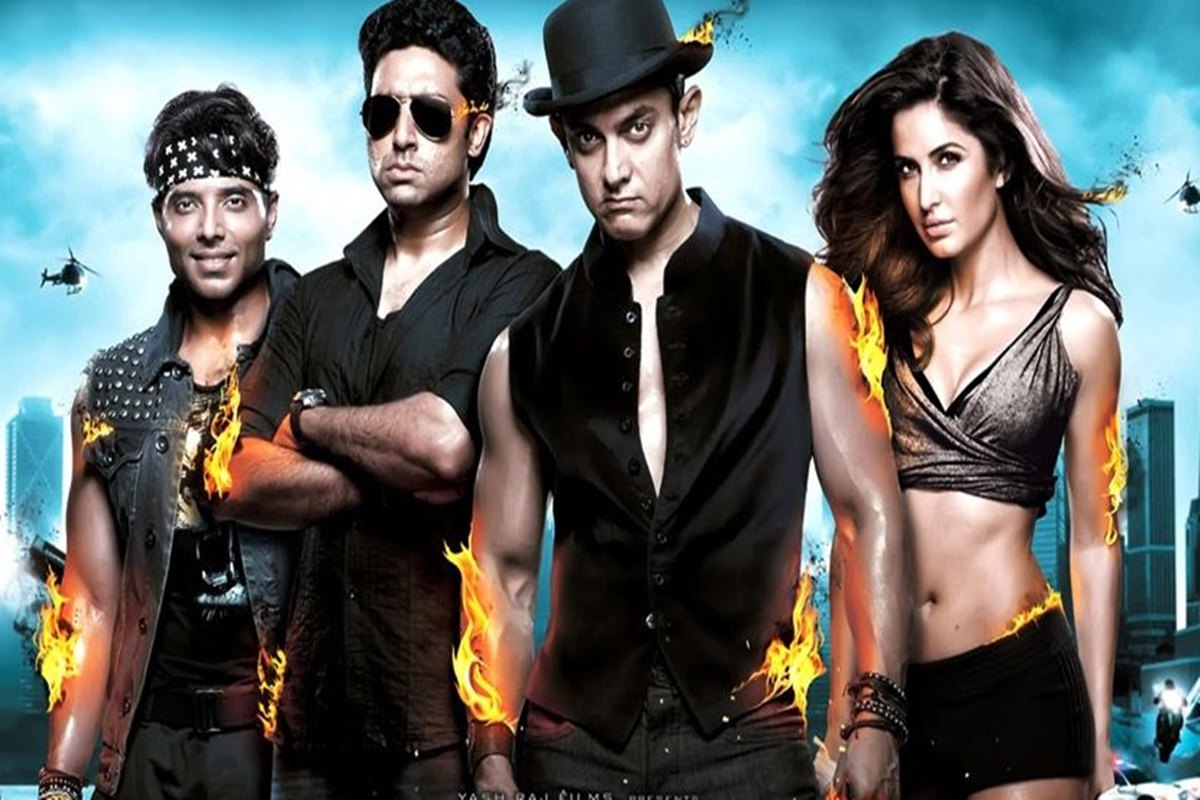
The 2004 film Dhoom, directed by Sanjay Gadhvi and produced by Yash Raj Films, revolutionized the aesthetics of Indian action cinema by centering its narrative around a sophisticated gang of motorcycle-riding thieves. Unlike traditional Bollywood antagonists of previous decades who relied on sprawling underworld syndicates or political corruption, the antagonist Kabir (played by John Abraham) operates as a modern, corporate-style criminal entrepreneur.
The primary sequence that sets the narrative in motion is the high-profile diamond theft in Mumbai. This opening set-piece is not merely a vehicle for spectacle; it serves as a structural blueprint for the film’s cat-and-mouse dynamic between law enforcement and elite criminals. Analyzing this diamond theft requires looking past the cinematic gloss to evaluate the tactical choices, security failures, getaway logistics, and narrative functions that make the sequence a defining moment in modern action cinema.
The Target and Security Environment
To understand the mechanics of the theft, one must examine the nature of the target. High-value diamond exhibitions and transit points require multi-layered physical and digital security. In the context of the film's narrative framework, the targeted diamonds are housed in a secure, upscale urban environment in Mumbai, heavily guarded by private security personnel and local law enforcement details.
However, security systems are inherently vulnerable to human error, timing gaps, and specialized technical disruption. The fictional heist exploits several classic vulnerabilities:
- Transit Vulnerabilities: Moving high-value assets between secure vaults and exhibition spaces creates a temporary window where permanent infrastructure defenses are replaced by mobile protocols.
- Information Asymmetry: The thieves possess detailed blueprints, interior schedules, and knowledge of guard rotation patterns before the operation begins.
- Psychological Element: Urban complacency plays a significant role. High-end metropolitan areas in the early 2000s relied heavily on static checkpoints rather than dynamic, integrated electronic surveillance grids, making swift, aggressive intervention difficult.
Operational Execution: Step-by-Step Breakdown of the Heist
The execution of the diamond theft relies on absolute precision, synchronized timing, and specialized machinery. The gang utilizes high-performance sports motorcycles—specifically customized sportbikes that allow for rapid acceleration, tight urban maneuverability, and stability at high speeds in dense traffic.
| Phase of Operation | Tactical Objective | Execution Method | Potential Vulnerability |
|---|---|---|---|
| Infiltration | Breach perimeter without raising immediate alarms | Rapid entry disguised as legitimate or authorized transit movement | Spotting by non-affiliated civilian witnesses |
| Extraction | Secure the diamonds from the primary custodians | Overpowering physical guards using coordinated close-quarters tactics and intimidation | Armed resistance or structural entrapment |
| Exfiltration | Evacuate the crime scene before police response units arrive | Splitting into multiple high-speed motorcycle paths through congested urban corridors | Traffic bottlenecks, road blocks, or aerial tracking |
| Dispersal | Eliminate tracking capability and blend into the civilian population | Using multi-level highway interchanges, tunnels, and pre-arranged safe houses | CCTV coverage and forensic residue left at the scene |
The precision required for this sequence highlights the core philosophy of the gang: speed as a weapon. By minimizing the time spent inside the target zone, they drastically reduce the window for law enforcement response units to establish a perimeter.
The Role of Technology and Transport
A defining characteristic of the Dhoom series is the integration of motorcycles not just as vehicles, but as tactical extensions of the riders. In 2004, the heavy emphasis on customized, high-cc sportbikes represented a shift in Indian cinema away from standard commuter motorcycles or generic cars used by antagonists.
The choice of transport offers distinct tactical advantages and disadvantages during a high-value theft:
- Advantages: Unmatched lane-splitting capability in congested South Asian traffic; ability to utilize pedestrian walkways, staircases, and narrow alleyways impassable to police cruisers; rapid acceleration profiles that outpace standard patrol vehicles of the era.
- Disadvantages: Total lack of physical ballistic protection for the riders; high vulnerability to coordinated road blocks or spike strips; reliance on clear weather and dry asphalt for maximum traction during high-speed cornering.
Law Enforcement Response and Strategic Failures
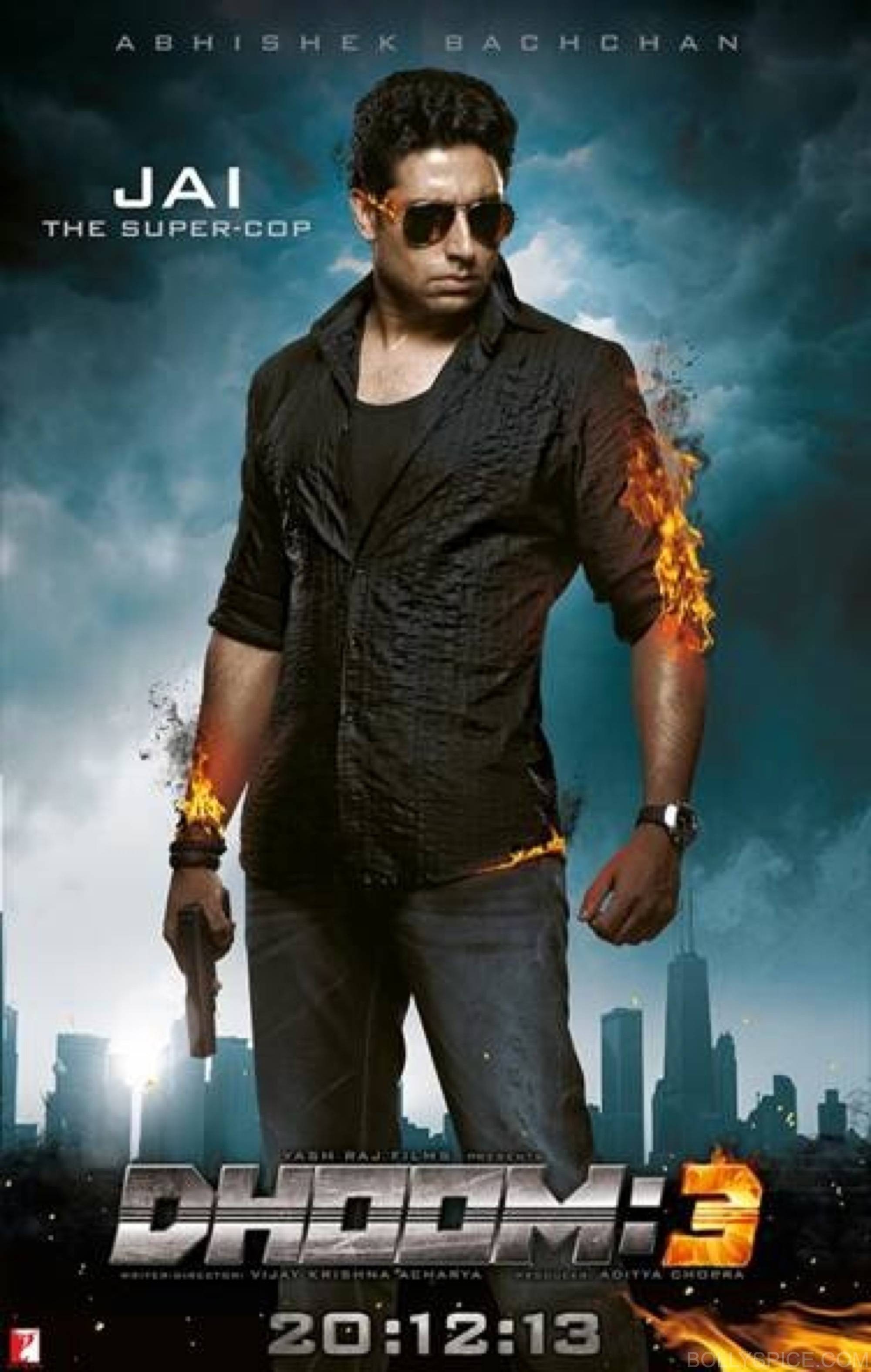
The antagonist's primary foil is ACP Jai Dixit (played by Abhishek Bachchan), a sharp, unorthodox Mumbai police officer willing to bend standard operational procedures to catch elusive criminals. The initial failure of the police force to prevent the diamond theft underscores several systemic issues in urban counter-crime strategies during the early stages of the investigation:
- Reactive Positioning: The police force is structured to respond to crimes in progress or investigate post-facto, whereas the thieves dictate the exact time and location of engagement.
- Mobility Mismatch: Standard police vehicles of the period are ill-equipped to pursue agile, modified sportbikes through tight urban alleyways and dense traffic jams.
- Intelligence Gaps: Prior to the heist, the police lack an understanding of the subculture and operational capabilities of modern motorcycle gangs operating across jurisdictional lines.
Jai Dixit’s eventual strategy pivots from reactive pursuit to behavioral profiling and undercover infiltration—recruiting small-time mechanic and racer Ali Akbar (played by Uday Chopra) to understand the mechanics, psychology, and hardware of the criminal syndicate.
Cinematic Impact and Legacy on Action Choreography
Beyond its narrative role, the diamond theft in Dhoom set a new benchmark for action design in Bollywood. Before 2004, high-speed vehicle chases were often constrained by budget limitations, safety regulations, and a reliance on rear-projection or obvious stunt doubles.
The production utilized international stunt coordinators, professional riders, and advanced camera tracking to capture the kinetic energy of the chase sequences. This established a recurring formula for subsequent installments in the franchise (Dhoom 2 in 2006 and Dhoom 3 in 2013), where each film escalated the scale of the initial heist—moving from diamonds to rare antiquities and high-tech corporate bank vaults, while utilizing increasingly sophisticated transport, from superbikes to watercraft and high-end automobiles.
Frequently Asked Questions
What was the primary objective of the opening heist in Dhoom?
The primary objective was the high-profile theft of a consignment of diamonds in Mumbai, designed to establish the financial dominance, technical competence, and audacity of Kabir’s criminal syndicate while challenging local law enforcement.
Why did the thieves use motorcycles for the diamond theft?
Motorcycles provided superior urban mobility, high-speed acceleration, and the ability to navigate narrow alleys and heavy traffic lanes that standard police vehicles could not traverse during the getaway phase.
How does Jai Dixit attempt to catch the gang after the theft?
Realizing that standard police tactics are ineffective against high-speed motorcycle thieves, ACP Jai Dixit recruits Ali Akbar, an amateur racer with insider knowledge of the local street-racing community, to infiltrate the syndicate and track their movements.
Are the stunts in the Dhoom diamond theft sequence performed with practical effects?
The production relied heavily on practical stunt choreography using professional riders, customized motorcycles, and real-world urban locations in Mumbai, supplemented by cinematic camera work to enhance the perception of speed and danger.
What impact did the Dhoom franchise have on Indian action cinema?
Dhoom popularized a sleek, youth-oriented aesthetic that combined high-end fashion, electronic music, and sophisticated heist plotting, paving the way for a modern sub-genre of slick urban action thrillers in Indian cinema.
Practical Recommendations for Crime Thriller Analysis
When analyzing fictional heists like the diamond theft in Dhoom, viewers and critics should separate cinematic exaggeration from tactical logic. While the physical maneuvers and escape routes are heightened for dramatic tension, the foundational principles—such as exploiting transit vulnerabilities, utilizing asymmetrical transport, and leveraging information gaps—remain standard tropes in both cinematic storytelling and real-world security assessments. For those studying film structure, examining the opening set-piece of Dhoom offers a clear case study in how action choreography can simultaneously serve as exposition, character establishment, and narrative propulsion.