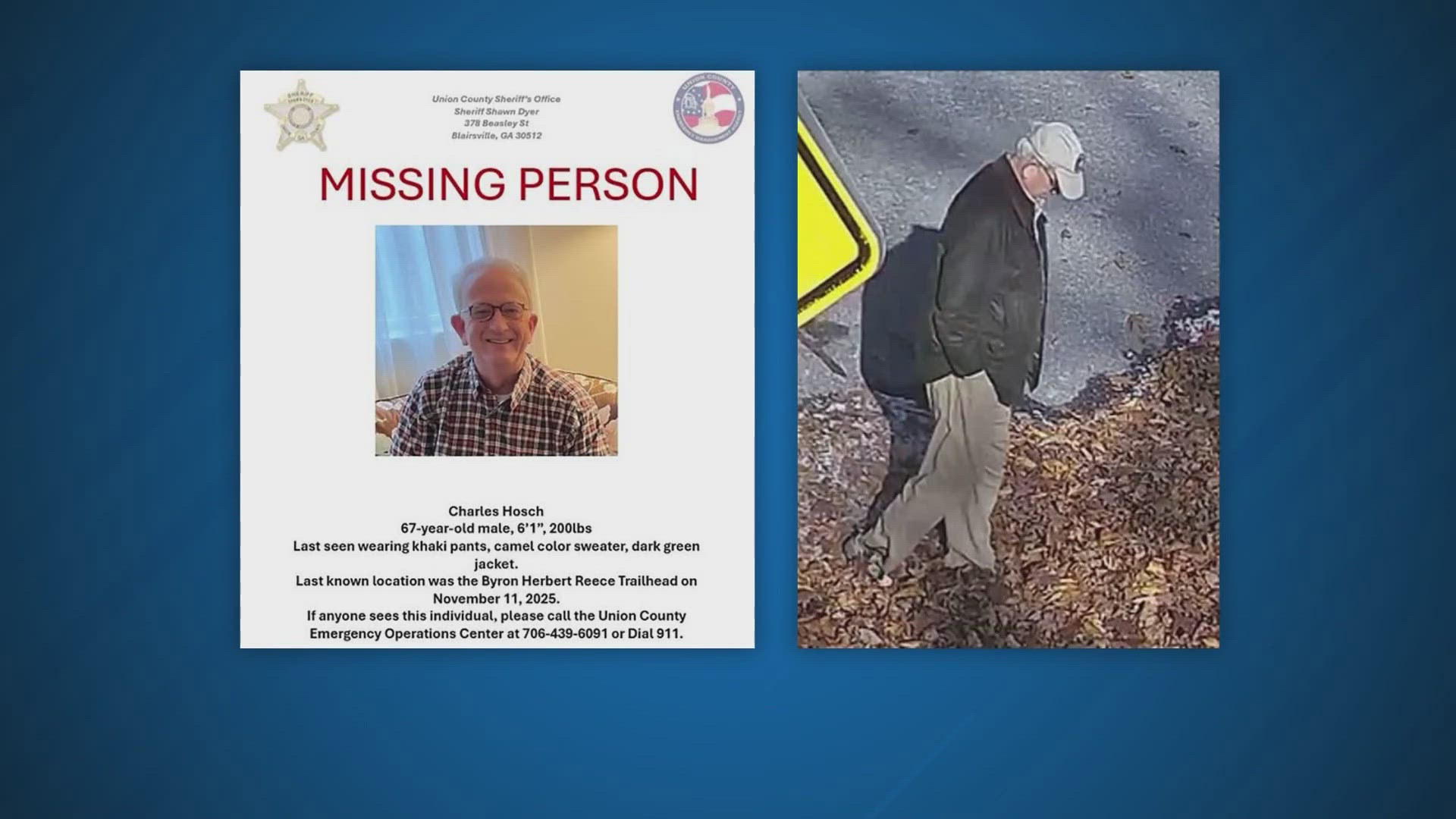
When a professor goes missing, the situation demands an immediate, coordinated response from university administration, local law enforcement, and the academic community to ensure safety and gather critical information. The sudden disappearance of a faculty member triggers complex legal, institutional, and personal processes that must be handled with precision to preserve the integrity of any investigation while supporting those affected.
The response to a missing person case in an academic environment is rarely linear, as it involves balancing the privacy rights of the individual with the public’s need for safety and the university’s duty of care. Whether the disappearance is suspected to be voluntary, the result of a medical emergency, or a potential criminal matter, the initial hours are the most significant for establishing a timeline, securing evidence, and identifying the subject's last known location.
Defining the Scope of a Missing Person Investigation
A "missing professor" case is defined by the sudden absence of a faculty member from their professional and personal obligations. In the context of higher education, this encompasses a failure to appear for scheduled lectures, research obligations, or administrative meetings, accompanied by an inability to reach the individual through standard communication channels.
Institutional policies typically dictate that when a faculty member fails to report for duty without prior notification, the department chair or dean must be alerted. If the absence remains unexplained after a reasonable timeframe—usually 24 hours or sooner if there are indications of danger—the institution must transition from an internal attendance issue to a formal missing person report with law enforcement.
The Institutional Duty of Care
Universities operate under a "duty of care" obligation, which requires them to take reasonable steps to prevent foreseeable harm to students, staff, and faculty. When a professor is confirmed missing, the institution must activate its emergency response team. This team often includes representatives from campus security, human resources, legal counsel, and the university’s communications department.
The primary objective for the university is to determine if the disappearance is linked to the professor’s role—such as research involving sensitive materials, controversial subject matter, or high-security projects—or if it is entirely personal in nature. Regardless of the cause, the institution must maintain a structured information flow, ensuring that law enforcement is provided with all relevant access to campus offices, electronic communication logs, and building security footage.
The Role of Law Enforcement and Jurisdiction
Law enforcement agencies prioritize missing person cases based on the likelihood of foul play or the presence of a "vulnerable person" status, such as someone suffering from a known medical condition or cognitive impairment. In 2026, the digital footprint of a professor, including email server data, badge access logs for campus buildings, and geolocation data from mobile devices, serves as the cornerstone of the investigation.
Jurisdictional cooperation is vital. If a professor disappears during a field research trip or while attending an academic conference, the investigation may cross municipal, state, or even national borders. Universities must facilitate the transfer of information between campus police, who possess institutional context, and external police agencies, who hold the legal authority to conduct searches and issue warrants.
Table 1: Essential Steps in the Initial 48-Hour Response
| Phase | Responsibility | Primary Action |
|---|---|---|
| Verification | Department Chair | Confirm absence from classes and failure to respond to contact attempts. |
| Engagement | Campus Security | Review physical access logs (ID badges) and campus surveillance footage. |
| Notification | University Administration | Notify the missing person’s primary emergency contact on file. |
| Legal/Police | External Law Enforcement | File a formal missing person report and initiate a search warrant if necessary. |
| Data Preservation | IT Department | Secure email archives, cloud drive access, and research data logs. |
| Communication | University Relations | Coordinate official statements to minimize misinformation while respecting privacy. |
Investigating Potential Leads: Beyond the Surface
When a professor goes missing, investigators often look for patterns that might suggest the direction of the individual. These include:
- Academic Pressure or Conflicts: Reviewing recent correspondence for threats, harassment, or severe disputes with colleagues, students, or administrative bodies.
- Research Hazards: Determining if the professor was engaged in high-risk field work or handling hazardous substances that could have led to an accident.
- Personal Circumstances: Examining recent life changes, such as financial distress, personal grievances, or health issues, that may influence a person’s decision to leave their environment.
- Digital Footprint Analysis: Using the "digital twin" of the professor—their online activity, banking history, and navigation apps—to trace their movements.
It is crucial to understand that early speculation can damage an investigation. Spreading rumors via social media or within the faculty lounge can lead to the contamination of witness memories and the pursuit of false leads. Information should be funneled exclusively to the designated police point of contact.
The Legal Framework of Privacy vs. Disclosure
The Family Educational Rights and Privacy Act (FERPA) and various state-level privacy laws, such as the California Consumer Privacy Act (CCPA) or similar regulations globally, govern what information a university can release. Even when a professor is missing, they retain certain rights to their medical and private records.
University legal teams must navigate these constraints carefully. While the public may demand to know if a professor has been seen, disclosing medical conditions or private behavioral data without consent is generally prohibited unless it is deemed necessary to prevent a threat to public safety or if a search warrant mandates the disclosure of such information to law enforcement.
Supporting the Academic Community
The disappearance of a faculty member creates a vacuum that affects students, research teams, and colleagues. Students in the professor’s courses may face academic disruption, while research teams may find their projects stalled due to a lack of access to credentials or lab protocols.
Universities should provide counseling and psychological support services for those directly impacted. Transparency regarding the academic continuity plan—such as who will take over the professor's teaching duties—is essential to maintain institutional stability while the investigation remains ongoing. Providing a clear, compassionate, and factual updates help minimize panic and prevent the spread of inaccurate theories.
When a Missing Person is Recovered or Identified
The resolution of a missing person case often brings a complex set of outcomes. If the professor is found safe, the focus shifts to their return, reintegration, or potential resignation, depending on the circumstances of their departure. If the outcome is tragic, the university must transition to bereavement protocols, including memorializing the faculty member and assisting the family with legal and administrative matters related to the professor's estate and university benefits.
It is rare for an investigation to result in an immediate answer. Most cases require a process of elimination, which involves scouring hours of video, interviewing dozens of associates, and analyzing forensic data. The persistence of the investigation is a testament to the university's commitment to its faculty and the rule of law.
Frequently Asked Questions
1. Who should be notified first when a professor is suspected of being missing? Immediately notify the Department Chair or the university’s Dean of Faculty. If you are a student or a colleague and believe there is an immediate threat to their safety, contact campus security or local emergency services (911) directly. Do not wait for administrative confirmation if there is an urgent, visible, or credible reason to fear for their life.
2. Can the university share the professor’s private information with family? In cases of missing persons, universities often operate under "emergency exception" clauses in privacy laws. However, this is decided on a case-by-case basis by university counsel. They prioritize providing relevant, life-safety information to the authorities or documented emergency contacts while adhering to federal and state privacy statutes.
3. Should students be informed that a professor is missing? Communication should be managed by the university’s public relations department. Vague or alarmist emails should be avoided. Once a formal investigation is underway, the university will usually issue a brief, factual statement to the affected students to explain the sudden absence and provide information regarding course continuity, without violating the professor's privacy or compromising the police investigation.
4. How does law enforcement track a missing professor through technology? Police utilize subpoenas to access mobile phone pings from cell towers, GPS data from wearable technology, and digital footprint analysis from banking institutions. If the professor uses a university-managed laptop or email, IT departments can assist with system logs, provided the police present the proper legal documentation for such an access request.
5. What should I do if I am a student and have information about the professor’s whereabouts? Do not attempt to conduct an investigation yourself. Report any relevant information, such as unusual behavior, last seen locations, or correspondence, directly to the primary law enforcement agency handling the case. Provide your information to the assigned detective or the university’s dedicated emergency tip line.
Final Recommendation for Action
If you are a faculty member, administrator, or student in a situation where a professor is missing, your priority must be the preservation of evidence and the activation of institutional support. Do not delete emails, destroy files, or alter the professor’s office space, as these areas are potential crime scenes. Report the disappearance through official channels immediately and defer all public comments to the university’s official spokespeople to prevent the spread of misinformation that could hinder the investigation.