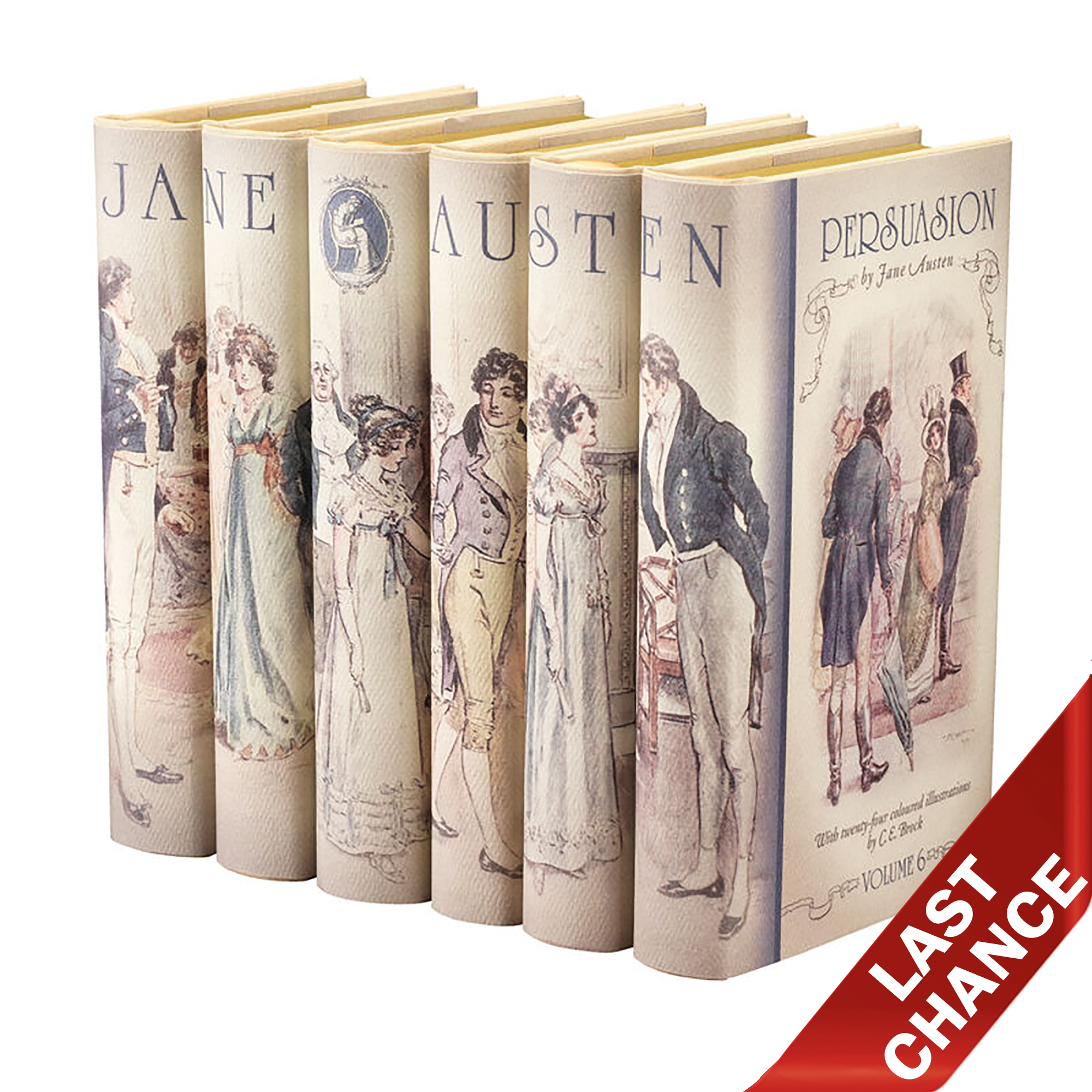
Jane Austen’s published bibliography consists of six major completed novels, supplemented by several unfinished manuscripts, early experiments, and a collection of letters. Recognized today as one of the most influential novelists in the English language, Austen’s work focuses on the social mores, marriage markets, and economic realities of the British landed gentry during the Regency era. Understanding her complete body of work requires distinguishing between the novels published during her lifetime, those released posthumously, and the various juvenilia that offer insight into her developing style.
The Six Major Completed Novels
The core of Jane Austen’s literary legacy is comprised of six finished novels. These works were published either under her name or under the pseudonym "A Lady." They are categorized by their maturity, thematic depth, and the evolution of Austen’s prose style from satirical wit to a more refined, interior psychological exploration.
Sense and Sensibility (1811)
Published as the first of her major works, Sense and Sensibility follows the Dashwood sisters, Elinor and Marianne. The novel explores the tension between rational judgment (represented by Elinor) and emotional intensity (represented by Marianne). It was the first book to establish the quintessential "Austen" focus: how women navigate limited inheritance laws and the necessity of marrying well to secure their social and economic standing.
Pride and Prejudice (1813)
Originally titled First Impressions, Pride and Prejudice remains Austen’s most widely recognized work. It details the turbulent relationship between Elizabeth Bennet, the daughter of a country gentleman, and Fitzwilliam Darcy, a wealthy aristocratic landowner. The novel is a masterclass in social commentary, utilizing irony to critique the rigid class structures and the pressure on women to secure marriage proposals as a means of survival.
Mansfield Park (1814)
Mansfield Park presents a more somber tone than its predecessors. The protagonist, Fanny Price, is a quiet, moral, and often overlooked character living with her wealthy relatives. Unlike the spirited heroines of other Austen novels, Fanny’s journey is one of endurance and unwavering adherence to moral principles. Critics often point to Mansfield Park as the most complex of her works regarding the ethics of the British gentry and the influence of colonial wealth.
Emma (1815)
Emma is frequently cited as Austen’s most technically accomplished novel. Centered on the "handsome, clever, and rich" Emma Woodhouse, the narrative explores the dangers of social meddling. Emma’s habit of interfering in the romantic lives of her neighbors creates a series of misunderstandings that force her to confront her own vanity and misjudgments. It is a brilliant example of the "free indirect discourse" technique that Austen pioneered.
Northanger Abbey (1818)
Though written earlier in her career, Northanger Abbey was published posthumously. It serves as a parody of the Gothic novels popular at the time. The protagonist, Catherine Morland, is a naive young woman who learns to distinguish between the artificial horrors of fiction and the realities of human nature. It is lighthearted and self-referential, providing a glimpse into the literary culture of the period.
Persuasion (1818)
The final novel completed by Austen before her death, Persuasion was published posthumously. It features a more mature heroine, Anne Elliot, who encounters a former lover, Captain Wentworth, eight years after she was persuaded to break their engagement. Persuasion is noted for its deep emotional resonance, introspection, and a more somber, reflective atmosphere compared to the vivacity of her earlier books.
Chronology and Publication History
Distinguishing between the order in which the books were written and the order in which they were published is essential for scholars and readers alike. Austen often revisited her manuscripts over many years, meaning the date of initial composition often predates publication by a decade or more.
| Title | Year Written (Drafted) | Year Published |
|---|---|---|
| Sense and Sensibility | c. 1795–1797 | 1811 |
| Pride and Prejudice | c. 1796–1797 | 1813 |
| Mansfield Park | 1811–1813 | 1814 |
| Emma | 1814–1815 | 1815 |
| Northanger Abbey | 1798–1799 | 1818 |
| Persuasion | 1815–1816 | 1818 |
Unfinished Works and Juvenilia
Beyond the six major novels, Jane Austen’s literary archive includes several unfinished pieces and early drafts that were published long after her death. These fragments are invaluable for understanding her creative process.
Sanditon
Sanditon was left unfinished at the time of Austen’s death in 1817. The manuscript covers only about 24,000 words. Set in a developing seaside resort town, it showcases a departure from the rural country estates of her earlier work, focusing instead on the burgeoning world of commerce, health fads, and social ambition.
The Watsons
The Watsons is another incomplete novel. While the exact date of composition is debated, scholars believe it was written around 1803–1804. It centers on a young woman returning to her family home after being raised by a wealthy aunt. It provides a fascinating look at how Austen framed her stories around the precarious financial situations of genteel families.
Lady Susan
Lady Susan is a short epistolary novel—a story told through an exchange of letters. Unlike her other heroines, the titular character is a manipulative and calculating widow. It is often regarded as a sophisticated experiment in characterization, demonstrating that Austen was capable of writing darker, more cynical narratives than the "marriage plot" novels for which she is famous.
Juvenilia
Austen’s Juvenilia—written between 1787 and 1793—consists of three notebooks containing stories, plays, and sketches. These early works, such as Love and Freindship (intentionally misspelled by the young author) and The History of England, display a surprising amount of subversion and humor. They serve as a clear indicator that Austen’s satirical eye was sharp even in her early teens.
The Role of Epistolary Format and Technique
A hallmark of Austen’s writing, particularly in her earlier experiments like Lady Susan, is the epistolary format. This technique allows for multiple perspectives and creates a layered narrative where the reader must judge the reliability of the narrator.
As she progressed, Austen transitioned into the third-person limited perspective. She became a master of "free indirect discourse," a style that blends the narrator’s voice with the character’s internal thoughts. This allows the reader to experience the protagonist's consciousness without the constant presence of a traditional, omniscient storyteller. By reading her books in chronological order, one can observe this transition from the overt humor of her youth to the psychological depth found in Persuasion.
Common Reader Questions
Should I read Jane Austen’s books in a specific order?
While the books are not a connected series, reading them in order of publication is highly recommended. Starting with Sense and Sensibility or Pride and Prejudice introduces you to her signature style. Saving Persuasion for later allows you to appreciate the evolution of her voice, as it is widely considered her most mature and emotionally complex work.
Which Jane Austen book is considered the best for beginners?
Pride and Prejudice is widely regarded as the most accessible starting point. Its wit, clearly defined characters, and iconic romantic arc have made it a classic for generations. However, if you prefer a sharper, more ironic tone, Northanger Abbey is a shorter and lighter introduction.
Are the unfinished works worth reading?
Yes, especially if you are interested in Austen's development as an author. Sanditon is particularly engaging because it shows her expanding her social commentary to include the changing economy of 19th-century Britain. While incomplete, they provide a deeper context to her completed masterpieces.
Did Jane Austen publish all her books under her own name?
No. During her lifetime, her books were published anonymously. Sense and Sensibility was credited to "A Lady." It was only after her death that her brother, Henry Austen, revealed her identity in a biographical notice included in the first edition of Northanger Abbey and Persuasion.
Where can I find original manuscripts or accurate editions?
The Jane Austen Society of North America (JASNA) provides extensive resources on reliable editions. Many of her works are now in the public domain and can be found in academic libraries or as digital editions. When purchasing a copy, look for editions that include introductions from literary historians, as these offer helpful footnotes explaining historical terms and cultural references that might otherwise be confusing to modern readers.
Recommendation for Readers
If you are beginning your exploration of Jane Austen, start with Pride and Prejudice to establish your baseline for her wit and thematic concerns. Once you have finished the six primary novels, move toward Lady Susan to experience her epistolary skill, and finally delve into Sanditon to appreciate the directions her writing might have taken had she lived longer. To fully grasp the nuances of the Regency period, consider pairing your reading with a historical biography of the era, which will provide necessary context regarding the legal and social constraints on women during that time.