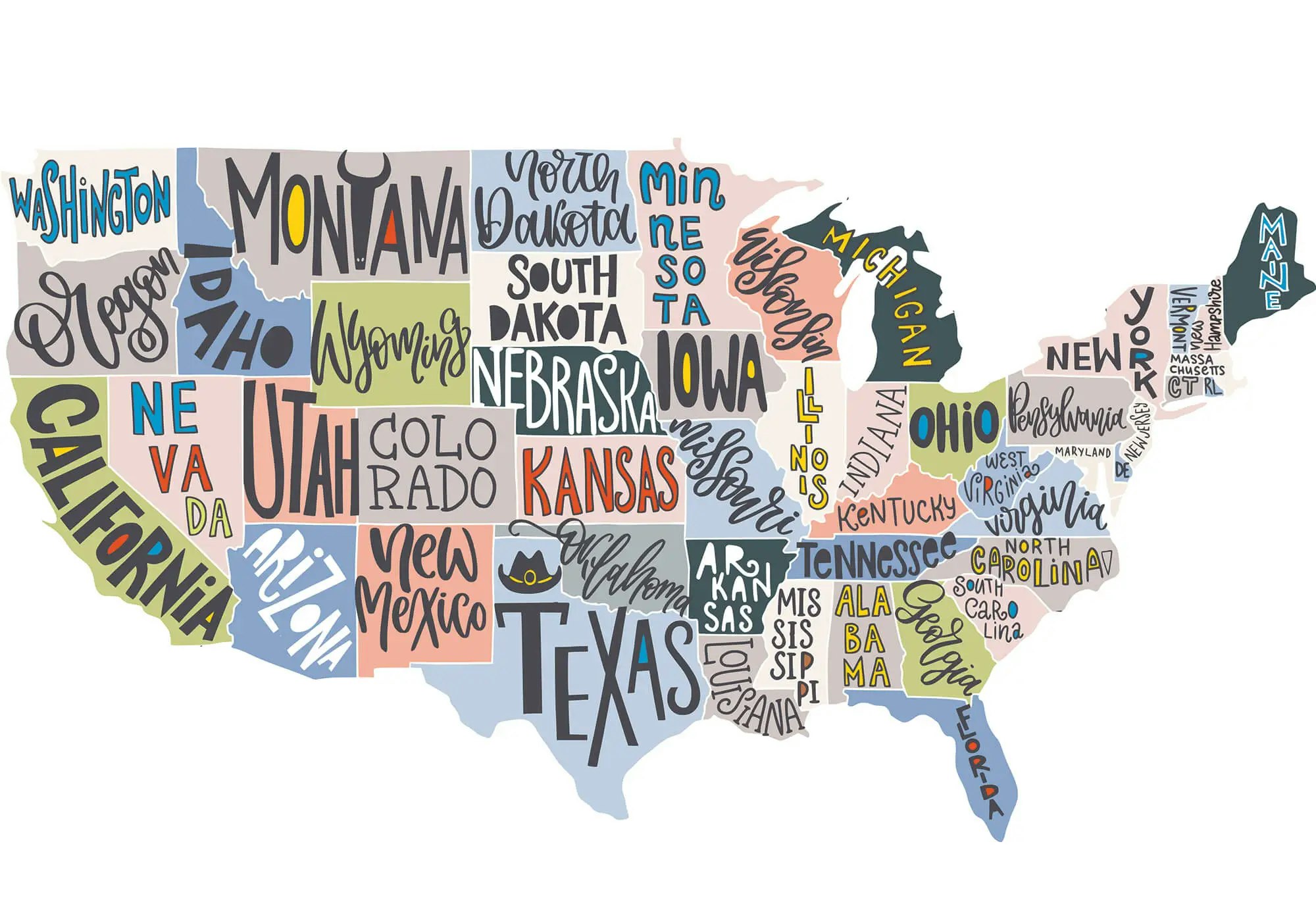
In many U.S. states, undocumented employees are eligible for workers' compensation benefits despite their immigration status. State courts and legislatures often define "employee" broadly to include any person in the service of an employer under a contract of hire, ensuring that workplace safety standards and insurance protections apply to all workers to prevent the exploitation of unauthorized labor.
The question of whether "illegal" or undocumented employees are covered under workers' compensation is a complex intersection of federal immigration law and state labor statutes. While federal law, specifically the Immigration Reform and Control Act (IRCA) of 1986, prohibits the hiring of unauthorized workers, it does not generally preempt state laws that provide insurance benefits to those injured on the job. As of 2026, the prevailing legal landscape across most of the United States favors providing at least some level of benefits to injured workers, regardless of their legal right to work in the country.
The Legal Definition of an Employee
To understand why undocumented workers are often covered, one must look at how state statutes define an "employee." In the vast majority of jurisdictions, the definition is intentionally broad. For example, many states define an employee as "every person in the service of another under any contract of hire, express or implied, oral or written."
Legislators and courts have historically argued that excluding undocumented workers from this definition would create a perverse incentive for unscrupulous employers. If an employer did not have to provide workers' compensation for undocumented staff, they might intentionally hire unauthorized workers to save on insurance premiums and avoid liability for workplace injuries. By mandating coverage, states ensure a level playing field for all businesses and uphold basic humanitarian standards for workplace safety.
The Impact of the Immigration Reform and Control Act (IRCA)
The IRCA makes it illegal for employers to knowingly hire undocumented immigrants and requires them to verify the identity and employment eligibility of all employees. Some employers have attempted to use this federal law as a defense against workers' compensation claims, arguing that because the employment contract was "illegal" from the start, the worker is not entitled to state-mandated benefits.
However, state supreme courts in jurisdictions like Pennsylvania, Michigan, and California have largely rejected this argument. The general consensus is that the IRCA’s goal is to deter illegal immigration by penalizing employers, not to provide a "get out of jail free" card to employers whose workers are injured due to unsafe conditions.
State-by-State Variations in Coverage
While many states provide full or partial benefits, the extent of that coverage varies significantly. It is crucial to distinguish between medical benefits (doctors' visits, surgery, rehabilitation) and indemnity benefits (wage replacement or permanent disability payments).
States with Explicit Protections
In states like California, New York, and Illinois, the law is very clear. California Labor Code Section 1171.5 explicitly states that all protections, rights, and remedies available under state law, except any reinstatement remedy prohibited by federal law, are available to all individuals regardless of immigration status. These states view workers' compensation as a matter of public health and safety that transcends federal immigration policy.
States with Limitations
Some states grant medical benefits but limit "lost wage" payments. The reasoning is that if a worker is not legally allowed to work in the U.S., they cannot technically claim they are losing "legal" wages. In these jurisdictions, an injured undocumented worker might have their hospital bills paid, but they may struggle to receive the weekly checks that legal residents receive while recovering.
States with Restrictive Policies
A small number of states have historically been more restrictive. For instance, in Wyoming, the definition of "employee" has been interpreted in ways that make it more difficult for undocumented workers to claim benefits. Even in these states, however, the legal tide continues to shift as courts grapple with the reality of an integrated labor force.
| State | Coverage Status (2026) | Primary Legal Basis | Notable Limitations |
|---|---|---|---|
| California | Full Coverage | Labor Code § 1171.5 | Generally no vocational rehabilitation if work authorization is missing. |
| Texas | Generally Covered | Case Law (Sanchez v. Alberto) | Employers can opt out of workers' comp entirely (non-subscribers). |
| Florida | Covered | Florida Statute § 440.02(15)(a) | Fraud provisions can be used against workers using false documents. |
| New York | Full Coverage | Workers' Comp Law § 2 | Broadest interpretations of "employee" in the country. |
| Arizona | Covered | A.R.S. § 23-901 | Explicitly includes "aliens" in the definition of employee. |
| Pennsylvania | Covered | Case Law (The Reinforced Earth Co. v. WCAB) | Benefits may be suspended if the worker is unable to return to any job due to status. |
The Role of "Fraud" in Workers' Compensation Claims
One of the most significant hurdles for undocumented workers in 2026 remains the issue of documentation used at the time of hire. If a worker provided a false Social Security number or fraudulent ID to obtain the job, some insurance carriers may deny the claim based on "insurance fraud."
However, many state courts have ruled that the fraud must be related to the injury or the claim process itself to disqualify the worker. If a worker lied about their identity to get the job but is honest about their injury and medical history, they may still be eligible for benefits. In Florida, for example, the courts have been particularly strict, often denying benefits if any false information was used during the employment process, though this remains a hotly litigated area of law.
Benefits Available to Undocumented Workers
When a claim is successful, undocumented workers are generally entitled to the same categories of benefits as any other employee. These include:
- Medical Treatment: This is the most common benefit awarded. It covers all necessary medical care related to the work injury, including emergency room visits, specialist consultations, surgeries, and physical therapy.
- Temporary Total Disability (TTD): These are payments made while the worker is recovering and unable to work. As noted, some states limit these payments if the worker cannot prove they were legally earning the wages they lost.
- Permanent Partial Disability (PPD): If the injury results in a permanent impairment (such as the loss of use of a limb or a chronic back condition), the worker may receive a lump sum or ongoing payments based on the severity of the disability.
- Death Benefits: If a workplace accident results in a fatality, the worker’s dependents (spouse or children) may be eligible for funeral expenses and ongoing financial support, often regardless of whether the survivors reside in the U.S. or abroad.
Why States Choose to Cover Undocumented Employees
The decision to cover undocumented workers is rarely based on political preference alone; it is a pragmatic economic and social choice.
Preventing a "Race to the Bottom"
If undocumented workers were excluded from workers' compensation, they would become "cheaper" to employ than legal residents. Employers would have a financial motive to hire the undocumented and ignore safety protocols, knowing that a catastrophic injury would not result in an insurance claim or a lawsuit. This would eventually drive down wages and safety standards for all American workers.
Protecting the Public Health System
When an uninsured worker is injured on the job and has no access to workers' compensation, the cost of their care does not disappear. Instead, it is shifted to the public through emergency room visits and taxpayer-funded "charity care." Workers' compensation ensures that the industry responsible for the injury pays for the medical costs, rather than the general public.
Tort Immunity for Employers
Workers' compensation is often referred to as the "Grand Bargain." Employees give up the right to sue their employers for negligence in exchange for guaranteed medical and wage benefits. If undocumented workers were excluded from the workers' comp system, they would retain the right to sue their employers in civil court for millions of dollars in damages. Most employers prefer the predictable costs of insurance premiums over the risk of a massive personal injury lawsuit.
Risks and Challenges for the Worker
Despite the legal right to benefits in many states, undocumented workers face unique challenges. The most significant is the fear of deportation. In 2026, while labor laws may protect the right to medical care, they cannot provide absolute immunity from federal immigration enforcement.
Fear of Retaliation
It is illegal for an employer to fire or threaten an employee for filing a workers' compensation claim. This is known as "retaliatory discharge." However, for an undocumented worker, a threat to "call ICE" or report their status to the authorities is a powerful deterrent. Many states have established protections that prevent immigration status from being disclosed during a workers' compensation hearing unless it is directly relevant to a specific legal issue (like the ability to perform vocational rehabilitation).
Vocational Rehabilitation Limits
One area where undocumented workers are frequently denied benefits is vocational rehabilitation. This benefit is designed to retrain an injured worker for a new career if they can no longer perform their old job. Because retraining for a "new" job in the U.S. implies future illegal employment, many states rule that undocumented workers are ineligible for these specific services.
Filing a Claim: Recommended Steps
If an undocumented worker is injured on the job in 2026, the following steps are generally recommended to preserve their rights:
- Report the Injury Immediately: Notify a supervisor or manager as soon as the accident occurs. Delays in reporting are a primary reason for claim denials.
- Seek Medical Attention: Go to a doctor or emergency room. Be honest about how the injury happened, as medical records are key evidence in a claim.
- Consult a Workers' Compensation Attorney: Because of the complexities regarding immigration status, it is vital to speak with a lawyer who understands the specific "case law" in that state. Most workers' comp attorneys work on a contingency fee basis, meaning they only get paid if the worker wins the case.
- Do Not Provide False Information on Claim Forms: While a worker may have used a different name to get the job, lying on official workers' compensation forms after the injury can lead to felony fraud charges.
Frequently Asked Questions
Can an undocumented worker be deported for filing a claim?
Filing a workers' compensation claim is a civil matter, not a criminal one. While the act of filing does not automatically trigger an immigration investigation, the worker’s status may become known if the employer or insurance company decides to act maliciously. Many states have laws prohibiting employers from using immigration status as a retaliatory tool.
Is the employer required to pay for the medical bills if the worker is "illegal"?
In states that include undocumented workers in their definition of "employee," the employer's insurance carrier is legally obligated to pay for all reasonable and necessary medical treatment related to the workplace injury, regardless of the worker's legal status.
What happens if the employer does not have insurance?
If an employer is "uninsured," most states have a "Uninsured Employers Fund" (UEF) that steps in to pay for the worker's benefits. The state then pursues the employer for reimbursement and may hit them with significant fines or criminal penalties for failing to carry mandatory insurance.
Can a worker receive benefits if they return to their home country?
Yes. In many jurisdictions, once a claim is established, the worker can continue to receive medical care and disability payments even if they leave the United States. Many insurance companies prefer to "settle" these cases with a lump sum payment if the worker plans to return to their country of origin.
Does the "Grand Bargain" apply to undocumented workers?
Yes, in states where they are covered. This means that in exchange for receiving workers' compensation benefits, the undocumented worker generally cannot sue their employer for negligence. This "exclusive remedy" protects the employer from high-dollar lawsuits while ensuring the worker gets medical care.
Practical Recommendation
For both employers and employees, the most important takeaway in 2026 is that immigration status does not negate workplace safety obligations. Employers should ensure that all staff, regardless of documentation, are covered under their workers' compensation policy to avoid massive liability and state-level penalties. Workers should understand that in the majority of U.S. states, they have a legal right to medical care if they are hurt while performing their duties. If you are an injured worker or an employer facing a claim involving an undocumented individual, seek legal counsel specifically experienced in the intersection of labor law and immigration status to ensure compliance with current state statutes.