Personalized care in a concierge model replaces the volume-based approach of traditional medicine with a relationship-centered strategy. It prioritizes extended physician-patient time, immediate access, and data-driven preventive screenings. By 2026, this model has evolved to integrate advanced genomics and real-time biometric monitoring to tailor every treatment plan specifically to the individual.
Defining Personalized Care in the Concierge Framework
In the traditional healthcare landscape, the "standard of care" often functions as a one-size-fits-all algorithm. Doctors are frequently pressured by insurance reimbursement structures to see upward of 20 to 30 patients a day, leaving a mere 7 to 10 minutes for each interaction. Personalized care, as defined by leading concierge medical practices, is the antithesis of this assembly-line approach.
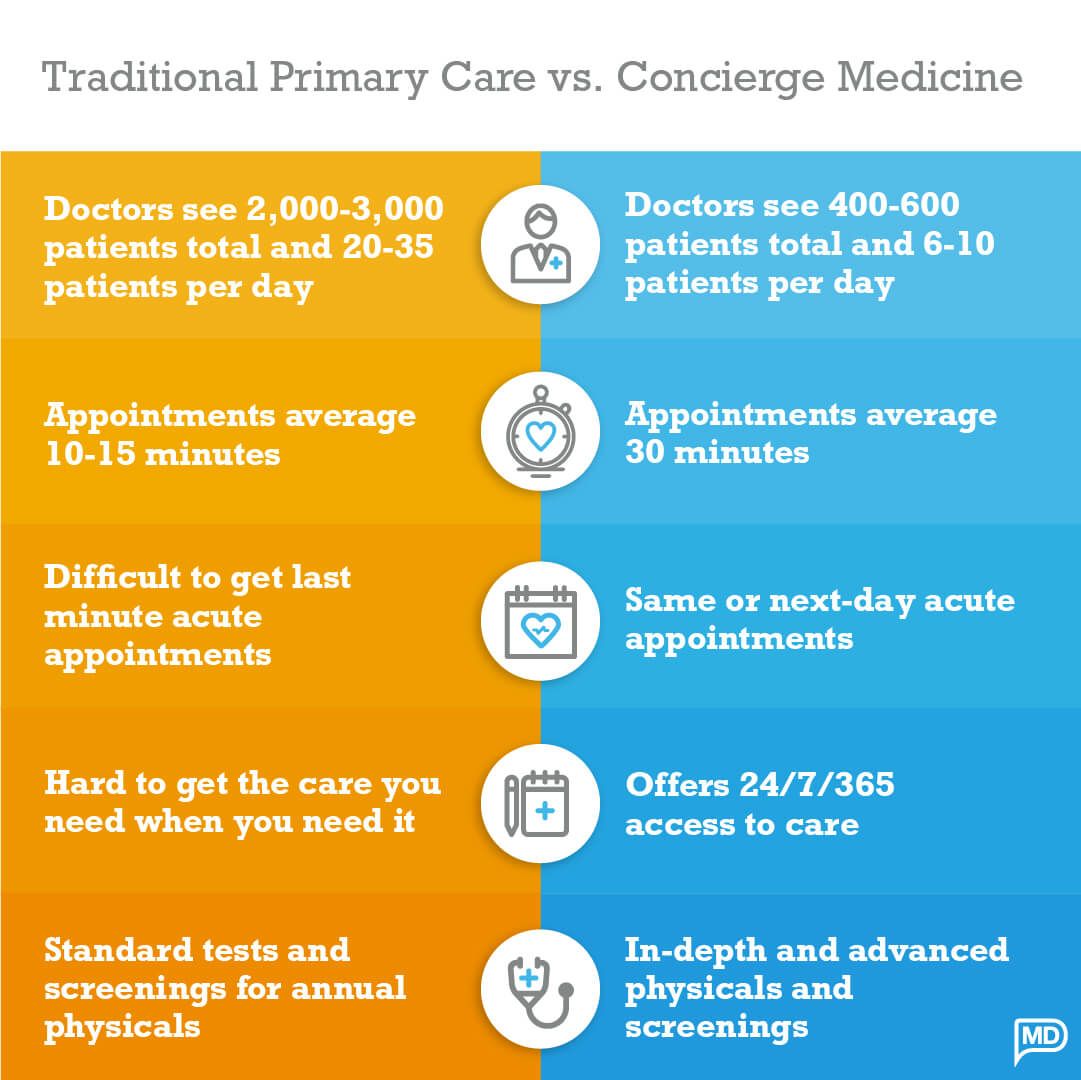
Personalized care is a medical model that emphasizes the unique genetic, environmental, and lifestyle factors of each patient. In a concierge setting, this is made possible by limiting the physician’s patient panel. While a traditional primary care physician might manage 2,000 to 3,000 patients, a concierge physician typically limits their practice to 300 to 600 individuals. This drastic reduction in volume allows the physician to transition from a reactive "sick care" mindset to a proactive "wellness care" philosophy.
By 2026, personalized care has expanded beyond simple lifestyle advice. It now encompasses precision medicine, which uses data from genomic sequencing, microbiome analysis, and continuous physiological monitoring to predict and prevent disease before symptoms even manifest. When a concierge practice explains personalized care, they are describing a partnership where the doctor has the time to synthesize this complex data into an actionable, highly specific health optimization plan.
The Pillars of Personalized Medicine in 2026
To understand how a concierge practice delivers on the promise of personalized care, one must look at the specific operational pillars that differentiate this model from the status quo. These pillars are built on the foundation of time, access, and advanced technology.
Extended Appointment Times and Relationship Building
The most immediate benefit of personalized care is the luxury of time. In 2026, a standard concierge consultation often lasts between 45 and 90 minutes. This extended duration is not merely for comfort; it is a clinical necessity for true personalization.
During these sessions, physicians can perform a "deep dive" into a patient's history, covering aspects of health that are often ignored in rushed environments, such as sleep quality, cognitive load, nutritional nuances, and stress management. This longitudinal relationship allows the doctor to notice subtle changes in a patient's baseline health—changes that might be missed by a rotating cast of practitioners in a large health system.
Advanced Diagnostic Integration
Concierge practices serve as the gatekeepers for the latest in diagnostic technology. In 2026, personalized care plans often include:
- Whole-Genome Sequencing: Identifying predispositions for cardiovascular disease, oncology risks, and pharmacogenomics (how your body reacts to specific medications).
- Advanced Lipoprotein Testing: Moving beyond simple "good" and "bad" cholesterol to analyze particle size and count, providing a much clearer picture of heart health.
- Body Composition Analysis: Using medical-grade DEXA scans or bioimpedance to monitor muscle mass and visceral fat, which are critical markers for metabolic health.
- Early Cancer Detection: Utilizing "liquid biopsies" or multi-cancer early detection (MCED) blood tests that can screen for dozens of types of cancer in their earliest, most treatable stages.
Immediate Access and Coordination of Care
Personalization extends to how care is delivered and coordinated. Concierge patients typically have 24/7 direct access to their physician via secure messaging, phone, or video. In 2026, this "doctor in your pocket" approach ensures that acute issues are handled immediately, preventing unnecessary visits to the emergency room. Furthermore, when a specialist is needed, the concierge physician acts as a dedicated advocate, coordinating with top-tier surgeons or oncologists to ensure that the personalized plan remains consistent across all levels of care.
Comparing Traditional Primary Care vs. Concierge Personalized Care
Understanding the value proposition of personalized care requires a direct comparison of the two dominant models of primary care available in 2026.
| Feature | Traditional Primary Care | Concierge Personalized Care |
|---|---|---|
| Patient Panel Size | 2,000 – 3,500 patients | 300 – 600 patients |
| Average Appointment Length | 10 – 15 minutes | 45 – 90 minutes |
| Wait Times | Days to weeks for an appointment | Same or next-day availability |
| Direct Access | Through staff/portals only | Direct cell/email/text to physician |
| Focus of Care | Acute symptom management | Long-term prevention and optimization |
| Technology | Standard blood panels | AI-driven diagnostics & genomics |
| Coordination | Patient manages referrals | Physician manages specialist networking |
| Cost Structure | Insurance-based (copays/deductibles) | Annual membership fee + insurance |
The Role of Technology: Wearables and AI in 2026
In 2026, the definition of personalized care is inextricably linked to the "digital twin" concept. Many concierge practices now utilize data from wearable devices—such as smart rings, continuous glucose monitors (CGMs), and advanced fitness trackers—to build a real-time profile of a patient’s health.
Instead of relying on a single snapshot of health from an annual physical, the concierge physician monitors trends. For instance, if a patient’s resting heart rate begins to trend upward or their heart rate variability (HRV) drops significantly over a week, the physician can reach out proactively. This data-driven approach allows for "micro-adjustments" to lifestyle, supplements, or medications, preventing a minor physiological stressor from becoming a major medical event.
Artificial Intelligence (AI) plays a critical role in this ecosystem by filtering the massive amounts of data generated by these devices. AI algorithms can flag anomalies for the physician to review, ensuring that the personalization is not just a buzzword but a continuous, active process. This integration of human expertise and machine precision is the hallmark of modern concierge medicine.
Cost vs. Value: Understanding the Membership Model
One of the most frequent questions regarding concierge medical practices is why there is an additional fee. By 2026, membership fees generally range from $2,000 to $10,000 per year, depending on the level of service and the geographic location.
It is important to clarify that the membership fee does not replace health insurance. Patients still need insurance to cover specialist visits, hospitalizations, surgeries, and prescriptions. Instead, the fee pays for the physician’s time, the reduced patient load, and the enhanced diagnostic suite that insurance companies typically do not cover under "standard" wellness benefits.
The value of this investment is often seen in the long-term reduction of health risks. By identifying a pre-diabetic state or an early stage of cardiovascular disease years before a "standard" test would catch it, the concierge model can save patients from the astronomical costs—both financial and physical—of chronic disease management.
Preventive Strategies and the Science of Longevity
In 2026, the primary goal of personalized care in a concierge setting has shifted from "lifespan" to "healthspan." While traditional medicine is excellent at keeping patients alive once they are sick, concierge medicine focuses on keeping patients healthy and high-functioning for as long as possible.
This involves specialized protocols in several key areas:
- Metabolic Health: Personalized nutrition and exercise prescriptions based on how a patient’s unique physiology responds to different macronutrients.
- Hormone Optimization: Tailored bioidentical hormone replacement therapy (BHRT) to address the age-related decline in vitality, bone density, and cognitive function.
- Neuroprotection: Using baseline cognitive testing and MRI imaging to track brain health and implement interventions to delay the onset of neurodegenerative diseases.
- Inflammation Management: Tracking high-sensitivity C-reactive protein (hs-CRP) and other inflammatory markers to manage the "inflammaging" process that drives most chronic diseases.
Is Concierge Medicine and Personalized Care Right for You?
Choosing a concierge practice is a significant decision that depends on an individual’s health goals and financial priorities. It is particularly beneficial for:
- Individuals with Complex Conditions: Those managing multiple chronic issues who need a "quarterback" to oversee their entire medical team.
- High-Performance Professionals: People whose schedules demand extreme flexibility and immediate access to care without waiting in lobbies.
- Proactive Wellness Seekers: Individuals who are not currently sick but are committed to optimizing their health and longevity through data and prevention.
- The Aging Population: Seniors who want more time with their doctor to discuss the nuances of aging and maintain their independence.
However, for those who are generally healthy, rarely see a doctor, and are comfortable with the traditional healthcare system's wait times, the additional cost of a concierge membership may not be necessary.
Frequently Asked Questions
Does insurance cover concierge membership fees?
Generally, no. Most insurance providers, including Medicare, view the concierge membership fee as an elective service. However, the medical services provided during your visits (like blood work or physical exams) may still be billable to your insurance. Some patients use their Health Savings Account (HSA) or Flexible Spending Account (FSA) to pay for a portion of the fee, but it is essential to consult with a tax professional as IRS regulations on this can vary by 2026 standards.
What is the difference between Concierge Medicine and Direct Primary Care (DPC)?
While both focus on personalized care, the primary difference lies in the billing. Direct Primary Care (DPC) practices typically do not accept insurance at all and rely solely on a monthly membership fee. Concierge practices often "hybridize" the model, charging a membership fee for the non-covered, personalized services while still billing the patient’s insurance for standard medical procedures.
Can I still see my specialists if I join a concierge practice?
Yes. In fact, one of the primary roles of a concierge physician is to act as a central coordinator for all your specialists. They help interpret the findings from different doctors, ensure there are no conflicting treatments, and advocate for you to get the best possible care within a larger medical system.
Is the data from my wearables shared with my insurance company?
In a reputable concierge practice, your health data is protected under HIPAA (Health Insurance Portability and Accountability Act) and is used solely for your clinical care. While some insurance companies in 2026 offer "incentive programs" for sharing data, a private concierge practice maintains a closed loop between you and your physician unless you specifically authorize third-party sharing.
How quickly can I get an appointment in a concierge practice?
Most concierge practices guarantee same-day or next-day appointments for urgent matters. For routine check-ups or personalized wellness reviews, the wait time is typically less than 48 hours. This is a significant contrast to the weeks or months often required in traditional health systems.
Final Recommendation: How to Choose a Practice
If you are considering a transition to personalized care, the first step is to schedule an "interview" or "meet and greet" with a potential concierge physician. Because this model relies so heavily on the doctor-patient relationship, the personal rapport you have with the physician is just as important as their medical credentials.
Ask about their specific approach to preventive medicine, which diagnostic tools they include in their membership, and how they integrate new technologies like AI and genomics. A practice that truly understands personalized care will be able to explain not just what they do, but how their specific protocols will be tailored to your unique biological makeup.
For further information on the evolution of private practice models, you can research resources provided by the American Academy of Private Physicians or review clinical studies on the efficacy of concierge models in the Journal of the American Medical Association (JAMA).