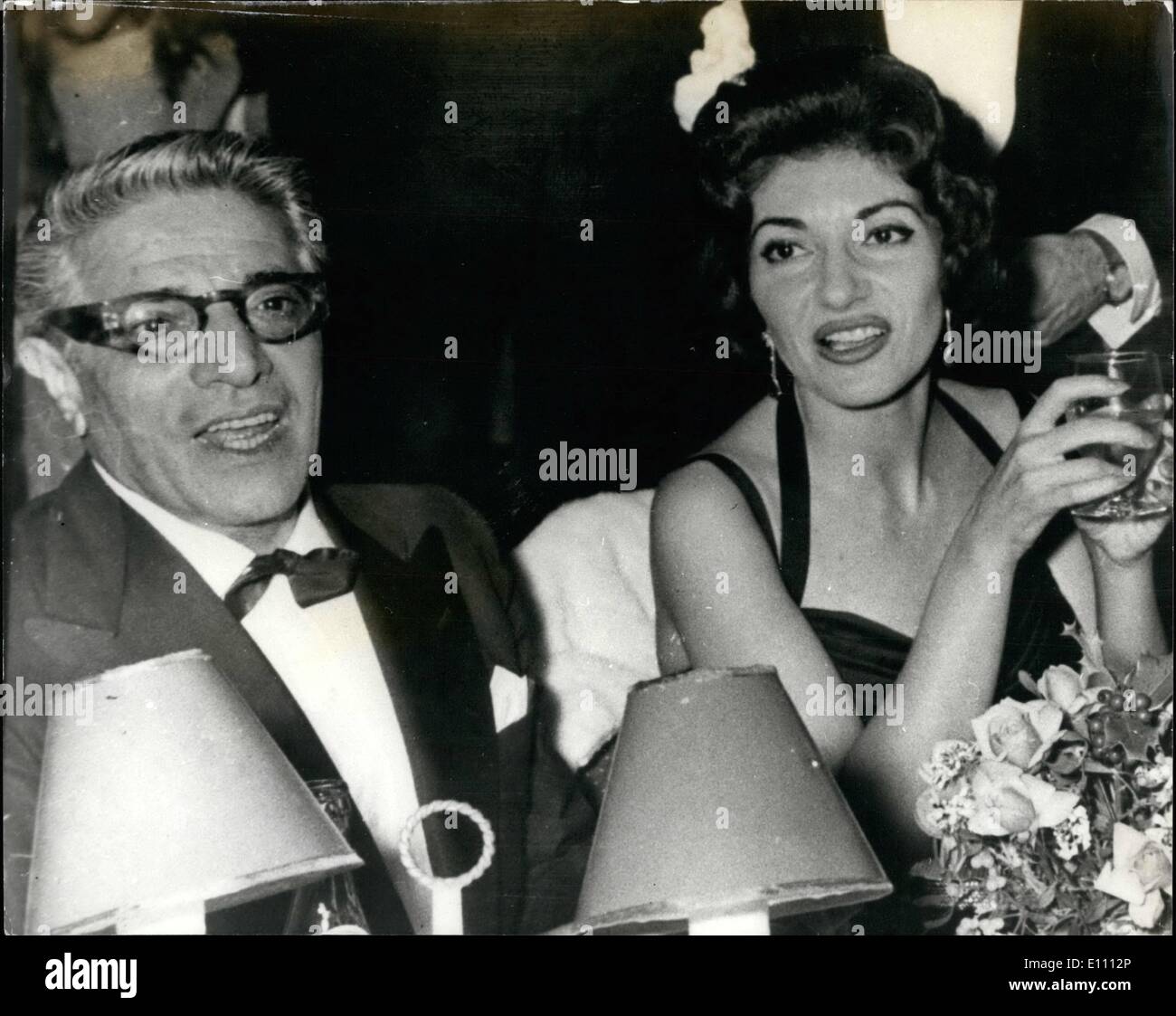
Aristotle Onassis, the legendary Greek shipping magnate, had two legal spouses during his lifetime. His first wife was Athina "Tina" Livanos, whom he married in 1946 to solidify a shipping dynasty. Following their 1960 divorce, he famously married Jacqueline Kennedy, the widow of U.S. President John F. Kennedy, in 1968.
The marital history of Aristotle Onassis is more than a chronicle of personal relationships; it is a narrative of 20th-century power, wealth, and the intersection of global commerce with political royalty. As we look back from 2026, the fascination with Onassis’s choice of partners remains high, as these unions shaped the social and economic landscapes of their era. To understand the man, one must understand the women he married and the strategic, emotional, and public-facing roles they played in his life.
The Strategic Alliance: Athina Mary "Tina" Livanos (1946–1960)
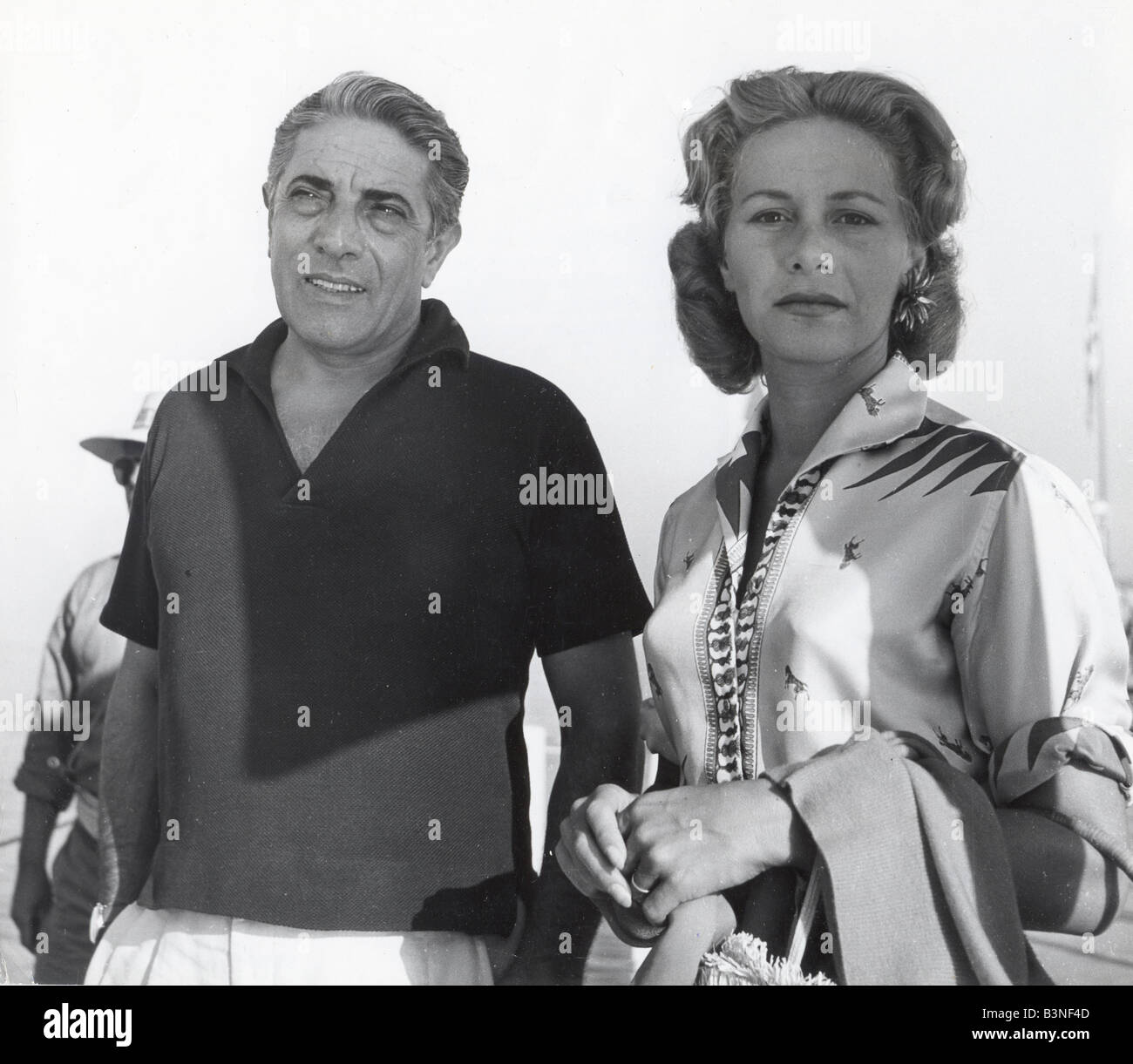
The first spouse of Aristotle Onassis was Athina Mary "Tina" Livanos, the daughter of Stavros Livanos, who was arguably the most powerful Greek shipping tycoon of the mid-20th century. This union was not merely a romantic pursuit; it was a foundational brick in the empire Onassis sought to build.
Background and Dynastic Union
Tina Livanos was just 17 years old when she married the 40-year-old Onassis in 1946. At the time, Onassis was an ambitious "new money" player in the shipping industry, while the Livanos family represented the established "old guard." By marrying Tina, Onassis gained immediate entry into the upper echelons of the Greek shipping elite. The marriage was seen by many as a merger between two great fleets, providing Onassis with the social credibility and industrial connections he needed to compete on a global scale.
The wedding took place in New York City and was a centerpiece of high-society news. It established the couple as the premier "Golden Greeks," a term used to describe the wealthy shipowners who dominated the Mediterranean and international trade routes.
Life at Sea and the Birth of Heirs
The marriage produced two children: Alexander Onassis (born 1948) and Christina Onassis (born 1950). These children were the heirs to a fortune that was growing exponentially. During their years together, the family spent a significant amount of time aboard the Christina O, a converted Canadian frigate that Onassis turned into the world’s most luxurious private yacht.
The Christina O served as a floating palace where the Onassises entertained world leaders, Hollywood stars, and royalty. Tina was the consummate hostess, providing the elegance and social grace that balanced Aristotle’s often abrasive and aggressive business persona. However, despite the outward appearance of extreme luxury, the marriage was strained by Aristotle’s frequent absences and his relentless drive for expansion.
The Breakdown of the First Marriage
The decline of the marriage began in the late 1950s, largely due to Aristotle’s high-profile affair with the opera singer Maria Callas. While Callas was never legally a spouse, her presence in Onassis’s life was a public humiliation for Tina.
Tina Livanos filed for divorce in 1959, and the decree was finalized in June 1960. The dissolution of this marriage was a turning point. Tina eventually married the Marquess of Blandford and later, in a move that shocked the shipping world, married Aristotle’s arch-rival, Stavros Niarchos. The rivalry between Onassis and Niarchos was legendary, and Tina’s subsequent marriage to Niarchos added a layer of personal vendetta to their professional competition.
The Cultural Phenomenon: Jacqueline Kennedy Onassis (1968–1975)
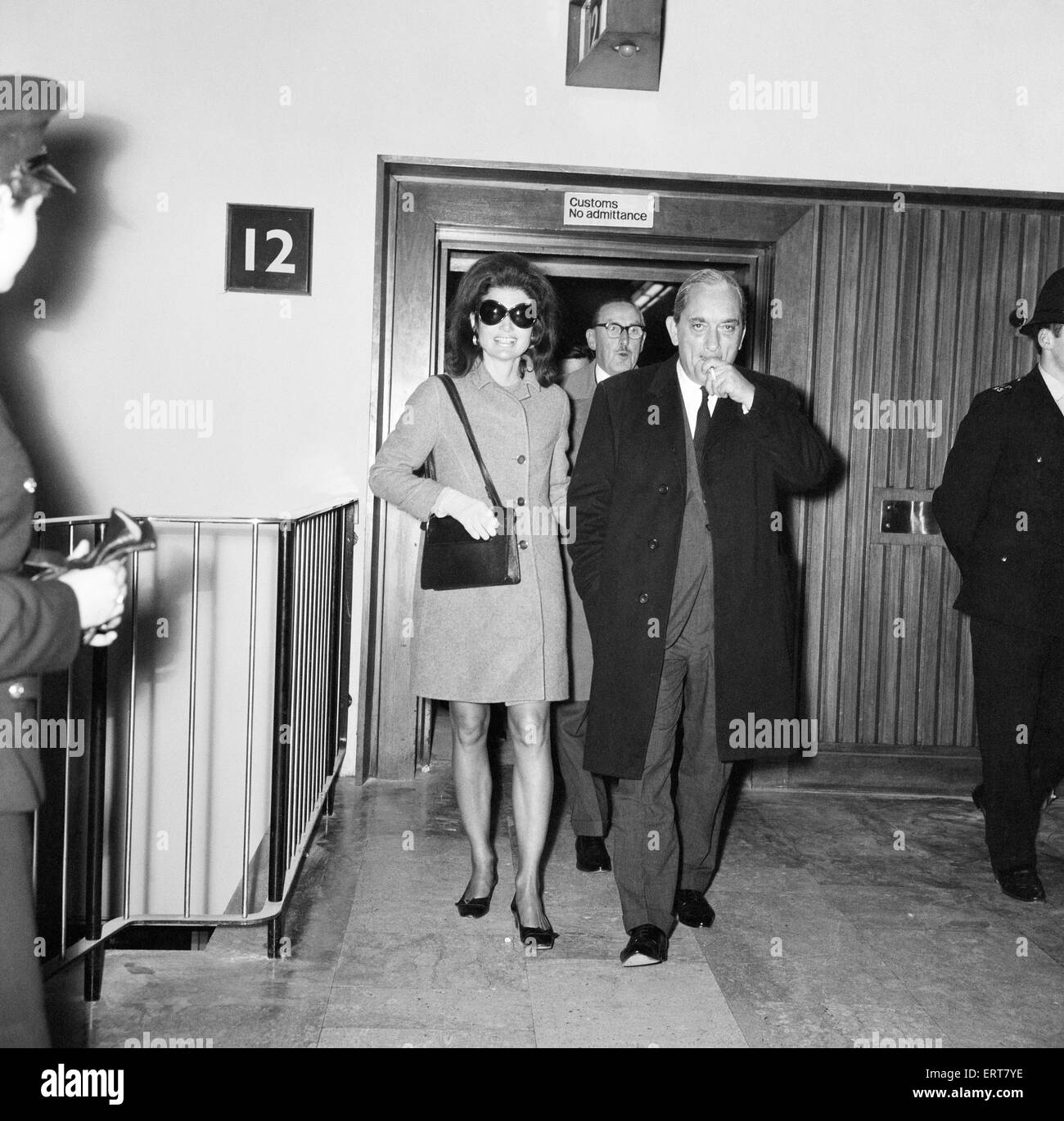
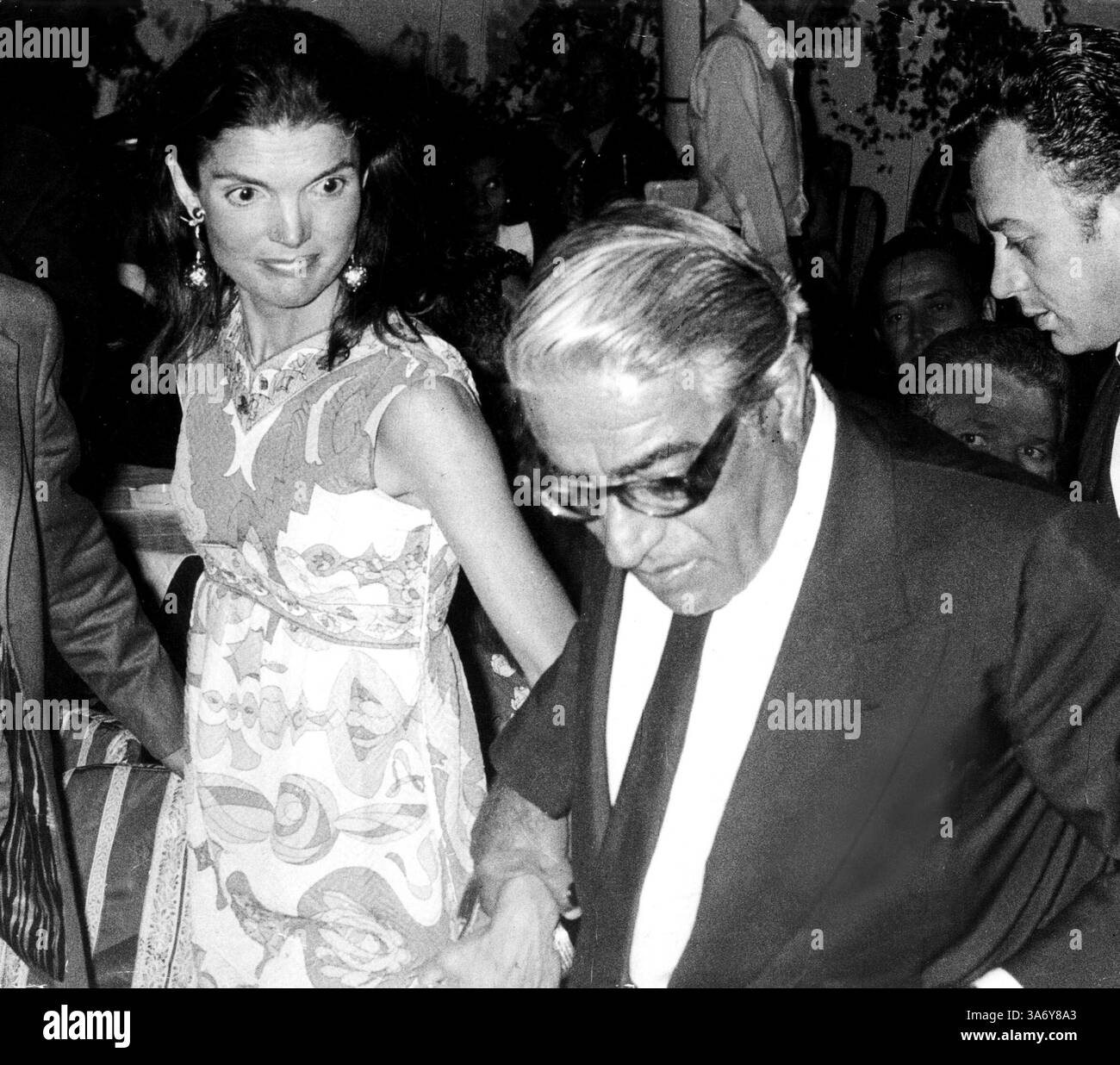
If the first marriage was about establishing a dynasty, the second was about global prestige and protection. On October 20, 1968, Aristotle Onassis married Jacqueline Lee Bouvier Kennedy, the widow of the assassinated American President John F. Kennedy. This union sent shockwaves through the United States and the world.
From Camelot to Scorpios
The transition of Jacqueline Kennedy from the "widow of Camelot" to "Jackie O" was met with intense public scrutiny. For Jacqueline, the marriage offered a level of security and privacy that she felt was increasingly impossible in the United States, especially following the assassination of her brother-in-law, Robert F. Kennedy, earlier in 1968.
For Onassis, marrying the most famous woman in the world was the ultimate trophy. It signaled his transcendence from a mere businessman to a figure of global historical significance. The wedding took place on Scorpios, Onassis’s private island in the Ionian Sea, in a small, private Greek Orthodox ceremony.
The Marriage Contract and Public Perception
Unlike his first marriage, the union with Jacqueline was governed by a detailed and complex prenuptial agreement. Rumors at the time suggested the contract contained over 100 clauses, specifying everything from the amount of money Jacqueline would receive annually to the number of months they would spend together each year.
While the exact details of the "marriage contract" have been debated by biographers for decades, its existence highlighted the transactional nature that many perceived in the relationship. The American public felt betrayed that their "First Lady" had married a man they viewed as an aging, foreign buccaneer. Conversely, the Greek public was often skeptical of Jacqueline’s American sensibilities and her astronomical spending habits, which earned her the nickname "The Queen of the Tax-Free."
A Relationship Defined by Tragedy and Distance
The later years of the marriage were marred by profound tragedy and an increasing emotional distance. In 1973, Aristotle’s only son, Alexander, died in a plane crash at the age of 24. This event broke Aristotle’s spirit and, by many accounts, he blamed the "Kennedy curse" for the misfortune that had befallen his family.
Aristotle and Jacqueline spent less and less time together in the mid-1970s. While they remained legally married until his death, reports from the era suggest that Onassis was considering a divorce and had reconnected with Maria Callas. When Aristotle Onassis died on March 15, 1975, in Paris, Jacqueline was in New York, further fueling rumors of their estrangement.
Comparing the Two Marriages: A Structural Analysis
The two marriages of Aristotle Onassis represent different phases of his life and different types of power. The following table provides a comparative overview of these two significant relationships.
| Feature | Athina "Tina" Livanos | Jacqueline Kennedy |
|---|---|---|
| Duration | 1946–1960 (14 years) | 1968–1975 (7 years) |
| Primary Motivation | Dynastic alliance / Industry status | Global prestige / Security |
| Children | Alexander and Christina | None (Step-children: Caroline and John Jr.) |
| Cultural Impact | Solidified the "Golden Greek" era | Created the "Jackie O" global brand |
| Residences | Christina O, New York, Monte Carlo | Scorpios, New York, Paris |
| Ending of Union | Divorce (due to infidelity) | Death of Aristotle Onassis |
| Legal/Financial Focus | Marriage into shipping royalty | Complex 102-clause prenuptial agreement |
The Uncrowned Wife: Maria Callas and the Emotional Core
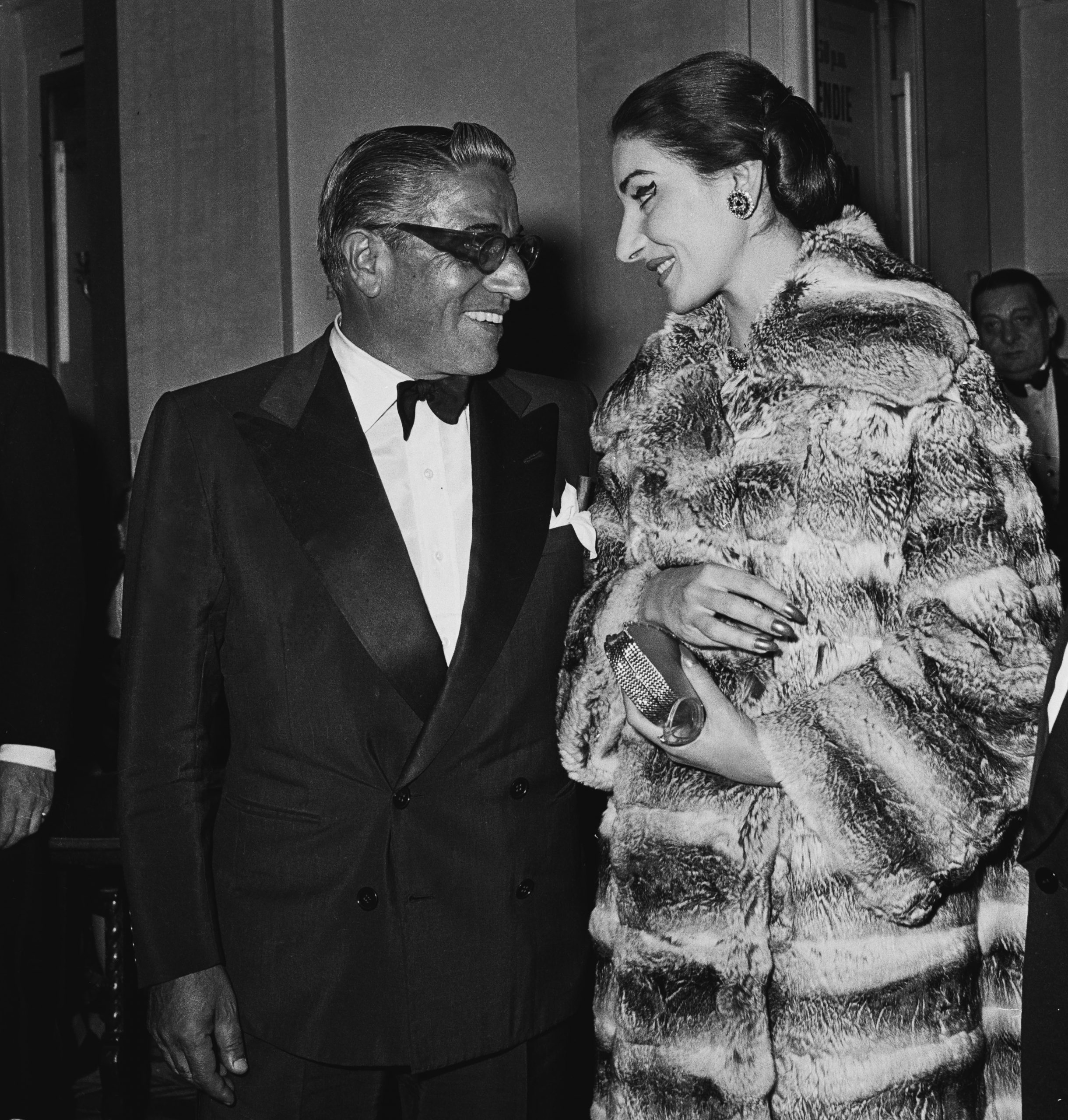
It is impossible to discuss the spouses of Aristotle Onassis without mentioning Maria Callas, the world-renowned soprano. Although they were never legally married, Callas is often considered the great love of Onassis’s life. Their relationship began in 1959 while Onassis was still married to Tina Livanos.
For nearly a decade, Callas was his constant companion. She famously divorced her husband, Giovanni Battista Meneghini, in the hope of marrying Onassis. However, Onassis never took that step, ultimately choosing the political and social cachet of Jacqueline Kennedy over the emotional and artistic depth of Callas.
The betrayal of Callas is a central theme in the Onassis biography. When news of his marriage to Jacqueline broke, Callas was reportedly devastated. Despite the marriage, Onassis and Callas continued to see each other intermittently until his death. The presence of Callas as a "perpetual third party" significantly impacted both of his legal marriages, acting as the catalyst for his first divorce and a source of tension in his second marriage.
Legal and Financial Aftermath: The Onassis Estate and His Widows
Upon Aristotle Onassis’s death in 1975, his vast fortune became the subject of intense legal maneuvering. Because of the Greek laws of the time and the specific provisions in his will, the distribution of assets was complex.
The Settlement with Jacqueline Kennedy
Jacqueline Kennedy Onassis was initially left a relatively small portion of the estate compared to its total value. Aristotle’s daughter, Christina Onassis, who inherited the bulk of the shipping empire and the private island of Scorpios, had a notoriously frosty relationship with her stepmother.
After a period of legal disputes, Christina and Jacqueline reached a settlement. Jacqueline reportedly received a lump sum of approximately $26 million (a staggering amount in the mid-1970s) in exchange for waiving all further claims to the Onassis estate. This settlement allowed Jacqueline to live comfortably in New York for the remainder of her life, where she transitioned into a successful career as a book editor.
The Legacy of the Onassis Fortune
The remainder of the fortune was divided between Christina Onassis and the Alexander S. Onassis Public Benefit Foundation, which Aristotle established in memory of his son. The foundation continues to operate in 2026, funding education, culture, and healthcare in Greece, ensuring that the Onassis name remains synonymous with both private wealth and public service.
Frequently Asked Questions
Did Aristotle Onassis have children with Jacqueline Kennedy?
No, Aristotle Onassis and Jacqueline Kennedy did not have any children together. Jacqueline had two children from her previous marriage to John F. Kennedy—Caroline and John Jr.—who spent time on Onassis’s yacht and island, but they were never legally adopted by him. Aristotle's only biological children were Alexander and Christina, from his first marriage to Tina Livanos.
Why did Jackie Kennedy marry Aristotle Onassis?
Biographers generally agree that Jacqueline married Onassis for two primary reasons: security and financial independence. Following the assassination of Robert F. Kennedy in 1968, Jacqueline feared for the safety of her children and herself. Onassis offered a private army of security, a private island, and the financial means to live outside the reach of the American paparazzi and potential threats.
Who was the love of Aristotle Onassis's life?
While he was legally married to Tina Livanos and Jacqueline Kennedy, many historians and close associates believe that the opera singer Maria Callas was the true love of his life. Their relationship lasted for many years and was characterized by intense passion and public drama, though it never resulted in marriage.
What happened to Aristotle Onassis's first wife, Tina?
After divorcing Onassis in 1960, Tina Livanos married John Spencer-Churchill, the 11th Duke of Marlborough, but the marriage ended in divorce in 1971. She then married her former brother-in-law and Aristotle’s rival, Stavros Niarchos. Tina died in 1974, just one year before Aristotle Onassis.
How much money did Jackie Kennedy get when Onassis died?
Initially, the will provided her with an annual income, but after legal negotiations with Christina Onassis, Jacqueline accepted a one-time settlement of roughly $26 million. This allowed for a clean legal break between the Kennedy and Onassis families.
Final Practical Insight: Understanding the Onassis Legacy
When researching the life of Aristotle Onassis, it is essential to distinguish between the sensationalist tabloid coverage of the time and the documented historical facts. His marriages were not just personal choices but were deeply intertwined with his business interests and his desire for social mobility.
For those interested in the legal and financial aspects of his life, the Alexander S. Onassis Public Benefit Foundation provides extensive records on how his wealth was structured to support Greek society. Additionally, the JFK Presidential Library offers insights into the transition Jacqueline Kennedy made from the White House to her life with Onassis.
In 2026, the story of Aristotle Onassis and his spouses serves as a case study in the complexities of high-net-worth estate planning, the intersection of fame and privacy, and the enduring power of dynastic ambition. Whether viewed as a strategic mastermind or a man haunted by tragedy, his choices in partners remain a vital part of the 20th-century historical record.